Air Fryer Salmon Bites: Speedy & Crispy
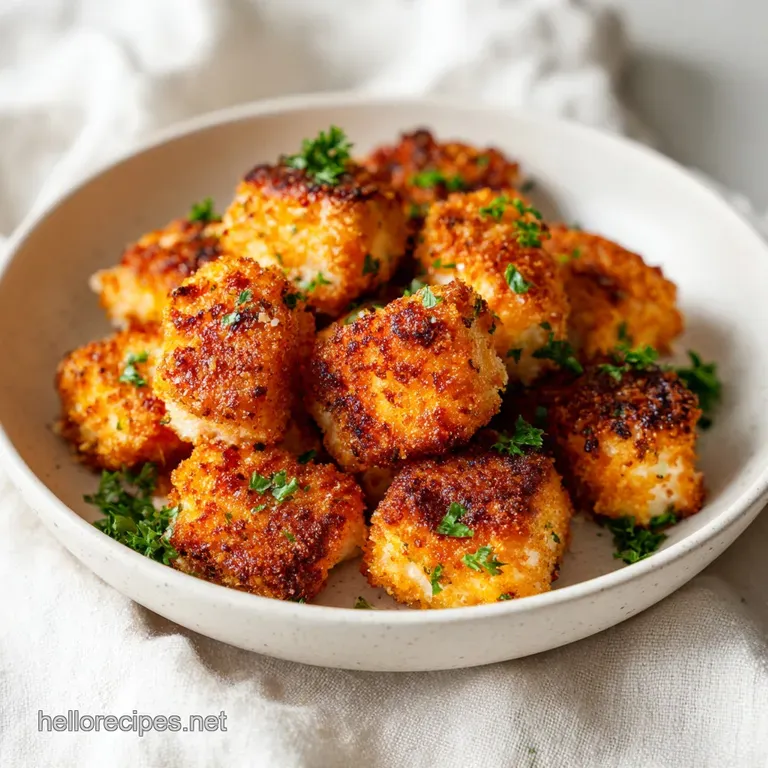
- Time: Active 10 mins, Passive 8 mins, Total 18 mins
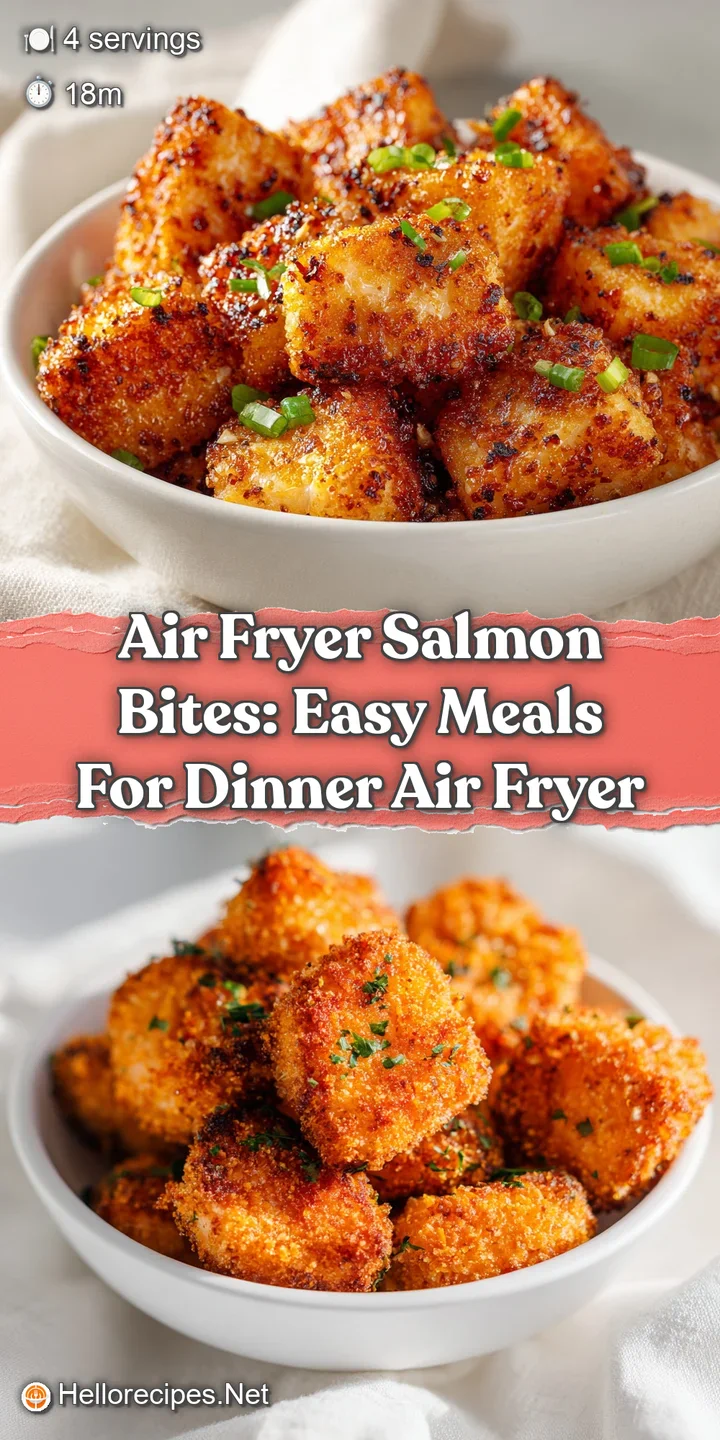
- Flavor/Texture Hook: A shatter crisp exterior with a velvety, melt in-your mouth interior
- Perfect for: High protein meal prep or a quick, innovative weeknight dinner
- Creating the Ultimate Air Fryer Salmon Bites
- Molecular Magic of High Heat Searing
- Ingredient Deep Dive
- Essential Statistics for Precision Cooking
- Necessary Technology for Crispy Textures
- Step by Step Gastronomy Method
- Fixing Common Salmon Texture Errors
- Scaling for Different Group Sizes
- Innovative Flavor Swaps and Adaptations
- Preserving Freshness and Reducing Waste
- Strategic Side Dish Flavor Combinations
- Kitchen Truths Debunked
- Recipe FAQs
- 📝 Recipe Card
Creating the Ultimate Air Fryer Salmon Bites
The first time I tried making salmon in this gadget, I threw in a whole fillet and hoped for the best. It was a disaster, the outside was like cardboard while the middle stayed weirdly soft. But everything changed when I started cubing the fish into 1 inch pieces.
That first bite of a smaller cube, with its sticky honey glaze crackling against my teeth, was the "aha" moment I needed. It’s all about the surface area, and once you try it this way, you'll never go back to boring fillets.
We are looking for that specific sizzle the moment the basket slides in. You want the edges to get dark and slightly charred while the ginger and garlic infuse every fiber of the protein. It is about working with the technology of the air fryer rather than against it.
We are not just "cooking" fish here; we are using over high heat convection to achieve a texture that usually requires a deep fryer.
Trust me, the smell of the toasted sesame oil hitting that hot air is enough to make the neighbors knock on your door. We've refined this process so it's foolproof, ensuring you get that glassy, honey lacquered finish every single time without overcooking the delicate fats in the salmon. If you're looking for more inspiration, you might enjoy trying The Weeknight Wonder recipe for those days when you're truly short on time.
Molecular Magic of High Heat Searing
The Science of the Crunch: Rapid air circulation removes surface moisture instantly, allowing the honey's sugars to undergo caramelization faster than the internal proteins can toughen. This creates a thermal barrier that protects the delicate omega-3 fats inside the cube.
| Thickness | Internal Temp | Rest Time | Visual Cue |
|---|---|---|---|
| 1 inch cube | 145°F | 2 mins | Opaque center with flaking edges |
| 0.5 inch cube | 145°F | 1 min | Deeply browned, firm to touch |
| 1.5 inch cube | 145°F | 3 mins | Glossy glaze, slight resistance |
Using consistent sizing is the most important part of this gastronomy equation. If your cubes are uneven, the smaller ones will turn into fish jerky while the larger ones stay raw. I always suggest using a sharp knife to ensure clean edges, which helps the glaze adhere better.
Ingredient Deep Dive
| Ingredient | Science Role | Pro Secret |
|---|---|---|
| Salmon Fillet | Structural Protein | Use center cut for even fat distribution and thickness |
| Avocado Oil | Heat Transfer | Higher smoke point prevents the glaze from tasting bitter |
| Honey | Maillard Catalyst | Provides the glucose needed for that dark, sticky crust |
| Fresh Ginger | Protease Enzymes | Slightly tenderizes the fish surface while adding brightness |
Essential Statistics for Precision Cooking
- 1.5 lbs Center cut Salmon Fillet: Skin removed and cut into 1 inch cubes Why this? Center cut offers the most uniform thickness for even cooking.
- 1 tbsp Avocado Oil: Why this? It handles the high heat of the air fryer without smoking.
- 0.5 tsp Kosher Salt: Adds essential seasoning to balance the sweetness.
- 0.25 tsp Cracked Black Pepper: Provides a subtle floral heat.
- 2 tbsp Soy Sauce: Why this? Adds liquid umami and helps salt penetrate the fibers.
- 1 tbsp Honey: The primary source of caramelization.
- 1 tsp Toasted Sesame Oil: Adds a nutty, aromatic top note.
- 2 cloves Garlic: Grated into a paste for maximum surface contact.
- 1 tsp Fresh Ginger: Finely minced to cut through the fatty salmon.
- 0.5 tsp Sriracha: Just enough acidity and heat to wake up the palate.
Chef's Tip: Freeze your salmon fillet for 15 minutes before slicing. This firms up the fat, allowing you to cut those 1 inch cubes with surgical precision without tearing the delicate flesh.
Necessary Technology for Crispy Textures
You will need an air fryer, obviously, but the type matters less than the technique. I use a basket style fryer, but a toaster oven style works just as well if you don't overcrowd it. You'll also need a microplane grater for the garlic and ginger.
Turning them into a paste rather than a mince ensures they emulsify into the oil and soy sauce, creating a silky coating rather than burnt chunks of aromatics.
A large glass bowl is better than plastic for marinating because it won't absorb the strong scents of the ginger and fish. Make sure you have a pair of silicone tipped tongs. Metal ones can be a bit aggressive and might break the cubes apart once they start to get tender.
step-by-step Gastronomy Method
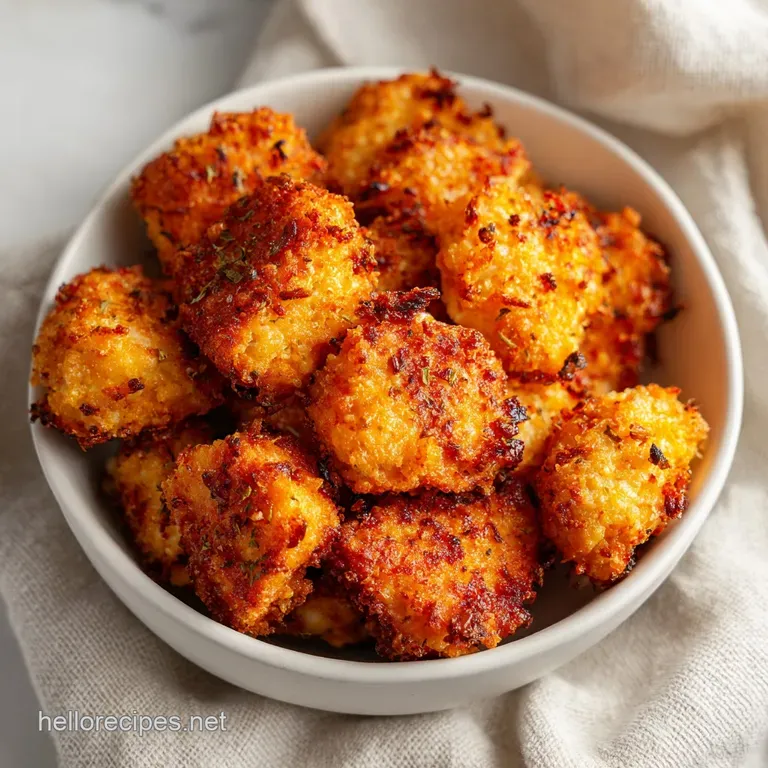
- Prep the salmon. Pat the 1.5 lbs of salmon dry with paper towels to remove excess moisture. Note: Dry skin is the key to a crispy sear.
- Cube the fish. Cut the fillet into 1 inch cubes as uniformly as possible.
- Whisk the marinade. Combine the soy sauce, honey, sesame oil, garlic paste, ginger, and sriracha in a bowl.
- Emulsify the oil. Whisk in the 1 tbsp of avocado oil until the marinade looks glossy and thick.
- Coat the cubes. Toss the salmon in the marinade gently until every surface is glistening.
- Preheat the fryer. Set your air fryer to 400°F (200°C) and let it run for 3 mins.
- Arrange the basket. Place the cubes in a single layer, leaving space between them.
- Blast the heat. Air fry for 8 mins, shaking the basket halfway through until the edges are charred and bubbling.
- Check for doneness. Ensure the internal temp hits 145°F or the fish flakes easily.
- Rest the protein. Let the bites sit for 2 mins to allow the juices to redistribute.
Fixing Common Salmon Texture Errors
My Salmon Is Rubbery
If the salmon feels bouncy or tough, it is likely overcooked. Even a minute too long in the high velocity air can dry out the healthy fats. Always start checking at the 6 minute mark if your cubes are on the smaller side.
The honey in the glaze can also make them look done before they actually are, so use a thermometer if you're unsure.
The Glaze Is Burnt
This usually happens if the honey ratio is too high or if the ginger and garlic were chopped too coarsely. When aromatics are in large pieces, they catch the heat and carbonize. Grating them into a paste allows them to melt into the sauce, protecting them from the direct heat of the elements.
| Problem | Root Cause | Solution |
|---|---|---|
| Sticking to basket | low-fat or cold basket | Preheat the basket and use avocado oil |
| Soggy exterior | Overcrowding | Cook in batches to allow air circulation |
| Lack of flavor | Short marination | Let cubes sit in sauce for at least 10 mins |
Common Mistakes Checklist
- ✓ Never skip the preheating phase; the initial blast of heat is what sets the crust.
- ✓ Don't use "low sodium" soy sauce unless necessary, as the salt helps the honey penetrate.
- ✓ Avoid crowding the basket; if the cubes touch, they will steam instead of sear.
- ✓ Always pat the fish dry before adding the oil and marinade.
- ✓ Use a high smoke point oil like avocado or light olive oil, not extra virgin.
Scaling for Different Group Sizes
If you need to cut the recipe in half for a solo dinner, use a smaller bowl but keep the cook time roughly the same. You might find that the air circulates even better with fewer pieces, so check them a minute early.
When downscaling, I usually beat one egg and use only half if a recipe calls for it, but since we don't use eggs here, just halve the liquids precisely.
For doubling the recipe to feed a crowd, you must work in batches. Trying to cram 3 lbs of salmon into one basket is a recipe for a soggy mess. Keep the first batch warm in a low oven (200°F) while the second batch cooks.
For the spices and salt, only increase them by 1.5x rather than a full double to avoid an overwhelming salt punch.
Innovative Flavor Swaps and Adaptations
| Original Ingredient | Substitute | Why It Works |
|---|---|---|
| Soy Sauce | Tamari | gluten-free alternative with a richer, darker color |
| Honey | Maple Syrup | Adds a woody sweetness. Note: Thinner consistency than honey |
| Avocado Oil | Ghee | Adds a buttery, toasted flavor and handles high heat well |
If you love this texture, you might also dig my Salmon Croquettes recipe. For those following a strict ketogenic lifestyle, you can swap the honey for a monk fruit based maple syrup or simply omit the sweetener and increase the garlic and ginger for a savory, zesty profile. These keto air fryer salmon bites are just as satisfying without the extra sugar.
Preserving Freshness and Reducing Waste
You can store these bites in an airtight container in the fridge for up to 3 days. To reheat, avoid the microwave at all costs unless you want rubbery fish. Instead, pop them back into the air fryer at 350°F (180°C) for about 2-3 mins.
This will re crisp the exterior without obliterating the moisture inside.
Don't throw away the salmon skin if you removed it yourself! Toss the skins with a little salt and air fry them at 400°F for 5 mins until they turn into "salmon crackling." They are incredibly sustainable and make for a crunchy topping for salads or just a salty snack while you wait for the main event.
Strategic Side Dish Flavor Combinations
This dish pairs beautifully with a side of coconut lime rice or a crunchy slaw tossed in rice vinegar. The acidity of a slaw cuts through the richness of the salmon perfectly. If you want a different vibe, try my Blackened Salmon Recipe later for a completely different flavor profile using the same basic technique.
- If you want more crunch: Toss the marinated cubes in a tablespoon of panko breadcrumbs before frying.
- If you want more heat: Double the Sriracha or add a teaspoon of chili flakes to the marinade.
- If you want a glaze finish: Brush an extra teaspoon of honey over the bites in the last 60 seconds of cooking.
Kitchen Truths Debunked
Many people think you need to flip every single cube halfway through. In a high-quality air fryer, the air circulates underneath the basket, so a simple shake is usually enough to redistribute the heat. You don't need to be meticulous with the flipping; the convection technology does the heavy lifting for you.
Another common myth is that you can't use frozen salmon. While fresh is always better for texture, you can use frozen fillets if you thaw them completely in the fridge and pat them extremely dry. The moisture content in frozen fish is higher, so you might need an extra minute of cook time to "shatter" that exterior crust. If you're looking for a more traditional crust, our Herb Crusted Salmon Recipe is a fantastic alternative to this glazed version.
Recipe FAQs
How long do you cook salmon bites in the air fryer?
8 minutes total is the target time for 1 inch cubes. Preheat the air fryer to 400°F, arrange the cubes in a single layer, and shake halfway through to ensure all sides caramelize evenly.
How long does salmon take in the air fryer at 400 degrees?
Expect 7 to 9 minutes at 400°F for standard 1 inch cubes. Always verify doneness by checking that the internal temperature reaches 145°F; the high heat demands vigilance to avoid overcooking.
What are common mistakes when air frying salmon?
Overcrowding the basket is the most frequent mistake. When the pieces touch, they steam instead of sear, leading to a soggy exterior rather than a crispy crust.
What seasoning is good for air-fried salmon?
A sweet and savory glaze works best to achieve a crisp exterior. Combine soy sauce, honey, fresh ginger, garlic, and avocado oil; the sugars in the honey rapidly caramelize under the high heat.
Is it true you must cook frozen salmon bites right away?
No, this is a common misconception. If you must use frozen cubes, thaw them completely first and pat them extremely dry, as excess surface moisture will prevent the desired crust from forming.
How to cut salmon cubes for perfect air frying?
Freeze the fillet for 15 minutes before slicing for clean cuts. Aim for uniform 1 inch cubes across the entire piece; consistent size is crucial for temperature synchronization.
What internal temperature should the salmon bites reach?
The safe and desirable internal temperature is 145°F. Once achieved, remove them immediately and let them rest for two minutes; mastering this precision temperature is key to texture, similar to how we control heat in our Crispy Air Fryer recipe.
Air Fryer Salmon Bites

Ingredients:
Instructions:
Nutrition Facts:
| Calories | 418 kcal |
|---|---|
| Protein | 35.3 g |
| Fat | 27.4 g |
| Carbs | 4.8 g |
| Fiber | 0.1 g |
| Sugar | 4.3 g |
| Sodium | 738 mg |
