21 Day Daniel Fast Recipe with Roasted Vegetables
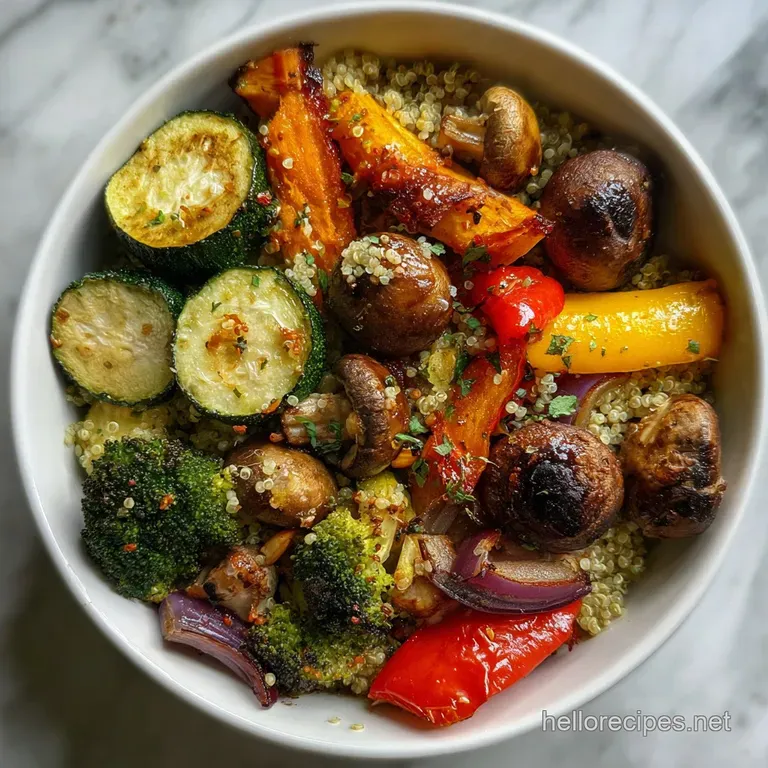
- Time: Active 15 minutes, Passive 30 minutes, Total 45 minutes
- Flavor/Texture Hook: Caramelized, nutty, and velvety
- Perfect for: Weeknight meal prep or a filling Daniel Fast dinner
- 21 Day Daniel Fast Recipe with Roasted Vegetables A Couple
- Technical Specifications and Timing
- Essential Ingredients and Fresh Substitutes
- Necessary Tools for Gastronomy
- Sequential Steps for Success
- Resolving Common Culinary Errors
- Innovative Flavor Adaptation Ideas
- Sustainable Storage and Waste Reduction
- Creative Plating and Service Tips
- Recipe FAQs
- 📝 Recipe Card
You know that specific, slightly frantic feeling on day four of a fast where you’re staring at a raw carrot like it’s a five course meal? I’ve been there. When I first started exploring plant based gastronomy, I made the mistake of thinking "clean eating" meant "boring eating." This simple, roasted vegetable recipe is perfect for your 21 day Daniel Fast because it proves that sustainable, whole ingredients can actually taste like a luxury.
The aroma of smoked paprika and roasting sweet potatoes hitting the oven's heat is enough to make anyone forget they’re skipping the steak. We're talking about edges that shatter slightly when you bite into them and a tahini sauce so silky it feels indulgent.
Honestly, I once tried to shortcut this by steaming everything, and it was a literal soggy disaster. Trust me, the oven is your best friend for building layers of flavor.
In this guide, we're going to use technology your oven's convection and the physics of heat to transform basic produce into something spectacular. You'll learn why the way you cut your carrots matters and how to get that "fried" chickpea crunch without a drop of oil.
Let’s get stuck in and turn those pantry staples into a meal you’ll actually look forward to eating.
21 Day Daniel Fast Recipe with Roasted Vegetables A Couple
The beauty of a 21 Day Daniel Fast Recipe with Roasted Vegetables A Couple lies in the synergy between the earthiness of the quinoa and the concentrated sweetness of the roasted roots.
By focusing on the 21 Day Daniel Fast Recipe with Roasted Vegetables A Couple, we emphasize a lifestyle that values nutrient density without sacrificing the sensory joy of a well cooked meal.
This specific Daniel Fast Recipe with Roasted Vegetables A Couple works because it hits every flavor note salty, sweet, sour, and bitter through natural sources.
The Science of Why it Works
Maillard Reaction: High heat triggers a chemical reaction between amino acids and reducing sugars, creating that dark, nutty crust on the sweet potatoes. Starch Gelatinization: The internal moisture in the vegetables turns to steam, breaking down starch granules into a velvety, soft interior.
Chef's Note: For the ultimate texture, freeze your canned chickpeas for 15 minutes after drying them. This tiny burst of cold helps the outer skin "shatter" in the oven while the inside stays creamy. Also, try adding a pinch of finely ground espresso to your dry spice rub; it sounds wild, but it adds a bottomless depth to the cumin and paprika.
Technical Specifications and Timing
When we look at the logistics of this dish, it’s all about the timing of the roast versus the simmer of the grain. You want everything to hit the plate at the same temperature.
I’ve found that starting the quinoa exactly five minutes after the tray goes into the oven creates a perfect "finish line" synchronization.
| Metric | Measurement |
|---|---|
| Sweet Potato Size | 1.25 cm (1/2 inch) cubes |
| Roasting Temperature | 200°C (400°F) |
| Quinoa Hydration Ratio | 1:2 (Grain to Water) |
Getting the sweet potatoes down to that 1.25 cm size is non negotiable for a 30 minute roast. If they’re too chunky, you’ll end up with charred outsides and a raw, crunchy middle, which is exactly the kind of kitchen failure we’re avoiding. We want gastronomy, not a dental workout.
Essential Ingredients and Fresh Substitutes
Every component in this 21 Day Daniel Fast Recipe with Roasted Vegetables A Couple serves a structural or chemical purpose. The carrots provide the sugars for caramelization, while the chickpeas offer the protein backbone.
Using tri color quinoa isn't just for the aesthetic; the red and black grains hold their shape better than white quinoa, providing a more innovative mouthfeel.
- 2 large sweet potatoes (500g)
- Cubed. Why this? Provides the primary complex carbohydrate and natural sweetness.
- 3 large carrots (250g)
- Sliced rounds. Why this? Adds earthy depth and vitamin A.
- 1 red bell pepper
- 1 inch squares. Why this? Releases juices that help "steam roast" the harder roots.
- 1 can (15 oz) chickpeas
- Rinsed and dried. Why this? The essential plant based protein source.
- 1 cup (170g) dry tri color quinoa
- Why this? A complete protein with a nutty, resilient texture.
- 1/4 cup (60g) raw tahini
- Why this? Creates a creamy, fat rich sauce without dairy or oil.
- Spices
- Smoked paprika, garlic powder, cumin, kosher salt, black pepper.
- Liquids
- Sodium free vegetable broth, balsamic vinegar, lemon juice.
- Freshness
- 1 clove garlic (minced) and 2 tbsp fresh parsley.
| Original Ingredient | Substitute | Why It Works |
|---|---|---|
| Sweet Potato | Butternut Squash | Similar density, though squash has higher water content. |
| Tri color Quinoa | Brown Rice | Provides a hearty chew, but requires 15 mins more cook time. |
| Raw Tahini | SunButter (Unsweetened) | Offers the same creamy emulsification with a more toasted flavor. |
If you find yourself missing the zing of a traditional pesto while on this fast, don't worry. You can always pivot. For another vibrant way to dress these vegetables, you might enjoy my Vibrant Vegan Pesto Recipe, which uses cashews for that same velvety finish we're looking for here.
Necessary Tools for Gastronomy
You don't need a professional kitchen, but a few specific items make this whole process seamless. A heavy duty rimmed baking sheet is the most important. Thin sheets warp under high heat, which leads to uneven roasting some vegetables will burn while others stay pale and sad.
- Large Baking Sheet: Preferably aluminum for even heat distribution.
- Fine Mesh Strainer: Essential for rinsing quinoa to remove the bitter saponin coating.
- Small Saucepan: For the quinoa, with a tight fitting lid to trap steam.
- Whisk: To emulsify the tahini sauce into a smooth, pourable ribbon.
Sequential Steps for Success

Phase 1: Prepping the Produce
First, we need to handle the moisture. If your chickpeas are wet, they will steam rather than roast. I like to roll mine between two paper towels to get them bone dry. Chop your sweet potatoes into those 1/2 inch cubes and slice the carrots.
Consistency is key here if the pieces are all different sizes, they won't cook at the same rate.
Phase 2: The over High heat Roast
Toss the sweet potatoes, carrots, bell pepper, and chickpeas in a large bowl. Instead of oil, we're using 2 tbsp of sodium free vegetable broth and 1 tbsp of balsamic vinegar. The vinegar adds a massive hit of acidity that balances the starch. Sprinkle in the smoked paprika, garlic powder, cumin, salt, and pepper.
Spread them out on your sheet pan. Crucial rule: Do not overcrowd the pan. If the veggies are touching too much, they’ll get soggy.
Phase 3: Finishing the Dish
While the veggies roast for 30 minutes at 200°C (400°F), get your quinoa going. Combine 1 cup quinoa with 2 cups water. Bring to a boil, then cover and simmer for 15 minutes.
While that happens, whisk your tahini, lemon juice, and minced garlic. If the sauce is too thick, add a tablespoon of warm water at a time until it reaches a "velvety" drizzle consistency. Once the veggies are done, fluff the quinoa with a fork and pile everything together, finishing with a sprinkle of fresh parsley.
Resolving Common Culinary Errors
Even the best home cooks run into trouble sometimes. The most common issue with 21 Day Daniel Fast recipes is texture. Since we aren't using oil to crisp things up, we have to rely on surface area and heat.
Fix Mushy Vegetables
If your vegetables come out soft and lackluster, it’s almost always a moisture issue. Next time, try preheating your baking sheet in the oven for 10 minutes before adding the vegetables. When the veggies hit that hot metal, you’ll hear a "sizzle" that signifies the beginning of a great crust. This is a technique I use in my Roasted Tomatoes My recipe to ensure the skins pop and caramelize properly.
Fix Bitter Tahini
Raw tahini can sometimes have a sharp, bitter edge depending on the brand. If your sauce tastes a bit "off," add a teaspoon of apple juice or a tiny bit more lemon juice. The acid and natural sugar will neutralize the bitterness without breaking the rules of your fast.
Fix Watery Quinoa
If you open the lid and see a pool of water, don't panic. Just put the lid back on, turn off the heat, and let it sit for another 5 minutes. The grains will eventually absorb that excess moisture. If it's still wet, you can spread it on a plate to let the steam escape quickly.
| Problem | Root Cause | Solution |
|---|---|---|
| Burnt Spices | Spices added too early | Toss veggies in broth/vinegar first to coat. |
| Dry Chickpeas | Overcooked | Add chickpeas to the tray 10 mins after the roots. |
| Grainy Sauce | Cold ingredients | Use room temp lemon juice and warm water. |
Innovative Flavor Adaptation Ideas
Variety is the only way to survive a 21 day commitment. You can use this same roasting method but swap the "personality" of the dish.
- Southwest Flavor Kick: Swap the balsamic for lime juice and add a diced jalapeño to the roasting tray.
- Texture and Crunch: Add raw walnuts or pumpkin seeds to the tray for the last 5 minutes of roasting for a sustainable protein boost.
- Breakfast Fasting Idea: Serve the roasted vegetables over a bed of sautéed kale instead of quinoa, topped with a dollop of almond butter for a savory start to the day.
If you're looking for a different kind of "comfort" during your fast, you might consider the techniques used in a Green Bean Casserole recipe. While the traditional version isn't fast friendly, the way we blister the shallots can be adapted here try roasting sliced shallots until they are "shatter crisp" to top your veggie bowl.
Sustainable Storage and Waste Reduction
I’m a huge fan of "cook once, eat thrice." This recipe holds up beautifully in the fridge for up to 4 days. In fact, the flavors of the smoked paprika and cumin tend to deepen after 24 hours.
- Storage
- Store the roasted vegetables and quinoa in separate airtight containers to prevent the grain from getting mushy.
- Freezing
- You can freeze the quinoa and roasted veggies for up to 2 months. The peppers might lose some structural integrity, but the sweet potatoes and chickpeas hold up great.
- Zero Waste
- Don't throw away your vegetable scraps! Save the carrot peels and pepper stems in a freezer bag. When the bag is full, boil them with water and a bay leaf to make your own sodium free vegetable broth for the next round. It’s an innovative way to ensure nothing goes to waste while keeping your grocery bill low.
Creative Plating and Service Tips
When you’re eating a Daniel Fast Recipe with Roasted Vegetables A Couple, presentation matters. We eat with our eyes first! Instead of just tossing everything in a bowl, try the "deconstructed" look.
Place a mound of fluffy quinoa on one side, a vibrant pile of roasted vegetables on the other, and drizzle the tahini sauce in a zig zag pattern across the top.
The contrast between the bright orange sweet potatoes and the green parsley makes the dish feel festive rather than restrictive. If you're hosting friends who aren't fasting, this works as a fantastic side dish for a Whole 30 Meal recipe. It's a versatile, sustainable way to cook that honors the ingredients and your health goals.
Myths About Roasting
One common myth is that you need oil to roast vegetables. The truth is that steam and natural sugars can do the heavy lifting. While oil helps with heat conduction, the vegetable broth and balsamic vinegar create a "lacquer" that browns beautifully if your oven is hot enough.
Another myth is that you shouldn't salt vegetables before roasting because they'll "bleed" moisture. While true for mushrooms, for hearty roots like sweet potatoes, the salt actually helps break down the cellular structure so they soften perfectly in the center.
To Prevent Fast Fatigue
- Rotate your grains (try millet or farro if not strictly sticking to quinoa).
- Change the "acid" (use lime, apple cider vinegar, or orange juice).
- Focus on the "shatter" (ensure those chickpeas are crispy!).
By mastering these layers of flavor and texture, your 21 day Daniel Fast becomes less about what you're giving up and more about the incredible, innovative dishes you're discovering. Stick to the science, watch your timers, and enjoy every caramelized bite.
FAQ
Can I use frozen vegetables? You can, but the texture will be significantly softer. Frozen vegetables are blanched before freezing, which breaks down their cell walls. If you use them, decrease the roasting time by 10 minutes and don't expect the same "crackling" edges.
Is balsamic vinegar allowed on the Daniel Fast? Yes, most interpretations of the Daniel Fast allow vinegars as they are a natural byproduct of fermentation and contain no added sugars or chemicals. Just check the label to ensure there are no "caramel color" additives.
How do I make the tahini sauce without a whisk? A fork works in a pinch! Just be prepared to put in a little elbow grease. The tahini will likely "seize" and become thick when you first add the lemon juice this is normal.
Keep adding small amounts of warm water and stirring until it smooths out.
Can I substitute the quinoa with something else? Absolutely. If you want a more substantial bite, wild rice or brown rice are excellent choices. Just keep in mind they take longer to cook, so plan your "finish line" accordingly.
What if my chickpeas don't get crunchy? The culprit is usually residual moisture. Next time, try removing the loose skins after drying them. It’s tedious, but those skins trap steam; without them, the chickpea surface dehydrates much faster in the heat.

Recipe FAQs
Can you cook vegetables on Daniel Fast?
Yes, absolutely. The Daniel Fast emphasizes whole, unprocessed foods, and vegetables are a cornerstone. Roasting them, as in this recipe, brings out their natural sweetness and depth of flavor without added oils or seasonings not permitted on the fast.
What vegetables did Daniel eat on his fast?
Likely a variety of legumes and vegetables common in ancient Middle Eastern diets. This would include root vegetables like carrots and sweet potatoes, leafy greens, onions, garlic, and pulses. The focus is on plant based, whole foods.
What is the 21 day Daniel meal plan?
It's a plant based eating plan focused on whole foods. This typically includes fruits, vegetables, whole grains, legumes, nuts, and seeds, while excluding meat, dairy, eggs, refined sugars, and processed foods for 21 days.
Can I eat veggie chunks on Daniel Fast?
Yes, the key is how they are prepared. Whole, unprocessed vegetables cut into chunks and roasted, steamed, or sautéed are perfectly fine. The goal is to avoid additives, refined oils, and sugars.
How do I prevent vegetables from becoming mushy when roasting for the Daniel Fast?
Ensure they are cut evenly and the pan isn't overcrowded. For a better sear, preheating your baking sheet can also help. If you enjoyed controlling texture here, see how the same principle of even heat distribution applies to air frying sweet potatoes.
Is balsamic vinegar allowed on the Daniel Fast for roasting vegetables?
Generally, yes, if it's pure. Most Daniel Fast guidelines permit natural vinegars like balsamic because they are a fermented product. Just ensure it contains no added sugars or artificial ingredients.
What's the best way to season roasted vegetables without oil?
Use herbs, spices, and natural liquids like vegetable broth or vinegar. This recipe uses smoked paprika, garlic powder, cumin, and a bit of vegetable broth and balsamic for moisture and flavor. If you're looking for more ways to boost flavor quickly, check out my guide on how to mix flavorful fry seasoning which can be adapted.
21 Day Daniel Fast Roasted Veggies A Couple
Ingredients:
Instructions:
Nutrition Facts:
| Calories | 469 kcal |
|---|---|
| Protein | 16.3 g |
| Fat | 12.1 g |
| Carbs | 76.9 g |
| Fiber | 14.8 g |
| Sugar | 8.4 g |
| Sodium | 452 mg |
