The Ultimate Umami-Rich Steak Marinade
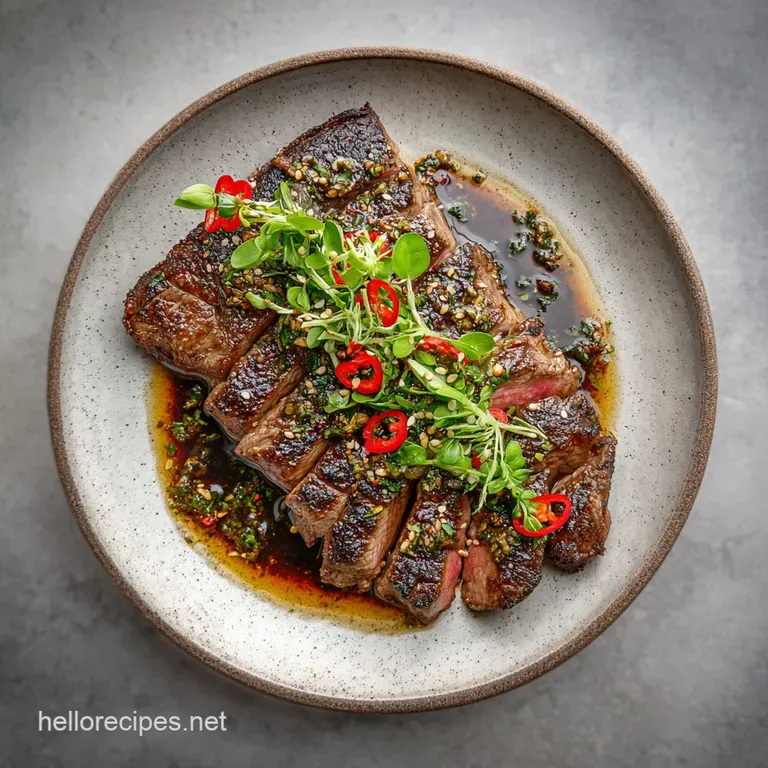
- Time: Active 10 minutes, Passive 30 minutes, Total 40 minutes
- Flavor/Texture Hook: Velvety, umami rich crust with a tender, juicy interior
- Perfect for: over High heat grilling, cast iron searing, or weekend meal prep
- Mastering the Best Steak Marinade
- Key Technical Recipe Specifications
- Selecting Your Flavor Components
- Essential Gear for Searing
- The Complete Technical Walkthrough
- Expert Beef Selection Guidelines
- Solving Common Texture Issues
- Sustainable Dietary Recipe Variations
- Storage and Waste Reduction
- Innovative Pairing and Serving
- Recipe FAQs
- 📝 Recipe Card
Mastering the Best Steak Marinade
Imagine the sharp, nose tingling punch of balsamic vinegar swirling into the dark, salty depths of soy sauce. As you whisk in the honey, a subtle floral sweetness rises to meet the pungent, earthy aroma of freshly smashed garlic.
The moment this liquid gold hits the meat, it starts its silent work, prepping every fiber for the high velocity heat of the pan. There is a specific kind of magic that happens when you drop a marinated steak onto a screaming hot cast iron surface the immediate, aggressive hiss followed by a scent of caramelizing sugars and toasted oregano that fills the entire kitchen.
I remember the first time I actually understood the power of a proper acid to fat ratio. I used to think more vinegar meant more tender meat, but I ended up with a steak that tasted like a pickle and had the texture of wet paper. The secret was in the balsamic vinegar.
Unlike harsh white vinegars, balsamic brings a sophisticated sweetness and a lower pH that gently nudges the protein strands apart without destroying them. It’s an innovative approach to flavor that moves away from just masking the meat and instead focuses on enhancing the natural gastronomy of the beef.
When you pull that steak out of the marinade, it looks different darker, heavier, and ready to transform. We aren't just looking for flavor here; we are using technology and simple chemistry to ensure every bite has that velvety feel.
This isn't about hiding a cheap cut; it’s about taking a good piece of meat and giving it the tools to become extraordinary. Trust me, once you smell that honey and Worcestershire sauce hitting the heat, you’ll never go back to plain salt and pepper again.
Key Technical Recipe Specifications
Before we get our hands messy, we need to look at the hard data. This recipe is built on a specific balance of 10.8g of fat per serving, which is crucial for carrying those fat soluble aromatics like oregano and black pepper deep into the tissue.
We are working with a 2 lbs beef steak, which provides the ideal surface area to volume ratio for a 30 minute soak.
The Bridge Between Oil and Vinegar: The Dijon mustard acts as a stabilizer, binding the avocado oil and soy sauce into a thick, uniform liquid that clings to the meat instead of sliding off. This ensures every square millimeter of the steak is coated in the flavor enhancing acids and fats.
| Method | Time | Texture | Best For |
|---|---|---|---|
| Cast Iron | 30 minutes | Thick, dark crust | Thick ribeyes or strips |
| Outdoor Grill | 20 minutes | Charred, smoky edges | Flank or skirt steaks |
| Air Fryer | 15 minutes | Even browning | Steak bites or cubes |
| Reverse Sear | 60 minutes | Edge to edge pink | Thick cut filets |
Choosing your method depends entirely on the sensory experience you want to achieve. If you’re looking for that signature "shatter" of a crust, the cast iron is your best friend.
The avocado oil in the marinade has a very high smoke point, meaning you can push the temperature of your pan higher than you could with olive oil, leading to a much more innovative and professional sear.
Selecting Your Flavor Components
The choice of ingredients here is a deliberate move toward a more sustainable and flavor forward kitchen. I chose avocado oil specifically for its neutral profile and its ability to withstand 500°F (260°C) without breaking down into bitter compounds.
This allows the balsamic vinegar to shine. Balsamic is our hero here because its complex sugar structure aids in the Maillard reaction that wonderful chemical process that turns protein and sugar into a savory, brown crust.
| Ingredient | Science Role | Pro Secret |
|---|---|---|
| Balsamic Vinegar | Acid Catalyst | Breaks down tough collagen while adding complex sugars for browning. |
| Raw Honey | Glazing Agent | Lowers the caramelization temperature for a darker, richer exterior. |
| Dijon Mustard | Natural Stabilizer | Prevents the oil and vinegar from separating during the soak. |
| Avocado Oil | Heat Carrier | Protects the meat from sticking and conducts heat efficiently at high temps. |
Using reduced sodium soy sauce is a strategic move. It gives us that deep umami hit and the necessary salt for seasoning without overwhelming the palate or drawing out too much moisture from the meat prematurely. If you use full sodium soy, you risk a salt cured texture that can feel dry.
Essential Gear for Searing
To get the most out of this steak marinade, you need the right tools to handle the heat. A heavy bottomed skillet, preferably cast iron, is the gold standard because it retains heat like a battery.
When that cold steak hits the pan, a thin pan would lose its temperature instantly, resulting in a gray, boiled looking steak rather than a seared one.
- Mason Jar: The best tool for mixing. Shaking the ingredients creates a much more stable mixture than whisking ever could.
- Gallon Freezer Bag: This is actually a piece of culinary technology. By squeezing the air out, you force the marinade into every crevice of the meat.
- Paper Towels: Perhaps the most underrated tool. Moisture is the enemy of the sear. You must pat the steak bone dry.
- Instant Read Thermometer: Precision is the hallmark of modern gastronomy. Pull your steak at 130°F (54°C) for a perfect medium rare after resting.
The "massage" step in the instructions might seem like overkill, but it’s vital. You’re physically moving the crushed garlic and oregano against the fibers of the beef, ensuring the aromatics aren't just floating in the bag but are actually in contact with the protein.
The Complete Technical Walkthrough
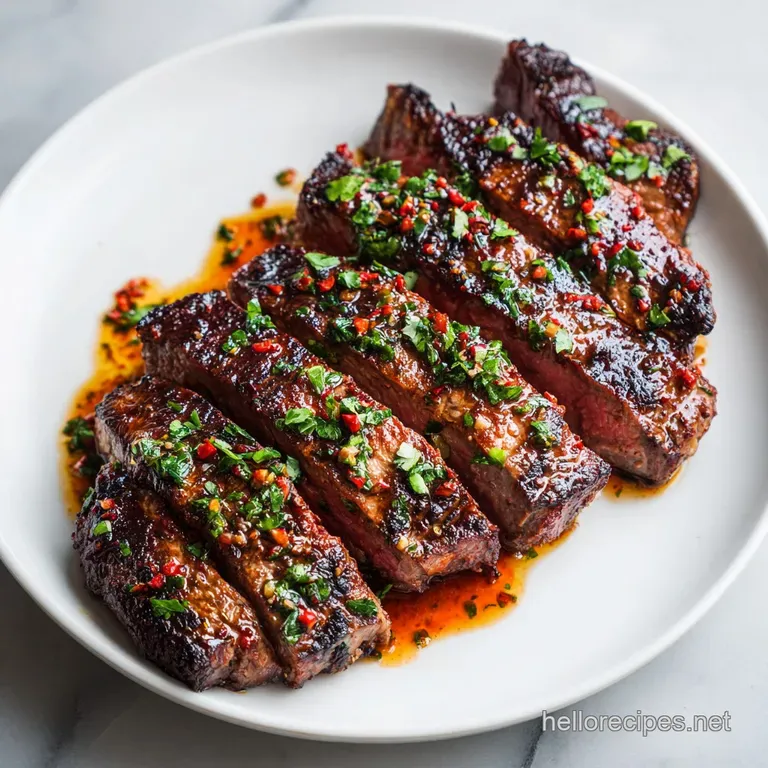
- Combine 1/2 cup reduced sodium soy sauce, 3 tbsp balsamic vinegar, 1 tbsp raw honey, and 1 tbsp Dijon mustard in a glass bowl. Note: Mixing the water based liquids first ensures the honey dissolves completely.
- Slowly stream in 1/4 cup avocado oil while whisking vigorously until the mixture looks thick and velvety.
- Add 2 tbsp Worcestershire sauce, 4 cloves of smashed garlic, 1 tsp cracked black pepper, and 1 tsp dried oregano. Note: Smashing the garlic instead of mincing releases more essential oils.
- Place 2 lbs of steak into a gallon sized freezer bag and pour the mixture over it.
- Squeeze out all the air and seal the bag tightly.
- Massage the bag for 60 seconds until you see the herbs evenly coating the beef.
- Marinate in the refrigerator for at least 30 minutes. Note: Don't exceed 8 hours or the balsamic will start to "cook" the meat fibers into mush.
- Remove the steak and use paper towels to pat the surface until it feels completely dry and tacky.
- Preheat your pan or grill to high heat until a drop of water dances and evaporates instantly.
- Sear the steak for 3-5 minutes per side until a deep, mahogany crust forms.
Chef's Tip: If you have an extra 10 minutes, freeze your cloves of garlic for a few minutes before smashing. This makes the cell walls more brittle, allowing for a more intense aromatic release when they hit the marinade.
Expert Beef Selection Guidelines
The cut of meat you choose will drastically change how the marinade interacts with the protein. For this specific recipe, I find that a New York Strip or a Ribeye works best because they have enough intramuscular fat to stay juicy while the marinade works on the exterior.
If you’re looking for a more innovative pairing, try this on a Flank steak. The long, coarse fibers of the flank are like straws that suck up the balsamic and soy, making it incredibly flavorful.
If you’re interested in exploring other flavor profiles, you might notice how this acidity differs from the Hawaiian Ribeye, which relies more on pineapple enzymes. While pineapple uses bromelain to break down meat, our balsamic uses acetic acid, which is much more predictable for shorter marinating times.
For those who love a lean cut like Sirloin, this marinade is a lifesaver. The honey and oil create a "pseudo fat" layer on the outside that prevents the lean meat from drying out under the intense heat of the grill.
Always look for "Choice" or "Prime" grades if your budget allows, as the marbling provides a built in safety net for tenderness.
Solving Common Texture Issues
The most common complaint with marinated steaks is that they don't get a good crust. This is almost always due to surface moisture. When water hits a hot pan, it turns to steam. Steam is 212°F (100°C), but for a proper sear, we need the pan to be at least 400°F (200°C).
If your steak is wet, you’re steaming it, not searing it.
Why Your Steak Looks Gray
If your steak comes out looking like a piece of boiled wool, the pan wasn't hot enough or the meat was too crowded. This prevents the Maillard reaction from occurring. The honey in our recipe is designed to help with this, but it can't overcome a cold pan.
| Problem | Root Cause | Solution |
|---|---|---|
| Mushy Texture | Marinated too long | Keep the soak under 8 hours to prevent acid damage. |
| Bitter Aftertaste | Burnt Garlic | Wipe off large chunks of garlic before searing the steak. |
| No Crust | Surface Moisture | Use at least 3 paper towels to pat the steak bone dry. |
Another issue people face is a "mealy" texture. This happens when the acid in the vinegar denatures the proteins too much. It’s essentially "ceviche ing" your steak. Stick to the 30 minute to 8 hour window for the best results.
Common Mistakes Checklist
- ✓ Pat the steak completely dry before it hits the pan to prevent steaming.
- ✓ Preheat your cast iron for at least 5 minutes on medium high.
- ✓ Don't move the steak for the first 2 minutes of searing.
- ✓ Let the meat rest for 5-10 minutes after cooking to redistribute juices.
- ✓ Use a high smoke point oil like avocado oil, not butter, for the initial sear.
Sustainable Dietary Recipe Variations
In modern gastronomy, we are always looking for ways to adapt recipes to be more sustainable or inclusive without sacrificing the sensory experience. If you are looking for a lower sodium option, you can swap the soy sauce for coconut aminos.
It has a similar umami profile but is naturally sweeter, so you may want to reduce the honey by half.
| Original Ingredient | Substitute | Why It Works |
|---|---|---|
| Soy Sauce | Coconut Aminos | Similar salty/umami base. Note: Sweeter and much lower in sodium. |
| Avocado Oil | Grapeseed Oil | Both have high smoke points and neutral flavors. |
| Raw Honey | Maple Syrup | Provides the same sugar for browning with a woodier flavor profile. |
For a Paleo or Whole30-friendly version, simply omit the Worcestershire sauce (which often contains sugar and gluten) and use coconut aminos and a splash of fish sauce for that fermented kick. This creates a really innovative flavor profile that feels lighter but still packs that umami punch.
If you’re wondering how this texture compares to other global styles, the crust on this steak is quite different from the Steak with Chimichurri, where the sauce is added after cooking. Here, the flavors are fused into the crust itself.
Storage and Waste Reduction
If you have leftover marinade that hasn't touched raw meat, you can simmer it in a small saucepan for 5 minutes to create a thick, syrupy glaze for roasted vegetables.
Never reuse marinade that has been in contact with raw beef unless you boil it vigorously for several minutes, though I generally recommend starting fresh for safety.
- Fridge: Cooked marinated steak will keep for 3-4 days in an airtight container.
- Freezer: You can actually freeze the steak in the marinade. It will marinate as it thaws, which is a great time saving technology for busy weeks. It stays good for up to 3 months.
- Zero Waste: Don't toss the garlic cloves after marinating! If you're roasting potatoes as a side, throw the marinated garlic in the pan with them for an incredible flavor boost.
When reheating, avoid the microwave. It will turn your velvety steak into a rubber tire. Instead, use a low oven (250°F/120°C) until the internal temperature reaches 110°F (43°C), then give it a 30 second flash sear in a hot pan to revive the crust.
Innovative Pairing and Serving
To truly appreciate the gastronomy of this dish, you need sides that can stand up to the bold balsamic and soy flavors. A crisp, acidic salad or roasted brassicas like charred broccoli work beautifully. The bitterness of the char on the vegetables complements the sweet salty crust of the beef perfectly.
- For a spicy kick
- Add a teaspoon of red pepper flakes to the marinade.
- For an herbaceous finish
- Top the hot steak with a pat of compound butter made with fresh rosemary and sea salt.
- For a Japanese inspired twist
- Swap the balsamic for unseasoned rice vinegar and add a teaspoon of toasted sesame oil.
The beauty of this steak marinade lies in its versatility. Whether you're doing a quick weeknight sear or a slow weekend grill session, the fundamentals remain the same: balance your acids, stabilize your fats, and always, always pat the meat dry.
This is how we bridge the gap between simple home cooking and professional level results. Now, get that pan screaming hot and enjoy the sizzle.
Recipe FAQs
What is the best steak marinade?
The best marinade balances salt, acid, fat, and aromatics. A blend of reduced sodium soy sauce, balsamic vinegar, avocado oil, and Dijon mustard creates a perfectly stable, velvety emulsion that penetrates the meat deeply.
How does Gordon Ramsay marinate a steak?
Ramsay typically focuses on simplicity rather than long term soaking. He often emphasizes the importance of seasoning the surface just before cooking to ensure a proper Maillard reaction, rather than submerging the meat for extended periods.
What seasoning does Ruth's Chris use on their steaks?
They rely on high heat searing and a simple finishing butter. While you can achieve professional flavor at home by patting your steak bone dry before searing, if you want to apply this crust building technique to other proteins, see how the same principle works in our fresh tuna steak recipe.
Is it true that I should marinate a high-quality ribeye for 24 hours?
No, this is a common misconception. Marinating a premium cut for too long causes the acid in the balsamic vinegar to break down the muscle fibers too much, resulting in a mushy texture; stick to the recommended 30 minutes to 8 hours.
What steak should not be marinated?
Avoid marinating high end cuts like prime filet mignon or dry-aged steaks. These expensive cuts have superior natural flavor and texture that can be masked or compromised by the liquid, so they are best served with just salt and freshly cracked black pepper.
How to ensure the marinade sticks to the steak?
Create a stable emulsion before adding the meat. Whisking the avocado oil slowly into the soy sauce, balsamic vinegar, and mustard creates a thicker mixture that coats the 2 lbs of steak evenly rather than sliding right off.
How to prevent the steak from burning during searing?
Pat the surface bone dry with paper towels before hitting the pan. Any residual moisture on the exterior will steam rather than sear, and any excess honey or balsamic glaze left on the surface can scorch quickly over high heat.
Umami Rich Steak Marinade
Ingredients:
Instructions:
Nutrition Facts:
| Calories | 218 kcal |
|---|---|
| Protein | 24.2 g |
| Fat | 10.8 g |
| Carbs | 2.1 g |
| Fiber | 0.1 g |
| Sugar | 1.4 g |
| Sodium | 315 mg |
