The Ultimate New England Pot of Gold Clam Chowder
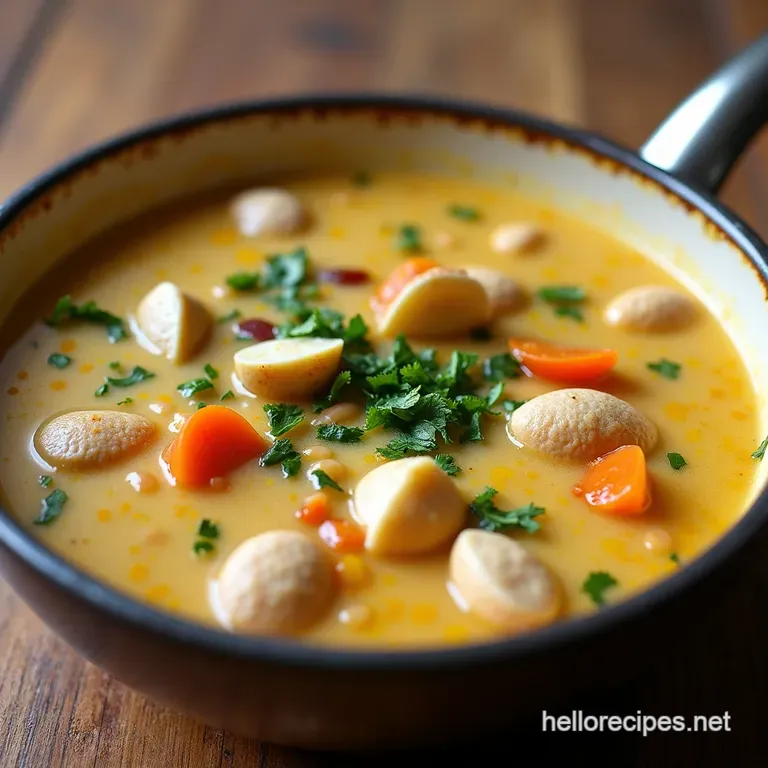
- Unveiling the Secret to Quintessential New England Comfort
- Why This Clam Chowder Recipe Rises Above the Rest
- Curating Your Chowder Components: The Essential Shopping List
- The Alchemy of Assembly: Step-by-Step Cooking Journey
- Elevating Your Bowl: Serving Suggestions and Enhancements
- Troubleshooting and Long-Term Storage Solutions
- Recipe FAQs
- 📝 Recipe Card
Unveiling the Secret to Quintessential New England Comfort
There is something inherently magical about a bowl of perfectly executed Clam Chowder . It’s more than just soup; it’s a culinary embrace, transporting you instantly to a rugged coastline, even if you’re miles from the nearest ocean.
When executed correctly, this dish specifically the rich, velvety White Clam Chowder style associated with New England should be thick enough to coat a spoon, brimming with tender morsels of seafood, and boasting a deep, savory base built upon rendered pork fat and sweet aromatics.
Making this from scratch might seem daunting, but I promise you, following this guide to creating the Best Clam Chowder Recipe will unlock a level of flavour that canned versions can only dream of achieving.
Why This Clam Chowder Recipe Rises Above the Rest
What separates a merely adequate soup from truly transcendent Homemade Clam Chowder Soup ? It comes down to technique and respecting the core ingredients. We are aiming for a medium difficulty masterpiece that delivers intense flavour in just over an hour of total time.
Setting the Bar: Defining True New England Style
When discussing this comforting classic, we must distinguish it clearly. True New England Clam Chowder Recipe means no tomatoes; it is defined by its creamy, milk or cream based broth.
Our approach focuses on achieving this rich body through mindful cooking rather than relying on heavy, flour laden sludge, resulting in a Creamy Clam Chowder Recipe that feels luxurious, not heavy.
Beyond the Can: Achieving Unmatched Velvety Texture
The secret to that coveted silky texture lies partly in managing the starch from the potatoes and partly in the careful introduction of dairy. We ensure a lump free finish by tempering the cream mixture before adding it back to the main pot.
This tempering prevents the temperature shock that can cause dairy proteins to seize up, ensuring every spoonful is smooth bliss. This method ensures we produce a Simple Clam Chowder Recipe that tastes complex.
A Culinary Promise: Warmth in Every Spoonful
This recipe promises a deeply satisfying experience. Utilizing high-quality Clam Chowder Ingredients , including fresh thyme and quality clam juice, transforms simple components into something extraordinary.
We aim for Fresh Clam Chowder Recipe quality, even when relying on canned clams for convenience, making this a dependable option any night of the week.
Curating Your Chowder Components: The Essential Shopping List

Before diving into the heat, a successful chowder begins at the grocery store. Gathering your supplies thoughtfully ensures you have everything needed for a seamless cooking journey. Remember, the quality of your foundational elements dictates the final flavour profile of your Clam Chowder .
Sourcing Superior Seafood and Produce for Depth of Flavor
Our flavour foundation begins long before the clams hit the pot. We are looking for robust, savory depth.
The Foundation: Smoked Pork Belly vs. Traditional Salt Pork
The flavour bedrock of this chowder is the rendered fat. While traditionalists swear by salt pork, thick cut bacon serves beautifully as an accessible substitute, lending a welcome smoky element.
Dice 4 oz (115 g) small, as rendering this fat slowly is paramount to extracting every bit of savoury essence needed for the entire dish.
Selecting Premium Clams and Preserving Their Liquor
While some recipes call for fresh shucked clams, utilizing two 6.5 oz cans of shucked clams (drained, but reserve that precious liquor!) is highly effective for this version. If you opt for fresh, ensure you have at least 1.5 lbs, and rigorously save every drop of the natural juices released during cleaning or steaming that liquid is liquid gold for intensifying the seafood notes.
The Aromatic Trinity: Mirepoix Essentials
Finely dicing one large yellow onion and two ribs of celery ensures they melt seamlessly into the background, lending their sweetness without providing distracting chunks. Complementing this, three sprigs of fresh thyme and one bay leaf will weave a subtle, earthy herbaceous thread throughout the broth.
Tools of the Trade: Essential Cookware for Perfect Consistency
A heavy bottomed Dutch oven is non-negotiable here. Its thickness promotes even heat distribution, which is vital for smoothly building the roux and simmering the potatoes without scorching the bottom of the pot, directly impacting the final consistency of your Clam Chowder .
Related Recipes Worth Trying
- The Definitive Homemade New England Clam Chowder Recipe — Tired of thin soup This recipe delivers truly authentic rich and creamy New England Clam Chowder perfectly thick and packed with flavour Get the Best...
The Alchemy of Assembly: step-by-step Cooking Journey
The process moves from rendering fat to creating a fragrant base, then slowly building the broth. Pay close attention during the initial stages, as this dictates the final richness.
Rendering the Fat and Building the Flavor Base
Start by placing your diced salt pork or bacon into the cold Dutch oven. Heat slowly over medium heat until the fat is fully rendered and the pork bits are crispy. Use a slotted spoon to remove these flavour bombs set them aside for garnish. You want a generous pool of shimmering fat remaining.
Into this fat go the diced onion and celery. Sweat these aromatics gently for about eight minutes until they are translucent and soft, absorbing all that pork flavour without taking on any colour.
Simmering Secrets: Cooking the Potatoes to Perfection
Next, we introduce the thickening agent before the liquid. Whisk in 4 tablespoons of unsalted butter until melted, then rapidly whisk in 1/4 cup of all-purpose flour to create a smooth roux paste. Cook this for a minute until it smells slightly nutty. If using wine, deglaze the pan now.
Following that, slowly whisk in 2 cups of clam juice and 1 cup of stock until smooth. Add your thyme bundle and bay leaf. Once simmering, introduce 1.5 lbs of uniformly diced Russet potatoes. Simmer these gently until they become perfectly fork tender this usually takes 15 to 20 minutes.
The Final Marriage: Incorporating Dairy and Tender Clams
Once the potatoes are soft, retrieve and discard the bay leaf and thyme bundle. Now comes the crucial part for achieving that silky mouthfeel. In a separate bowl, combine 1 cup of heavy cream and 1/2 cup of whole milk. Temper this mixture by slowly whisking in about a cup of the hot chowder broth.
Only once it’s fully incorporated and warmed should you pour this tempered dairy mixture back into the main pot while stirring constantly. Reduce the heat to low. Gently fold in the drained canned clams and any reserved clam liquid. Season well with pepper; add salt judiciously at this stage.
Heat through gently for just three to five minutes; remember, never boil after adding the cream.
The Crucial Rest Period for Optimal Clam Chowder Integration
Resist the urge to serve immediately! Remove the pot from the heat entirely and let your Clam Chowder rest for ten minutes. This resting time allows the starches, fats, and liquids to fully integrate, deepening the flavour profile and ensuring the texture sets perfectly before ladling.
Elevating Your Bowl: Serving Suggestions and Enhancements
Serving this chowder is almost as rewarding as making it. Presentation elevates this simple soup into a memorable meal.
Perfect Pairings: Crusty Bread and Crisp Garnishes
The absolute necessity for any great Clam Chowder Bread Bowl experience is something to soak up the rich broth. Serve alongside thick slices of crusty sourdough bread or, for the classic experience, a generous scattering of oyster crackers.
Don’t forget the finishing touches: sprinkle the reserved crispy pork bits back over the top, along with a flourish of freshly chopped parsley for colour and freshness.
Creative Twists: Infusing Regional Flavors into Your Recipe
While deeply rooted in New England tradition, feel free to experiment. Adding 1/2 teaspoon of smoked paprika during the sauté phase provides a beautiful depth if you used bacon instead of salt pork.
For a richer seafood experience, consider substituting half the cream with evaporated milk for a slightly different, yet still luxurious, consistency.
Troubleshooting and Long Term Storage Solutions
Even the most experienced cooks can face minor hurdles. Knowing how to adjust on the fly or store leftovers properly ensures your success continues beyond the first serving.
Avoiding the Scourge of Grainy Chowder: Heat Management Tips
The number one enemy of smooth Creamy Clam Chowder Recipe is high heat once the dairy is added. If your chowder begins to look separated or grainy, immediately remove it from the heat and whisk vigorously while adding a tablespoon of cold milk or cream.
Usually, this simple shock can coax the emulsion back together.
Fridge Life and Freezing Finesse for Leftover Chowder
Leftovers are a treasure! Stored in an airtight container in the refrigerator, this chowder will hold its superb flavour for up to four days. However, freezing is slightly riskier due to the high dairy content; freezing and thawing can sometimes cause separation.
If you do freeze, thaw slowly in the refrigerator overnight, and reheat very gently on the stovetop, stirring often.
The Potato Power Move: Natural Thickening Insurance
If, despite your best efforts, the chowder seems too thin after the final simmer, employ the "Potato Power Move." Take your spoon and firmly mash 3 or 4 of the cooked potato chunks against the side of the pot.
Their released starch acts as a natural thickener, seamlessly integrating into the broth to provide that signature dense texture required for a proper Clam Chowder .

Recipe FAQs
Why is my Clam Chowder splitting or tasting grainy after I added the cream?
That's usually because the chowder has boiled after the dairy went in it’s a right nuisance! Once you add the heavy cream and milk, you must keep the heat very low, just enough to warm it through. High heat causes the fats and proteins in the dairy to separate, leading to that unpleasant, grainy texture.
Can I make this New England Clam Chowder ahead of time, and how should I store leftovers?
Absolutely, clam chowder often tastes even better the next day once the flavours have really melded together. Store it in an airtight container in the fridge for up to three days; it freezes quite well too, though some texture loss can occur upon thawing.
When reheating, do so slowly on the stovetop, ensuring it never reaches a rolling boil.
My potatoes look cooked, but the chowder still isn't thick enough what's the trick?
If your roux didn't do the heavy lifting, don't panic! The best traditional trick is to take a few of those cooked potato chunks, mash them against the side of the pot with a sturdy spoon, and stir them back in.
Their starch will thicken the soup naturally, giving you that desirable, velvety consistency without extra flour.
I can't find salt pork; what's the best substitute for the base flavour in this Clam Chowder?
Salt pork provides a specific, slightly salty, pure fat flavour that’s traditional, but thick cut, unsmoked bacon is a brilliant stand-in; just render it slowly like the recipe states.
If you need to avoid pork entirely, use a good quality olive oil for sautéing, and perhaps add half a teaspoon of smoked paprika with your vegetables for a touch of depth.
What is the proper way to serve this rich chowder to balance out all that creaminess?
Keep it traditional! This chowder begs for a handful of crunchy oyster crackers crumbled right on top, or a slab of good, crusty sourdough bread for dipping you want something sturdy to soak up the broth. A light sprinkle of fresh parsley adds a much needed pop of colour and freshness against the rich white base.
Ultimate New England Clam Chowder

Ingredients:
Instructions:
Nutrition Facts:
| Calories | 450 kcal |
|---|---|
| Fat | 25g |
| Fiber | 3g |
