Prime Rib Recipe: Herb Crusted Medium Rare Roast
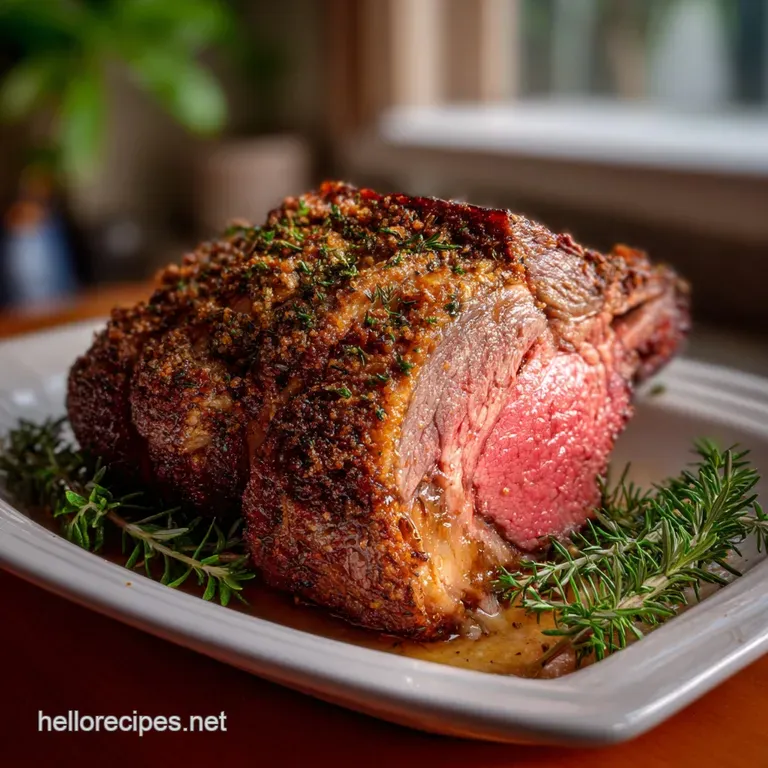
- The Ultimate Dry-Brined Prime Rib Recipe with Herb Crust
- The Science Behind the Perfect Prime Rib Roast
- Essential Ingredients and Component Prep
- How to Cook Prime Rib: Step-by-Step Guide
- Troubleshooting and Expert Tips for Success
- Storing, Reheating, and Using Leftover Prime Rib
- Perfect Pairings: What to Serve with Prime Rib
- Recipe FAQs
- 📝 Recipe Card
The Ultimate Dry-Brined Prime Rib Recipe with Herb Crust
Okay, friend, let's be real. When that first glorious cloud of buttery, garlicky rosemary smoke hits your nose, you know you’re moments away from magic. Forget everything you heard about complicated oven timing; I’m handing you the foolproof, edge-to-edge medium rare Prime Rib Recipe that actually works.
This isn't just a holiday meal; it's a centerpiece, and you deserve a method that guarantees perfection without the stress.
People think mastering the Prime Rib Recipe requires black magic or a professional kitchen, but they are wrong. The secret is counter intuitive: we cook it low and slow after a brief, screaming hot initial blast.
This two-step process, combined with a crucial dry-brine, means you get a shatteringly crisp exterior and a velvety pink center, every single time. Get ready to impress everyone, because this is the last Prime Rib Recipe you'll ever need.
The Science Behind the Perfect Prime Rib Roast
This isn't just about throwing meat in the oven; it's a system. When you understand why you are doing something, you stop making common mistakes. We’re aiming for the Perfect Prime Rib Roast —meaning zero gray, dry edges.
What Size Roast to Buy (Bone-in vs. Boneless)
I am always team Bone-In. Why? The bones provide insulation, acting like a shield against the intense heat, resulting in a juicier roast. Make sure your butcher has "chined" the roast this means they have cut the meat away from the bones but tied them back on.
This makes carving much easier later, but you still get all that delicious bone insulation goodness.
Understanding the Dry Brine Technique
Forget the wet brine; we’re dry-brining. You rub the whole roast down with coarse Kosher salt (I use about ¼ cup per 6 7 lbs) and let it sit uncovered in the fridge for 24 to 48 hours. The salt initially draws moisture out (it looks wet).
But then, the salt dissolves into that moisture, creating a super concentrated natural brine. The meat re-absorbs this liquid slowly, seasoning the beef deep into the core. Plus, leaving it uncovered dries the surface, which is absolutely essential for achieving a crisp crust.
Achieving the Herb Crust and Perfect Sear
The fat layer is where flavor lives! Slathering the beef with softened butter, garlic, and herbs (my secret for the best Herb Crusted Prime Rib ) not only flavors the meat deeply but also aids the Maillard reaction.
We hit the roast with 450°F (230°C) for 15- 20 minutes initially. This high heat is your sear, setting the butter/herb mixture into a gorgeous, golden brown crust.
The Role of Resting and Reverse Searing
We are using a modified reverse sear concept. By blasting it hot first, then dropping the temp down to 250°F (120°C), we ensure the cooking progresses gently and slowly from edge to center. This is what prevents that ugly, dry gray band.
Why over High heat Initial Roasting is Crucial
That initial over high heat blast immediately creates the gorgeous, textural crust. Then, we reduce the oven temperature drastically. Why? Because you want the middle of your roast to cook gently, reaching your desired temperature without burning the herbs on the outside.
Temperature Chart: Doneness Levels for Prime Rib
| Desired Doneness | Pull from Oven Temp (Internal) | Final Temp After Rest (Internal) | Texture Cue |
|---|---|---|---|
| Rare | 115°F (46°C) | 120 125°F (49 52°C) | Cool red center |
| Medium Rare | 120 122°F (49 50° C) | 128 132°F (53 55° C) | Warm, rosy red center (The goal!) |
| Medium | 130°F (54°C) | 135 140°F (57 60°C) | Pink center, slightly less juicy |
Essential Ingredients and Component Prep
Remember, quality ingredients shine here. This Prime Rib Recipe only has a few components, so make them count.
Preparing the Dry Brine Mixture
Use only coarse kosher salt. Iodized salt can leave a metallic taste, and fine salt dissolves too quickly and risks oversalt concentration. We want uniform coverage for the best Dry Brined Prime Rib Recipe .
Creating the Aromatic Herb Butter Paste
Make sure your butter is truly soft like thick cold cream. If it’s too hard, you’ll tear the muscle fibers when rubbing it in. Fresh herbs (rosemary and thyme) are non-negotiable for that incredible aroma.
Ingredient Substitutions for Prime Rib Rub
| Ingredient Used | Why It Matters | Smart Swap/Alternative |
|---|---|---|
| Kosher Salt | Coarse texture, slow absorption. | Coarse Sea Salt (use slightly less, as it's saltier). |
| Fresh Rosemary/Thyme | Pungent, classic roast flavor. | Dried Herbs (use 1/3 the amount) OR Dried Italian Blend. |
| Unsalted Butter | Fat carrier for crust formation. | Clarified Butter (Ghee) or a over high heat neutral oil (like Canola). |
| Fresh Garlic | Aromatic depth. | Garlic Powder (use 2 tsp) for a more uniform distribution. |
How to Cook Prime Rib: step-by-step Guide
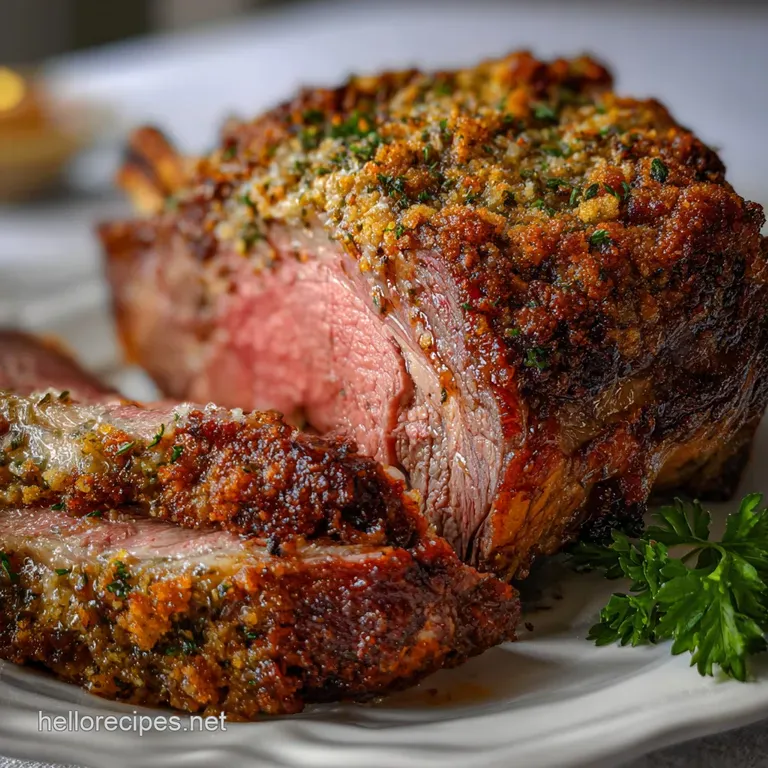
Stick to the times and, more importantly, the temperatures. A thermometer is your best friend in executing this Medium Rare Prime Rib Recipe .
Step 1: Dry Brine and Room Temperature Prep
- Pat and Salt (24 48 Hours Ahead): Pat the entire 6.6 lb roast completely dry using paper towels. Rub the coarse salt generously and evenly over all surfaces. Place it uncovered on a rack inside a roasting pan in the fridge.
- Temper (2 3 Hours Ahead): Remove the roast from the fridge 2– 3 hours before cooking. Wipe off any obvious moisture (but do NOT rinse the salt!). Letting it sit at room temperature ensures it cooks evenly from edge to edge.
Step 2: Applying the Herb Crust and Initial over High heat Roast
- Crust Prep: Mix your softened butter, minced garlic, pepper, rosemary, and thyme into a uniform paste.
- Apply and Preheat: Rub the herb butter mixture absolutely everywhere on the beef. Preheat your oven to 450°F (230°C).
- Initial Sear: Place the roast, fat-side up, on the rack. Roast at 450°F (230°C) for 15 minutes. Watch the exterior you should see the fat rendering and the crust turning golden brown.
Step 3: Low-Temperature Finishing and Monitoring Internal Temp
- Drastic Drop: Immediately reduce the oven temperature to 250°F (120°C). Do NOT open the door, and do NOT remove the roast.
- Insert Thermometer: Insert a reliable probe thermometer into the thickest part of the roast, avoiding bone.
- Wait: Continue roasting until the internal temperature hits 120 122°F (49 50°C). This can take 2– 4 hours, depending on your oven and roast size.
Step 4: The Mandatory Rest and Carving
- The Critical Rest: THIS IS THE MOST IMPORTANT STEP. When the roast hits 122°F, immediately remove it and transfer it to a clean cutting board. Tent it loosely with foil. Let it rest, undisturbed, for 30– 45 minutes. The internal temperature will coast up to the perfect medium rare (130 132°F).
- Carve: Remove the butcher's twine. Slice the bones off the roast (save them for stock!). Slice the meat against the grain into thick steaks and serve immediately. This beautiful Prime Rib Recipe is perfect when served alongside my creamy [Au Gratin Potatoes Recipe: Velvety Cheddar Gruyère Bake].
Troubleshooting and Expert Tips for Success
We’ve all messed up a big roast. Here are the things that prevent catastrophe when making this Prime Rib Recipe Oven style.
| The Pitfall (Mistake) | Why It Happens | The Fix (Expert Tip) |
|---|---|---|
| The Gray Band | The meat cooks too fast or too hot, squeezing all the moisture out of the edges. | Use the two-stage temperature method (450°F blast, then 250°F finish) and always temper the roast at room temperature first. |
| Soggy Crust | The roast is sitting in rendered fat, causing the bottom to steam instead of crisping. | Always use a proper V-rack or roasting rack to elevate the roast 1 2 inches above the pan bottom. |
| Juice Running Out | The roast was sliced too soon. | You MUST rest the roast for a minimum of 30 minutes. Use that time to make your Prime Rib Recipe Au Jus from the pan drippings. |
Avoiding the Gray Band (Ensuring Edge-to-Edge Medium Rare)
The gray band happens when the heat penetrates too quickly and aggressively. Our low and slow approach after the initial sear is the key to achieving that uniform pink color right to the edges. Think of it like a gentle hug, not a searing interrogation.
Why You Must Use a Reliable Meat Thermometer
Seriously, ditch the "poke test" or the "timing method." This expensive piece of meat deserves accuracy. A calibrated, leave-in probe thermometer is the only way to execute this Prime Rib Recipe .
Pulling the roast at the right temperature (122°F) is the difference between perfection and disappointment.
Storing, Reheating, and Using Leftover Prime Rib
If you miraculously have leftovers from this Perfect Prime Rib Roast , handle them with care!
Safe Storage Guidelines for Cooked Prime Rib
Slice any remaining roast before storing. Place the slices in an airtight container with any pan drippings or Au Jus you created. This added moisture is crucial. It will keep safely in the refrigerator for 3 4 days.
Best Method for Reheating Prime Rib Without Drying It Out
Never microwave it! You’ll turn that beautiful medium rare into rubber.
- Slice First: Slice the prime rib into desired portions (about ½ inch thick).
- Au Jus Bath: Place the slices into a baking dish and cover them generously with reserved Au Jus or high-quality beef stock.
- Gentle Heat: Cover the dish tightly with foil and heat in a low oven (250°F / 120°C) for 10– 15 minutes, or until just warmed through.
Creative Leftover Prime Rib Recipe Ideas
Leftovers are amazing for gourmet sandwiches (Philly Cheesesteak style), beef stroganoff, or throwing into a hearty broth for a quick French Onion soup variation.
Perfect Pairings: What to Serve with Prime Rib
This roast demands classic, robust sides.
Classic Side Dishes (Yorkshire Pudding and Creamed Horseradish)
You simply cannot serve a proper Prime Rib Recipe without the right accompaniments. The crispy fat needs the slight bite of horseradish sauce. And trust me, you have to make my [Yorkshire Pudding Recipe: Classic High Rise Puddings]. They catch the Au Jus beautifully!
Making Au Jus from Roasting Drippings
The pan drippings are liquid gold. Skim off excess fat, deglaze the pan with red wine or beef stock, and simmer until slightly reduced. Season with salt and pepper. That's your quick, essential Prime Rib Recipe Au Jus .
Recipe FAQs
Why is dry-brining essential for achieving the "ultimate" prime rib?
Dry-brining involves applying salt directly to the roast 24 to 72 hours prior to cooking. This technique initially draws moisture out, which then dissolves the salt, creating a concentrated brine that is reabsorbed by the muscle fibers.
This process ensures deep seasoning and exceptional moisture retention, leading to the ultimate juicy interior.
What is the target internal temperature for perfect medium rare prime rib?
For perfect medium rare results, you should remove the prime rib from the oven when its internal temperature reaches 120°F to 125°F. It is crucial to account for carry over cooking, as the temperature will rise significantly during the resting period, usually by 5 10 degrees, bringing it up to the desired 130°F to 135°F range.
How do I ensure my herb crust doesn't burn before the roast is done?
If the crust begins to brown too quickly, especially during the final high heat searing stage, you must monitor it carefully. If necessary, you can loosely tent the prime rib with a sheet of aluminum foil. This protects the aromatic herb crust from burning while allowing the interior of the roast to finish cooking.
How long should I let the prime rib rest after roasting, and why is this step critical?
Resting is non-negotiable; allow the roast to rest, tented loosely with foil, for 20 to 30 minutes, depending on the size. This downtime allows the tense muscle fibers to relax and reabsorb the flavorful internal juices, preventing them from spilling out when you slice the roast.
Should I choose a bone-in or boneless roast for this dry-brining technique?
Either bone-in or boneless will work well with dry-brining, but bone-in roasts often provide better insulation during cooking, which helps maintain moisture. If you choose bone-in, plan on about one pound per person; for boneless, aim for slightly less, around three quarters of a pound per person.
What is the best way to store and reheat leftover prime rib without drying it out?
Store leftovers tightly wrapped in the refrigerator for up to three days. To reheat, slice the roast and place the slices in a baking dish with a small amount of beef stock, then warm them very slowly in a 250°F oven until just heated through. Avoid microwaving, which dramatically dries out the meat.
Why does this recipe use a slow roast then sear method, rather than high heat the whole time?
Roasting at a low temperature first (the reverse sear) allows the internal meat to cook evenly to the perfect medium rare from edge-to-edge. The final blast of high heat is then used only to rapidly crisp up the exterior herb crust, guaranteeing a perfect color and texture without overcooking the center.
Ultimate Dry Brined Prime Rib Recipe
Ingredients:
Instructions:
Nutrition Facts:
| Calories | 1894 kcal |
|---|---|
| Protein | 219.0 g |
| Fat | 105.6 g |
| Carbs | 14.3 g |
