The Ultimate Creamy Corn Chicken Chowder a Proper Comfort Bowl
- Moving Beyond Basic Soup: Why This Chowder is a Complete Meal
- Essential Pantry Staples for the Perfect Chowder Base
- Sourcing Your Ingredients and Necessary Equipment
- Step-by-Step Guide to Crafting the Ultimate Corn Chicken Chowder
- Mastering Your Meal Prep: Storage, Freezing, and Reheating Pointers
- Nutritional Snapshot and Expert Tips for Perfection
- Recipe FAQs
- 📝 Recipe Card
Moving Beyond Basic Soup: Why This Chowder is a Complete Meal
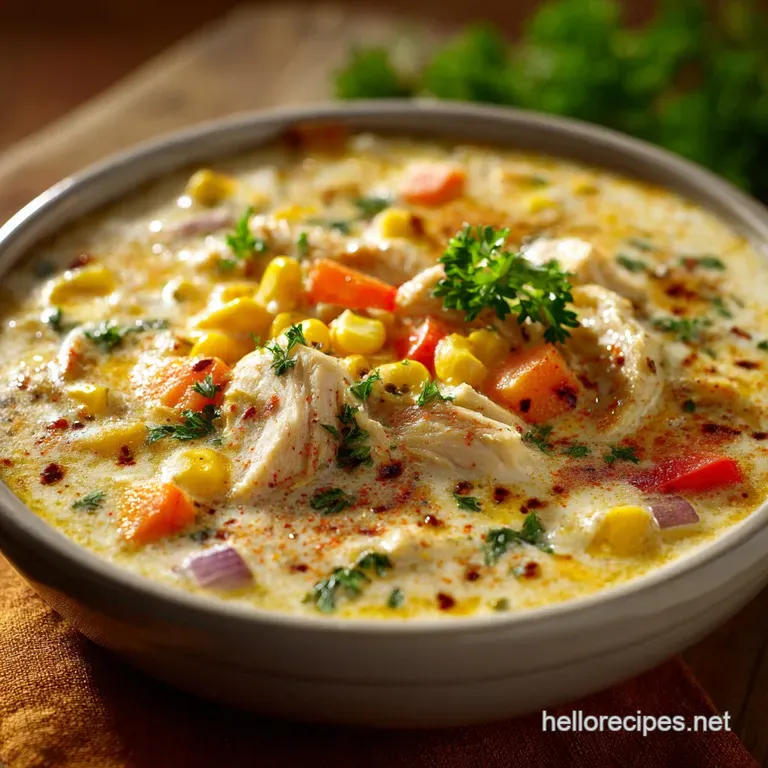
There is a fundamental difference between a soup and a chowder, and once you understand that distinction, you understand why this dish feels so comforting. A soup is light, often clear, and designed to warm you up; a chowder, however, is a meal .
It is thick, substantial, and demands that you use a spoon, not for elegant sipping, but for serious digging.
This recipe leans heavily into that heartiness. We are layering flavor into a creamy, dense texture that allows the sweet corn, the savory chicken, and the soft potatoes to all shine without getting lost in a thin broth. It's the kind of dish that makes you slow down and savor the cold weather outside.
The Secret to Achieving True Chowder Consistency
The luxurious, velvety texture that defines a great chowder isn't just luck it’s a carefully balanced act between two key components. First, we rely on a traditional roux (a mixture of fat and flour) early in the cooking process to provide the initial scaffolding.
This ensures the liquids thicken beautifully and evenly.
The second secret lies in the potatoes. When you simmer potatoes like Yukon Golds, their starches slowly release into the broth. As they soften and begin to break down, that released starch naturally enhances the thickening power of the chowder, giving it that characteristic dense, spoon coating quality without making it feel gluey or artificial.
Tracing the Roots of Our Creamy Corn Chicken Chowder
When most people think of chowder, they picture the classic New England clam version. While we respect that tradition deeply, this Corn Chicken Chowder is a beautiful marriage of culinary heritage.
It takes the creamy foundation of the coast and blends it with the resourceful, flavorful comfort of the American Midwest and South.
The use of chicken makes it accessible and satisfying, while the addition of sweet corn elevates it beyond winter comfort food, bringing in a bright, summery element. It's a dish that truly belongs on the table any time of year, offering a complex blend of dairy richness, earthy vegetables, and sweet bursts of corn.
Elevating the Flavor Profile: Adding That Smoky Depth
A rich, creamy chowder, if not carefully built, can sometimes taste flat. To prevent this, we introduce a subtle, savory element that stands up to the richness of the dairy. Since we aren't using clams or bacon in this primary version, we rely on smoked paprika.
Adding smoked paprika right into the roux not only colors the base beautifully but activates those warm, woodsy notes immediately. This simple spice adds a crucial layer of umami and depth that plays beautifully against the inherent sweetness of the corn, giving the final bowl a sophisticated complexity.
Essential Pantry Staples for the Perfect Chowder Base
Any great soup or stew starts with the building blocks, and for this chowder, we borrow heavily from the French mirepoix tradition. Diced yellow onion and celery are sautéed in butter until they are completely translucent and soft.
This process sweetens the vegetables and releases their essential oils, creating a baseline of savory flavor upon which the entire dish rests.
Don't rush this step; the gentle cooking of the aromatics is crucial for a smooth final product. We follow this with garlic and dried thyme, which need only a minute in the warm fat to bloom, releasing their powerful scent and preparing the pot for the flour thickener.
This measured approach ensures every spoonful tastes intentional, not hurried.
Sourcing Your Ingredients and Necessary Equipment
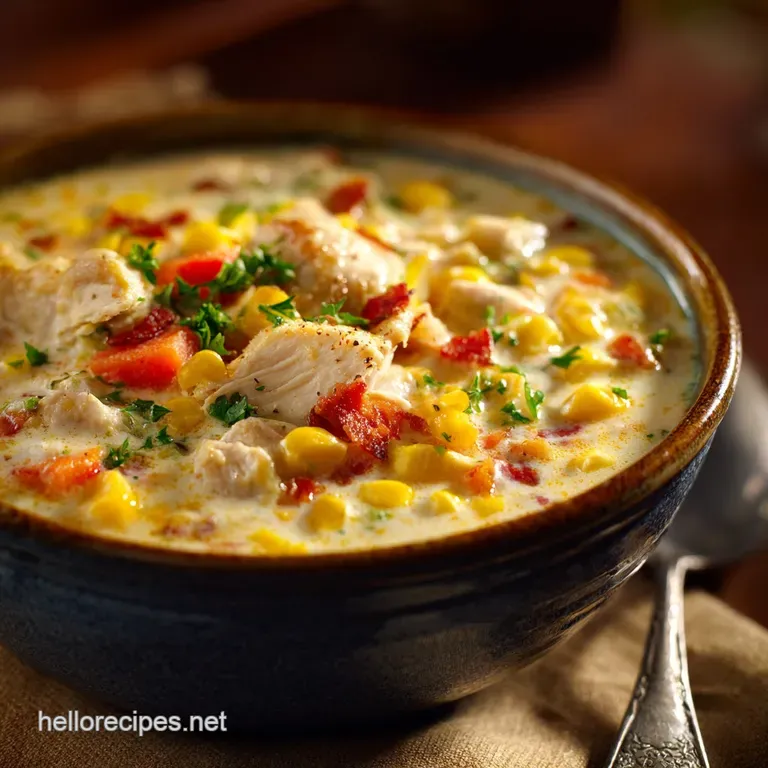
I always encourage home cooks to use the best ingredients they can manage, not necessarily the most expensive, but the ones that will truly shine. This is especially true for the two heroes of this recipe: the chicken and the corn.
Choosing the Right Cut of Chicken and Potatoes for Slow Simmering
For the chicken, I prefer using pre-cooked, shredded meat, either from a rotisserie bird or thighs I’ve poached gently. Thighs are fantastic here because their higher fat content keeps them moist and tender even after simmering, resisting the dry texture that sometimes happens with lean breast meat.
Regarding the potatoes, look for waxy varieties like Yukon Gold or Maris Piper. These hold their shape far better than starchy Russets. If you use a starchy potato, make sure your dice is large and avoid over stirring, as they will turn to mush quickly and create an overly dense chowder.
Fresh vs. Frozen Corn: Maximizing Sweetness
While fresh corn cut right off the cob in late summer is always unbeatable, I actually prefer using high-quality frozen sweet corn during the off-season. It is usually flash frozen immediately after harvest, locking in peak sweetness.
There’s no need to thaw it before tossing it into the simmering pot; the heat will handle that instantly.
If you want to add an extra layer of depth, take half a cup of your corn and char it slightly in a dry skillet before adding it to the chowder. That bit of smokiness and caramelization adds incredible complexity.
The Larders Checklist: Everything You Need to Start Cooking
Before you even turn on the stove, having all your ingredients measured and prepped (mise en place) is the secret to a smooth cooking experience.
- Cooked chicken, shredded
- Evenly diced Yukon Gold potatoes
- Onion, celery, and garlic, finely chopped
- A good quality chicken stock
- Flour, butter, and the all-important smoked paprika
The Cast Iron Conundrum: Pot Size Matters
You need a pot that can handle the volume without scorching the base. For a recipe serving six, a 6-quart (5.7-liter) Dutch oven is the ideal tool. Its heavy cast iron bottom distributes heat incredibly evenly, which is critical when cooking dairy and starches.
The last thing you want is the bottom layer thickening too quickly and sticking, leading to a burnt taste that permeates the entire dish. If you don't have a Dutch oven, use the heaviest bottomed soup pot you own.
Related Recipes Worth Trying
- Foolproof Creamy Cheesy Spinach Stuffed Chicken Breast Recipe — This Cheesy Spinach Stuffed Chicken Breast is a weeknight triumph Learn the crucial step for a rich creamy filling that stays put plus tips for a beautiful...
- Creamy Ranch Chicken Spaghetti Casserole The Ultimate Easy Family Supper — This truly savory Easy Family Dinner Recipe elevates Ranch Chicken Spaghetti Velvety cheesy sauce meets a crunchy panko crust Spoton comfort food
- The Zesty Green Goddess Creamy Avocado Chicken Salad No Mayo — This Healthy Chicken Avocado Salad swaps heavy mayo for creamy vibrant avocado and lime Quick to mix up and packed with fresh herbs and crunch A brilliant...
step-by-step Guide to Crafting the Ultimate Corn Chicken Chowder
Phase One: Building the Aromatics Base
Start by melting the butter in your heavy pot over medium heat. When it shimmers, add the diced onion and celery. We are aiming for softness here, not color, so keep the heat moderate. After about seven minutes, when the vegetables are translucent, stir in the minced garlic, the smoked paprika, and the dried thyme.
Cook this mixture gently for just one minute until the air smells rich and fragrant. This blooming process extracts maximum flavor from the dried spices.
Phase Two: Creating the Roux for a Velvety Texture
Sprinkle the flour directly over your cooked vegetables. Using your wooden spoon, stir vigorously to incorporate the flour fully with the fat. You should have a thick, paste like mixture this is your roux. Cook this for at least two full minutes, continuously stirring.
The goal is to cook out the raw flour taste, which will otherwise leave your chowder with a distracting chalkiness.
Phase Three: The Simmer: Combining Starches, Chicken, and Liquids
Begin adding the chicken stock very slowly, whisking constantly to ensure the roux dissolves without forming lumps. Once you have a smooth base, pour in the remaining stock. Increase the heat until the liquid reaches a simmer, then add the diced potatoes.
Reduce the heat back down and cover the pot, letting the potatoes simmer for about 15 to 20 minutes. They should be just tender when poked with a fork.
Phase Four: Finishing and Seasoning the Chowder
Once the potatoes are ready, stir in the pre-cooked chicken and the corn. Let this return to a gentle simmer for five minutes to ensure everything is heated through. This is the moment for the dairy. Reduce the heat to the absolute lowest setting before you incorporate the whole milk and the heavy cream.
Crucial Warning: Once the dairy is added, monitor the heat closely. Do not allow the chowder to return to a rolling boil. High heat can cause the milk proteins to separate and curdle, ruining your smooth texture. Gentle heating is key.
Stir the mixture gently for another five minutes. Finally, adjust the seasoning chowders usually require more salt than you think, especially after adding unseasoned dairy. Taste it carefully, adding salt and fresh black pepper until the flavors truly sing.
Remove it from the heat and let it sit for about ten minutes before serving; it will thicken slightly more as it rests.
Mastering Your Meal Prep: Storage, Freezing, and Reheating Pointers
This chowder makes incredible leftovers, but you have to handle it with care due to the cream and starch content. Once cooled, store the chowder in an airtight container in the refrigerator for up to three days. If you plan to freeze it, I highly recommend leaving out the cream and milk until you reheat the portion.
Dairy tends to separate and get grainy after being frozen and thawed.
If you must freeze the finished product, make sure the chowder is completely cool before sealing it, and freeze it in single serving portions. When reheating, thaw it in the fridge overnight and use the stovetop method listed below.
Nutritional Snapshot and Expert Tips for Perfection
I believe that true comfort food should nourish the soul as well as the body. While this is a hearty dish, its richness comes from real ingredients, not artificial thickeners.
Handling Leftovers: How to Store and Reheat Chowder Without Separation
To reheat, always use the stovetop over low heat. Avoid the microwave if possible, as it can heat unevenly and cause the dairy to split. When reheating any portion of chowder, stir in a splash of fresh milk or cream (1 to 2 tablespoons per bowl) to help bring back that smooth, creamy consistency.
Reheat slowly, stirring frequently until piping hot.
dairy-free Substitutions for Corn Chicken Chowder
If you need a dairy-free corn chicken chowder, don't worry you can still achieve that great thickness and body with a few simple swaps. You won't get the exact flavor profile of heavy cream, but the starch from the potatoes will still do heavy lifting.
| Original Ingredient | Recommended dairy-free Substitute | Flavor/Texture Note |
|---|---|---|
| Heavy Cream | Full fat Coconut Milk (from a can) | Adds richness; slight coconut flavor is neutralized by the paprika and corn. |
| Whole Milk | Unsweetened Oat Milk or Soy Milk | Provides necessary liquid without excessive thinning. |
| Butter (for roux) | Vegan Butter Sticks or Olive Oil | Maintain the 1:1 ratio with the flour. |
Quick Variations: Adding Heat or Herbs for a New Twist
Sometimes you want to shake things up, even with a perfect recipe. To add a quick, bright herbal twist, replace the dried thyme with fresh dill or tarragon, stirring it in during the last five minutes of cooking.
If you crave heat, stir in a quarter teaspoon of chipotle powder along with the smoked paprika, or finely dice a jalapeño and sauté it with the celery and onions.
Troubleshooting Common Chowder Mistakes
The two most common mistakes I see home cooks make are impatience with the roux and rushing the dairy addition. If your chowder has lumps, it means you added the stock too quickly before the flour could fully dissolve; simply pour the chowder through a sieve into a separate bowl, pressing down on the lumps, and return the liquid to the pot.
If your chowder curdles, it means the heat was too high after the cream was added. Unfortunately, there is no real fix for curdled chowder, so always remember: low and slow when working with milk!

Recipe FAQs
My Corn Chicken Chowder split when I added the cream! What did I do wrong and how do I fix it?
A curdled chowder is often down to overheating the dairy; the key is never to let the soup reach a rolling boil once the milk or cream is incorporated keep it on the lowest heat possible.
If it splits, sometimes stirring in a tablespoon of cornflour mixed with cold water can help re-emulsify the sauce, but prevention is always a better shout!
Can I make this proper comfort bowl the day before, and does it freeze well?
Absolutely, chowder tends to taste even better the next day once the flavours have had a good chance to marry; store it airtight in the fridge for up to four days. Freezing is possible, but beware that the potatoes and dairy may change texture upon thawing, often becoming a bit grainy it’s still edible but less silky smooth.
I want to cut back on the richness can I use half fat milk instead of double cream?
You can certainly skip the heavy cream (double cream) and use whole milk, or even evaporated milk, for a lighter dish, but avoid skimmed or half fat milk if possible, as the lack of fat makes the chowder far more likely to split when heated and you lose that lovely, velvety mouthfeel.
I’m out of chicken; what else can I use for the protein in this hearty Corn Chicken Chowder?
This recipe is wonderfully flexible! You could easily turn this into a speedy seafood chowder using firm white fish like cod or haddock, or keep it veggie by substituting the chicken with kidney beans, firm tofu, or a generous portion of sautéed mushrooms.
Do I have to use frozen corn, or is fresh corn a better choice for flavour?
While frozen corn is brilliantly convenient and works perfectly well, using fresh corn (especially late season sweetcorn) offers a superb burst of sweetness; for maximum flavour, roast half your corn slightly before adding it to the pot.
Ultimate Creamy Corn Chicken Chowder
Ingredients:
Instructions:
Nutrition Facts:
| Calories | 1576 kcal |
|---|---|
| Protein | 35.8 g |
| Fat | 35.2 g |
| Carbs | 34.0 g |
| Fiber | 7.1 g |
| Sugar | 0.5 g |
| Sodium | 338 mg |
