The Ruby Jewel Classic Ukrainian Borscht Hearty Beef Beet Soup
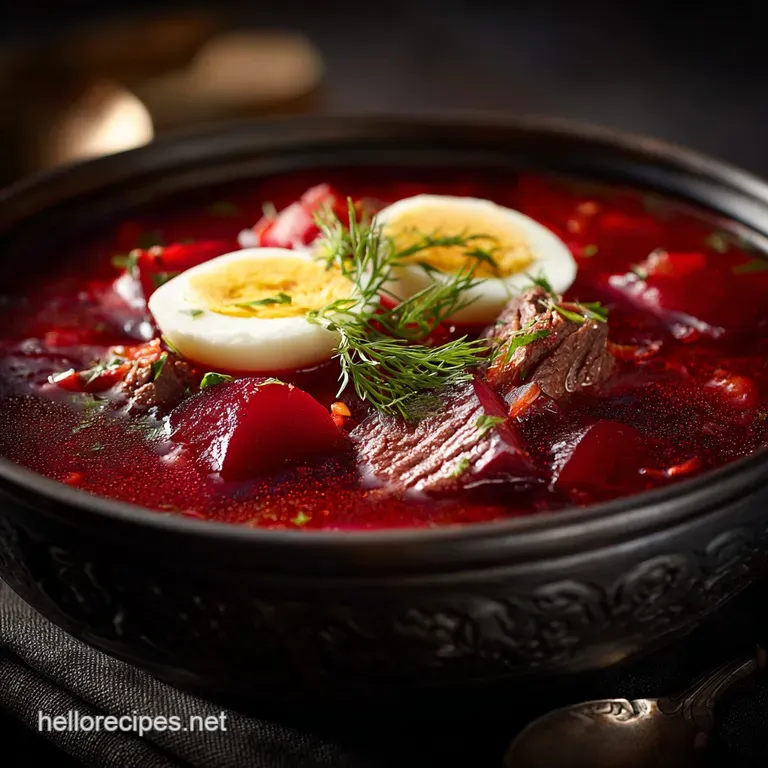
- Why This Classic Borscht Recipe Triumphs
- The Culinary Art of Patience: What Makes This Soup Majestic
- Essential Ingredients for Authentic Classic Borscht
- Prepping Your Vegetable Components and Equipment
- Stage One: Building the Foundation (The Beef Stock)
- Stage Two: Mastering the Beet Sauté (Zazharka)
- Stage Three: Layering Ingredients for Harmony
- Troubleshooting and Serving Authentic Borscht
- Adaptations and Meal Prep Strategies
- Recipe FAQs
- 📝 Recipe Card
Why This Classic Borscht Recipe Triumphs
This is not merely soup; it is a labor of love, delivering an unparalleled depth of flavor and historical context. Our rigorous approach ensures the perfect balance of sweet earthiness and necessary tang, moving far beyond simple boiled vegetables.
Following this meticulous process guarantees a rich, hearty, and authentic Classic Borscht Soup Recipe.
The key to success lies in the meticulous layering of ingredients, starting with a powerful, homemade beef stock foundation. This technique ensures that every spoonful of this Classic Borscht is robust, complex, and deeply satisfying.
We focus on traditional methods that maximize the vibrancy and nutritional density of every component.
The Culinary Art of Patience: What Makes This Soup Majestic
Understanding What Is Borscht Soup means appreciating that true flavor development requires significant time and staged cooking. Unlike fast weeknight meals, this recipe involves distinct stages that cannot be rushed for the best outcome.
The prolonged simmer of the beef stock and the dedicated time for the beet sauté are non-negotiable steps.
This classic preparation is a flavorful marathon, yielding a depth and complexity that instant methods simply cannot replicate. The total cooking time clocks in at around three and a half hours, but most of that time is passive simmering.
This investment ensures all the root vegetables and savory liquids harmonize into a truly majestic final product.
Defining the 'Correct' Ruby Hue and Flavor Balance
The signature deep ruby color is the aesthetic hallmark of a truly great bowl of Traditional Russian Borscht Soup. This vital hue is maintained by skillfully introducing acid during the separate beet preparation, a crucial step many cooks often overlook.
Acidity, typically from vinegar, locks the anthocyanins the pigments responsible for the intense red color before they can oxidize in the neutral broth.
Achieving the critical sweet and-sour flavor balance is equally important for defining the soup's excellence. We utilize a small amount of granulated sugar to enhance the natural sweetness of the beets and vinegar to provide the necessary bright tang.
This duality prevents the soup from tasting flat or overwhelmingly saccharine.
The Cultural Heritage of Ukrainian Borscht
While many regions claim ownership, this substantial, meat focused version closely aligns with the heartiness expected from a Classic Ukrainian Borscht Recipe. Historically, Borscht was a staple dish, providing crucial warmth and nutrition throughout harsh winter months.
Its traditional preparation was often an all-day event, signifying abundance and communal dining.
The inclusion of multiple root vegetables and a souring agent reflects ingenious and resourceful cooking techniques developed over centuries. This specific Classic Ukrainian Borscht Recipe celebrates that heritage by using traditional ingredients and time honored layering methods for maximum impact.
Essential Ingredients for Authentic Classic Borscht
The soul of this substantial dish relies entirely on high-quality Classic Borscht Ingredients, especially the foundation of beets, cabbage, and robust beef. For the deepest savoriness, we insist on using beef shank or marrow bones to create a rich base for our Classic Beef Borscht.
Freshness matters immensely, so select firm, vibrant beets and a dense, crisp head of green cabbage.
Crucially, the aromatic vegetables carrots, onions, and garlic must be correctly prepared to release their maximum natural sweetness during the initial sauté stage.
The simple inclusion of canned crushed tomatoes provides a necessary complexity and body, effectively rounding out the overall soup foundation.
Prepping Your Vegetable Components and Equipment
Preparation is the single most time saving step in this expansive recipe, demanding a complete mise en place before the cooking begins. Shredding the four medium beets and two large carrots, followed by chopping the large amount of potatoes and cabbage, constitutes the most active part of the process.
Utilize a food processor with a shredding attachment if available to greatly reduce your overall active preparation time.
Working ahead ensures you can seamlessly move through the cooking stages without stopping to chop, which keeps the flow efficient and stress free. Given the high nutritional density of the ingredients, this focused preparation contributes directly to a truly hearty and Healthy Borscht Soup.
Choosing the Perfect Cut of Beef for Stock Depth
To build a truly rich broth for our Classic Beef Borscht, choosing cuts high in marrow and connective tissue is absolutely essential. Beef shank offers both savory meat and bone, while marrow bones contribute gelatin and fat for a luxurious and desirable mouthfeel.
These components dissolve slowly during the long simmer, enriching the liquid with body and intense savory flavor.
If you prefer a less fatty final stock, blanching the bones briefly and discarding the initial boiling water can remove some surface impurities. However, for maximum overall depth and flavor, a meticulous, slow simmer and constant skimming are generally preferred over blanching.
Sour Power: Securing Acidity with Vinegar or Kvass
The necessary tang skillfully balances the earthy sweetness of the beets and brightly lifts the entire flavor profile. While apple cider vinegar provides accessible and consistent acidity, traditional preparations often utilize fermented liquid.
The primary function of the acid, beyond simple taste, is to stabilize the betalains the bright red pigments ensuring your final soup is brilliant ruby and not an unfortunate brownish red hue.
| Sour Agent | Flavor Profile | Note |
|---|---|---|
| Apple Cider Vinegar | Bright, fruity tang | Easy to source and measure precisely |
| Kvass (Fermented Drink) | Complex, malty, deep sourness | Traditional and offers the most authentic complexity |
Mandatory Kitchen Tools for Large Batch Soups
Given that this recipe yields eight to ten generous servings, a very large stockpot is absolutely mandatory for efficient preparation. Aim for an eight quart capacity minimum to comfortably accommodate four liters of liquid and two kilograms of vegetables without risk of boiling over.
This volume requires the space to allow the vegetables to simmer evenly.
A high-quality grater or specialized food processor is also necessary for quickly processing the hard root vegetables like carrots and beets. Finally, a fine mesh sieve is crucial for achieving a beautifully clean, clear broth after the initial beef stock has finished its ninety minute simmer.
Related Recipes Worth Trying
- Proper Classic Apple Crisp Recipe Buttery Oats Custard Ready — The ultimate Classic Apple Crisp recipe This simple English crumble features a thick cinnamonspiced base and a crunchy classic apple crisp topping Serve warm
- Classic Italian Zeppole The Secret to Light and Puffy Donut Holes — Master authentic Zeppole the light and airy Italian cousin to the powdered sugar donut holes Our foolproof choux pastry technique delivers guaranteed crisp...
- Classic Fluffy Vanilla Cupcakes The Best Recipe for Home Bakers — Get Mary Berrys seal of approval with the Best Vanilla Cupcake Recipe Learn how to make light fluffy vanilla cupcakes from scratch topped with CloudNine...
Stage One: Building the Foundation (The Beef Stock)
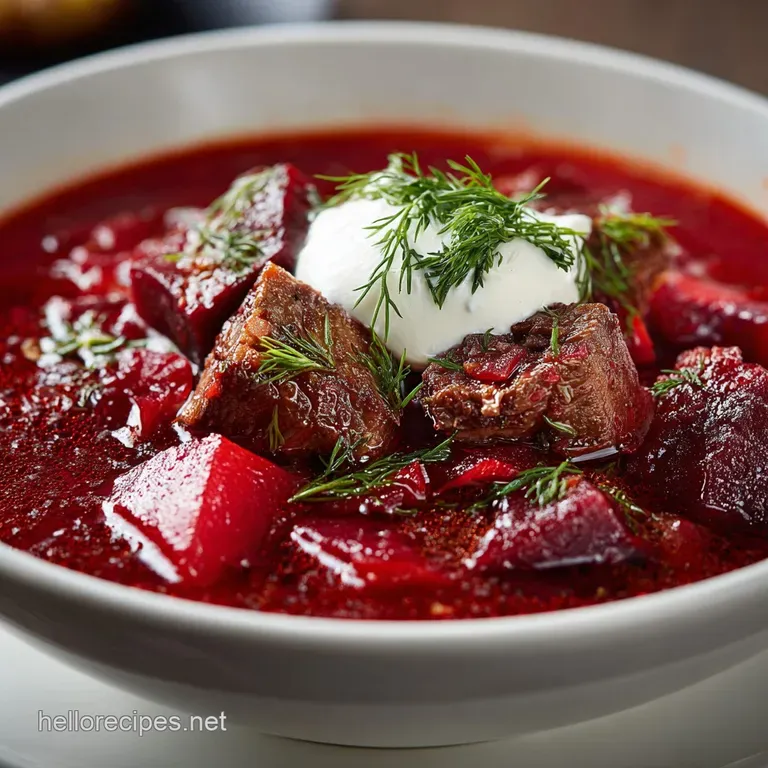
The foundation of this Classic Beef Borscht relies on a slow simmered, concentrated broth, which begins by placing the beef bones and aromatic vegetables into cold water. Starting with cold water allows the maximum proteins and flavors to slowly extract from the bone structure as the liquid gradually heats.
Once the water reaches a boil, immediately reduce the heat to the lowest possible simmer to prevent the stock from ever becoming cloudy.
Over the course of the ninety minute simmering time, impurities will naturally rise to the surface, forming a grayish foam. Consistent skimming of this foam is crucial for a clean, pure tasting stock, setting the stage for deep, unadulterated flavor infusion.
After simmering, the stock must be strained through a fine mesh sieve to remove all solids before the next cooking stage commences.
Stage Two: Mastering the Beet Sauté (Zazharka)
The zazharka , the sautéed vegetable base, is the heart of the Borscht’s finished color and flavor. Begin by softening the finely diced onions and shredded carrots in neutral cooking oil until they are fully translucent and have released their natural sugars.
This initial caramelization step builds a vital savory depth that perfectly complements the earthy sweetness of the beets.
Next, the shredded beets are added and briefly cooked through, followed immediately by the crucial addition of the apple cider vinegar and granulated sugar. The acid instantly stabilizes the beautiful red pigment, ensuring the color is locked in before the beets are later combined with the large volume of stock.
Finally, stir in the tablespoon of tomato paste, cooking it for a minute to deepen its color and sweetness before removing the entire mixture from the heat and setting it aside.
Stage Three: Layering Ingredients for Harmony
Achieving Maximum Flavor from the Bones and Aromatics
Once the stock is strained and returned to the pot, it represents a perfectly clean canvas ready for the vegetable additions. We capitalize on the deep savory background established by the Classic Beef Borscht bones, which now provides robust complexity rather than just a watery base.
The residual heat helps to quickly revive the aromatic compounds in the strained stock, fully preparing it for the longer simmer with the root vegetables.
Skimming and Clarifying the Broth Base
Even after the initial intensive strain, slight impurities might resurface as the broth is brought back to a gentle simmer. A quick, final pass with a ladle or large spoon to skim any surface fat or remaining debris ensures a clean and visually appealing finished soup.
This simple yet necessary step maintains the purity and brilliance of the color we are striving to achieve.
The Critical Step to Lock In the Deep Ruby Color
The zazharka mixture, having already been treated with vinegar, is deliberately added only after the potatoes and cabbage have had a sufficient chance to soften. Introducing the acidic beet mixture too early would prematurely toughen the potatoes and potentially cause the cabbage to become overly soft and stringy.
By adding it later, we quickly infuse the broth with the brilliant, pre-stabilized ruby color without compromising the delicate vegetable texture.
Timing the Addition of Potatoes and Cabbage
Diced potatoes, being the densest and hardest vegetable, must be added first to the simmering broth and given fifteen minutes to begin their crucial softening process. The shredded cabbage follows next, requiring significantly less time to wilt and fully cook through.
This necessary staged addition ensures all the hearty vegetables reach a perfectly tender, but never mushy, texture simultaneously.
The Final Seasoning: Balancing Sweetness and Tang
The final twenty to thirty minutes of simmering is dedicated to allowing all the complex and layered flavors to fully integrate and harmonize. Just before removing the soup from the heat, the minced fresh garlic is stirred in, adding a necessary raw, pungent kick that defines the authentic taste profile.
Taste the broth carefully at this stage, adjusting the crucial sweet/sour profile with small additions of sugar, salt, or the remaining vinegar to fully brighten the soup.
Troubleshooting and Serving Authentic Borscht
This deeply colored soup improves dramatically if allowed to rest, ideally overnight in the refrigerator. The resting period allows the fat from the Classic Beef Borscht to solidify, making it easier to skim off for a cleaner texture.
Reheat the soup slowly on the stovetop, ensuring the simmer is gentle to protect the delicate texture of the cooked vegetables.
When serving, ensure the presentation honors the tradition of this hearty meal. Borscht is rarely served alone; the essential garnishes cut through the richness and provide a necessary contrast. A perfect bowl of Traditional Russian Borscht Soup should be served hot, but garnished cold and fresh.
Adaptations and Meal Prep Strategies
Why Your Borscht Isn't Red Enough (And How to Fix It)
The primary reason for a dull, brownish final color is failing to apply acid directly to the shredded beets during the zazharka stage. If your finished Classic Borscht isn't vibrant enough, try this immediate fix.
Heat a small amount of extra shredded beet with a splash of vinegar and a pinch of sugar separately in a pan until intensely colored. Add this concentrated mixture back into the main pot right before the final rest to immediately boost the ruby hue.
Best Accompaniments: Smetana, Dill, and Pampushky
Traditional presentation is simple yet absolutely essential for the full, authentic experience. The contrast of the cool, creamy dairy against the hot, tangy soup is mandatory for balance.
- Smetana or Crème Fraîche: A generous dollop of rich, tangy dairy provides creaminess and cools the intensity of the broth's warmth.
- Fresh Dill: Finely chopped fresh dill is non-negotiable, offering a necessary bright, almost anise like contrast to the deep, earthy flavors.
- Pampushky: These small, soft yeast rolls, typically brushed with garlic butter, are traditionally served alongside for dipping and soaking up the savory broth.
Converting This Classic Borscht to a Vegetarian Meal
This Classic Borscht Recipe easily converts into a hearty and delicious vegetarian option by swapping the stock base. Focus on using rich vegetable stock, or water fortified with mushroom powder, to avoid sacrificing the depth provided by the absent beef.
For protein and texture in this Healthy Borscht Soup, canned kidney beans or white beans are excellent additions during the final assembly and simmer phase.
| Item to Convert | Vegetarian/Vegan Substitution | Rationale |
|---|---|---|
| Beef Stock | Robust Vegetable Stock (4 L) | Maintains savory depth and necessary liquid volume |
| Beef Bones | 1 Cup of Canned Kidney Beans | Adds necessary protein and satiety to the meal |
Freezing, Storing, and Reheating Instructions
Borscht is an excellent soup for large batch meal preparation, as its flavors improve dramatically upon standing. Cooled leftovers can be stored in airtight containers in the refrigerator for up to five days, developing even greater complexity.
For longer preservation, freezing is highly effective; simply ensure the soup is completely chilled before transferring it to freezer safe containers, where it will last for three to four months.
While there are professional methods for Canning Borscht Soup, home canning requires specific pressure canning methods due to the low acidity and inclusion of starches. For home cooks, freezing remains the safest and easiest long term storage method.
Reheat gently on the stovetop, ensuring it does not reach a violent boil, and always add fresh garnishes only after the final reheating.
Recipe FAQs
My borscht always turns brown. How do I guarantee that stunning ruby red colour for this Classic Borscht?
The secret is adding acid (like vinegar or lemon juice) to the cooked beets before mixing them into the main broth; this clever trick locks in the vibrant red pigment, ensuring your soup is truly jewel toned and not muddy.
This recipe makes a huge batch! Can I freeze Classic Borscht, and how long will it keep?
Absolutely, Borscht freezes wonderfully! Store it in airtight containers for up to three months, but always freeze it before adding the sour cream or crème fraîche, as dairy will split when thawed.
The recipe talks about a "sweet/sour balance" how do I adjust that if the flavour seems a bit flat?
Adjust the sweet/sour ratio right at the very end of the cooking process, just before resting; if it lacks brightness, add a teaspoon more vinegar, or if it's too tart, balance it with a pinch more sugar or honey until it tastes bright but not sharp.
I have vegetarian guests coming; can I easily adapt this robust beef recipe?
Yes, swapping the beef broth for a rich vegetable stock works perfectly, and to maintain that hearty, substantial feel, simply incorporate a cup of tinned kidney or white beans towards the end of the simmer.
What are the traditional accompaniments? I want to serve the 'full monty.'
The traditional service demands a generous dollop of sour cream (or Smetana), a hefty sprinkling of fresh dill, and, ideally, slices of dark rye bread or garlic infused Pampushky rolls for dipping.
Ultimate Classic Borscht Soup Recipe
Ingredients:
Nutrition Facts:
| Calories | 10189 kcal |
|---|---|
| Protein | 235.9 g |
| Fat | 166.8 g |
| Carbs | 107.3 g |
| Fiber | 12.7 g |
| Sugar | 0.1 g |
| Sodium | 1010 mg |
