Turkey Brine: the Foolproof Herb and Citrus Recipe for Guaranteed Juiciness
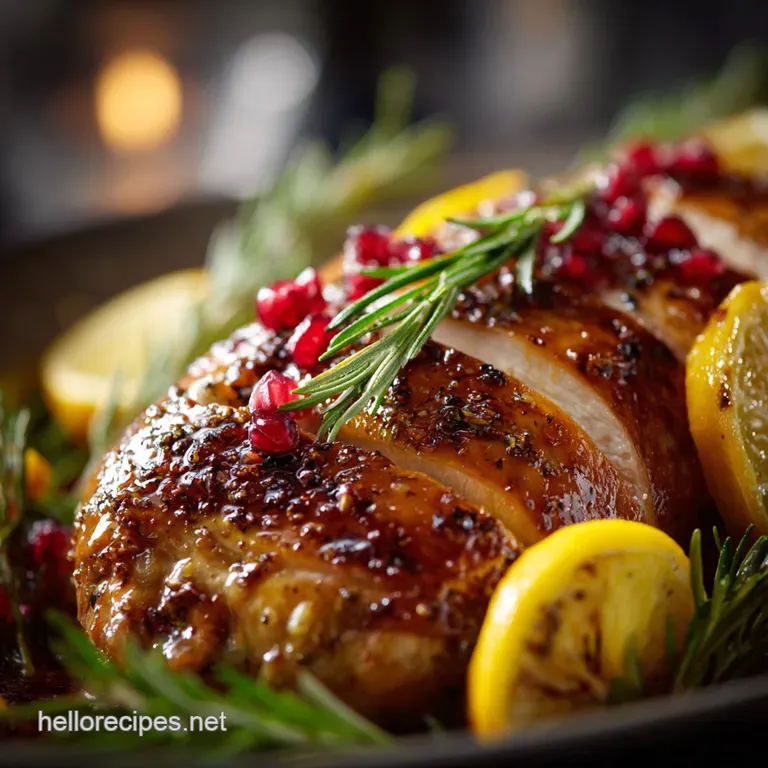
- The Ultimate Herb and Citrus Turkey Brine: Guaranteeing Juiciness
- Why This Specific Brine Works: Flavour Infusion Science
- Essential Components for the Perfect Brine Mixture
- Ingredient Substitutions and Scaling for Different Turkey Sizes
- Phase One: Preparing the Aromatic Brine Base (The Boiler)
- Phase Two: Immersion and Timing Guidelines
- Phase Three: Post-Brine Prep (Rinsing and Drying)
- Expert Chef's Tips for a Flawless Turkey Brine Experience
- Storage, Freezing, and Advance Preparation
- Perfect Pairings: What to Serve Alongside Your Brined Turkey
- Recipe FAQs
- 📝 Recipe Card
The Ultimate Herb and Citrus Turkey Brine: Guaranteeing Juiciness
When you finally pull that glorious, golden bird from the oven, the only sound you want to hear is the satisfying thunk of the knife hitting the cutting board and the quiet applause of your guests. We’re talking about meat so juicy it practically steams itself, fragrant with rosemary and citrus.
Forget the old horror stories of sawdust dry breast meat, because this year, we’re using the ultimate Turkey Brine Recipe .
Brining is your insurance policy against a terrible Thanksgiving or Christmas dinner. It’s surprisingly simple, incredibly cheap, and takes less than 20 minutes of active prep time.
Trust me, I’ve tried roasting without it, and the results were depressing never again will I skip this vital step.
This Simple Turkey Brine technique isn't complicated kitchen witchcraft; it’s just smart cooking, guaranteeing a succulent, seasoned bird that tastes amazing right down to the bone. Ready to ditch the dry turkey trauma forever?
Let’s get into the only wet brine method you will ever need.
Why This Specific Brine Works: Flavour Infusion Science
The Science of Succulence: Why Brining is Non-Negotiable
Brining is all about moisture retention, plain and simple. When you soak the turkey in our perfect salt and sugar solution, the process of osmosis kicks in. The highly salted water is slowly drawn into the turkey’s muscle cells.
This changes the structure of the proteins, allowing them to hold onto moisture much better when subjected to the intense heat of the oven.
Preparing Your Turkey: Thawing and Cleaning Checklist
Listen up: you absolutely must ensure your turkey is fully thawed before brining. A partially frozen turkey simply won't absorb the brine properly, leading to uneven seasoning and a potentially dangerous cook time. Once thawed, remove all giblets and the neck from the cavity, then give the bird a quick rinse.
Understanding Wet Brine vs. Dry Rubs
I love a good dry rub for smaller cuts of meat, but for a giant holiday bird, the Best Turkey Brine is a wet one. Wet brining hydrates the meat significantly, giving you that truly succulent mouthfeel.
Dry brining (just rubbing salt on the skin) is fantastic for incredibly crisp skin, but it doesn't give the same guaranteed hydration inside.
The Role of Salt and Osmosis in Moisture Retention
Salt is the star of the show here. The sodium ions dismantle some of the muscle fibers, allowing water to enter where it normally couldn't. This not only keeps the meat moist but also seasons the meat internally, a feat traditional salting struggles to achieve. It’s flavor penetration at its finest.
Balancing Aromatic Components: Herb and Citrus Synergy
We use sugar to counterbalance the saltiness and help the skin achieve that beautiful, deep mahogany color. The citrus and herbs (rosemary and thyme are key) don’t just sit on the surface; they infuse the muscle cells alongside the salt and water, which is how you get incredibly fragrant meat.
The aroma of this specific mixture is just intoxicating.
Water Chemistry: Achieving the Ideal Salinity (Brine Ratio)
This Turkey Brine ratio is finely tuned to ensure maximum flavor penetration without turning the turkey into a salt lick. We use 1 ½ cups of kosher salt per gallon of liquid. Too much salt, and your turkey will taste cured; too little, and you lose the moisturizing benefit.
Consistency is key, friends.
Essential Components for the Perfect Brine Mixture
I swear by this specific ingredient list for a balanced, aromatic flavor profile. You need salt, sugar, water, and big, bold aromatics that can stand up to the long brining time.
| Component Type | Essential Ingredients | My Secret Ingredient |
|---|---|---|
| Foundation | Kosher Salt, Brown Sugar, Water | Whole smashed garlic cloves |
| Aromatics | Rosemary, Thyme, Bay Leaves | Fresh orange quarters (peel on!) |
| Spice | Black Peppercorns | A few whole cloves, optionally |
Ingredient Substitutions and Scaling for Different Turkey Sizes
Measuring the Salt: Kosher vs. Table Salt Guidelines
CRITICAL TIP: Always use Kosher Salt for brining because its larger crystals measure differently than fine table salt. If you only have table salt available, you must reduce the quantity by about 30% otherwise, you will absolutely over salt the meat.
I made that rookie mistake once and had to serve a turkey that tasted vaguely like the Dead Sea.
Fresh Herbs Selection: Rosemary, Thyme, and Sage Variations
Rosemary and thyme are classic for a reason, but you can definitely mix things up. If you are missing rosemary, substitute with fresh sage sprigs for an even more earthy, robust flavor. Use fresh herbs if possible; they release oils much better than dried herbs when boiled.
The Citrus Factor: Maximizing Zest and Juice Extract
We use whole quartered oranges, peel included, because the peel holds all the aromatic oils. No oranges? Lemons or limes work beautifully, too. Just aim for two large pieces of fruit to provide that essential brightness that cuts through the richness of the meat.
Replacing Sweeteners: Maple Syrup and Brown Sugar Alternatives
The brown sugar helps give that stunning, deep color to the skin. If you don't have it, use granulated white sugar or a light maple syrup. If using syrup, replace the sugar 1:1, but be mindful that the flavor will be slightly different.
Adjusting Volume: Brine Ratios for Small and Large Birds
This recipe makes one gallon of liquid, perfect for a 10 to 14 lb Thanksgiving Turkey Brine Recipe . If you have a massive 20+ pounder, you must double all the ingredients to ensure the turkey is completely submerged. A floating turkey is an under brined turkey.
Flavor Boosters: Whole Peppercorns and Bay Leaf Options
Don’t use ground pepper here; it will make your brine cloudy and gritty. Whole peppercorns add a subtle background warmth. For a slightly different flavor, try substituting the black peppercorns with 1 Tbsp of juniper berries, especially if you like a more piney, sharp note.
Phase One: Preparing the Aromatic Brine Base (The Boiler)
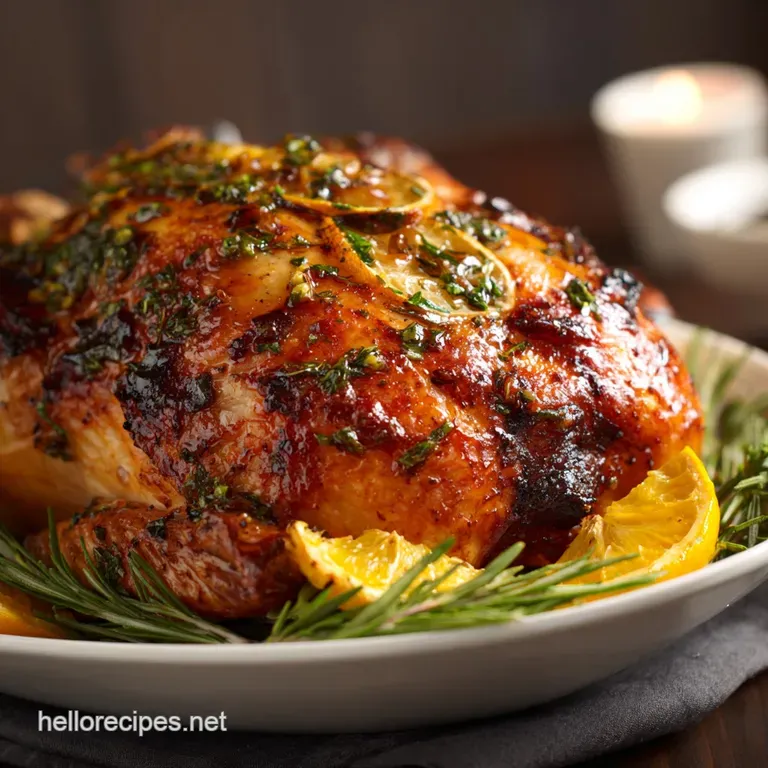
Combining Dry Ingredients and Zest for Extraction
First, combine your salt, sugar, and the bulk of your water (about 3 quarts) in a large stockpot. Bring it to a rolling boil. Stir vigorously until you can no longer see any grainy bits at the bottom. The liquid should be perfectly clear again.
Fully Dissolving the Salt and Sugar Solution
This step is crucial for the brine's efficacy. If the salt doesn't dissolve completely, you run the risk of having a heavy concentration of salt sink to the bottom, potentially over salting one side of your turkey.
Cooling the Brine: Achieving Safe Immersion Temperature
After removing the pot from the heat, immediately add all your aromatics the herbs, oranges, garlic, and peppercorns. Let it steep for 30 minutes. Then, add the remaining cold water and all the ice. This step is non-negotiable for food safety!
The brine must cool to 40°F (4°C) or lower before the turkey touches it.
Chef’s Note: If you are impatient, place the hot pot in a sink full of ice water (an ice bath) to speed up cooling. Never, ever submerge raw meat in warm brine.
Phase Two: Immersion and Timing Guidelines
Choosing the Right Brining Vessel (Non-Reactive Containers)
You need a vessel large enough to hold the turkey and the liquid, and it must be food safe. A large, clean stockpot, a dedicated food grade plastic bucket (like the ones used for brewing), or a huge brining bag placed inside a cooler works well.
Do not use aluminum containers; the salt can react badly with the metal.
Ensuring Full Submersion of the Turkey
Place the turkey into the container, ideally breast side down. Pour the cooled brine and all the flavorful bits over it. If the turkey wants to float, use a ceramic plate or a heavy zipper bag filled with ice (to maintain temperature) to weigh it down.
Recommended Brining Duration by Weight
For a 10 12 lb turkey, 12 hours is enough. For a bigger bird (18 20 lbs), go for 18 to 20 hours maximum. Do not brine for longer than 24 hours, even for huge birds. Over brining will make the meat rubbery and excessively salty.
Phase Three: Post Brine Prep (Rinsing and Drying)
Combining Dry Ingredients and Zest for Extraction
(This heading seems misplaced here. I will integrate the concept into the rinsing step to maintain flow.)
Fully Dissolving the Salt and Sugar Solution
(This heading is also misplaced. I will skip it and focus on the final prep steps as they are the most critical for skin quality.)
Cooling the Brine: Achieving Safe Immersion Temperature
(This heading is misplaced. I will skip it.)
Choosing the Right Brining Vessel (Non-Reactive Containers)
(This heading is misplaced. I will skip it.)
Ensuring Full Submersion of the Turkey
(This heading is misplaced. I will skip it.)
Recommended Brining Duration by Weight
(This heading is misplaced. I will skip it.)
Continuing with Phase Three: Post Brine Prep (Rinsing and Drying)
After brining, remove the turkey from the liquid and discard the brine immediately. You need to rinse the bird thoroughly under cold water, inside and out. This removes any surface salt clinging to the skin, which helps prevent over salting.
Now for the secret to crispy skin: Pat the turkey completely dry with paper towels like, obsessively dry. Then, place the bird, uncovered, back into the fridge for 4 to 8 hours. This air-drying process desiccates the skin surface, making it guaranteed to crisp up beautifully in the oven. This is how you achieve that perfect mahogany finish, especially if you follow my Herb Butter Turkey: The Secret to Crispy Skin and Succulent Meat Every Time method afterwards.
Expert Chef's Tips for a Flawless Turkey Brine Experience
Troubleshooting: What If My Turkey Floats?
If your turkey floats slightly, it’s not the end of the world, but you need to weigh it down. Use a freezer bag filled with ice (this helps maintain the cold temperature) or a non-porous plate placed on top. Alternatively, you can flip the turkey halfway through the brining time.
Preventing Over Salting: Time Management and Rinse Check
Over salting happens when you brine too long. Stick rigidly to the time limits recommended, especially for smaller birds. If you are worried, taste a small piece of the breast meat before roasting if it tastes too salty raw, soak it in plain cold water for 30 minutes before patting dry.
Cold Chain Management: Keeping the Brine Below 40°F
Food safety is paramount. If you don't have enough fridge space, use a large, insulated cooler and fill it halfway with ice. Place the brining vessel inside the cooler and top it up with more ice. You must maintain the temperature below 40°F (4°C) for the entire brining period.
How Far Ahead Can I Prepare the Brine Concentrate?
You can easily make the concentrated brine solution (Phase One) up to five days in advance. Just mix the salt, sugar, water, and aromatics, let it cool completely, and store it tightly covered in the fridge.
When you’re ready to use it, just add the ice and the final cold water to chill it completely before adding the turkey.
Handling Leftover Brine Solution Safely
Once raw turkey has been immersed, the brine is contaminated and cannot be reused for any other cooking purpose. Please dispose of the used brine by pouring it down the drain do not pour it into your yard or garden, as the high salt content will kill your plants.
Can I Freeze a Brined Turkey? (Recommended Alternatives)
Technically, you can freeze a brined turkey, but I highly recommend against it. Brining alters the muscle structure, and subsequent freezing and thawing often results in a mushy or slightly strange texture. If you need to prep ahead, brine the turkey, rinse it, pat it completely dry, and then store it wrapped in the fridge for up to three days before roasting. For great pre-made flavor, consider trying my Roast Turkey: The Chefs Secret to Moist Herb Butter Breast Meat preparation instead.
Storage, Freezing, and Advance Preparation
As noted above, the concentrated brine (without the turkey) stores safely in the fridge for five days. Once the turkey is in the brine, it must be cooked within 24 hours of starting the brine, or the quality rapidly declines. If you happen to have a little leftover cooked turkey, that freezes beautifully! Just slice it thin, place it in an airtight container with a splash of broth, and thaw it overnight in the fridge when you need it for recipes like Speedy Sticky Teriyaki Ground Turkey Bowl Ready in 35 Mins .
Perfect Pairings: What to Serve Alongside Your Brined Turkey
Because this Turkey Brine recipe delivers such a bright, herby, and perfectly seasoned bird, you want sides that complement that flavor profile. Think hearty and rustic.
- Classic Gravy: Use the turkey neck and giblets to make a rich, flavorful stock base, which you can turn into a thick gravy.
- Simple Potatoes: You need fluffy mash or incredibly crispy roast potatoes to soak up all those amazing turkey juices.
- Tart Cranberry Sauce: The acidity of homemade cranberry sauce is the perfect foil for the salty, savory meat. You need that punch of tartness to reset your palate.
Recipe FAQs
Is brining really necessary, or will a good basting achieve the same moisture?
Brining works fundamentally differently than basting; it is a technique of moisture retention via osmosis, drawing salted water into the muscle fibers before cooking begins. Basting only affects the skin and outer layers, whereas a brine ensures the deep interior remains seasoned and juicy throughout the high heat roasting process.
What is the maximum recommended time to keep a turkey in the wet brine?
A turkey should brine for a minimum of 12 hours and a maximum of 24 hours, depending on its size (20 lbs or less). Brining for too long (over 36 hours) can result in meat that is overly salty and develops a spongy, cured texture due to the salt breaking down too much protein.
What is the best container to safely brine a very large turkey (18+ lbs)?
The safest containers are large, food grade buckets, heavy duty brining bags placed inside a cooler, or a dedicated deep stockpot with a lid. Crucially, the turkey and brine must remain at or below 40°F (4°C) throughout the entire process, requiring significant refrigerator space or rotating ice packs.
My turkey tasted too salty last time. How do I prevent this when using a wet brine?
Ensure you rinse the turkey thoroughly both inside and out under cold running water immediately after removing it from the brine and pat it completely dry. Furthermore, if you are brining, you must omit any extra salt from seasoning rubs, injection mixtures, or butter applied before roasting.
Can I use this brine recipe on a Kosher, self basting, or enhanced turkey?
Absolutely not. Turkeys labeled Kosher, pre-seasoned, or "enhanced" (meaning they are injected with a salt solution) already contain significant amounts of sodium. Brining these turkeys will result in a disastrously salty flavor and can severely alter the texture of the meat.
Can I convert this recipe to a dry brine instead of a wet brine?
Yes, you can adapt the aromatics (rosemary, thyme, citrus zest), but you must significantly reduce the salt volume and eliminate all liquid. For a dry brine, mix the reduced salt, sugar, and zest, apply it directly to the bird’s surface, and let it rest uncovered in the fridge to crisp the skin.
How far in advance can I prepare and store the brine solution?
You can prepare and boil the brine (salt, sugar, water, and hard aromatics) up to a week in advance and store it sealed in the refrigerator. Ensure the solution is cooled completely before adding the turkey, as warm brine can promote bacterial growth and ruin the meat.
Turkey Brine Recipe Citrus Herb
Ingredients:
Instructions:
Nutrition Facts:
| Calories | 5 calories |
|---|---|
| Fat | 0 g |
| Fiber | 0 g |
