Top 25 New Years Eve Party: Melt-In-Your-Mouth Sliders
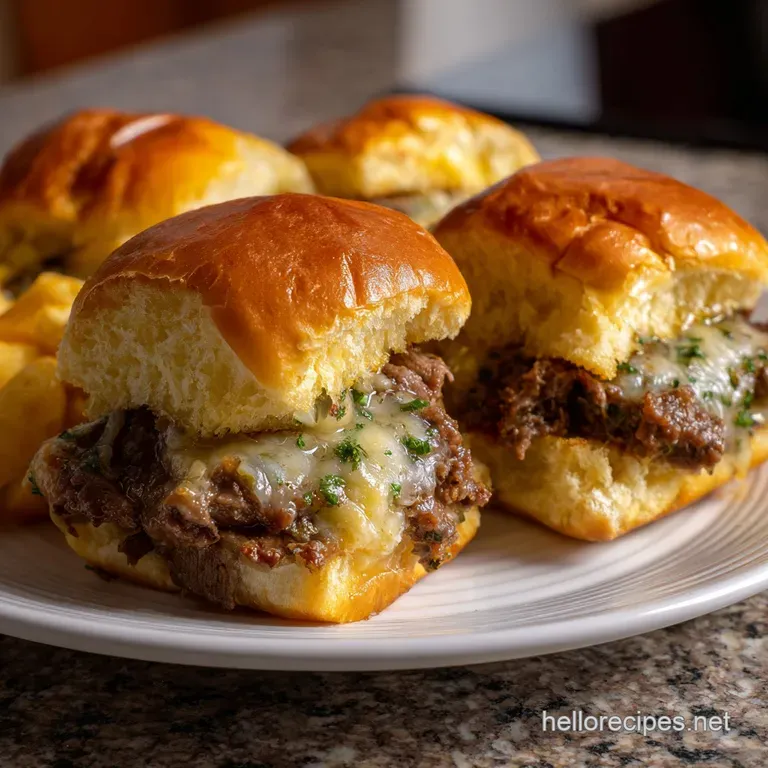
- Effort/Time: 20 minute active prep, 8 hour passive braise
- Flavor Hook: Rich umami beef meets sweet-savory garlic-herb glaze
- Perfect for: High-volume hosting and celebratory midnight snacking
- Achieving Ultimate Umami: Why This Top 25 New Years Eve Party Protocol Works
- Thermal Execution and Yield Specifications
- The Chemistry of Flavor: Ingredient Science Breakdown
- The Alchemy of Umami: Selecting Your Elements
- Essential Tools for Precision Assembly
- Engineering the Perfect Slider: Key Steps
- Decoding Technical Failures: Common Mistakes & Troubleshooting
- The Scaling Lab: The Physics of Quantity
- Debunking Culinary Myths
- Flavor Architecture: Variations & Substitutions
- Precision Storage & Zero Waste Philosophy
- Serving Suggestions for the Ultimate Buffet
- Recipe FAQs
- 📝 Recipe Card
There is nothing more demoralizing than investing in a 3.3 lbs Beef Chuck Roast only to have it emerge from the heat as a gray, fibrous, and bone dry disappointment. I’ve seen hosts spend hours on their Top 25 New Years Eve Party only to serve sliders where the bottom bun has disintegrated into a mushy paste under the weight of poorly drained meat.
That textural failure isn't just a waste of time; it’s a waste of high-quality ingredients and the festive spirit of the night.
I’ll be the first to admit I’ve failed at this before. In my early days, I once rushed the braising process by cranking the heat, thinking I could "force" the beef to tenderize in four hours instead of eight.
The result was a tough, knotted mess of protein fibers that even the sharpest knife couldn't rescue. I learned the hard way that you cannot bargain with thermodynamics when it comes to connective tissue; it requires a specific temperature window and a lot of patience to achieve that velvety, shreddable consistency.
The scientific secret to the ultimate Top 25 New Years Eve Party isn't a "secret" ingredient it's the controlled hydrolysis of collagen. By maintaining a steady low heat over 8 hours, we transform tough connective tissue into succulent gelatin, which coats the muscle fibers for a rich, lubricated mouthfeel.
This process, combined with a strategic "fat-barrier" layer of 12 slices Provolone cheese, ensures your Hawaiian sweet rolls stay structurally sound and buttery rather than waterlogged.
Achieving Ultimate Umami: Why This Top 25 New Years Eve Party Protocol Works
- Collagen Liquefaction: Slow cooking for 8 hours at low temperatures converts tough collagen into silky gelatin for maximum succulence.
- The Provolone Barrier: Placing 12 slices Provolone cheese directly on the bottom bun creates a hydrophobic fat layer, preventing juice absorption and bread collapse.
- Maillard Amplification: Searing the 3.3 lbs Beef Chuck Roast in 2 tbsp Avocado oil at high heat creates complex flavor compounds that bone broth alone cannot replicate.
- Hygroscopic Balance: The sugar content in 24 count Hawaiian sweet rolls provides a flavor contrast that balances the heavy salinity of the 2 tsp Kosher salt and Worcestershire sauce.
- Aromatic Infusion: Melting 1/2 cup Unsalted butter with 3 cloves Garlic and 1 tsp Dried oregano creates a lipid based delivery system for fat-soluble flavors to penetrate the crust.
Thermal Execution and Yield Specifications
To successfully execute this Top 25 New Years Eve Party, you must adhere strictly to the time temperature curve. Precision is the difference between a "good" slider and a masterclass level appetizer.
- Yield: 24 sliders
- Prep Time: 20 minutes
- Cook Time: 8 hours
- Total Time: 8 hours 20 mins
The Chemistry of Flavor: Ingredient Science Breakdown
| Ingredient | Chemical/Physical Role (Science) | The Pro Secret (Why This Matters) |
|---|---|---|
| 3.3 lbs Beef Chuck Roast | Collagen rich protein source for hydrolysis | High fat/connective tissue ratio ensures the meat stays moist after 8 hours of heat. |
| 2 tbsp Avocado Oil | High smoke point lipid (520°F/270°C) | Allows for a hard sear without oil breakdown, initiating the Maillard reaction effectively. |
| 1 cup Beef Bone Broth | Solvent for flavor extraction and steam | The high gelatin content in bone broth adds body to the final reduction sauce. |
| 1/2 cup Unsalted Butter | Emulsified fat for crumb softening | Acts as a carrier for the garlic oils, deeply penetrating the roll's surface during the final bake. |
The Alchemy of Umami: Selecting Your Elements
Selecting the right components for your Top 25 New Years Eve Party involves understanding how each ingredient behaves under thermal stress.
- 3.3 lbs Beef Chuck Roast: Why this? High collagen content is essential for shreddable texture during an 8 hour braise.
- 2 tsp Diamond Crystal Kosher salt: The coarse grains allow for even distribution and better moisture draw out during the initial sear.
- 1 tsp Black pepper, freshly cracked: Freshly ground peppercorns contain volatile oils that provide a sharp, aromatic bite that pre-ground dust lacks.
- 2 tbsp Avocado oil: Why this? Superior thermal stability prevents the formation of acrolein (bitter smoke) during over high heat searing.
- 1 cup Beef bone broth: Provides the liquid medium necessary for steam assisted protein denaturation.
- 2 tbsp Worcestershire sauce: Adds fermented acidity and anchovy derived glutamates to deepen the umami profile.
- 1/2 cup Unsalted butter, melted: Why this? Using unsalted allows you to control the final sodium balance of the 24 sliders precisely.
- 3 cloves Garlic, minced: Releases allicin, which mellows into a sweet, nutty aroma when roasted in the butter glaze.
- 1 tbsp Fresh parsley, finely chopped: Provides a chlorophyll rich brightness to cut through the heavy fats.
- 1 tsp Dried oregano: The drying process concentrates the phenols, offering a more robust herbaceous note than fresh in over high heat baking.
- 24 count Hawaiian sweet rolls: Why this? High sugar and egg content create a soft, pillowy crumb that browns beautifully.
- 12 slices Provolone cheese: Why this? A high melt-point fat profile that creates a protective barrier for the bread.
- 1/2 cup Caramelized onions: These provide concentrated sweetness to balance the salty, savory beef.
Essential Tools for Precision Assembly
For a successful Top 25 New Years Eve Party, your equipment must handle both over high heat searing and long duration braising.
- Lodge Cast Iron Skillet: Essential for the initial sear; its high thermal mass prevents temperature drops when the beef hits the pan.
- 6 Quart Slow Cooker or Dutch Oven: Provides the consistent, enclosed environment needed for 8 hour collagen conversion.
- 13x9-inch Pyrex Baking Dish: The standard size for fitting 24 count Hawaiian sweet rolls in a single, tight block.
- Victorinox Fibrox Pastry Knife: The serrated edge is vital for slicing through the entire block of rolls without crushing the delicate crumb.
- Silicone Basting Brush: Ensures an even distribution of the 1/2 cup Unsalted butter glaze across the tops of the rolls.
Engineering the Perfect Slider: Key Steps
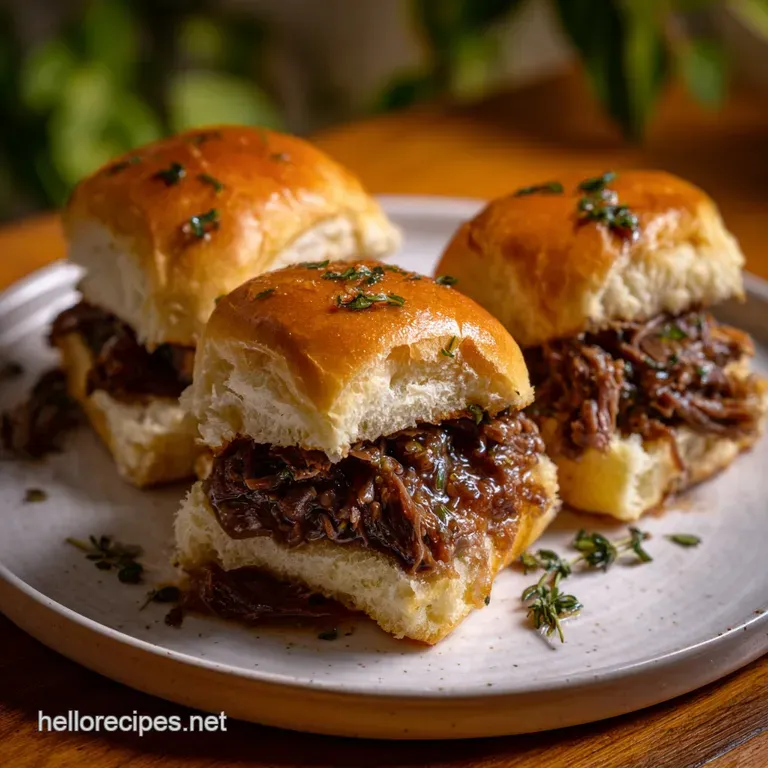
Follow these steps with precision to ensure your Top 25 New Years Eve Party results in a shattering crust and a velvety interior.
- Season the beef. Rub the 2 tsp Kosher salt and 1 tsp Black pepper into all sides of the 3.3 lbs Beef Chuck Roast. Note: Salt initiates osmotic pressure, pulling moisture to the surface for a better sear.
- Sear for color. Heat 2 tbsp Avocado oil in a Lodge Cast Iron Skillet over medium high heat until it shimmers. Sear the beef for 4 minutes per side until a dark, mahogany brown crust forms and the meat releases easily from the pan.
- Deglaze the skillet. Pour 1 cup Beef bone broth and 2 tbsp Worcestershire sauce into the hot skillet, scraping the bottom with a wooden spoon until the browned bits (fond) dissolve into the liquid.
- Initiate the braise. Place the beef and the deglazing liquid into a slow cooker. Cover and cook on low for 8 hours until the meat is tender enough to fall apart with a gentle fork twist.
- Shred the protein. Remove the beef and shred it using two forks. Toss the meat back into the remaining juices until the fibers are fully saturated and glistening.
- Prepare the buns. Slice the entire block of 24 count Hawaiian sweet rolls in half horizontally using a serrated knife until you have two large, connected sheets of bread.
- Build the fat barrier. Place the bottom half of the rolls into a 13x9 dish. Layer the 12 slices Provolone cheese across the surface until the bread is completely covered by the cheese.
- Add the aromatics. Spread the 1/2 cup Caramelized onions over the cheese, then layer the shredded beef on top until the meat is evenly distributed to the very edges.
- Seal and glaze. Place the top half of the rolls over the beef. Whisk the 1/2 cup Unsalted butter, 3 cloves Garlic, 1 tbsp Fresh parsley, and 1 tsp Dried oregano together.
- Final thermal set. Brush the glaze over the rolls and bake at 350°F for 15 minutes until the tops are a deep golden brown and the cheese jiggles at the edges when the pan is shaken.
Decoding Technical Failures: Common Mistakes & Troubleshooting
Why Your Meat is Tough or Fibrous
If your 3.3 lbs Beef Chuck Roast feels like rubber rather than velvet, it is almost certainly a failure of the time temperature relationship. Collagen only begins to break down significantly at internal temperatures between 160°F and 180°F.
If you cook it too fast at a high temp, the muscle fibers contract and squeeze out moisture before the collagen can turn into gelatin, resulting in "dry" meat that is technically cooked but texturally ruined. This is a common pitfall when preparing a Top 25 New Years Eve Party.
| Problem | Root Cause | The Fix | Pro Protocol |
|---|---|---|---|
| Soggy Bottom Buns | Liquid migration from beef to bread | Increase the cheese layer or drain the beef more thoroughly. | Use a slotted spoon to transfer beef, then "rest" it in a colander for 2 minutes. |
| Burned Garlic Glaze | Oven "hot spots" or over baking | Tent the dish with foil for the first 10 minutes of baking. | Apply half the butter at the start, and the second half 5 minutes before finishing. |
| Dry, Stringy Beef | Evaporation during the 8 hour braise | Ensure the slow cooker lid has a tight seal to maintain 100% humidity. | Add a layer of parchment paper directly over the meat under the lid. |
Chef's Note: If your meat is still tough after 8 hours, don't panic. Some roasts have denser connective tissue. Simply add 30 60 minutes to the clock. The gelatinization will happen; you just can't rush physics.
The Scaling Lab: The Physics of Quantity
When you decide to double this Top 25 New Years Eve Party recipe for a larger crowd, the thermodynamics change significantly. You aren't just doubling ingredients; you are doubling the thermal mass.
Pan Crowding (Maillard Killer): If you try to sear two 3.3 lbs roasts in one skillet, the temperature of the cast iron will plummet. Instead of searing, the meat will begin to "bleed" juices and steam, resulting in a gray, boiled appearance.
Mandatory instruction: Sear the roasts in separate batches to maintain a surface temperature above 300°F (150°C).
- - The Square Cube Law
- A larger mass of beef in a single pot will take longer to reach the "collagen melting" temperature. If you are doubling the beef in one large pot, expect the cook time to increase by roughly 20%.
- - Evaporation Paradox
- If you double the beef and the broth but use the same size pot, you may end up with too much liquid because the surface area for evaporation hasn't changed. Reduce the added bone broth by 15% when doubling.
- - Carry Over Cooking
- A massive batch of sliders in a large pan will hold heat longer. Pull them from the oven when they are slightly under your desired brownness, as the internal residual heat will continue to toast the buns for 5 minutes after they leave the oven.
Debunking Culinary Myths
Myth: Searing "locks in" the juices.Truth: Searing has zero effect on moisture retention; it is strictly for the Maillard reaction. In fact, a seared piece of meat loses slightly more moisture than an unseared one, but the flavor trade off is essential for a Top 25 New Years Eve Party.
Myth: You should always cook beef on "High" in a slow cooker to save time.Truth: High heat can cause the protein fibers to tighten too quickly, leading to a tough result. For the best Top 25 New Years Eve Party results, the "Low" setting (approx.
190°F) is superior for gentle collagen hydrolysis.
Flavor Architecture: Variations & Substitutions
Customizing your Top 25 New Years Eve Party allows you to cater to different palates while maintaining the structural integrity of the slider. For instance, if you're serving these alongside a Mini Beef Wellington recipe, you might want to keep the flavors classic.
| Original Ingredient | Substitute | Why It Works |
|---|---|---|
| 12 slices Provolone | Pepper Jack Cheese | Adds a capsaicin kick; has similar melting properties for the fat barrier. |
| 2 tbsp Worcestershire | Soy Sauce + Dash of Lemon | Provides the same salty umami and acidity without the anchovy base. |
| 1 cup Beef Bone Broth | Dry Red Wine (Cabernet) | The tannins and acidity help break down protein while adding deep fruit notes. |
French Onion Style (Flavor Twist)
Double the amount of caramelized onions and swap the Provolone for Gruyère cheese. The nutty, alpine flavor of the Gruyère mimics a classic French Onion soup, which pairs beautifully with the beef and sweet rolls. This is a sophisticated pivot for any Top 25 New Years Eve Party.
Spicy Horseradish Kick (Flavor Twist)
Mix 2 tablespoons of prepared horseradish into the 1/2 cup Unsalted butter glaze. The volatile isothiocyanates in the horseradish provide a sinus clearing heat that cuts through the richness of the chuck roast.
Precision Storage & Zero Waste Philosophy
To keep your Top 25 New Years Eve Party as fresh as the moment it left the oven, follow these degradation timelines:
- Fridge: Store in an airtight container for up to 4 days.
- Freeze: Wrap individual sliders in parchment paper and store in a vacuum sealed bag for up to 3 months.
- Reheating: Avoid the microwave, which turns the sugar rich Hawaiian rolls into rubber. Reheat in a 325°F oven, covered with foil, for 15 minutes to restore the original texture.
💡 ZERO WASTE: Don't discard the leftover braising liquid! Transform: Strain it, chill it to remove the fat cap, and use it as a concentrated "jus" for dipping. Science: The extracted gelatin provides a velvety mouthfeel that outclasses any store-bought gravy.
Serving Suggestions for the Ultimate Buffet
When planning your Top 25 New Years Eve Party, balance is key. These sliders are rich and savory, so they benefit from acidic or crisp side dishes. A bright slaw or pickled red onions provide the necessary pH balance to refresh the palate between bites.
If you are looking to round out your spread, these sliders are a natural companion to a Cranberry Sauce recipe for a touch of tartness, or even a Pumpkin Stovetop Creamy recipe if you want to go all-in on comfort food. For a different starch option, you might even consider serving the beef alongside a The Only Pizza recipe crust as a "pulled beef flatbread."
The key to a successful Top 25 New Years Eve Party is preparation. By handling the 3.3 lbs Beef Chuck Roast with the respect that thermal science demands, you ensure that every guest at your Top 25 New Years Eve Party experiences the perfect harmony of a crispy, buttery crust and a tender, flavor saturated interior.
Happy hosting!
Recipe FAQs
How long does the 3.3 lbs Beef Chuck Roast need to cook for maximum tenderness?
8 hours on low heat. This extended period allows for complete collagen hydrolysis, converting tough connective tissue into rich, lubricating gelatin. Too short a time results in dry, fibrous meat that resists shredding.
Can I substitute the Hawaiian sweet rolls with brioche buns?
Yes, but flavor and texture change. Brioche has a higher fat content, which may lead to faster browning but less structural integrity against the beef juices. If you enjoyed mastering the temperature control for the beef, apply that same patience to ensure the brioche doesn't burn during the final 15-minute bake time, similar to how fat ratios affect spread in our My Secret to Chewy Fudgy Buttery Classic Blondies Crinkle Top.
What is the purpose of the Provolone cheese layer?
It forms a hydrophobic fat barrier to prevent sogginess. The melted cheese fat sits atop the bottom bun, physically blocking the beef moisture from wicking into the delicate crumb structure. This prevents the bread from disintegrating under the weight of the shredded meat.
- Layer cheese edge-to-edge completely
- Use high melt provolone or Monterey Jack
- Do not skip this barrier layer
Does searing the beef help retain moisture during the 8-hour braise?
Myth: Searing "locks in" the juices. Searing only initiates the Maillard reaction for flavor development, which adds savory depth. USDA data shows searing has no measurable effect on final internal moisture retention after prolonged cooking.
What is the key difference between searing on "Low" vs. "High" heat for the beef?
High heat creates crust flavor; low heat causes contraction. Searing at high heat (500°F+) develops complex browned flavors essential for the final product. Cooking too high during the long braise phase causes muscle fibers to contract sharply, expelling moisture before gelatin can form.
What beverage pairs best with these rich, umami heavy sliders?
A bright, acidic cocktail cuts the richness perfectly. A classic high acid, fizzy beverage like a Moscow Mule balances the savory meat and sweet roll exceptionally well. If you need a recipe for that pairing, check out our guide on Easy Classic Moscow Mule Recipe Perfect Zing Every Time for a simple, palate cleansing option.
If the beef is still tough after 8 hours, should I keep cooking or add more liquid?
Myth: Adding liquid fixes tough, slow cooked meat. Adding more broth at the 8-hour mark will only thin your sauce, as the tough meat is due to insufficient time/temperature exposure, not dehydration. The collagen structure needs more time above 160°F to fully convert.
Top 25 Nye Party Sliders
Ingredients:
Instructions:
Nutrition Facts:
| Calories | 346 kcal |
|---|---|
| Protein | 17.9 g |
| Fat | 20.5 g |
| Carbs | 15.8 g |
| Fiber | 0.6 g |
| Sugar | 4.2 g |
| Sodium | 362 mg |
