The Gardeners Legacy Canning Freezing and Sundrying Tomatoes Like a Pro
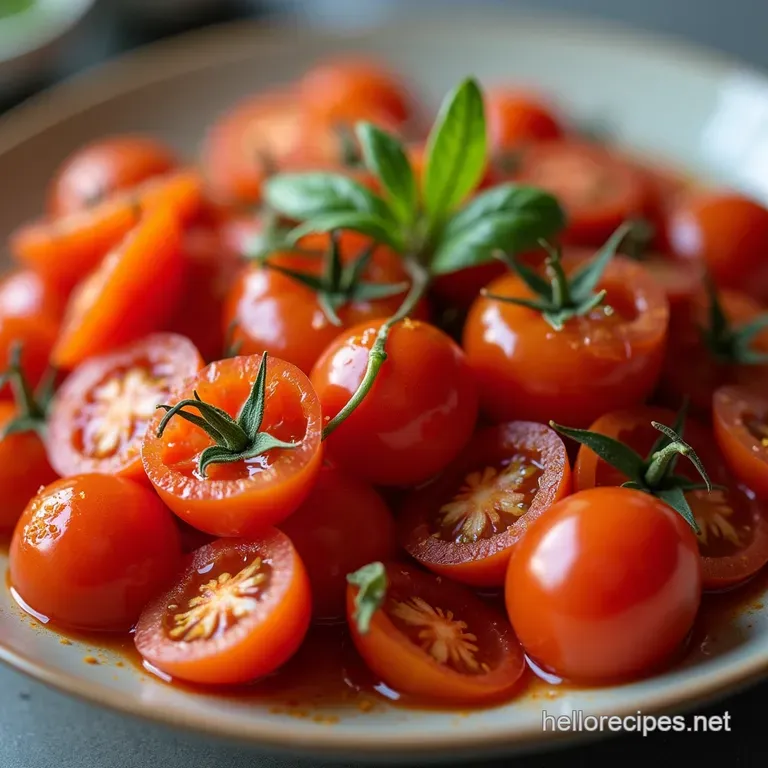
- Why We Must Lock In Peak Tomato Flavor: An Essential Guide
- Maximizing Your Harvest: The Three Pillars of Tomato Preservation Methods
- Stocking the Larder: Supplies Needed for Tomato Preservation
- Selecting and Preparing the Perfect Produce
- Method One: The Timeless Art of Water Bath Canning (Sauces & Whole)
- Method Two: Flash Freezing for Instant Meal Prep
- Method Three: Low-and-Slow Dehydration for Intense Flavor
- Troubleshooting Common Preservation Pitfalls
- Creative Culinary Uses for Your Preserved Bounty
- A Deep Dive into Tomato Preservation Methods Safety
- Recipe FAQs
- 📝 Recipe Card
Why We Must Lock In Peak Tomato Flavor: An Essential Guide
There is an almost sacred moment in the late summer garden when the tomatoes reach their absolute zenith bursting with sunshine, perfectly balanced between sweet and tart, and possessing an unparalleled aroma. For the dedicated home cook, this moment is a call to action.
Ignoring this bounty means settling for pale imitations the rest of the year. Mastering Tomato Preservation Methods isn't just about saving food; it’s about bottling the essence of summer to deploy throughout the lean months.
As a chef, I believe in respecting the process, transforming this incredible yield into versatile pantry staples using reliable techniques. Say goodbye to sad, watery supermarket tomatoes in winter!
This guide walks you through the three gold standard Ways to preserve tomatoes : simple water bath canning for rich sauce, flash freezing for quick weeknight additions, and low-and-slow oven drying for intense, chewy flavour bombs.
It’s all about capturing that peak summer sunshine in a jar, tin, or bag. This comprehensive look at How to preserve tomato ensures you have a reliable supply, whether you favour the robust results of traditional Italian tomato preservation or streamlined freezer meal prep tomatoes .
Maximizing Your Harvest: The Three Pillars of Tomato Preservation Methods
To truly honour a significant tomato haul we're talking 15 to 20 pounds of glorious fruit we rely on three foundational techniques. These pillars Canning, Freezing, and Dehydrating offer distinct advantages in texture and flavour profile, ensuring you have the right ingredient for every culinary demand that arises.
Successfully executing the Tomato preservation process requires organisation and respect for each method’s specific requirements.
The Chef’s Oath: Zero Tomato Waste Philosophy
My guiding principle in the kitchen, especially during harvest season, is simple: waste not, want not. Every tomato, from the flawless Roma destined for a perfect jar of sauce to the slightly bruised Beefsteak perfect for dicing, has a role.
This philosophy drives us to employ multiple preservation strategies simultaneously, ensuring every last piece of produce contributes to the winter larder. Whether it's blending seconds into a rich, Fresh tomato paste base or simply freezing them whole for later use in stocks, maximum utilisation is key.
Preparing Your Pantry for the Winter Feast
Before the actual preservation begins, you must prepare your staging area. This involves clearing space in the refrigerator for cooling jars, ensuring you have ample shelf space for cured goods, and designating a clear, accessible area in the freezer.
A well organised pantry is the reward for this hard work; think of this preparation as setting the stage for a glorious winter feast built entirely from your summer efforts.
Understanding Water Bath vs. Pressure Canning Basics
For high acid foods like tomatoes, the water bath method is often sufficient and certainly easier for home cooks. We utilize this method for our sauces and whole peeled tomatoes because the natural acidity, bolstered by added acidifiers, keeps the environment safe from spoilage organisms that thrive in low-acid environments.
Pressure canning, while excellent for low-acid vegetables like green beans, involves higher temperatures and is overkill for properly acidified tomatoes, though it remains a core method in comprehensive Amish tomato preservation guides.
Stocking the Larder: Supplies Needed for Tomato Preservation
To successfully embark on Tomato storage methods , you need more than just tomatoes; you need the right tools to ensure safety and longevity. Beyond the standard large stockpots and sharp knives, dedicated canning equipment is essential for success with the water bath method.
Having jar lifters, a canning funnel, and a headspace measuring tool prevents frustrating spills and ensures uniform sealing across all batches.
Selecting and Preparing the Perfect Produce
The quality of the final preserved product hinges entirely on the quality of the fresh ingredients you start with. You must select firm, ripe tomatoes, rejecting any that show signs of mould or significant bruising, as these can introduce undesirable enzymes into your preservation batches.
Essential Equipment Beyond the Pot and Pan
While any large pot can work in a pinch, a dedicated water bath canner is superior as it guarantees the jars remain fully submerged and suspended above the bottom of the pot. For drying methods, good quality, large baking sheets lined with parchment paper are indispensable to prevent sticking.
Choosing Tomatoes: Roma vs. Beefsteak for Different Methods
The choice of tomato variety profoundly impacts the final result. For canning sauces and achieving that thick, rich consistency, paste tomatoes like Romas are unparalleled. They possess lower water content, meaning less time spent simmering down watery liquid.
Conversely, slightly larger, fleshier Beefsteaks or heirloom varieties excel when quartered and frozen, as their robust structure holds up well to freezing and subsequent thawing for use in stews.
Acidity Adjustments: The Non-Negotiable Safety Step
This is the single most critical step for water bath canning tomatoes safely. Due to modern agricultural practices and natural variations, relying solely on the tomato’s natural acidity is risky.
To guarantee a pH level below 4.6, preventing the growth of dangerous bacteria, we must add a measured amount of bottled lemon juice or citric acid directly to each jar before processing. This intentional acidification is a fundamental part of safe Tomato preservation process .
Method One: The Timeless Art of Water Bath Canning (Sauces & Whole)

Canning is the classic route to shelf stability. For this, we will prepare a rich sauce. First, thoroughly wash about 12 lbs of firm Roma or paste tomatoes. Score a shallow 'X' on the bottom of each fruit.
Blanch these tomatoes briefly dip them into boiling water for 30 60 seconds until the skins just begin to loosen, then immediately plunge them into an ice bath. This thermal shock loosens the skin beautifully. Peel, core, and chop the tomatoes.
Place the prepared tomatoes (roughly 8 lbs yield for 8 pints) into a large pot, adding half a cup of fresh basil leaves and six peeled garlic cloves. Simmer gently, stirring often, until the sauce has reduced by about one-third, creating a thick, concentrated flavour base this takes about 1.5 to 2 hours.
Sterilizing Jars and Achieving a Perfect Seal
While the sauce simmers, sterilise your pint jars and keep them hot. Once the sauce is ready, taste and adjust seasoning. Next, the crucial acid step: add 2 tablespoons of bottled lemon juice to each hot, empty pint jar. Ladle the hot sauce into the sterilised jars, ensuring you leave precisely 1/2 inch of headspace.
Wipe the rims immaculately clean, apply your new lids, and screw bands on only until fingertip tight. Place the jars into the canner rack, ensuring the water covers the tops by at least one inch.
Bring to a full, rolling boil and process for the designated time (often 35– 40 minutes for altitude). Let them cool undisturbed for 12 to 24 hours before checking the seals.
Achieving Shelf Stability in Canned Tomato Halves
If you prefer whole or halved preserved tomatoes rather than sauce, the process is similar but quicker. After peeling and coring, place the tomato halves cut-side down into jars, again adding the required lemon juice.
Pack them tightly, cover with boiling water or hot tomato juice, leave 1/2 inch headspace, and process for the appropriate time. This is a fantastic technique for authentic Italian tomato preservation where the tomatoes retain more texture.
Related Recipes Worth Trying
- The Ultimate Tomato Burrata Salad with Basil Oil — Forget dull starters This Tomato and Burrata SaladDish elevates peak summer flavour with vibrant basil oil and rich balsamic Easy indulgent and ready in minutes
- Easy Roasted Tomatoes with Burrata Basil Drizzle — Forget fussy starters This Roasted Tomatoes with Burrata recipe is unbelievably simple but tastes gourmet Perfect for an easy get together food dinner Get...
- The Best Spanish Rice with Tomato Garlic Ole — Ready for The Best Spanish Rice with tomato garlic This vibrant side dish is packed with flavour Easy to make a guaranteed crowdpleaser Get the recipe
Method Two: Flash Freezing for Instant Meal Prep
For immediate usability and minimal texture alteration, freezing is unmatched. This is where freezer meal prep tomatoes shine, allowing you to toss frozen chunks directly into simmering pots without thawing. We use the sturdier Beefsteak varieties here, about 4 lbs worth.
The Best Way to Freeze Diced Tomatoes Without Ice Crystals
After blanching, peeling, and coring, dice or quarter the tomatoes. To prevent them from freezing into one giant, unusable clump, we employ flash freezing. Spread the cut tomatoes in a single layer across parchment lined baking sheets.
Place these trays into the freezer until the pieces are rock solid usually about two hours. Once frozen, transfer the solid pieces into heavy duty zip-top freezer bags. Squeeze out every last bit of air before sealing. This prevents freezer burn and keeps them perfectly separated for easy portioning later.
Method Three: Low-and-Slow Dehydration for Intense Flavor
Dehydration concentrates the sugars and acids into intense flavour bombs perfect for snacking, adding to salads, or rehydrating for winter sauces. This method is popular in many Amish tomato preservation traditions because it requires no special sealing equipment, just low heat over a long period.
Oven vs. Dehydrator: Comparing Sun-Dried Tomato Techniques
While a dedicated dehydrator is ideal, the standard home oven set to its lowest temperature (ideally around 175° F or 80° C) works perfectly. Slice the remaining tomatoes (Romas are excellent here) lengthwise. Lay them cut-side up on parchment lined trays.
Drizzle very lightly with olive oil and season well with salt and pepper. Bake for 6 to 10 hours, rotating the trays every two hours. The goal is leathery and chewy, not brittle.
Storing Homemade Dried Tomatoes for Longevity
Once cooled completely, you have options. For the longest shelf life, store them loosely packed in an airtight container in a cool, dark pantry. Alternatively, to capture the rich, oily flavour often associated with pomodori secchi , place the cooled dried tomatoes into sterilised jars and cover completely with good quality olive oil.
Remember that oil-packed goods require refrigeration after opening or should be processed in a water bath if you intend to store them long term at room temperature (which requires special safety precautions).
Troubleshooting Common Preservation Pitfalls
Even with the best intentions, things can occasionally go awry. Don’t panic; identifying the cause is the first step to remediation.
What To Do If Your Jars Don't Seal (And Why It Happens)
If, after 24 hours, the centre of the lid is not concave and pulls up with a ‘pop’ when pressed, the jar did not seal correctly. This is often due to unclean jar rims, insufficient headspace, or lids that were not new or were tightened too much/too loosely.
For small batches, simply refrigerate the unsealed jars and consume them within a week, or reheat them thoroughly and re-process them with new lids immediately.
Extending Shelf Life: Optimal Storage Temperatures
For all preserved goods, the enemies are heat, light, and humidity. Canned goods should be stored in a cool, dark cellar or pantry, ideally below 70° F ( 21° C). High temperatures drastically reduce the quality and nutritional value over time.
Frozen tomatoes, conversely, should be kept at 0° F (- 18° C) or lower for best quality.
Creative Culinary Uses for Your Preserved Bounty
Your hard work yields incredible versatility. A jar of canned sauce forms the backbone of a quick weeknight meal, while dehydrated tomatoes can be revived.
Transforming Canned Tomatoes into Quick Pantry Soups
When faced with a chilly evening, crack open a jar of your preserved sauce. Heat it gently, adding a little vegetable broth, sautéed onions, and perhaps some leftover rice or pasta. A splash of cream transforms it into a luxurious bisque. This is the ultimate expression of quick pantry cooking.
A Deep Dive into Tomato Preservation Methods Safety
Safety is paramount. When dealing with home preservation, we are essentially replicating commercial sterilisation processes, and adherence to tested guidelines is essential to prevent foodborne illness.
The Science Behind Maintaining Safe Acidity Levels
The primary concern in canning low-acid foods is Clostridium botulinum , the bacterium that causes botulism. While tomatoes are generally high acid, processing them in a water bath requires us to add acid (lemon juice) to ensure the entire contents of the jar are acidic enough a pH below 4.6 to stop this deadly spore from germinating.
This step is scientifically non-negotiable when using the water bath method for Tomato Preservation Methods .

Recipe FAQs
Tomato preservation methods in jars
The three cornerstone methods for preserving your tomato bounty are reliable water bath canning for sauce, flash freezing for fresh additions, and slow oven drying for concentrated flavor bombs. Always ensure you use high acid tomatoes or add bottled lemon juice for safe canning to prevent botulism risks.
Properly sealed jars should be stored in a cool, dark pantry, while frozen and dried tomatoes maintain excellent quality for up to a year.
Simple tomato preservation methods
For simple, reliable preservation, focus on water bath canning for sauces, flash freezing whole or chopped tomatoes on a tray, and oven drying slower ripening varieties. Always use firm, ripe tomatoes for the best flavor and texture retention across all methods.
Properly sealed canned goods should store safely in a cool, dark pantry for up to a year.
Preserving tomatoes the Italian way
Embrace the Italian tradition by focusing on quality preservation: use firm Roma or paste tomatoes for water bath canning to ensure a thick, stable sauce base. For the best flavour retention when freezing, blanching your chunks briefly prevents enzymatic breakdown, maintaining freshness.
Always ensure jars are properly sterilized and processed for the exact time specified to guarantee safe, long term storage of your tomato treasure.
Best tomato preservation methods
The three cornerstone tomato preservation methods are waterbath canning for shelf stable sauces, flash freezing for convenience, and oven drying for intense flavor. For safe canning, always adhere strictly to tested processing times using high acid tomato varieties or adding bottled lemon juice.
Properly dried tomatoes store best in airtight containers in a cool, dark pantry, while frozen tomatoes maintain quality for up to a year.
What is the best method of preserving tomatoes?
The best preservation methods depend on your end use: waterbath canning is ideal for shelf stable sauces, flash freezing works wonderfully for fresh additions, and oven drying concentrates flavor into intense gems. For safe canning, always follow tested recipes and process jars correctly to ensure a secure seal.
Properly dried tomatoes are best stored airtight in a cool, dark place to maintain their chewy texture.
How do amish preserve tomatoes?
Amish communities traditionally rely on time honored methods like water bath canning for rich sauces and whole tomatoes to ensure year round availability. They often favor firm paste varieties, such as Roma or Amish Paste tomatoes, as these hold their texture best through the canning process.
For immediate use or simpler storage, quick freezing whole or crushed tomatoes is also a reliable technique.
Tomato Preservation Trio

Ingredients:
Instructions:
Nutrition Facts:
| Calories | 312 kcal |
|---|---|
| Protein | 4.1 g |
| Fat | 2.7 g |
| Carbs | 18.9 g |
| Fiber | 8.2 g |
| Sodium | 76 mg |
