The Great British Bake off Winner Foolproof Crème Anglaise
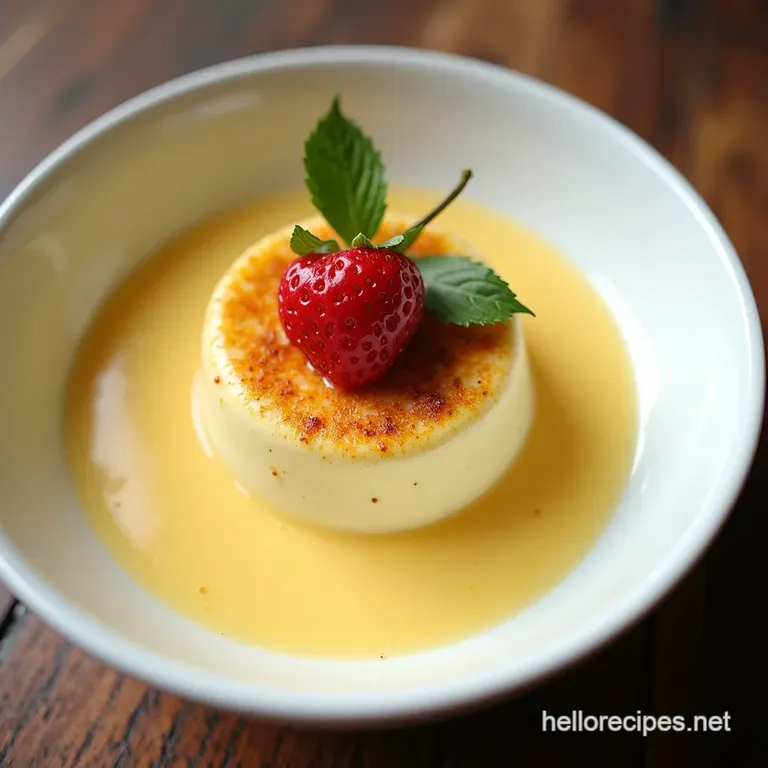
- The Great British Bake Off Winner: Foolproof Crème Anglaise (Classic Vanilla Custard)
- Why You Need This Custard Recipe
- Getting Started: Simple Good Stuff
- Core Shopping List
- Flavour Architecture
- Equipment & Mise en Place
- Before You Cook
- Guided Cooking Sequence: Mastering the Heat
- Save-It Section
- Mastery Notes & Perfect Pairings
- Foire Aux Questions (FAQ)
- 📝 Recipe Card
The Great British Bake Off Winner: Foolproof Crème Anglaise (Classic Vanilla Custard)
Right then, picture this: You’ve just pulled a proper sticky toffee pudding out of the oven. It smells amazing. But what makes it truly sing? It’s the river of golden, velvety liquid poured right over the top.
That, my friends, is what we’re making today the ultimate Homemade vanilla custard recipe .
We’re not messing about with packets here. This Foolproof Crème Anglaise is the real deal. It’s rich, silky smooth, and tastes like a hug from your Nan.
If you’ve ever been put off making crème anglaise from scratch because you think you’ll end up with sweet scrambled eggs, stick with me. We’re going to keep things dead simple and wonderfully luxurious.
Why You Need This Custard Recipe
Loads of recipes online promise the earth, but they gloss over the tricky bits. People always ask me three things: How do I stop it going lumpy? How thick should it actually be? And most importantly, how to temper egg yolks without panicking?
This guide sorts all that out. We nail the texture so you get that perfect custard recipe no lumps guarantee, every single time. We even show you the exact visual cue for the nappé stage custard test , so you know precisely when to take it off the heat.
Forget those thin, watery sauces; this is the foundation for the best sticky toffee pudding you’ll ever make.
Getting Started: Simple Good Stuff
The beauty of a silky smooth custard base is the ingredient list is tiny. Seriously, it’s humble stuff. We’re using whole milk and double cream here because, let's be honest, when you’re making something this good, you don't skimp on the dairy fat, do you?
Make sure your vanilla is top-notch a real pod if you have one, but a decent extract works wonders too. Remember, we’re aiming for that deep, warm flavour that makes people close their eyes when they take the first bite of their dessert. Now, let’s get that saucepan warmed up gently.
Related Recipes Worth Trying
- My Best Ever Silky Creamy Homemade Custard Recipe No Powder Mix — Ready for the best Creamy Homemade Custard Skip the powder mix and learn how to make custard the proper way This traditional vanilla custard recipe is silky...
- Apple Custard Impossible Pie OnePan Magic — Fancy a bit of magic This Apple Custard Impossible Pie is pure comfort A single batter transforms into apples custard No crust needed Get the easy recipe now
- Apple Custard Magic Irresistible Impossible Pie Recipe — Try my easy Irresistible Apple Custard Impossible Pie This selfcrusting magic pie is pure comfort A foolproof recipe even beginners can nail Get the recipe
Right then, let’s get cracking on a classic that truly separates the bakers from the dabblers: the perfect, silken custard . This isn't just any yellow goo; this is the foundation of so many brilliant desserts think proper trifle, or just spooning it over a cracking sticky toffee pudding.
We’re aiming for that utterly smooth texture, no lumps in sight! Making this yourself feels like unlocking a secret level in home cooking. We are aiming for that foolproof crème anglaise texture, and I promise, it’s easier than learning to parallel park on a busy London street.
Core Shopping List
Getting your bits and bobs together is half the battle won, honestly. For this luxurious pour, we need quality where it counts, especially with the dairy. You’ll need 1 cup (240 ml) of whole milk and 1 cup (240 ml) of heavy cream don’t skimp on the fat here; that’s where the magic happens.
We need 4 large egg yolks ; save those whites for meringues, eh? Then, a decent 1/3 cup (65 grams) of caster or granulated sugar, and just a whisper of salt.
If you can stretch to a real vanilla bean, split it open and scrape those tiny black specks out that’s where the real flavour for your homemade vanilla custard recipe comes from. If not, 1 teaspoon of good extract will do.
Flavour Architecture
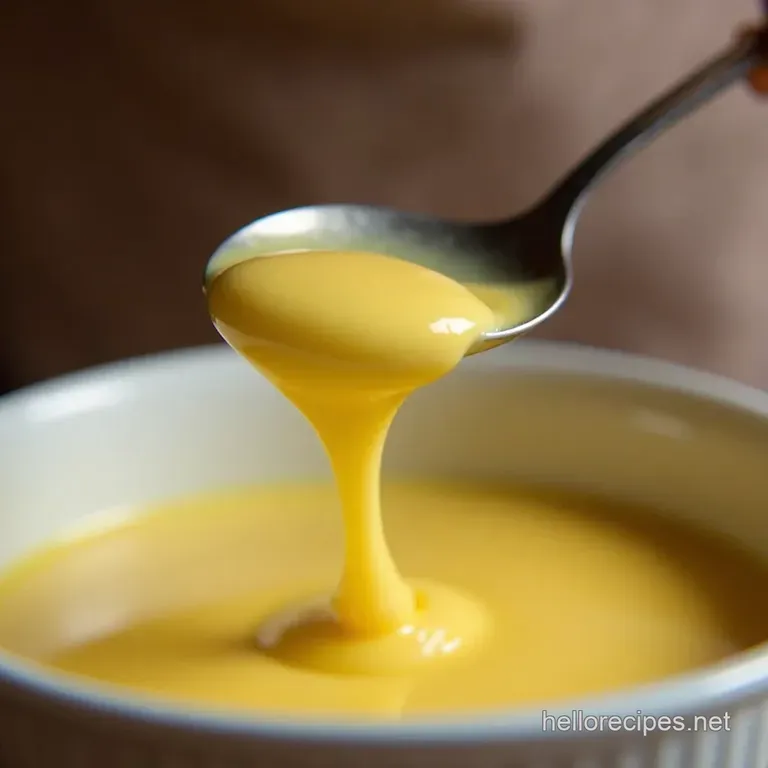
The flavour here needs to sing, not shout. The vanilla is the star, obviously, but the other quiet players matter too. The salt? It’s just a tiny pinch, but it wakes up the sweetness.
When it comes to boosting that flavour profile, the custard recipe no lumps relies on infusing the milk properly first. If you can’t get a good bean, instead of just using more extract later, try this: when you heat the milk, add a strip of lemon zest (just the yellow bit, mind).
Strain it out later. It won't taste like lemon, but it gives the vanilla an extra lift. That’s my little secret for a truly intense, silky smooth custard base .
Equipment & Mise en Place
You don't need a commercial kitchen for this. Grab a decent, heavy bottomed saucepan honestly, thin ones burn things instantly, trust me on that one. A whisk is non-negotiable; you need aeration! And most importantly, a fine mesh sieve. This sieve is your insurance policy against scrambled egg bits.
My top mise en place tip for this? Get your yolks and sugar whipped pale before the milk even starts steaming. Seriously, whisk that yolk and sugar until it’s lighter in colour this initial whisking helps stabilize them for when we how to temper egg yolks .
It makes the whole process flow better. Once cooked, strain it immediately to hit that perfect nappé stage custard test . This process of making crème anglaise from scratch is all about controlling the heat.
Right then, let's get cracking on a classic that truly separates the bakers from the dabblers: the perfect, silken custard. This isn't just any yellow goo; this is the foundation of so many brilliant desserts think crème brûlée, trifle, or just spooning it over a proper sticky toffee pudding.
We’re aiming for that utterly smooth texture, no lumps in sight! Making crème anglaise from scratch sounds fancy, but honestly, it’s dead simple if you mind the heat. This Foolproof Crème Anglaise is what we're after.
Before You Cook
Listen up, this stage is key. Before you even think about turning on the hob, get everything measured out. Rivals might tell you to rush this bit, but patience here saves tears later. We need the yolks and sugar whisked up until they are pale that’s called blanchir .
If you don't whisk them enough, the final mixture can taste a bit raw, and we certainly don't want bland flavour. Crucially, make sure your whisking arm is ready! And remember that little pinch of salt? Don’t skip it; it brightens up that vanilla no end.
Guided Cooking Sequence: Mastering the Heat
This is where the magic and potential disaster happens. We are making a Homemade vanilla custard recipe here, so focus.
- Heat your milk and cream with the vanilla gently. We are aiming for steaming hot, just flirting with boiling, but stopping short. If it boils, you’ve gone too far. Remove it, let it chill for the milk infusion for about 10 minutes, then take the pod out.
- Now for how to temper egg yolks . Slowly, slowly, slowly, drizzle about a third of that hot milk into your pale yolks while whisking like mad. Seriously, don't stop. If you pour too fast, you’ll end up with expensive scrambled eggs. Lesson learned that the hard way, believe me!
- Tip that tempered mixture back into the saucepan with the rest of the milk. Put it back on medium low heat.
- Stir constantly using a spatula, scraping the bottom. You must watch this like a hawk. We are cooking until we hit the nappé stage custard test . This means it coats the back of your spoon well. If you draw a line through it with your finger and the line stays put without the custard running back together, you’ve nailed it. This usually happens around 175° F ( 80° C) .
Save-It Section
If you are making this for a massive dessert spread, good news: you can absolutely make this ahead. Once strained and you must strain it for that silky smooth custard base —press plastic wrap right onto the surface and pop it in the fridge.
The flavours actually deepen overnight, making it a fantastic classic dessert sauce for the next day.
What if disaster strikes? If it looks like it’s starting to look grainy (a sign of slight overheating), immediately take it off the heat and whisk in a splash of cold milk or cream. That shock usually arrests the cooking process and saves the batch.
If it’s somehow too salty, a tiny bit more sugar stirred in off the heat can balance it out. Getting this Tart Custard Fill right means practice, but this technique makes How To Make Custard Easy .
Enjoy it over that Best Sticky Toffee Pudding —you’ve earned it!
Right then, let's get cracking on a classic that truly separates the bakers from the dabblers: the perfect, silken custard. This isn't just any yellow goo; this is the foundation of so many brilliant desserts think crème brûlée, trifle, or just spooning it over a proper sticky toffee pudding.
We’re aiming for that utterly smooth texture, no lumps in sight! Making crème anglaise from scratch is easier than you think, provided you respect the egg yolks.
Mastery Notes & Perfect Pairings
Taste & Texture Upgrades
If you want to elevate this from 'nice' to 'show stopping,' try infusing your dairy with a twist. Instead of just vanilla, try steeping a couple of cinnamon sticks in the milk and cream for ten minutes. It gives it a lovely, warm hug of flavour.
Plating wise, when serving this over something like a warm fruit tart or a slice of cake, don't just pour it on. Use a small jug and pour it around the edge, letting the steam rise up it looks smashing.
Frankly, this homemade vanilla custard recipe blows those instant powder jobs out of the water. They always end up a bit plasticky, don't they? We're aiming for that glorious silky smooth custard base here.
Nutrition & Dietary Paths
For the full fat version, expect about 190 calories per serving, with a decent punch of fat (around 12g) and about 13g of carbs. If you’re trying to cut back, you can swap the heavy cream for more whole milk, though you’ll lose a bit of that luxurious mouthfeel.
If you absolutely must skip the dairy, use a good quality, full fat oat milk. The process remains the same, but the flavour won’t be quite as deep, mind you. If you're watching sugar, you can reduce the amount by a tablespoon; this is the Foolproof Crème Anglaise so it’s forgiving!
Serving & Pairing Ideas
This classic dessert sauce is king when served warm alongside the best sticky toffee pudding you’ve ever made. If you chill it right down, it’s brilliant drizzled over fresh strawberries or used as a simple filling for a tart a proper Tart Cream Filling !
Leftovers? Keep them covered tight in the fridge for up to three days. Reheat gently on the hob on the lowest setting, stirring constantly. Do not let it simmer or it will separate a quick warm-up is all it needs.
Honestly, once you master how to make custard easy this way, you’ll never look back. Give this custard recipe no lumps technique a go this weekend; you won't regret it!
For deeper guidance, visit Egg Custards .
Foire Aux Questions (FAQ)
Comment éviter que mon Custard ne tourne et devienne grumeleux comme des œufs brouillés ?
C'est la hantise de tout cuisinier, n'est-ce pas ? Le secret réside dans la température et le tempérage des œufs. Il ne faut jamais, au grand jamais, faire bouillir votre mélange lait/œufs.
Lorsque vous ajoutez le lait chaud aux jaunes, faites-le toujours lentement, tout en fouettant vigoureusement (c'est le tempérage !), pour que les œufs s'habituent doucement à la chaleur sans coaguler d'un coup. Gardez la cuisson finale à feu doux.
Mon Custard est trop liquide après refroidissement. Est-ce récupérable ou ai-je raté ma recette ?
Pas de panique, cela arrive si la température n'a pas été atteinte ou si la quantité de jaunes était un peu juste. Si vous voulez une crème anglaise plus épaisse pour napper (comme pour un trifle), essayez de la remettre doucement sur feu très doux et de remuer avec une spatule jusqu'à ce qu'elle nappe le dos d'une cuillère (le fameux test du nappé).
Sinon, pour la prochaine fois, assurez vous de bien atteindre 77°C 80°C ou augmentez légèrement la quantité de jaunes d'œufs !
Combien de temps puis-je conserver ce Custard fait maison au réfrigérateur ?
Ce Custard classique se conserve très bien, mais toujours avec une astuce : couvrez-le immédiatement avec du film alimentaire en le plaçant directement sur la surface de la crème. Cela empêche la formation de cette "peau" désagréable en refroidissant.
Consommez-le dans les 3 à 4 jours pour une fraîcheur optimale, surtout si vous avez utilisé de la crème fraîche.
Puis-je utiliser autre chose que du lait entier et de la crème épaisse pour alléger un peu le dessert ?
Bien sûr, vous pouvez alléger la recette en utilisant du lait demi écrémé, mais attention : la texture sera moins riche et onctueuse, car la matière grasse aide énormément à l'onctuosité.
Si vous remplacez la crème par du lait, vous pourriez avoir besoin de passer par l'étape du tamisage deux fois, ou d'ajouter une demi cuillère à café de fécule de maïs au mélange jaune/sucre pour compenser la perte de corps.
J'ai peur de gâcher les œufs en les tempérant. Existe-t-il une méthode infaillible pour le tempérage du Custard ?
La méthode la plus sûre est de procéder lentement, tel un bon jardinier qui attend que les fleurs éclosent ! Prenez votre louche de lait chaud et versez-la sur les jaunes en fouettant sans arrêt, comme si vous mettiez la vie sauve à votre mélange.
Ne versez jamais plus d'un quart du liquide d'un coup au début. Une fois le mélange des jaunes réchauffé, vous pourrez le verser sans crainte dans la casserole restante.
Quel est le meilleur usage pour un Custard trop liquide ? Est-ce bon chaud ou froid ?
Si votre Custard est un peu trop liquide, il est parfait comme sauce d'accompagnement généreuse pour des desserts chauds et secs, comme un "Sticky Toffee Pudding" ou des crêpes, où il s'imprégnera joliment.
Il est délicieux servi tiède avec un dessert, ou bien frais (et légèrement plus épais) avec des fruits rouges ou une tarte aux pommes.
The Great British Bake Off Winner Foolproof Crem

Ingredients:
Instructions:
Nutrition Facts:
| Calories | 190 kcal |
|---|---|
| Protein | 6g |
| Fat | 12g |
| Carbs | 13g |
| Fiber | 0g |
