The Best Thai Coconut Soup: Silky and Aromatic
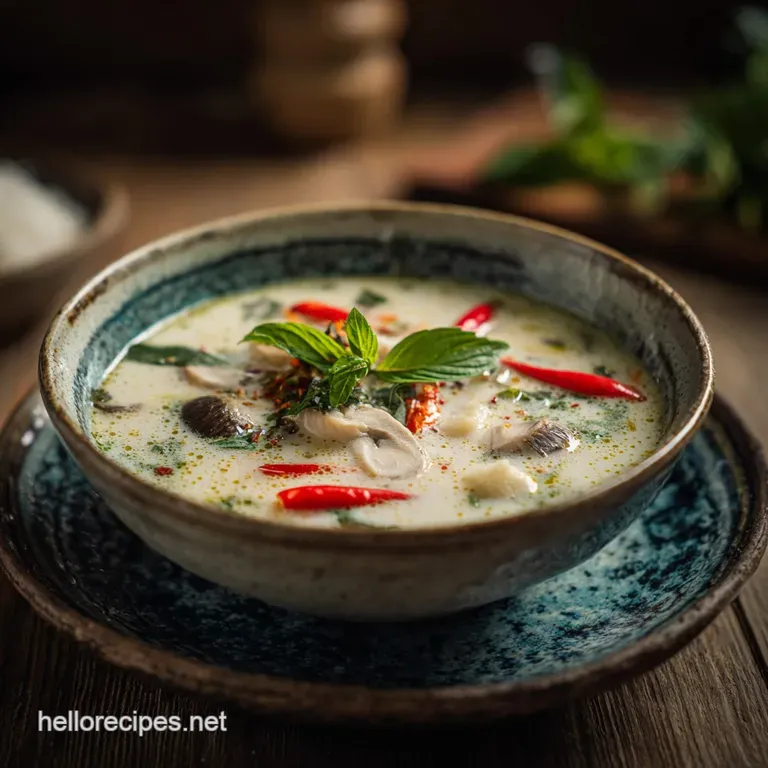
- Time:15 minutes prep + 20 minutes cook = 35 minutes total
- Flavor/Texture Hook: Zesty, creamy, and deeply savory
- Perfect for: A cozy weeknight dinner or an impressive starter for a multicultural feast
- Mastering The Best Thai Coconut Soup
- Essential Techniques For Maximum Aroma
- Critical Recipe Specs And Timing
- Authentic Ingredients And Best Substitutes
- Essential Tools For Better Broth
- Step-By-Step Guide To Success
- Solving Common Broth Related Issues
- Creative Swaps And Protein Alternatives
- Managing Leftovers And Storage Safety
- Professional Plating And Garnish Ideas
- CRITICAL Sodium Alert
- Recipe FAQs
- 📝 Recipe Card
Mastering The Best Thai Coconut Soup
The first time I really understood the soul of galangal, I was standing in a tiny, steam filled kitchen where the air smelled like citrus and wet earth. I had always swapped it for ginger, thinking they were cousins, but I was so wrong. Galangal is the ingredient hero here, and it’s the hill I will die on.
While ginger is spicy and warm, galangal is sharp, piney, and almost medicinal in a way that cuts right through the heavy richness of coconut milk. Without it, you’re just making a coconut curry soup, but with it, you are making the best thai coconut soup you’ve ever tasted.
When you tear a fresh kaffir lime leaf and drop it into a simmering pot of bone broth, the fragrance that hits you is nothing short of vibrant. It’s a sensory wake up call. We aren’t just boiling chicken here, we are building a multi layered aromatic foundation.
This soup, known traditionally as Tom Kha Gai, is all about the "salt acid funk" balance. It’s a dish that teaches you how to trust your palate. You’ll learn to taste for that specific moment when the lime juice brightens the fat, and the fish sauce adds a hidden depth that makes the whole room smell like a dream.
I’ve made the mistake of let the broth reach a violent, rolling boil after adding the coconut milk, only to watch it split into a grainy mess. It was heartbreaking. But those lessons are why I’m texting you this today.
We’re going to treat the coconut milk like silk, poaching the chicken until it’s just barely opaque and incredibly tender. If you’ve ever felt intimidated by Thai flavors, let this be your gateway.
It’s simple, it’s fast, and it is honestly one of the most rewarding things you can simmer on your stove.
Essential Techniques For Maximum Aroma
Understanding how these ingredients interact is what separates a flat soup from one that truly sings. The secret isn't in a long simmer, but in the precision of the infusion and the temperature of the dairy.
- Aromatic Infusion: Bruising the lemongrass and tearing the lime leaves breaks the cell walls, releasing essential oils into the broth before the solids are even strained.
- Temperature Control: Keeping the heat at a gentle simmer prevents the coconut fat from separating, ensuring the broth remains velvety rather than oily.
- Acid Timing: Adding lime juice after the heat is turned off preserves its bright, volatile compounds which would otherwise turn bitter if boiled.
- Fat Soluble Flavor: The bird’s eye chilies release their heat into the coconut fat, which coats your tongue and mellows the spice, creating a slow, pleasant burn.
Infusing The Aromatic Base
The first ten minutes are the most important part of the entire process. You aren't just heating liquid, you are extracting the soul of the galangal and lemongrass. If you rush this, the soup will taste like plain coconut milk.
You want the broth to take on a slightly tan hue and smell intensely of citrus and pine before you even think about adding the cream. I like to use a heavy bottomed pot to ensure the heat is distributed evenly, preventing the aromatics from scorching at the bottom.
Maintaining Emulsion Stability
Coconut milk is a natural emulsion of fat and water. When you hit it with high heat, that bond breaks. This is why we never let the soup reach a "rolling boil" once the white cans are emptied into the pot. You’re looking for those tiny, lazy bubbles that just barely break the surface. This gentle heat also ensures the chicken breast stays tender. High heat toughens protein fibers, but a gentle poach keeps the sliced chicken silky and moist, similar to the texture you find in high end velvety chicken noodle soup.
Balancing The Final Seasoning
Thai cooking relies on the "big three": salt (fish sauce), acid (lime), and sweet (palm sugar). The fish sauce provides a fermented, savory backbone that salt alone cannot achieve. If you’re worried about the smell, don't be. Once it hits the broth, the "fishiness" transforms into pure umami.
The palm sugar isn't there to make it a dessert, but to round off the sharp edges of the lime and chili. It’s about harmony, not dominance.
| Method | Total Time | Texture | Best For |
|---|---|---|---|
| Stovetop Simmer | 35 minutes | Velvety and bright | Traditional flavor, quick weeknight meal |
| Oven Infusion | 50 minutes | Deep and earthy | Pre making broth base for large parties |
| Slow Cooker | 4 hours | Softest aromatics | Hands off prep, though lime loses punch |
Critical Recipe Specs And Timing
Before you grab your apron, let's look at the numbers. This isn't a "stew" that needs hours on the stove. In fact, overcooking this soup is the quickest way to lose the vibrant notes we’re working so hard to build. Precision in the poaching phase is your best friend here.
| Component | Purpose | Pro Secret |
|---|---|---|
| Galangal | Earthy, piney base | Slice thin to maximize surface area for infusion |
| Coconut Milk | Creamy fat carrier | Use full fat only, or the soup will feel watery |
| Lime Juice | Brightness and lift | Always squeeze fresh, bottled juice tastes metallic |
| Bone Broth | Savory foundation | High collagen content adds a better mouthfeel |
Maintaining a strict 35 minute total window ensures that the mushrooms stay plump and the chicken doesn't turn into rubber. If you've ever made a leek and potato soup, you know how important that final texture is. Here, we want the broth to be thin enough to sip but rich enough to coat a spoon.
Authentic Ingredients And Best Substitutes
I always recommend finding a local Asian market for the freshest aromatics, but I know life happens. If you can’t find kaffir lime leaves, don't just leave them out without a backup plan.
They provide a specific floral note that is hard to mimic, but a mix of lime zest and a tiny drop of lemon extract can get you 80% of the way there in a pinch.
- 4 cups chicken bone broth: Provides the savory base.
- 2 stalks fresh lemongrass: Bruised to release oils. Why this? Essential for that characteristic woody citrus fragrance.
- 1 inch fresh galangal: Sliced thin. Why this? It provides the "Kha" in Tom Kha, offering a unique piney heat.
- 6 fresh kaffir lime leaves: Torn to release aroma.
- 3 Thai bird’s eye chilies: Bruised for controlled heat.
- 2 cans (13.5oz each) full fat coconut milk: For a rich, velvety texture.
- 1 lb chicken breast: Thinly sliced against the grain.
- 8 oz straw mushrooms: Halved for bite sized pieces.
- 3 tbsp fish sauce: The primary source of salt and umami.
- 1 tbsp palm sugar: Mellows the acid and salt.
- 1/4 cup lime juice: Adds the necessary bright finish.
- Garnishes: 1/2 cup fresh cilantro, 2 stalks green onions, 1 tbsp Thai chili oil.
| Original Ingredient | Substitute | Why It Works |
|---|---|---|
| Galangal | Ginger + Lemon Zest | Adds heat and citrus, though lacks the pine notes |
| Palm Sugar | Brown Sugar | Provides similar molasses like sweetness and color |
| Straw Mushrooms | Button Mushrooms | Similar texture, though less earthy than straw mushrooms |
Essential Tools For Better Broth
You don't need a professional kitchen, but a few specific tools make this process much smoother. I prefer using a heavy bottomed stainless steel pot or a Dutch oven. These hold heat consistently, which is vital when you are trying to maintain that "lazy simmer" we talked about.
A sharp chef's knife is also non negotiable for slicing the galangal into translucent rounds and the chicken into thin strips.
A citrus juicer will help you get every last drop of lime juice without the seeds, and a fine mesh strainer is helpful if you prefer to remove the aromatics before serving. In Thailand, the lemongrass and galangal are usually left in the bowl for aesthetic reasons, but they aren't meant to be eaten.
If you're serving this to kids or someone new to Thai food, straining them out prevents a "woody" surprise.
step-by-step Guide To Success
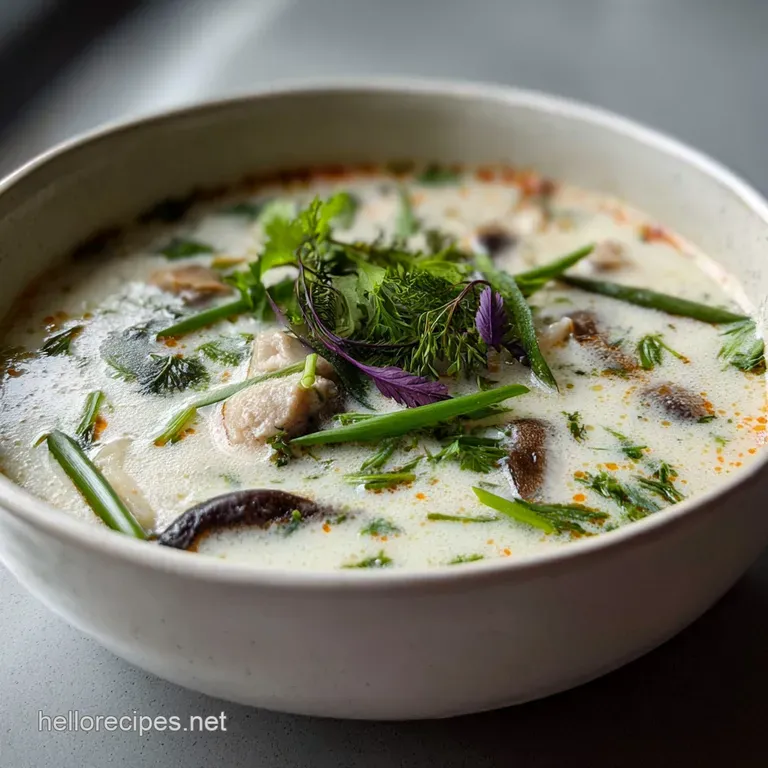
- Infuse the broth. Place the 4 cups of chicken bone broth in a large pot over medium high heat. Add the bruised lemongrass, sliced galangal, torn kaffir lime leaves, and bird’s eye chilies. Note: Bruising the chilies allows the heat to escape without making the soup overwhelmingly spicy.
- Simmer for 10 minutes. Bring the mixture to a gentle boil, then immediately reduce the heat to low. Let it simmer until the kitchen smells intensely aromatic.
- Add the coconut milk. Pour both cans of full fat coconut milk into the infused broth. Stir gently with a wooden spoon to combine the fats with the broth. The broth should turn a creamy, pale white.
- Incorporate protein and mushrooms. Add the thinly sliced chicken breast and the halved straw mushrooms to the pot. Note: Slicing the chicken thinly ensures it cooks evenly and stays tender.
- Maintain a gentle simmer. Cook over medium low heat for 5 to 8 minutes. Watch for the chicken to turn opaque and the mushrooms to soften slightly. Avoid a rolling boil at all costs.
- Season with salt and sweet. Stir in the 3 tbsp of fish sauce and 1 tbsp of palm sugar. Continue stirring until you can no longer see the sugar crystals at the bottom.
- Remove from heat. Take the pot off the burner entirely. This is a crucial step before adding the acid.
- Brighten with lime. Stir in the 1/4 cup of fresh lime juice. The aroma will suddenly become sharp and fresh.
- Taste and adjust. Sip a small spoonful. If it’s too salty, add a pinch more sugar. If it’s too rich, add a splash more lime juice.
- The finishing garnish. Ladle into bowls and top with fresh cilantro, sliced green onions, and a swirl of Thai chili oil for a vibrant pop of color.
Solving Common Broth Related Issues
Even with the best intentions, things can go sideways. The most common heartbreak with this soup is separation. If you see white clumps floating in a clear liquid, your heat was likely too high. While it still tastes good, the texture won't be that signature "velvety" finish we are aiming for.
The Broth Tastes Flat
If your soup tastes like coconut water with chicken, you likely skipped the infusion time or your aromatics were old. Freshness is everything. You can try to "cheat" some flavor back in by adding a teaspoon of Thai red curry paste, but the better fix is to smash an extra stalk of lemongrass and let it steep in the hot soup for 5 more minutes before serving.
The Chicken Is Rubbery
This happens when the chicken is boiled rather than poached. High temperatures cause the protein strands to tighten and squeeze out moisture. If you realize your broth was boiling too hard, pull the chicken out immediately. Next time, try to keep the temperature of the liquid around 180°F.
| Problem | Root Cause | Solution |
|---|---|---|
| Curdled Broth | Heat was too high after adding coconut milk | Whisk vigorously or use an immersion blender briefly |
| Overly Fishy Smell | Too much fish sauce or low quality brand | Add a squeeze of lime and a pinch of sugar to balance |
| Lack of Spice | Chilies weren't bruised enough | Slice the chilies open or add a teaspoon of chili oil |
Common Mistakes Checklist
- ✓ Never boil the soup once the coconut milk is added to prevent curdling.
- ✓ Don't forget to bruise the lemongrass with the back of a knife to release the oils.
- ✓ Always add the lime juice after removing the pot from the heat to keep the flavor bright.
- ✓ Avoid using light coconut milk; the lack of fat results in a thin, unsatisfying broth.
- ✓ Slice the chicken against the grain to ensure every bite is tender and easy to chew.
Creative Swaps And Protein Alternatives
While "Gai" stands for chicken, this broth is a versatile canvas. You can easily pivot to a seafood version by swapping the chicken for 1 lb of large prawns. Just remember that prawns cook much faster, usually in about 2 to 3 minutes.
Adding them at the very end prevents them from becoming tough and "rubbery."
For a plant based version, replace the chicken bone broth with a high-quality vegetable stock and swap the chicken for extra mushrooms or firm tofu. The biggest challenge is the fish sauce. You can find "vegan fish sauce" made from pineapple or fermented soy, or simply use a light soy sauce with a pinch of extra salt.
It won't have the same fermented funk, but it will still be a vibrant and satisfying meal.
Chef Tip: If you want a heartier meal, serve the soup over a small scoop of steamed jasmine rice. The rice soaks up the creamy broth, making it feel more like a main course than a light starter.
Managing Leftovers And Storage Safety
This soup actually tastes better the next day because the aromatics continue to steep in the cold broth. However, you must be careful with reheating. Store the soup in an airtight glass container in the fridge for up to 3 days. When you’re ready to eat, heat it slowly on the stove over low heat.
If you microwave it on high, you risk the coconut milk splitting.
I don't recommend freezing this soup. Coconut milk tends to undergo a structural change when frozen and thawed, often resulting in a grainy texture that is difficult to fix. If you must freeze it, do so without the chicken and mushrooms.
Freeze only the infused broth, then add fresh protein and lime juice when you reheat it. To reduce waste, save the woody ends of your lemongrass and freeze them to use in your next batch of homemade vegetable or chicken stock.
Professional Plating And Garnish Ideas
Presentation is where you can really show off the multicultural fusion of this dish. I love using wide, shallow bowls that allow the bright red chili oil to swirl across the white surface of the soup. The contrast of the green cilantro against the creamy broth is classic for a reason.
The Contrast Garnish
Don't just dump the cilantro on top. Pick the leaves carefully and scatter them with intention. I also like to add a few very thin rings of fresh red chili for those who want an extra kick. The green onions should be sliced on a sharp bias to give them a "restaurant style" look.
If you’re feeling fancy, a few segments of fresh lime on the side of the bowl allow guests to customize their own acidity levels.
Serve With Rice
While the soup is traditionally eaten as is, serving it with a side of fragrant jasmine rice is a game changer. The rice acts as a sponge for all those complex flavors. You can even infuse your rice with a bit of coconut water or a torn lime leaf while it steams to tie the whole meal together.
This turns a light soup into a vibrant, filling feast that feels both sophisticated and deeply grounded in home cooked comfort. Every spoonful should be a balance of silk, heat, and citrus. Trust your taste buds, keep the heat low, and enjoy the best thai coconut soup you’ve ever made in your own kitchen.
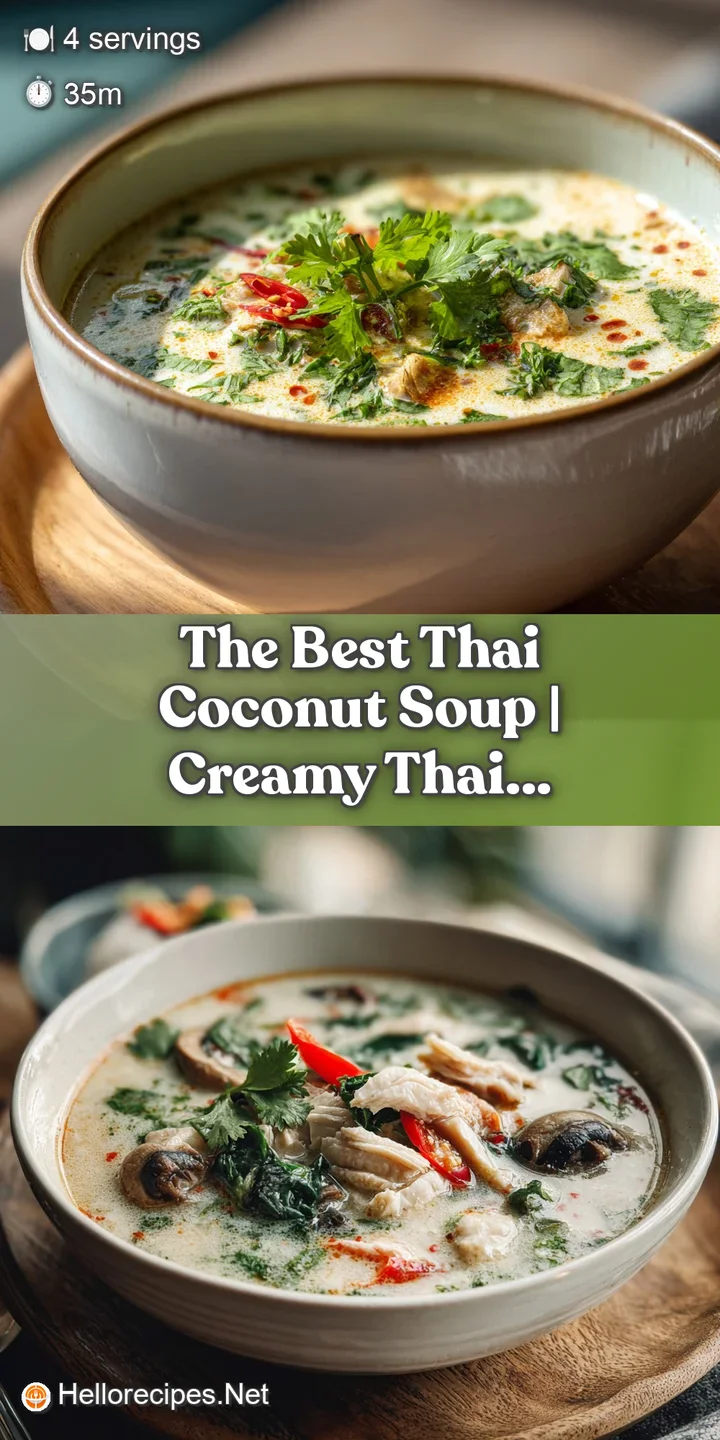
CRITICAL Sodium Alert
1580 mg 1580 mg (69% 69% of daily value)
The American Heart Association recommends limiting sodium intake to no more than 2,300mg per day, with an ideal limit of under 1,500mg for most adults.
Tips to Reduce Sodium in Your Tom Yum Soup
-
Choose Low-Sodium Broth-30%
Replace the 4 cups of regular chicken bone broth with low-sodium or no-salt added chicken bone broth. This is the single biggest contributor to sodium in this recipe.
-
Reduce Fish Sauce-20%
Fish sauce is very high in sodium. Try reducing the amount from 3 tablespoons to 1.5 tablespoons. You can boost flavor with other aromatics.
-
Be Mindful of Chili Oil-10%
Thai chili oil can contain added sodium. Look for a low-sodium or no-salt added version, or reduce the amount used to 0.5 tablespoon.
-
Maximize Aromatics and Herbs
Don't shy away from the lemongrass, galangal, kaffir lime leaves, chilies, cilantro, and green onions. These ingredients provide abundant fresh flavor without adding sodium.
Recipe FAQs
Why did my coconut milk look curdled?
Avoid using a rolling boil once the coconut milk is added. High heat causes the fat to separate from the liquid, so always maintain a gentle simmer to keep the texture smooth and creamy.
How to get the most flavor out of the aromatics?
Bruise the lemongrass and chilies with the back of a heavy knife before adding them to the broth. This physical action breaks the fibers and releases essential oils, ensuring the broth becomes deeply aromatic during the 10-minute simmer.
Is it true I can swap full fat coconut milk for light?
No, this is a common misconception. You must use full fat coconut milk because the fat content is essential for creating the rich, velvety mouthfeel required for a classic Thai soup. If you enjoyed the technique of creating a creamy velvety sauce here, you can apply similar logic to achieve consistent textures in other dishes.
How to ensure the chicken breast stays tender?
Slice the chicken thinly against the grain and simmer for only 5-8 minutes. Overcooking chicken breast in soup leads to a rubbery texture, so monitor the pot closely until the meat is just cooked through.
Why add the lime juice after removing the pot from the heat?
Retain the brightness and prevent bitterness. Cooking lime juice at high temperatures can dull its fresh, acidic flavor, so stirring it in at the very end ensures the soup remains vibrant.
How to manage the spice level?
Adjust the number of bird’s eye chilies used during the infusion step. Since the chilies are bruised and steeped, removing them before serving ensures the heat level stays manageable and balanced for your preference.
Are the lemongrass, galangal, and lime leaves meant to be eaten?
No, these aromatics are strictly for infusion. They have a very tough, woody texture that is unpleasant to chew, so simply push them aside while eating your bowl.
The Best Thai Coconut Soup
Ingredients:
Instructions:
Nutrition Facts:
| Calories | 681 kcal |
|---|---|
| Protein | 45.8 g |
| Fat | 49.3 g |
| Carbs | 13.9 g |
| Fiber | 1.8 g |
| Sugar | 6.2 g |
| Sodium | 1580 mg |
