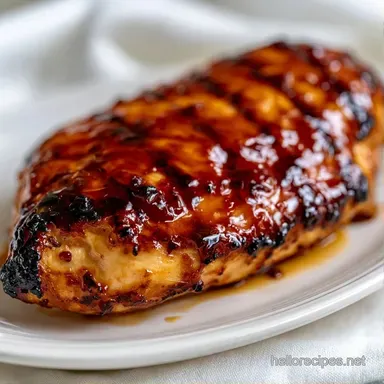
Failure-Proof Teriyaki Grilled Chicken Breast
- Time: 10 min active + 30 min chilling
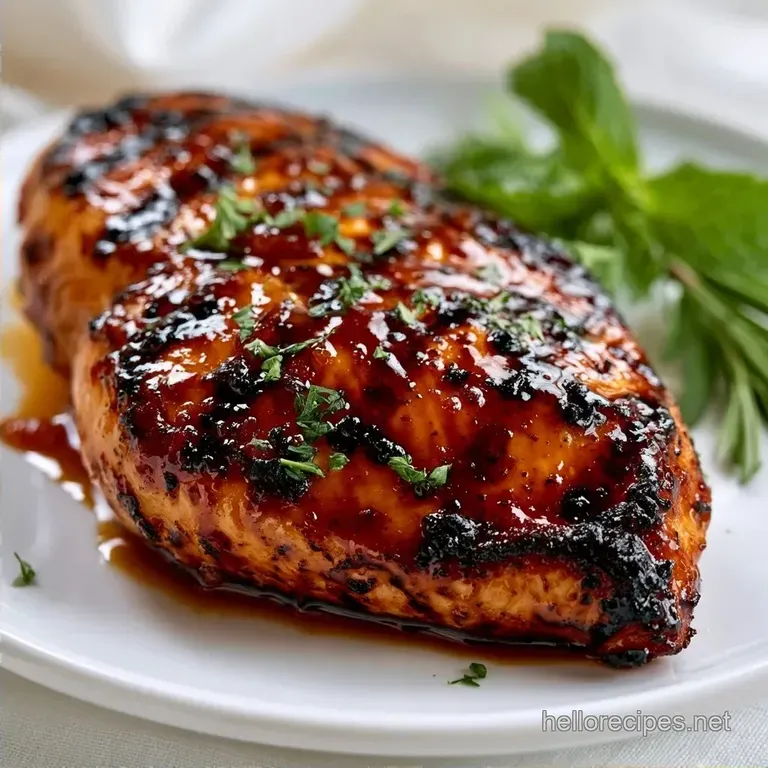
- Flavor/Texture Hook: Sticky, mahogany glaze with charred edges
- Perfect for: Weeknight meal prep or a fast dinner
That loud, aggressive sizzle when the meat hits a hot grate is the best part of grilling. But for most of us, chicken breasts are a gamble. You either end up with a center that's raw or outer edges that have the texture of a rubber band.
I've spent way too many dinners staring at a piece of meat that's burnt on the outside and cold in the middle.
The problem is the shape. Chicken breasts are tapered, meaning the thin end overcooks while the thick part struggles to reach a safe temperature. This recipe fixes that by changing the architecture of the meat before it even touches the marinade.
You can expect a juicy, tender result with a thick, glossy coating. This Teriyaki Grilled Chicken Breast doesn't rely on long marinating times, which can actually break down the meat too much and make it mushy. Instead, we use a over high heat sear and a timed glaze.
The Trick for Even Cooking
The biggest mistake people make is grilling the breast as it comes from the store. To get an even cook, you have to pound the meat. Using a mallet to flatten the thickest part to about 1.9 cm means every square inch of the chicken hits the grill heat at the same time. According to Serious Eats, uniform thickness is the only way to avoid the "dry edge" syndrome.
Another point is the sugar. Teriyaki sauce is heavy on honey and brown sugar, which burn fast. If you glaze the chicken from the start, you get a black, bitter crust before the meat is cooked.
By reserving a portion of the sauce for the final 3 minutes, you get that deep mahogany color without the burnt taste.
Uniform Thickness: Pounding the meat prevents the outer edges from drying out before the center hits 74°C. Sugar Timing: Adding the glaze at the end stops the honey from burning during the initial sear.
| Method | Time | Texture | Best For |
|---|---|---|---|
| Fast (Pounded) | 15 min | Tender & Juicy | Weeknights |
| Classic (Whole) | 25 min | Varies by section | Sunday Roast |
Ingredient Role Breakdown
| Ingredient | What It Does | Best Swap |
|---|---|---|
| Soy Sauce | Adds salt and deep umami | Tamari (for gluten-free) |
| Mirin | Adds a mild sweetness and gloss | Rice vinegar + sugar |
| Honey | Creates the sticky glaze | Maple syrup |
| Fresh Ginger | Adds a sharp, peppery bite | 1/2 tsp ground ginger |
Required Kitchen Gear
You don't need a professional setup, but a few tools make this faster. A meat mallet is non negotiable here. If you don't have one, a heavy rolling pin or the bottom of a cast iron skillet works.
You'll also need a grill, gas or charcoal, that can hold a steady 200°C. A silicone basting brush is better than a metal one because it holds more sauce and doesn't scratch your grates.
Finally, use a digital meat thermometer to stop the cooking the second the chicken hits 74°C.
The Cooking Process
Phase 1: Prepping and Marinating
Place the chicken breasts between two sheets of plastic wrap. Use the mallet to pound the thickest parts until the whole piece is about 1.9 cm thick. This ensures the Teriyaki Grilled Chicken Breast cooks in a predictable window.
Whisk together the soy sauce, mirin, brown sugar, honey, ginger, garlic, sesame oil, and sriracha. Pour about 60ml of this mixture into a small bowl and set it aside for the final glaze.
Put the pounded chicken in a sealed bag and pour in the rest of the marinade. Let it sit in the fridge for 30 minutes. Don't go over 4 hours, or the salt will start to cure the meat and change the texture.
Phase 2: The over High heat Sear
Heat your grill to 200°C. Lightly oil the grates with a paper towel dipped in neutral oil to prevent sticking.
Take the chicken out of the bag and shake off the excess marinade. Grill the breasts for 6 to 8 minutes per side. You're looking for clear, dark grill marks and a firm feel when pressed.
Phase 3: The Final Mahogany Glaze
During the last 2-3 minutes of cooking, brush the reserved glaze onto the chicken. Flip the meat and brush the other side.
Wait until the sauce bubbles and turns a dark, sticky brown. This happens quickly, so stay close to the grill. Remove the chicken the moment it reaches 74°C internally.
Fixing Common Problems
Sauce Burns Too Quickly
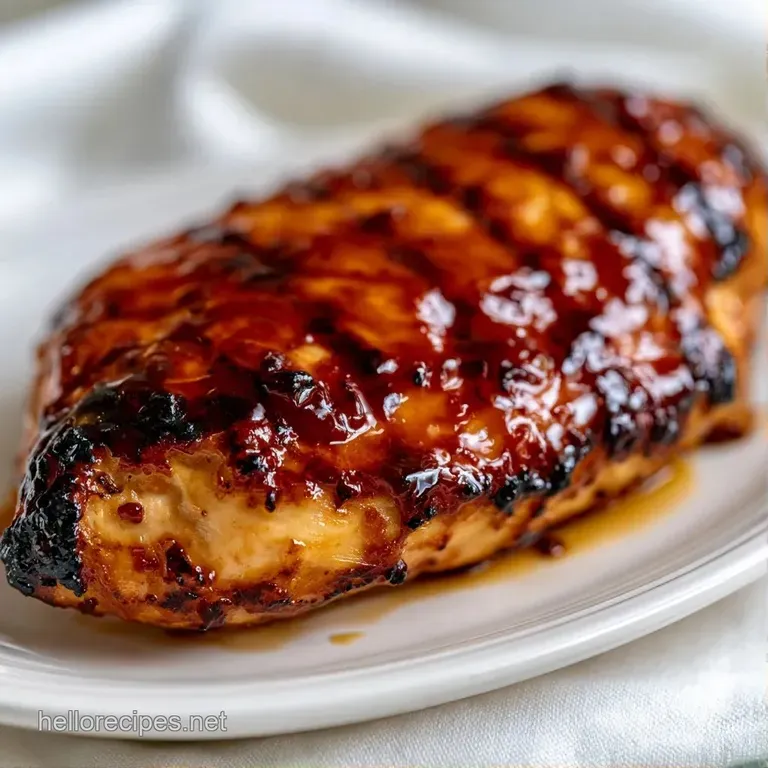
This usually happens if the grill is too hot or if you apply the glaze too early. Sugar caramelizes at a specific temperature, and once it crosses that line, it turns to carbon.
Dry Chicken Issues
Dryness is almost always a result of overcooking. Even two extra minutes on the grill can push a breast from juicy to chalky. Use a thermometer to avoid guessing.
Lack of Char Marks
If your chicken looks steamed rather than grilled, your grates weren't hot enough. The meat should hiss loudly the moment it touches the metal.
| Problem | Root Cause | Solution |
|---|---|---|
| Bitter Taste | Burnt sugar | Glaze only in the last 3 mins |
| Rubbery Texture | Overcooked | Pull at 74°C internal temp |
| Sauce is Runny | Didn't reduce | Brush on multiple thin layers |
Creative Twists and Swaps
If you want to move away from the traditional flavor, try adding a squeeze of fresh lime juice to the glaze. It cuts through the sugar and brightens the whole dish. For a spicy version, double the sriracha or add a teaspoon of crushed red pepper flakes to the marinade.
You can also use this meat for other meals. For example, slicing this Teriyaki Grilled Chicken Breast and stuffing it into tortillas makes for great grilled chicken tacos. If you prefer something more citrus forward, you might like my seasoned lemon herb chicken for a different vibe.
Decision Shortcut: If you want more heat, add 1 tsp chili garlic paste. If you want it sweeter, swap brown sugar for more honey. If you want a smoky flavor, use a charcoal grill with a few hickory chips.
Adjusting the Batch Size
Scaling this recipe is straightforward, but don't just multiply everything blindly. When doubling the recipe, increase the salt and spices to only 1.5x. Too much soy sauce in a large batch can make the marinade overly salty.
For a half batch, use a smaller grill area to keep the heat concentrated. If you're cooking for a crowd, work in batches. Crowding the grill drops the surface temperature, which means you'll lose that sear and the chicken will start to steam.
| Batch Size | Meat Quantity | Marinade Adjustment | Grill Strategy |
|---|---|---|---|
| Single (1) | 170g breast | Full ratio | Single zone |
| Half (1/2) | 85g breast | Halve all ingredients | Small pan/grate |
| Double (2x) | 340g breast | 1.5x spices/soy | Two batches |
Common Myths
Searing meat doesn't "lock in" the juices. That's a common misconception. The sear creates flavor through browning, but moisture loss happens regardless of how you start the cook. The real key to juiciness is the internal temperature.
Marinating for 24 hours isn't better. With a high salt marinade like teriyaki, leaving the meat too long actually draws moisture out of the muscle fibers, leaving you with a denser, drier piece of chicken. 30 minutes to 2 hours is the sweet spot.
Storage and Waste Tips
Store leftovers in an airtight container in the fridge for 3 to 4 days. To reheat, use a pan over medium heat with a splash of water. This creates steam that prevents the chicken from drying out again. You can freeze the cooked breasts for up to 2 months, though the texture of the glaze changes slightly.
To avoid waste, save your ginger and garlic scraps. If you have leftover marinade in the bag, do not use it as a sauce unless you boil it first for 5 minutes to kill any bacteria from the raw meat. Better , use the leftover ginger peels to infuse a tea or add them to a vegetable stock.
Serving and Plating
To make this look like it came from a restaurant, slice the Teriyaki Grilled Chicken Breast on a bias. This creates longer, thinner strips that show off the juicy interior against the dark glaze.
Plate the slices over a bed of steamed jasmine rice or sautéed bok choy. Sprinkle a handful of toasted sesame seeds and thinly sliced green onions over the top for a pop of color. A side of steamed broccoli or snap peas balances the sweetness of the teriyaki perfectly.
Recipe FAQs
Can I eat grilled teriyaki chicken if I have diabetes?
No, proceed with caution. The brown sugar and honey in the marinade significantly increase the glycemic load of the dish.
How long to marinate chicken in teriyaki sauce before grilling?
Marinate for at least 30 minutes. This window allows the soy and ginger to penetrate the meat without breaking down the protein structure.
Do you put teriyaki sauce on chicken before or after cooking?
Both. Marinate the meat first for deep flavor, then brush the reserved glaze on during the final 2-3 minutes of grilling for caramelization.
What goes good with grilled teriyaki chicken?
Steamed vegetables and whole grains. These breasts pair perfectly with brown rice for a balanced meal.
Is it true that pounding the chicken breasts is optional?
No, this is a common misconception. Pounding the meat to a uniform 3/4 inch thickness is essential to ensure the chicken cooks evenly without drying out.
How to cook this recipe in a kitchen without an outdoor grill?
Use a grill pan or cast-iron skillet over medium-high heat. Sear for 6-8 minutes per side, applying the glaze during the final few minutes.
Can I use the leftover marinade as a dipping sauce?
No, not without boiling. You must boil the used marinade for 5 minutes to kill bacteria from the raw meat before serving.
Teriyaki Grilled Chicken Breast for 6