Sweet Potato Casserole with Brown Sugar Pecan Streusel (Chefs Classic)
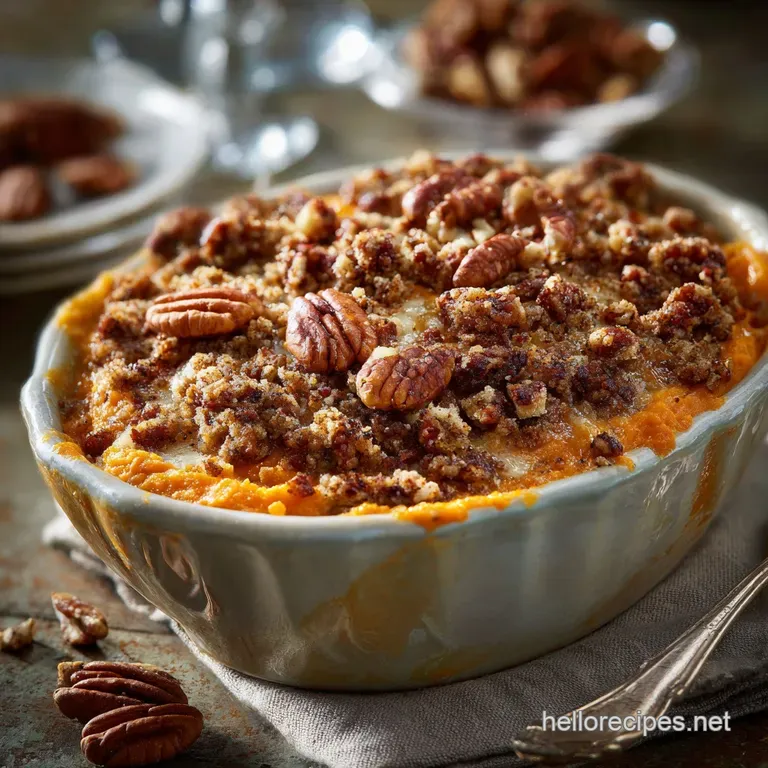
- Moving Beyond the Marshmallow: Achieving a Balanced Sweet Potato Casserole
- Essential Provisions: Building the Perfect Sweet Potato Casserole Components
- Phase One: Achieving the Silkiest Sweet Potato Base
- Constructing the Superior Brown Sugar Pecan Streusel
- Planning Ahead: Preparing and Storing Your Sweet Potato Casserole for the Big Day
- Pro Tips and Flavor Tweaks for the Expert Home Cook
- Recipe FAQs
- 📝 Recipe Card
Moving Beyond the Marshmallow: Achieving a Balanced Sweet Potato Casserole
Okay, right then, let’s talk about Sweet Potato Casserole. It’s one of those mandatory holiday dishes that should be perfect creamy, spiced, slightly sweet, but ultimately, a satisfying side. But what happens 90% of the time?
You end up with something that tastes less like a savory side and more like a rejected filling for a pumpkin pie. It’s too sweet. It’s mushy. And let’s face it, that sticky, melted marshmallow top often just tastes like sadness. We are fixing that today.
We are aiming for a classic Ruth's Chris Sweet Potato Casserole vibe, but somehow even better, because we made it in our own kitchen.
Why Most Sweet Potato Sides Fail the Savoury and Sweet Test
This is the big one. Sweet potato sides fail because they don't know who they are. Are you a dessert? Are you a vegetable? You need to pick a lane, and our lane is balanced savory richness. The major failure point is relying on sugar to compensate for bland potatoes.
Most recipes instruct you to boil the sweet potatoes, which, I’m sorry, is a crime. Boiling leaches out the natural sugars, dilutes the flavour, and adds unwanted water content. You then try to fix the watery texture and lack of depth by dumping in a metric ton of brown sugar.
The result is inevitably a sugary flop. We solve this by roasting or steaming the potatoes, and crucially, adding enough salt to make the sweetness pop instead of dominate.
The Secret to a Truly Creamy, Spiced Base
The difference between a lumpy mess and a velvet base is preparation, plain and simple. First, you have to drain those cooked sweet potatoes aggressively. I mean, drain them, put them back on the stove for a minute to steam off residual water, and then drain them again. You need bone and dry mash.
Second, temperature matters. This base uses eggs, so we are essentially making a custardy filling. If your eggs and cream are cold, they fight the warm potatoes and butter, often leading to a denser, slightly grainy texture.
Getting your dairy and eggs to room temperature allows everything to emulsify beautifully when you whip it together.
Crucial Note: Never rush the mixing process here. Once the eggs are added, mix just until combined. Overmixing sweet potatoes that contain eggs can make them tough or spongy during baking. A smooth, lump and free base is the goal.
Introducing the Ultimate Crunch: Our Pecan Streusel Difference
Honestly, I’m done with the Sweet Potato Casserole with Marshmallows debate. Streusel wins every time. Why? Texture. You need something to fight the softness of the filling. You need a buttery, deeply browned, crunchy barrier between your fork and the creamy interior.
This pecan streusel, made with cold butter, delivers that satisfying shatter. When I used to bake this, I’d sometimes forget to chill the streusel big mistake. The butter would melt instantly when hitting the oven, resulting in an oily paste instead of defined crumbs.
Chilling makes the streusel hold its shape until the last possible moment, ensuring max crispness.
Essential Provisions: Building the Perfect Sweet Potato Casserole Components
Selecting the Right Yams: Roasting vs. Boiling for Flavor Depth
In the US, most of the orange and fleshed beauties we use are technically sweet potatoes, but people call them yams, especially during Thanksgiving. Look for those deep orange ones (like Jewel or Garnet). They are higher in moisture and sugar, which is what we want. As for cooking method...
I will always, always lean towards roasting. Roasting the cubes gives you natural caramelization, intensifying the earthy flavor of the potato and making the final mash richer. Boiling is faster, yes, but you sacrifice that deep, complex sweetness.
If you must boil, ensure the water is generously salted, and you absolutely must drain them thoroughly, as I mentioned before.
The Warming Spice Blend: Nutmeg, Cinnamon, and a Dash of Ginger
The classic Sweet Potato Casserole recipe often stops at cinnamon, and that’s fine, but we aren't aiming for fine. We're aiming for unforgettable. You need three things: cinnamon for warmth, nutmeg for depth, and a whisper of ginger for a tiny bit of bite. My secret weapon?
Grating the nutmeg fresh right before mixing. It makes the entire kitchen smell incredible and the flavor is 100 times brighter than that dusty jar you have sitting in the back of the pantry. Seriously, get a small grater and a whole nutmeg it will change your life.
Specialized Equipment for Flawless Whipping and Streusel Prep
You technically can make this with just a masher and a fork, but if you want the ‘silkiest’ sweet potato mash you’ve ever had, you need an electric mixer. A handheld mixer works great.
After draining, run the hot potatoes through the mixer (on low, or they fly everywhere!) for about 30 seconds before adding anything. This helps break down any stubborn lumps. For the streusel, I use a pastry blender to cut in the cold butter, but my favorite method is just using my fingertips.
You want to work quickly so the butter doesn't warm up too much.
Phase One: Achieving the Silkiest Sweet Potato Base
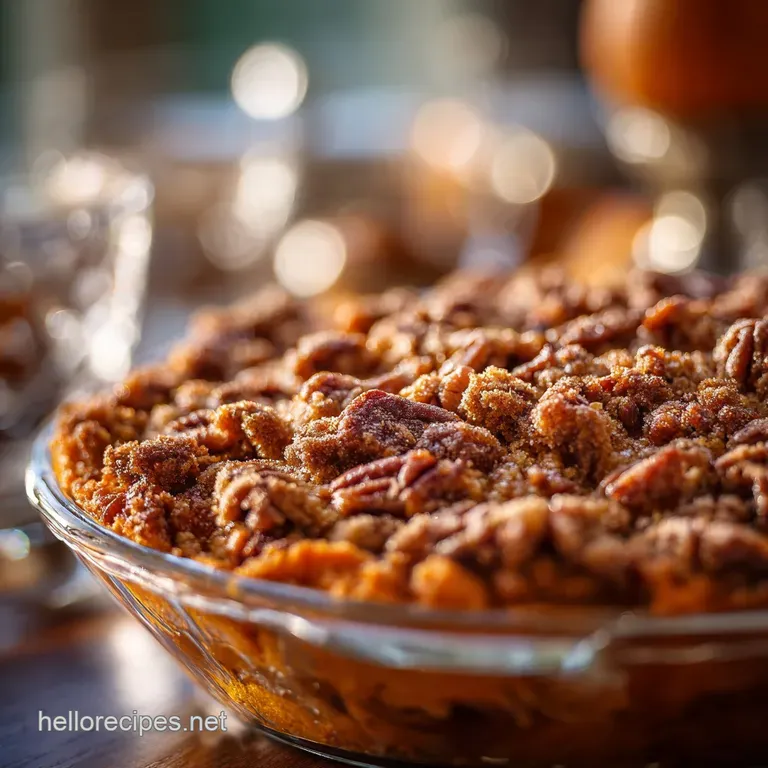
Right, let's crack on with the base. Once your potatoes are cooked (I roasted mine, naturally) and thoroughly steamed dry, get them into your mixing bowl. If they are still piping hot, that’s actually good it helps melt the butter faster. First, dump in your softened butter and brown sugar.
Beat that until it's creamy and completely incorporated. This stage is where you build the flavour foundation. Then, slowly drizzle in your room temperature milk, vanilla, spices, and the crucial teaspoon of salt. Finally, the eggs go in one at a time, mixing only until they disappear into the mash.
Scrape down the sides, ensure there are zero lumps, and give it a final taste test. Does it need more salt? Often it does.
Related Recipes Worth Trying
- Green Bean Casserole: The Proper, From Scratch Recipe with Fresh Beans — This homemade Green Bean Casserole recipe elevates the classic using fresh green beans and a rich, creamy mushroom béchamel. Its easy, make-ahead friendly,...
- Sweet Potato and Cranberry Gratin: Elegant Holiday Casserole Dish — Sweet Potato and Cranberry Gratin is the ultimate fancy Thanksgiving side dish. Elevate your holiday table with this creamy, spiced casserole, finished with...
- Pioneer Woman Mac and Cheese: Ultra Creamy Baked Casserole — Our best ever Pioneer Woman Mac and Cheese recipe uses evaporated milk for a flawless, creamy texture that wont separate. Get the secret to this perfect,...
Constructing the Superior Brown Sugar Pecan Streusel
Prep Work: Peeling, Chopping, and the Preferred Cooking Method
You've already peeled and cubed your sweet potatoes before cooking them, which is the boring part, I know. But while the filling is cooling slightly, we move to the streusel. We want the pecans to be chopped but still chunky. If they’re too fine, they just disappear.
For maximum impact, lightly toast those pecans first. Just three minutes in a dry pan until they smell fragrant. This really brings out their nutty flavour, which is essential for cutting through the richness of the butter and sugar.
Whipping the Mash: Incorporating Butter and Cream for Air
We covered this in Phase One, but I need to stress the whipping again. You need air in this mixture. Don’t just stir it with a spoon! The vigorous mixing creates a light, slightly fluffy base that, when baked, holds its shape beautifully instead of sinking into a dense, wet slab.
This is how we get that lovely, almost soufflé texture. If you are using heavy cream instead of milk (highly recommended for richness), it helps inject even more air and makes the final product wonderfully decadent.
The Cold Butter Trick for Maximum Streusel Crumb
Okay, streusel science 101: cold butter. It's mandatory. You want little chunks of cold butter coated in flour and sugar. When this hits the oven, the water in the butter rapidly steams out before the fat fully melts, leaving you with pockets of air and a fantastic, crisp texture.
If you use melted butter, you get a cookie dough paste. If you use soft butter, you get a slightly cakey crust. Cold butter gives you true crumbs. Use your fingers to rub the ingredients together, stopping immediately when you see pea and sized crumbs.
Then, straight into the fridge while the filling goes into the dish.
Assembly and Baking: Ensuring an Even Golden Crust
Scrape your silky sweet potato base into the prepared casserole dish, smoothing it out evenly. Get that cold streusel out of the fridge and scatter it over the top. Don’t pat it down! Leave it loose and craggy.
Bake this until the filling is puffed up slightly it will jiggle slightly in the center, but the edges should look set and the streusel is deeply golden brown. If the streusel starts browning too fast (my oven runs hot, yours might too), just loosely tent the top with foil for the last 10 minutes.
When it comes out, let it rest. Seriously, 10 minutes minimum. This is the moment where the internal custard firms up, preventing that runny mess when you slice it.
Planning Ahead: Preparing and Storing Your Sweet Potato Casserole for the Big Day
This is a phenomenal make and ahead dish, which is essential for any big gathering, whether it’s Thanksgiving Sweet Potato Casserole or just a Sunday feast. You can easily prepare the entire casserole the base and the streusel topping up to 24 hours in advance.
Keep them separate, though. Put the mixed sweet potato filling, covered tightly, into the fridge. Keep the streusel topping (still loose in its bowl) covered in the fridge, too. When you are ready to bake, pull the filling out of the fridge while the oven preheats, sprinkle the cold streusel right before baking, and you might need to add 5- 10 minutes to the total baking time since you're starting with a cold dish.
Pro Tips and Flavor Tweaks for the Expert Home Cook
Freezer Logistics: How to Store Unbaked Sweet Potato Casserole
Freezing is totally doable, which makes this an Easy Sweet Potato Casserole Recipe for advanced planners. Prepare the base and scrape it into a foil and lined baking dish (make sure it’s freezer safe). Don't add the topping yet. Cover the whole thing tightly with plastic wrap and then foil.
Freeze for up to three months. When you are ready to bake, thaw it overnight in the fridge. Prepare the streusel fresh that morning, sprinkle it on, and bake as directed (likely adding 10- 15 minutes).
Do not attempt to bake this from frozen it will take forever and the texture will suffer.
Reheating Leftovers Without Sacrificing Texture
Leftovers often become dry or grainy. The key to reheating is gentle moisture and low heat.
- Oven Method: Preheat the oven to 325°F (160°C). Cover the casserole dish tightly with foil (this traps moisture). Bake for 15- 20 minutes, or until warmed through. This prevents the exposed surface from drying out.
- Microwave Method: If you’re just heating one serving, cover the portion with a damp paper towel before microwaving on 50% power in short bursts.
Adjusting Sweetness Levels for Dietary Needs
Some people find the classic recipe too sweet, even without marshmallows. Here are simple adjustments:
| Goal | Substitution/Adjustment | Effect |
|---|---|---|
| Lower Sugar | Halve the brown sugar in the base. Use a sugar substitute (like monk fruit) in the streusel. | Retains flavour, significantly reduces total sugar content. |
| Deeper Flavor | Use dark brown sugar instead of light brown sugar. | Adds more molasses depth. |
| Keto/Low Carb | Swap sugar for erythritol/stevia blend. Replace pecans with crushed almonds and use heavy cream only. | Texture remains dense and rich; carbohydrate count drops drastically. |
Substituting Nuts: Walnuts, Almonds, or a Nut and Free Topping
Pecans are traditional, but they aren't mandatory. Chopped walnuts work beautifully and give a slightly more tannic, earthy flavour. Sliced almonds also work well, but they need to be slightly coarser than usual.
If you need a nut and free topping, I recommend substituting the 1 cup of nuts with 1 cup of old and fashioned rolled oats and maybe a tablespoon of extra melted butter to ensure the oats hold together.
Nutritional Breakdown: Calories, Macros, and Serving Size
Look, this is not diet food. This is comfort food. This is full fat, full flavor, glorious goodness. It’s high in Vitamin A (thank you, sweet potatoes!) and fiber, but it's also rich. Don't worry about the macros too much when you are enjoying a classic, deeply satisfying side dish.
Just enjoy every creamy, crunchy bite. Remember, this recipe makes a solid 8 10 servings, so divide generously.
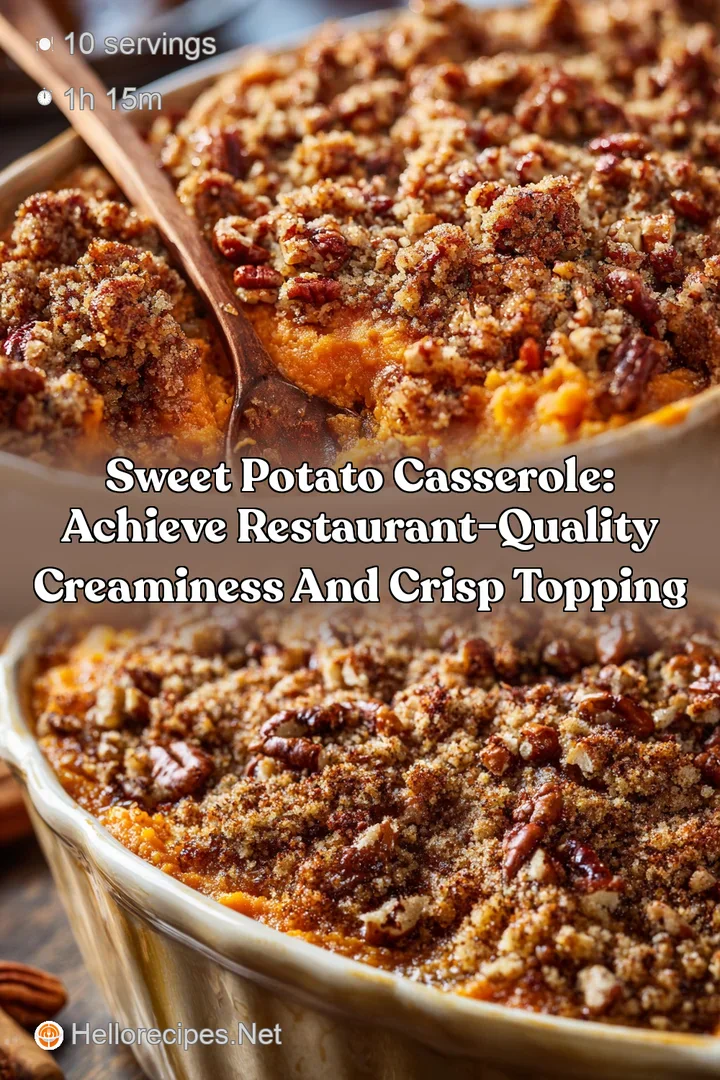
Recipe FAQs
Right, can I make this whole Sweet Potato Casserole the day before the big feast?
Absolutely, you can be a proper planner and get ahead of the curve! Prepare the potato filling completely and store it separately from the streusel topping in the fridge; assemble and bake fresh on the day for the ultimate crunchy finish.
My filling always turns out a bit soggy am I getting a soggy bottom?
That's often down to excess moisture, the bane of a good casserole! After boiling your potatoes, return them briefly to the empty hot pot over low heat to steam off any residual water before mashing them; this little trick ensures a velvety, firm base.
I’ve got some picky eaters; what’s a decent substitute for the pecans in the streusel topping?
Not to worry, we can sort that out easily. Try substituting the pecans with 1 cup of rolled oats, or simply use extra flour and brown sugar for a classic, crunchy, nut-free crumble that still offers fantastic texture.
If I have leftovers, how do I reheat them without everything turning to mush?
To keep that delightful topping nice and crisp, avoid the microwave! Reheat individual servings in a conventional oven or a toaster oven at 300°F (150°C) until warmed through, as this will prevent the streusel from steaming.
This recipe aims to be balanced, but if I need to cut the sugar even more, what’s the trick?
For the deepest flavour with less added sugar, skip boiling and roast the potatoes, which naturally caramelises the sugars. You can also halve the amount of brown sugar called for in the filling, as the sweet potatoes are sweet enough on their own.
Sweet Potato Casserole With Pecans
Ingredients:
Instructions:
Nutrition Facts:
| Calories | 400 kcal |
|---|---|
| Fat | 18 g |
| Fiber | 4 g |
