The Great Grainfree Bake Supreme Paleo Pizza Dairyfree Delight

- Moving Beyond Floppy Crusts: Our Promise of Pizza Resilience
- Essential Supplies for the Perfect Pizza Base
- Mastering the Mix for a Sturdy Paleo Pizza
- Crafting the Chewy, Pliable Dough
- The Two-Stage Baking Process for Peak Crispness
- Keeping Your Primal Feast Fresh
- Expert Tips for Troubleshooting Common Crust Issues
- Recipe FAQs
- 📝 Recipe Card
Moving Beyond Floppy Crusts: Our Promise of Pizza Resilience
For too long, the idea of enjoying a truly satisfying pizza on a grain free diet felt like a compromise. Traditional wheat dough provides the essential gluten matrix the stretchy network that captures gases, allows for a high rise, and ultimately yields that classic chewy, resilient bite.
When we step into the realm of Paleo eating, we lose that foundational structure, often resulting in crusts that are either brittle and cracker like or, worse yet, dense and soggy under the weight of even the lightest toppings.
This challenge is precisely what we address with this robust and deeply flavorful Paleo Pizza recipe.
The Challenge of Truly Grain Free Dough Structure
The main structural hurdle in any Paleo pizza crust recipe is recreating the elastic quality of gluten. Without it, doughs based purely on nut flours or starchy root powders can fall apart easily, lack pliability, and fail to crisp evenly.
Our mission is to produce a crust that not only adheres strictly to the dietary requirements but also offers the structural integrity needed for a generous, classic pizza experience. We refuse to settle for a knife and-fork requirement; this crust is designed for handling.
Why This Paleo Pizza Recipe Breaks the Mold
The secret to conquering the structural issues lies in a careful balance of high fat, nutritious flours and specific starches, combined with a precise two-stage baking technique. Unlike many simple coconut flour or cauliflower crust alternatives, this method produces a thick, chewy foundation perfectly suited for a savory Paleo Dinner .
By treating the crust like a delicate pastry base and pre-baking it, we eliminate the primary culprit of pizza failure: moisture absorption from the sauce and toppings.
The Palate Pleasing Promise of Almond Flour and Starch
We rely on fine blanched almond flour (1 ½ cups, or 180g) as the bulk base. Its fine texture and higher fat content lend a richness and moisture to the dough that prevents it from becoming too dry. However, almond flour alone would yield a crumbly texture.
We introduce a crucial binder tapioca starch to provide the necessary stretch and chew. This combination is what elevates our Paleo pizza crust from a mere substitute to a truly enjoyable base layer.
Essential Supplies for the Perfect Pizza Base
While achieving perfect Paleo Diet Recipes often relies on technique, the right tools simplify the process considerably. For this recipe, you'll need a large mixing bowl or a food processor for efficient blending of the dry ingredients.
A sturdy rolling pin is, of course, necessary, but perhaps the single most vital piece of equipment is simple: parchment paper. Given the sticky, delicate nature of nut-based doughs, rolling the dough between two sheets of parchment is essential for achieving the ideal thinness and, more importantly, for easy transfer onto your baking sheet (a minimum 14x10 inch surface is required).
Mastering the Mix for a Sturdy Paleo Pizza
Achieving the perfect texture starts with understanding the function of every ingredient used in the mix. Precision is key when dealing with gluten-free flours, especially those high in fat and protein.
The Secret Starch: Tapioca vs. Arrowroot Explained
The primary binder in our Paleo pizza crust recipe is tapioca starch (½ cup, or 60g). Derived from the cassava root, tapioca provides excellent elasticity and a desirable chewiness when baked, replicating some of the qualities we miss from gluten.
If tapioca is unavailable, arrowroot powder may be substituted 1:1. Both function similarly, but they are critical to ensuring the dough holds its shape when rolled and sliced, providing the resilience promised in this Paleo pizza recipe .
Recommended Organic Topping Combinations
Our goal is not just a compliant crust, but a fantastic overall Paleo pizza . For the best results, focus on toppings that are relatively low in moisture and high in flavor.
We feature a hearty combination of 6 ounces (170g) of pre-cooked, sugar/nitrate free Italian sausage, 1 cup of sliced cremini mushrooms, and ½ cup of fresh, coarsely chopped spinach.
The key to successful Paleo pizza toppings is to ensure any vegetable or meat additions are well drained and dry before layering, preventing steam from undermining the pre-baked crust.
Must Have Kitchen Gear for Dough Success
Beyond the basic supplies, serious Paleo bakers will benefit greatly from investing in a pizza stone or steel. While not strictly mandatory, preheating one of these in the oven for at least 30 minutes before placing the crust on it guarantees maximum heat transfer to the bottom of the crust.
This rapid blast of heat is the best way to ensure the undercarriage of the Paleo pizza is wonderfully crisp, rather than soft.
Selecting high-quality Blanched Almond Flour
The quality of your almond flour significantly impacts the outcome. You must use fine blanched almond flour, which has had the skins removed and has been ground very finely. Avoid using almond meal, which is coarser and still contains the skin; this will lead to a gritty, heavy, and overly dense crust.
We also highly recommend measuring your 180g of flour by weight rather than volume to ensure exact ratios, as volumetric measurement of nut flours is notoriously inaccurate.
Related Recipes Worth Trying
- The Best Basic Pizza Dough Recipe for Chewy Bases — Forget the bland freezer bases Learn how to make pizza dough that is perfectly chewy and crisp using this easy recipe Ideal for beginners
- The Best Homemade Pizza Sauce Recipe Simple Quick — Ditch the jar Learn how to make the best homemade pizza sauce from scratch in under an hour This simple recipe creates a vibrant nonwatery base every time
- The Crispy Crust Dream A Reliable Homemade Pizza Recipe — Forget limp supermarket bases Learn the secret to a satisfying Homemade Pizza Crust perfect for any topping Foolproof steps inside for cheesy pizza perfection
Crafting the Chewy, Pliable Dough
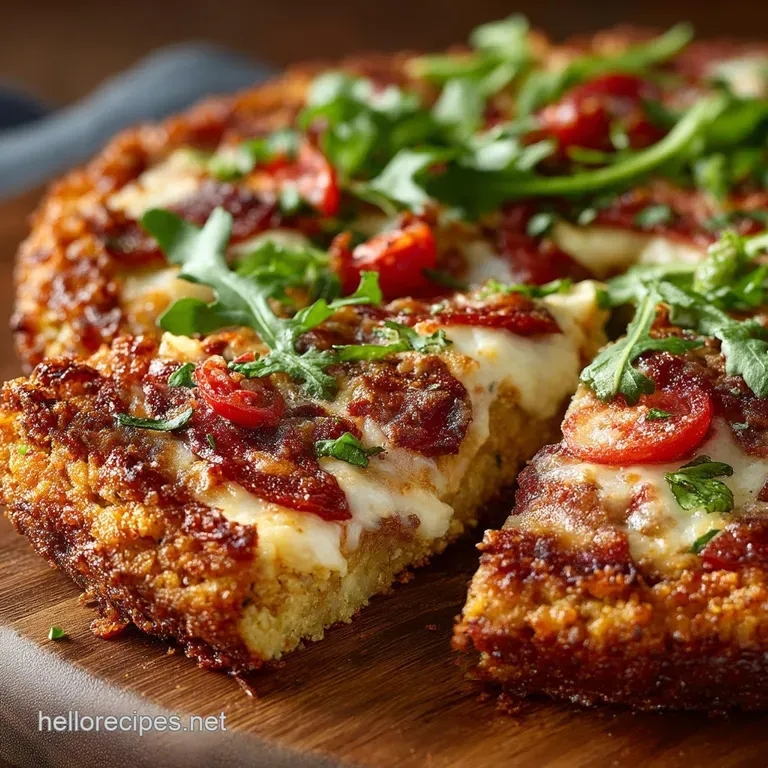
The dough formulation process is quick, requiring only about 15 minutes of active preparation. We begin by mixing the dry components almond flour, starch, baking powder, dried oregano, and salt in a large bowl or food processor until they are thoroughly combined.
Next, the wet ingredients (one room temperature large egg and 2 tablespoons of olive oil) are introduced. This creates a crumbly mixture. The critical stage is incorporating the liquid (2 4 tablespoons of water or unsweetened almond milk).
This must be added one tablespoon at a time, mixing only until a cohesive dough ball forms. Over hydrating results in a sticky mess, while too little liquid prevents pliability. Once formed, allow the dough to rest for 10 minutes, letting the starches absorb the moisture and solidify the structure.
The Two-Stage Baking Process for Peak Crispness
Our methodology focuses on maximizing crunch and minimizing sogginess, which is achieved through precise timing and technique. The total cooking time runs about 25– 30 minutes, beginning with a high heat start.
Step 1: Combining Dry Elements Precisely
Preheat your oven to a robust 400° F ( 200° C). If you are using a pizza stone, place it in the oven now so it can achieve maximum temperature. Line your baking sheet with parchment paper and dust it lightly with extra tapioca starch to aid in handling.
Ensure the 1 ½ cups of almond flour and the rest of the dry ingredients are fully homogenous before moving on.
Step 2: Kneading and the Critical Resting Period
After incorporating the egg and olive oil, gently work in the liquid until the dough is just holding together, possessing a slightly sticky but manageable texture. Avoid heavy kneading, which is unnecessary here; simple mixing until uniform is sufficient.
The 10-minute rest allows the starches to fully hydrate and bind the nut flour, providing better structure for rolling.
Step 3: Achieving the Ideal Thinness (Rolling Tips)
Place the rested dough ball onto the prepared parchment paper and lay a second sheet of parchment on top. Use a rolling pin to flatten the dough smoothly and evenly to a thickness of approximately ¼ inch (6mm). Aim for a 12 inch circular or a neat 10x12-inch rectangular shape.
Rolling between parchment is a non-negotiable step for this sticky base.
The Crucial Par-Bake: Setting the Foundation
This is the make-or-break moment for achieving a stellar Paleo pizza crust . Remove the top layer of parchment and transfer the dough on its remaining paper to the hot baking sheet or stone. Bake the naked crust for 8 to 10 minutes.
The edges should just begin to look lightened and set. This par-bake step is non-negotiable as it creates a moisture barrier, ensuring the finished pizza is sturdy enough to hold its shape.
Layering Strategy: Sauce, Cheese (or Substitute), and Vegetables
While the crust is setting, rapidly prepare the simple Paleo pizza sauce by combining 1 cup of crushed tomatoes with minced garlic and dried basil. Once the crust comes out of the oven, immediately spread the sauce, followed by the dry toppings (sausage, mushrooms, spinach).
Finish with a generous sprinkle of cashew parmesan substitute or nutritional yeast flakes to deliver that desirable, savory umami flavour characteristic of great Paleo Diet Recipes .
Return the pizza to the oven for the final 15– 18 minutes of baking, until the crust edges turn deep golden brown.
Keeping Your Primal Feast Fresh
Once baked, allow the finished pizza to rest for five minutes off the stone on a cooling rack before slicing. This resting time is critical for the structural integrity of the base. Leftovers can be stored tightly sealed in the refrigerator for up to three days.
For best results, separate the slices with parchment paper to prevent sticking.
Expert Tips for Troubleshooting Common Crust Issues
Even experienced bakers can face challenges when pioneering grain free recipes. Here are solutions to common pitfalls encountered while mastering the Paleo pizza recipe .
Freezing and Reheating Instructions
One of the great benefits of this technique is the ability to make large batches. You can easily double or triple the ingredients and freeze the crusts after the crucial par-bake step. Once par-baked and cooled, wrap the naked crusts tightly in plastic wrap and then foil. They will keep for up to three months.
To use, unwrap, top while frozen, and bake for the standard final 15– 18 minutes, making future Paleo Dinner prep effortless.
Nutritional Snapshot: Carbs, Fiber, and Protein Breakdown
This recipe is surprisingly macro friendly, particularly compared to traditional grain based pizzas. Based on a four serving size, each slice delivers approximately 25 grams of high-quality protein and a significant 6 grams of dietary fiber.
Total carbohydrates are estimated at around 20 grams, yielding a net carbohydrate count of roughly 14 grams per serving, proving that truly satisfying Paleo Diet Recipes do not need to be carb heavy.
Creative Topping Variations for Your Next Paleo Pizza Night
Once you master the Paleo pizza crust , the topping options are endless. For a bolder flavor, try swapping the tomato base for a sugar-free, compliant BBQ sauce and topping with shredded chicken and red onions for a Paleo BBQ Chicken option.
Alternatively, a Mediterranean version using sun-dried tomatoes, Kalamata olives, and artichoke hearts provides a refreshing contrast.
Solving the Sticky Dough Dilemma
If your dough is too sticky to handle, resist the urge to add cupfuls of flour. Instead, add a teaspoon more tapioca starch and work it gently. More often, the stickiness is solved simply by ensuring you are rolling the dough between two layers of lightly dusted parchment paper, which provides a non-stick surface and allows easy removal.
The Benefits of Making Large, Freezable Batches
The most efficient way to maintain a grain free lifestyle is through smart meal prepping. Since the most time intensive part of this recipe is preparing and par-baking the Paleo pizza crust , making several crusts at once means you always have a quick, healthy base ready for rapid topping and baking, minimizing weekday cooking stress.
How to Get Complimentary Paleo Recipes Delivered Free
If you have enjoyed mastering this resilient and flavorful Paleo pizza base, you'll find hundreds more high-quality, grain free, and healthy recipes waiting for you.
Subscribe to our expert newsletter today and receive our exclusive guide, "Top 10 Essential Paleo Diet Recipes," delivered straight to your inbox, completely free of charge!
Recipe FAQs
How do I stop my grain free crust from going soggy it usually ends up a floppy mess!
Right then, the pre-bake is absolutely critical here, chaps. You must bake the naked dough for the full 8 10 minutes before adding any sauce or toppings. This sets the structure of the almond flour crust, creating a sturdy barrier.
Also, make sure all your toppings (especially mushrooms or pre-cooked sausage) are dried off properly, as excess moisture is the arch nemesis of a crisp crust.
I need to avoid almond flour. What’s the best alternative for this Paleo Pizza recipe?
If almonds are off the table, your best bet is often cassava flour or a finely ground sunflower seed meal. However, a word of caution: cassava flour absorbs liquid like a sponge, so you’ll need to significantly reduce the amount of water/milk and possibly the egg.
Start slowly and add liquid only until the dough just holds together it’s a bit of trial and error!
This looks brilliant, but where’s the cheese? How do I get that classic savoury flavour without dairy?
The secret weapon is the "Cashew Parmesan" or, failing that, Nutritional Yeast, fondly nicknamed ‘Nooch’ in the Paleo world. When sprinkled over the pizza, it provides that deep, umami, savoury hit that mimics the flavour of aged cheese.
It’s what makes this a proper good feed, even without a speck of cheddar.
Can I prepare the Paleo Pizza dough ahead of time for a quick mid-week meal?
Absolutely, it’s a brilliant idea for meal prepping. You can mix the dough and keep it tightly wrapped in cling film in the fridge for up to three days. However, do not pre-roll or pre-bake the crust until you are ready to cook it, as the dough structure is best when freshly rolled.
Roll it, top it, and bake it on the day you plan to eat.
How long will leftovers of this Paleo Pizza last, and is it worth reheating?
Leftovers of this Paleo Pizza keep well in an airtight container in the fridge for 3 4 days. Reheating is definitely worth it! For best results, avoid the microwave it goes soggy quickly.
Instead, pop a slice into a toaster oven or a frying pan over medium heat for a few minutes until the base crisps right up again. Bob's your uncle, good as new!
Sturdy Paleo Pizza Crust Recipe
Ingredients:
Instructions:
Nutrition Facts:
| Calories | 1749 kcal |
|---|---|
| Protein | 34.9 g |
| Fat | 46.8 g |
| Carbs | 107.7 g |
| Fiber | 38.2 g |
| Sodium | 605 mg |
