Spaghetti and Meatballs Recipe
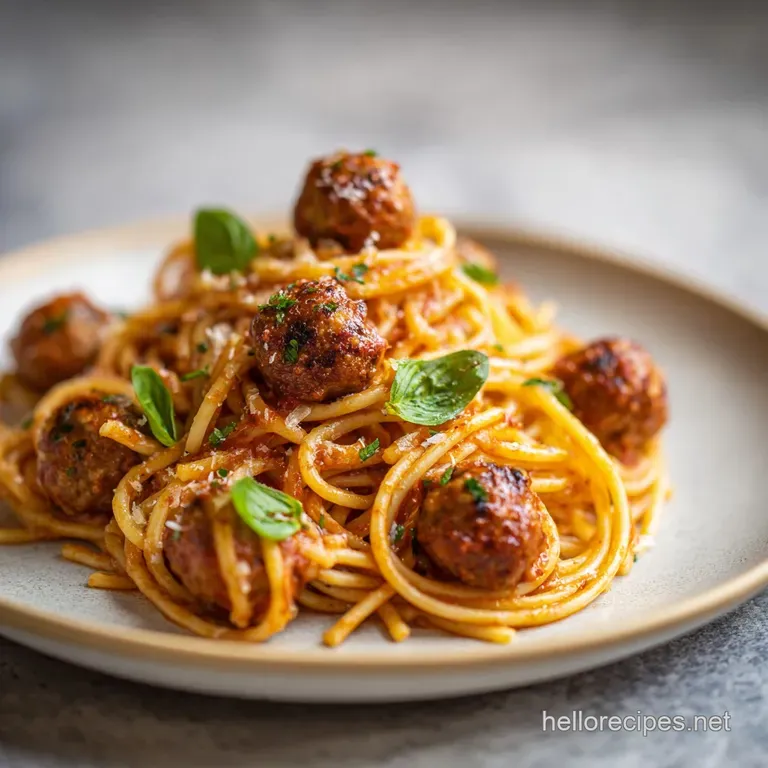
- Time: Active 15 minutes, Passive 30 minutes, Total 45 minutes
- Flavor/Texture Hook: Umami rich spheres with a velvety, melt in-the mouth center
- Perfect for: High impact weeknight dining or a technical weekend project
- Maximizing Umami Layers in Your Spaghetti and Meatballs
- Technical Milestones for Precision Results
- Analyzing the Flavor Layers of This Component Mix
- Sourcing Sustainable Elements and Smart Substitutions
- Essential Gastronomy Tools for Success
- Executing the Multi Stage Spaghetti and Meatballs Process
- Fixing Common Errors and Ensuring Sauce Stability
- Adjusting Ratios for Large Gatherings
- Expanding the Recipe with Creative Adaptations
- Preserving Freshness and Reducing Kitchen Waste
- Pairing Your Pasta with Vibrant Side Dishes
- Gastronomy Myths Debunked
- HIGH in Sodium
- Recipe FAQs
- 📝 Recipe Card
Maximizing Umami Layers in Your Spaghetti and Meatballs
The rhythmic sizzle of 80/20 beef hitting a hot stainless steel pan is a sound that never gets old. I remember the first time I moved away from "eye balling" the breadcrumbs and actually measured the hydration levels.
The difference was immediate: instead of dense, rubbery spheres, I achieved a texture so velvety it almost felt like a culinary magic trick. That aroma of toasting oregano and garlic hitting the olive oil creates a sensory baseline that tells your brain something special is happening in the kitchen.
We've all had those dinners where the sauce is watery or the meat is bone dry, but that stops today. I’ve spent years experimenting with the gastronomy of the grind, looking for ways to keep things innovative while respecting the core components.
We aren't just making a meal; we're building a structural masterpiece where the sauce emulsifies perfectly with the starch of the pasta.
This approach focuses on the technology of the panade and the physics of the sear. We’re going to use specific ratios of beef to pork to ensure the fat content provides enough lubrication for the protein fibers.
You'll see how a few simple shifts in technique, like grating your garlic instead of chopping it, can radically change the flavor profile of the entire dish.
Technical Milestones for Precision Results
The Physics of the Panade: Mixing 60g fresh breadcrumbs with 80ml whole milk creates a gel like matrix that coats protein fibers. This prevents them from bonding too tightly during cooking, which is the primary reason meatballs become tough or "rubbery."
Maillard Reaction Control: Searing the meat in 3 tbsp olive oil at a high temperature creates hundreds of new flavor compounds. This isn't just about color; it’s about creating a complex crust that dissolves into the sauce, adding a deep, savory backbone.
Starch Gelatinization: Finely grating 50g Parmigiano Reggiano into the mix provides more than just salt. The proteins in the cheese act as a secondary binder, while the lactic acid helps tenderize the meat from the inside out.
Aromatic Infusion: Grating the garlic directly into the milk allows the volatile oils to distribute evenly throughout the meat. This ensures you don't get harsh "garlic bites," but rather a consistent, aromatic hum in every mouthful.
| Meatball Thickness | Internal Temp | Rest Time | Visual Cue |
|---|---|---|---|
| 1.5 inch (Small) | 160°F | 3 mins | Surface is browned with slight bounce |
| 2 inch (Medium) | 165°F | 5 mins | Juices run clear when pierced |
| 2.5 inch (Large) | 165°F | 8 mins | Deep mahogany crust, center is firm |
Choosing the right size depends on your preference for the sear to interior ratio. Smaller spheres offer more "shatter" and crust, while larger ones emphasize the velvety, moist center. I usually stick to the 2 inch medium size for a balanced experience that holds up well during the 30 minute simmer.
Analyzing the Flavor Layers of This Component Mix
| Ingredient | Science Role | Pro Secret |
|---|---|---|
| 80/20 Ground Beef | Primary fat source | Keep chilled until the moment you mix to prevent fat from melting. |
| Whole Milk | Protein lubricant | Use cold milk to slow down protein denaturation during mixing. |
| San Marzano Tomatoes | Acidic base | Look for "D.O.P" certified cans for the lowest natural acidity. |
| Fresh Parsley | Flavor brightener | Finely chop the stems too; they hold more essential oils than the leaves. |
Each element in this Spaghetti and Meatballs recipe serves a specific functional purpose. The 250g of ground pork adds a different type of collagen and fat that melts at a lower temperature than beef, providing that signature "juiciness." If you're interested in experimenting with different textures, you might also enjoy comparing this to a Mozzarella Stuffed Meatballs recipe for a gooey, high fat center.
Sourcing Sustainable Elements and Smart Substitutions
To get the most out of your 454g of dried spaghetti, you need a sauce that actually clings to the noodles. This requires a specific balance of fats and liquids.
- 500g 80/20 ground beef: Why this? The 20% fat is non negotiable for moisture and flavor.
- 250g ground pork: Why this? Adds sweetness and a softer textural contrast to beef.
- 60g fresh breadcrumbs: Why this? Fresh crumbs absorb milk better than the dry, sandy bottled versions.
- 80ml whole milk: Why this? Hydrates the crumbs to create the moisture locking panade.
- 50g Parmigiano Reggiano: Why this? Adds umami and acts as a structural stabilizer.
- 1 large egg: Why this? The ultimate binder to keep the spheres from falling apart.
- 3 cloves garlic: Why this? Grated for maximum surface area and flavor release.
- 1/4 cup fresh parsley: Why this? Cuts through the richness of the meat and cheese.
- 1 tsp dried oregano: Why this? Provides an earthy, herbal baseline for the sauce.
- 800g crushed San Marzano tomatoes: Why this? Naturally sweet with a thick, velvety consistency.
- 3 tbsp olive oil: Why this? high-quality fat for searing and building the sauce base.
- 1 small yellow onion: Why this? Provides the aromatic foundation for the marinara.
- 454g dried spaghetti: Why this? Use bronze cut pasta for a rougher surface that grips sauce.
| Original Ingredient | Substitute | Why It Works |
|---|---|---|
| Whole Milk | Heavy Cream | Higher fat content results in an even richer, softer meatball. |
| Fresh Breadcrumbs | Panko | Creates a lighter, airier texture but requires 5 mins extra soaking. |
| Parmigiano Reggiano | Pecorino Romano | Adds a sharper, saltier kick reduce added salt by 1/4 tsp. |
| Ground Pork | Ground Veal | Traditional choice for a more delicate flavor and smoother texture. |
Using the right substitutions can help you manage your pantry sustainably. If you find yourself out of pork, increasing the beef fat content or adding a splash of heavy cream can mimic that lost moisture.
The goal is always to maintain the ratio of 1 part panade to roughly 12 parts meat for the best structural integrity.
Essential Gastronomy Tools for Success
You don't need a kitchen full of gadgets, but a few specific pieces of technology make this process much smoother. I highly recommend using a wide, heavy bottomed Dutch oven or a deep stainless steel skillet.
This provides enough surface area to sear the meatballs without crowding them, which would cause them to steam rather than brown.
A digital kitchen scale is your best friend here. Weighing your 500g of beef and 250g of pork ensures your fat to lean ratios are precise. I also use a medium sized cookie scoop to portion the meat; this keeps the spheres uniform, so they all reach their internal temperature at the exact same time.
Finally, a microplane for the garlic and cheese is essential for achieving that fine texture that integrates seamlessly into the panade.
Executing the Multi Stage Spaghetti and Meatballs Process
- Hydrate the panade. Combine 60g fresh breadcrumbs and 80ml whole milk in a small bowl. Note: Let it sit for 5 minutes until it forms a thick paste.
- Combine meat and aromatics. In a large bowl, gently mix the beef, pork, egg, Parmigiano, garlic, parsley, oregano, salt, and pepper. Note: Over mixing will crush the protein fibers and make them tough.
- Form the spheres. Add the milk/breadcrumb paste to the meat and fold together until just combined.
- Shape uniform balls. Scoop and roll into roughly 2 inch balls until the surface is smooth and even.
- Sear for flavor. Heat 3 tbsp olive oil in a pan and brown the meatballs for 5-8 minutes until a deep mahogany crust forms.
- Build the sauce foundation. Remove meat, add the diced onion and red pepper flakes to the same pan. Note: Use the fat left over from the meat to sauté the onions.
- Simmer the tomatoes. Pour in the 800g of crushed tomatoes and stir until the sauce begins to bubble gently.
- Reintroduce the meat. Place the meatballs back into the sauce, add the basil, and simmer for 20-30 minutes until the internal temperature hits 165°F.
- Boil the pasta. Cook the 454g spaghetti in salted water until just before al dente.
- Emulsify and serve. Toss the pasta directly into the sauce with a splash of pasta water until the noodles are glossy and coated.
Chef's Tip: Save a cup of the starchy pasta water! If your sauce looks too thick or "tight" when you add the noodles, a few tablespoons of that liquid will create a silky emulsion that binds everything together.
Fixing Common Errors and Ensuring Sauce Stability
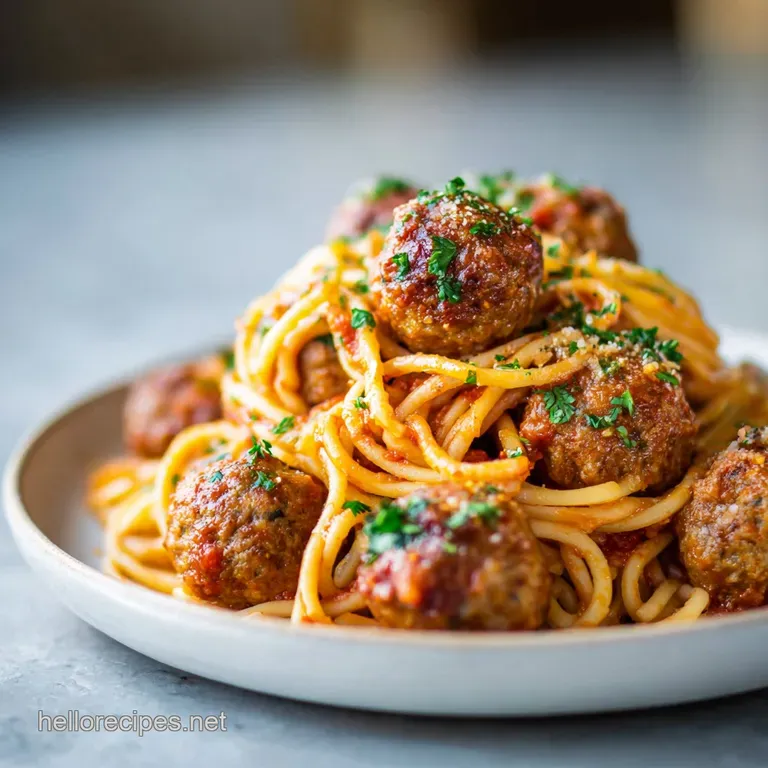
One of the biggest mistakes I see is people adding the meatballs to cold sauce. You want that sauce already moving toward a simmer so the heat transfer is immediate. This prevents the outer layer of the meat from becoming soggy or losing that beautiful crust we worked so hard to build.
Why Your Meatballs Are Falling Apart
If your spheres are disintegrating in the sauce, it’s usually a structural failure of the binder. Either the egg was too small, or the panade wasn't thick enough. It can also happen if you move them too much during the initial sear.
Let them sit undisturbed for at least 3 minutes to develop a "skin" before you try to flip them.
Why Your Sauce Is Watery
A watery sauce usually means the tomatoes weren't reduced enough, or you didn't drain your pasta properly. If you find yourself in this situation, don't panic. Remove the meatballs to a plate and turn the heat up to medium high for 5 minutes.
The rapid evaporation will thicken the sauce quickly without overcooking the meat.
| Problem | Root Cause | Solution |
|---|---|---|
| Tough texture | Over mixing the meat | Mix by hand just until the ingredients are distributed. |
| Greasy sauce | High fat rendering | Skim the excess oil from the top of the sauce with a spoon. |
| Bland flavor | Under seasoned meat | Fry a "test" dime sized piece of meat before rolling the balls. |
Common Mistakes Checklist - ✓ Pat the meat dry if it seems excessively moist before mixing. - ✓ Use a heavy bottomed pan to prevent the sauce from scorching. - ✓ Don't skip the resting period; it lets the juices redistribute.
- ✓ Add the salt to the pasta water it’s your only chance to season the noodles. - ✓ Keep the basil stems in the sauce while simmering, then remove before serving.
Adjusting Ratios for Large Gatherings
If you're looking to double this recipe for a party, you can't just double everything blindly. For the spices and salt, start with 1.5x the amount and taste as you go. Liquids like the milk for the panade should be doubled exactly, but for the sauce, you might only need 1.75x the tomatoes to avoid a soup like consistency.
When scaling down to a single serving, use a small egg yolk instead of a whole egg to prevent the mixture from becoming too wet. You can also use a smaller 8 inch skillet to ensure the sauce doesn't evaporate too quickly.
Reducing the cooking time by about 20% is usually necessary for smaller batches to avoid drying out the proteins.
Expanding the Recipe with Creative Adaptations
If you’re feeling innovative, there are dozens of ways to tweak this foundation. I’ve found that adding a teaspoon of espresso powder to the sauce adds a dark, earthy complexity that mimics the flavor of a long simmered Sunday gravy in half the time.
- The Spicy Arrabbiata Twist: Triple the red pepper flakes and add sliced Calabrian chilis to the onion base.
- The Garden Variation: Add 1 cup of finely grated zucchini (squeezed dry) to the meatball mix for extra moisture and a lighter feel.
- The Baked Method: If you don't want to sear on the stove, bake the meatballs at 400°F (200°C) for 15 minutes before dropping them into the sauce.
If you enjoy the process of making the noodles from scratch, you should definitely check out this Homemade Spaghetti Noodles recipe. There is something truly therapeutic about rolling out fresh dough to pair with your precision engineered meatballs.
Preserving Freshness and Reducing Kitchen Waste
Storage: These meatballs actually taste better the next day as the flavors continue to meld. Store them in an airtight container in the fridge for up to 4 days. If you want to freeze them, freeze the browned meatballs on a tray first, then move to a bag. They’ll stay fresh for up to 3 months.
Zero Waste: Don't throw away those parmesan rinds! Toss them into the sauce while it simmers. They release a massive amount of savory depth and a slightly smoky flavor. Also, any leftover sauce can be frozen in ice cube trays and popped into a pan later for a quick flavor boost to a soup or stew.
Pairing Your Pasta with Vibrant Side Dishes
While this dish is a powerhouse on its own, I love serving it with a crisp arugula salad dressed in a sharp lemon vinaigrette. The acidity cuts through the fat of the pork and beef, resetting your palate between bites.
A piece of charred sourdough rubbed with a raw garlic clove is also a fantastic tool for mopping up every last drop of that San Marzano sauce.
For those looking for a lower carb alternative that still delivers on the experience, you can swap the pasta for squash using this How to Cook recipe for spaghetti squash. The thin, crunchy strands provide a similar "twirl" factor while keeping the meal feeling light and innovative.
If you want X, do Y:
- If you want a crunchier crust, sear the meatballs in clarified butter instead of olive oil.
- If you want a thicker sauce, mash two of the cooked meatballs back into the marinara.
- If you want more aromatics, bloom your dried oregano in the hot oil before adding the onions.
Gastronomy Myths Debunked
Many people believe that searing meat "seals in the juices," but this is a scientific misconception. Searing actually causes moisture loss due to the high heat, but we do it for the Maillard reaction the browning that creates deep flavor.
The moisture in this recipe is actually preserved by the panade, not the sear.
Another common myth is that you must cook the sauce for hours to get a "deep" flavor. While long simmers help break down tough cuts of meat, our 30 minute window is plenty for crushed tomatoes and ground meat.
Over simmering can actually dull the bright, vibrant acidity of high-quality San Marzano tomatoes, making the sauce taste flat.
HIGH in Sodium
985 mg mg of sodium per serving (43% % of daily value)
The American Heart Association recommends limiting sodium intake to about 2,300mg per day for overall cardiovascular health.
Sodium Reduction Tips for This Recipe
-
Reduce Added Salt-25%
Reduce the amount of kosher salt added to the meatball mixture. Try using only 1/2 tsp or omit it entirely and taste test before adding more.
-
Lower Sodium Cheese-15%
Parmigiano Reggiano is a significant source of sodium. Use half the amount, or substitute with a lower sodium cheese like part skim mozzarella (shredded). Using no cheese would reduce sodium even further.
-
No-Salt Added Tomatoes-10%
Crushed San Marzano tomatoes can be high in sodium depending on the brand. Opt for no-salt added canned crushed tomatoes.
-
Leaner Ground Beef-5%
Switch to 90/10 ground beef instead of 80/20. While it won't dramatically reduce sodium, it will contribute to a healthier overall profile.
-
Unsalted Breadcrumbs-5%
Ensure your breadcrumbs are unsalted, as some commercially prepared breadcrumbs can contain added sodium.
-
Herb Power!
Enhance the flavor with more fresh parsley and basil, or experiment with other herbs like thyme or rosemary. These additions boost flavor without adding sodium.
Recipe FAQs
Should I bake or fry meatballs for spaghetti?
Sear them first, then simmer in the sauce. Searing in a hot pan develops a crucial Maillard crust that builds deep flavor; baking usually results in a drier exterior.
What is the secret to good spaghetti?
Use bronze die cut pasta and finish cooking it directly in the sauce. The rough surface holds sauce better, and adding a splash of starchy pasta water helps emulsify the sauce into a glossy coating.
What sauce goes with meatballs and pasta?
A slow simmered, high-quality crushed tomato marinara is traditional. Ensure your sauce has enough fat and acidity to balance the richness of the pork and beef blend.
What are the most common mistakes when making spaghetti meatballs?
Over mixing the meat and crowding the pan during the sear are the top errors. Over mixing tightens protein fibers resulting in tough meatballs; crowding steams them instead of browning.
Is it true that I must use 80/20 ground beef for juicy meatballs?
No, this is a common misconception about relying on a single meat source. A blend, typically 80/20 beef mixed with ground pork, offers a superior combination of flavor and fat that melts slowly, ensuring internal moisture.
How to ensure my meatballs stay tender and do not become rubbery?
Gently incorporate a hydrated panade made from milk and breadcrumbs into the meat mix. This mixture acts as a moisture barrier, coating the protein strands and preventing them from bonding too tightly during cooking.
Can I substitute ground pork in my meatballs with another meat?
Yes, you can substitute pork with ground veal for a more delicate texture. The goal is to add a secondary meat with a different collagen and fat profile; if you enjoy lighter textures, see how we adapt technique in the Creamy Dreamy Chicken recipe.
Spaghetti And Meatballs Recipe
Ingredients:
Instructions:
Nutrition Facts:
| Calories | 902 kcal |
|---|---|
| Protein | 45.8 g |
| Fat | 38.2 g |
| Carbs | 91.5 g |
| Fiber | 6.2 g |
| Sugar | 8.4 g |
| Sodium | 985 mg |
