Southern Oven Candied Sweet Potatoes Sticky Glorious Proper Southern Style
The Glory of Deep Caramelization: Why the Oven Wins
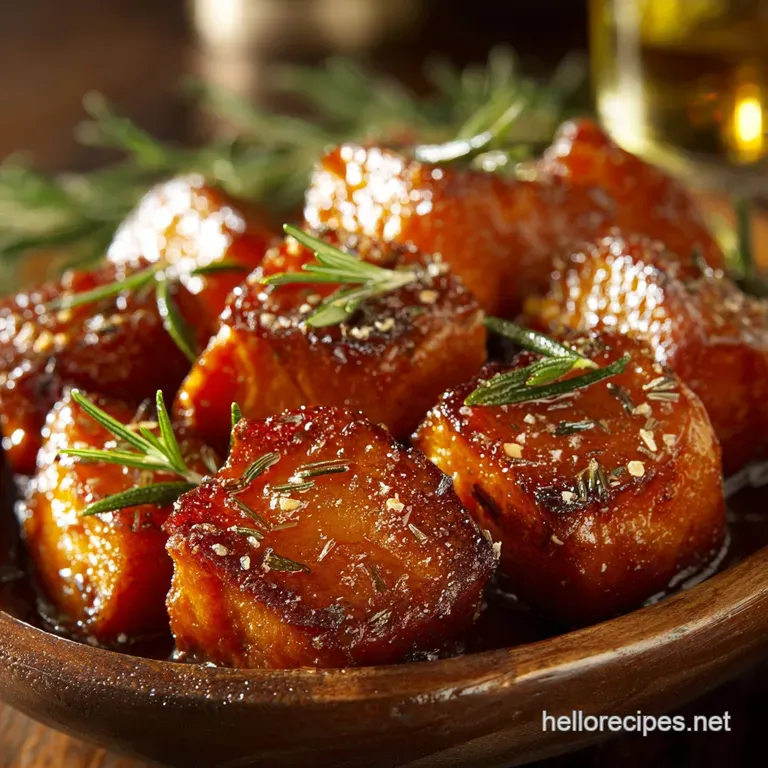
If I see one more recipe telling me to make these on the stovetop, I might scream. Seriously, stop it. Stovetop sweet potatoes just stew. They get soft, sure, but they stay watery, and the sugar never achieves that beautiful, glistening, sticky caramelisation that makes Southern Oven Candied Sweet Potatoes an absolute non and negotiable holiday side dish.
It’s science, people!
You need the dry, sustained heat of the oven to properly evaporate the moisture from the potatoes and the glaze. This concentrates the sugars (brown sugar and maple syrup, our friends) until they hit that specific point where they are thick, bubbling, and just shy of turning into hard candy. This method is slower, yes.
But it is 100% worth the wait.
Settling the Yam vs. Sweet Potato Debate Once and For All
Let’s clear up this confusion because it drives me nuts every year.
| Name Used in the South | Botanical Name | Appearance/Texture |
|---|---|---|
| Yams (Used for this recipe) | Ipomoea batatas (Sweet Potato) | Copper skin, deep orange, moist, sweet flesh. |
| True Yams (Rarely available) | Dioscorea spp. | Dark, rough skin, starchy, white, dry flesh. |
When Southerners talk about "candied yams," they are almost always referring to the orange and fleshed sweet potato variety (like Jewel or Garnet). A true yam is a totally different, starchy beast. For this recipe, look for the potatoes with the vibrant orange interior and copper skin.
They hold their shape perfectly and have enough natural sugar to make the whole process sing.
Understanding the Soul Food Tradition of Candying Roots
This tradition isn't just about sweetness; it’s about transformation. Candied sweet potatoes are deep and rooted (pun intended!) in Southern and Soul Food cooking, particularly around celebratory meals like Thanksgiving and Christmas.
Historically, this method was an ingenious way to turn a humble, readily available crop into something luxurious and deeply satisfying.
The key difference between this method and simply roasting sweet potatoes is the massive dose of sugar and fat upfront, and the specific way we cook them in two stages. We tenderize them first (covered with foil) and then we crank up the caramelisation (uncovered).
It’s a process passed down through generations, ensuring every bite is tender, sticky, and rich.
Essential Elements for Perfect Southern Oven Candied Sweet Potatoes
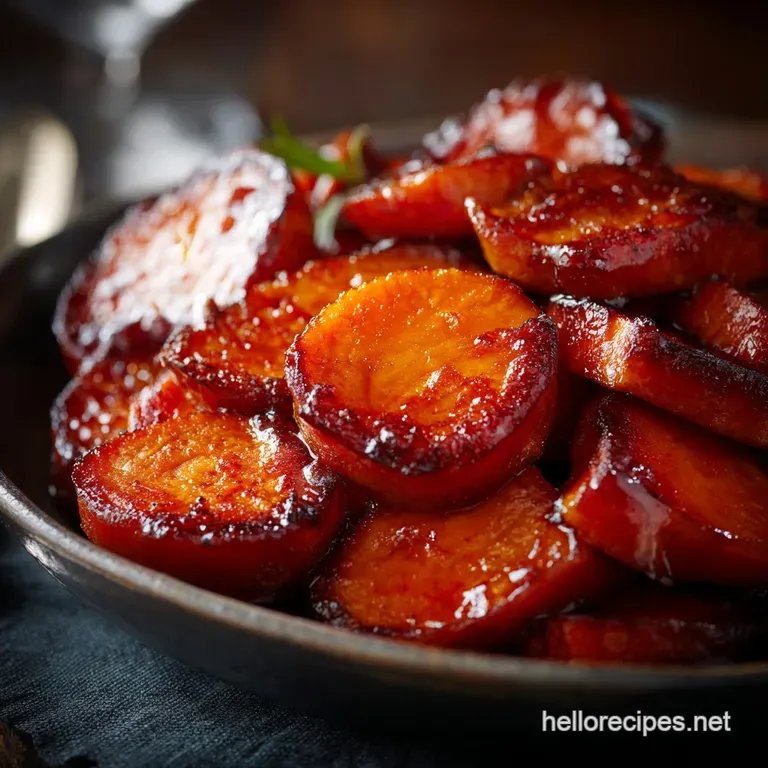
Honestly, you only need five main components, but getting the details right is where the magic happens.
The Ideal Root Vegetable Selection: Size, Type, and Prep
I am going to say this once: uniformity, uniformity, uniformity.
If you have a 1 inch piece sitting next to a 3 inch piece, one is going to turn to mush, and the other will still be crunchy in the middle. We don’t want mushy. We want tender, yet distinct, beautiful chunks. Peel all the potatoes and cut them into chunks that are about 1.5 inches in size.
I know, peeling five pounds of sweet potatoes is a pain. But trust me, you don’t want that stubborn skin interfering with the glaze absorption.
Crucial Tip: Once chopped, sprinkle the potatoes with a little kosher salt. This is mandatory. It sounds counterintuitive in a sweet dish, but that small amount of salt is the crucial element that balances the intense sweetness of the brown sugar and butter, making the final dish taste complex, not cloying.
Crafting the Liquid Gold: Butter, Brown Sugar, and Maple Synergy
The glaze is the star. It needs three things: rich fat, deep sweetness, and complex flavour.
The fat comes from a full stick of real butter. Please don't skimp here. The brown sugar provides that molasses flavour we crave, and using both brown sugar and pure maple syrup (the real stuff, not the corn syrup blend) gives us layers of flavour.
Maple brings a delicate, woodsy note that plain sugar just can’t touch. The touch of water (or orange juice, which I prefer) is added simply to ensure the sugar mixture doesn’t burn while we bring it to a simmer before pouring it over the potatoes. It gives us a controlled head start.
Spices that Elevate: Moving Beyond Just Cinnamon
I swear, people stop at cinnamon. Why? Sweet potatoes can handle complexity. They beg for it!
My secret weapon is freshly grated nutmeg. Honestly, the pre and ground stuff loses its punch too quickly. Get whole nutmegs and a small grater. That sharp, earthy, slightly piney scent cuts through the butter and sugar beautifully.
I also throw in a pinch of ground ginger or occasionally a small dash of allspice, but nutmeg and cinnamon are the essential pair here. They add warmth and depth, preventing the dish from just tasting like melted candy.
Related Recipes Worth Trying
- Honey Feta Sweet Potato Rounds Easy Roasted Side Dish — Master the delicious viral trend with these creamy Honey Feta Sweet Potato Rounds This elegant yet easy fancy side dish is perfect for fall menus hitting...
- Maple Glazed Roasted Sweet Potatoes The Secret to Sticky Perfect Edges — Learn how to make truly perfect Maple Glazed Roasted Sweet Potatoes every time Our easy recipe uses the halfroast technique for beautiful sticky edges and...
- Sweet Potato Casserole with Marshmallows The Best Creamy Southern Recipe — Sweet Potato Casserole with Marshmallows is the creamy custardlike side dish your holiday table needs This Southern Sweet Potato Casserole recipe is easy to...
Mastering the Slow Roast Technique for Glistening Results
This is the technique that separates the amateurs from the true Southern cooks. We are essentially baking the potatoes in the syrup until the syrup becomes a thick lacquer.
The Foundation: Prepping and Arranging Your Sweet Potato Rounds
After seasoning the 1.5 inch potato chunks with salt, they go into your 9x13 pan. Don't worry if they look crowded initially; they will shrink slightly as they cook. Just make sure the pan isn't piled so high that the glaze won't be able to bubble and circulate.
If you have too many potatoes for one pan, grab a second dish. It's better to split them than to steam them into oblivion.
Building the Sticky Glaze and Ensuring Even Coating
Once your glaze is simmering nicely and the sugar is totally dissolved, pour it right over the top. Use a flexible spatula to gently toss those sweet potatoes. Every single piece needs to be covered in that gooey liquid before it goes into the oven.
Then comes the most important step for tenderizing: you must cover the pan tightly with foil. This traps the steam, basically pressure and cooking the potatoes for the first 30 minutes.
If you skip this, the potatoes will stay hard while the sugar on the surface scorches into a tough, inedible crust. We've all been there. Don't be that cook.
The Low and Slow Bake: Achieving True Candy Status
After that initial 30 minute steam bath at 375°F (190°C), you pull off the foil. Be careful! That steam is hot enough to blister paint. The potatoes should be fork and tender at this stage. Give them a really gentle stir, just enough to bring the syrup from the bottom up to the top.
Now we are done steaming; it’s time to candy! Uncovered, the potatoes go back in for 15 to 20 minutes. This is when the magic happens. The watery parts of the syrup evaporate quickly, and the concentrated sugar molecules start clinging to the potatoes. Keep a close eye during this phase.
If the edges of the pan start to look aggressively dark (not just brown, but blackening), pull them out immediately.
Post and Bake Syrupy Perfection: Reduction and Final Basting
When you pull the pan out of the oven, the syrup should be bubbling furiously and look thick, like very runny honey. If it looks watery, put it back in for five more minutes.
As the dish cools for 5 or 10 minutes, the glaze will thicken considerably, forming that beautiful, glossy sheen. Before serving, give the potatoes a final, gentle baste with the syrup that has pooled at the bottom of the pan. This ensures maximum stickiness and shine.
Troubleshooting and FAQ for Candied Sweet Potato Perfection
We all make mistakes. Here are the common ones I’ve learned from (mostly the hard way).
Can I Prepare Southern Oven Candied Sweet Potatoes Ahead of Time?
Yes, but only partly. You can easily peel, chop, and store the sweet potatoes in cold water (to prevent browning) up to 24 hours in advance. You can also make the entire glaze mixture, store it in the fridge, and reheat it just before baking.
I strongly discourage baking the entire dish more than 2 or 3 hours ahead of time. When they sit too long, the candied glaze starts to lose its glorious stickiness and the potatoes absorb too much liquid, turning soft and grainy. They are best served within an hour of coming out of the oven.
How to Revive Glaze that Became Too Thick or Grainy
If your glaze cooked down too much in the oven and now looks like sandy, thick taffy (or worse, it’s seizing up), don't panic.
Take the pan out of the oven and place it gently over two burners on the stovetop set to low heat. Add 2 to 4 tablespoons of water or orange juice, stir gently until the liquid melts the hardened sugar, and it returns to a smooth, syrupy consistency.
Scaling the Recipe: Adjusting Glaze Ratios for Larger Batches
Scaling up sweet potatoes is easy, but scaling up the glaze takes care. If you double the potatoes, you don't necessarily need to double the liquid components, as that just increases the evaporation time needed.
| Potato Batch Size | Butter (Sticks) | Brown Sugar (Cups) | Maple Syrup (Cups) | Water/OJ (Cups) |
|---|---|---|---|---|
| Standard (5 lbs) | 1 | 1 | 1/2 | 1/4 |
| Large (8 lbs) | 1.5 | 1.5 | 3/4 | 1/3 |
| Double (10 lbs) | 2 | 2 | 1 | 1/2 |
Perfect Pairings: Complementary Savoury Dishes for the Holiday Table
Because this dish is intensely sweet, you need something savoury and slightly acidic or herbal to cut through the richness.
- A perfectly roasted Herb Crusted Prime Rib or slow and smoked pulled pork.
- Brussels Sprouts (roasted hard with balsamic vinegar) or a vinegary collard green dish. The acidity is key.
- A side of Cornbread Dressing (the savoury, stuffing kind, not the sweet kind) provides great texture contrast.
- Don't forget the Cranberry Sauce ! Its tartness is fantastic next to the candied potatoes.
Recipe FAQs
Why are my Southern Oven Candied Sweet Potatoes mushy or burnt at the edges?
Mushiness usually stems from inconsistent chopping; ensure all chunks are uniform in size to cook evenly. Burning is prevented by the initial covered bake this crucial step steams them tender before the high sugar content caramelises aggressively in the final uncovered reduction stage.
Is it possible to make these ahead of time for a massive dinner party, like Christmas Day?
Absolutely, for peak efficiency! You can peel and chop the potatoes up to 24 hours ahead (store them covered in water to prevent browning), and the glaze can be made entirely and refrigerated, ready to pour over and bake on the day.
My glaze looks thin and watery, not sticky. What's the secret to getting that proper 'candy' coating?
That means the glaze hasn't fully reduced yet, old bean. The magic happens during the final 15 20 minutes uncovered; the liquid needs time to evaporate so the sugars can concentrate and form that gorgeous, thick, sticky caramel and candy shell.
Sweet Potatoes or Yams what am I actually cooking here?
Technically, you’re cooking sweet potatoes (specifically the moist, orange fleshed variety often marketed as "Jewel Yams" in the US). True yams are starchier and often imported, but culturally, the Southern tradition uses the term "candied yams" regardless.
Can I skip the maple syrup to make them less sweet, or swap the butter for a dairy-free option?
While cutting back the sugar is tricky because the syrup is necessary for the candied texture, you can swap the maple syrup for water/orange juice in part, or use golden syrup instead. For dairy-free versions, a good quality vegan butter alternative works perfectly well.
What’s the best way to store leftovers and can they be frozen?
Store any leftovers in an airtight container in the fridge for up to four days. Freezing isn't recommended as the freezing and thawing process destroys the potato structure, making the resulting thawed dish disappointingly watery and mushy.
Southern Candied Sweet Potatoes In Oven
Ingredients:
Instructions:
Nutrition Facts:
| Calories | 209 kcal |
|---|---|
| Protein | 1.0 g |
| Fat | 19.0 g |
| Carbs | 9.0 g |
