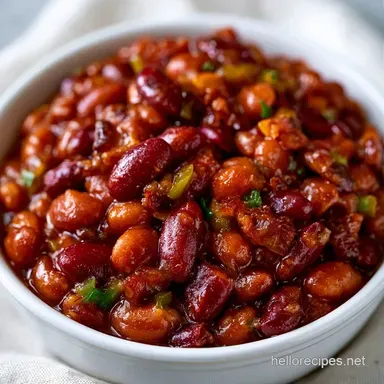
Southern Baked Beans Recipe: Smoky and Caramelized
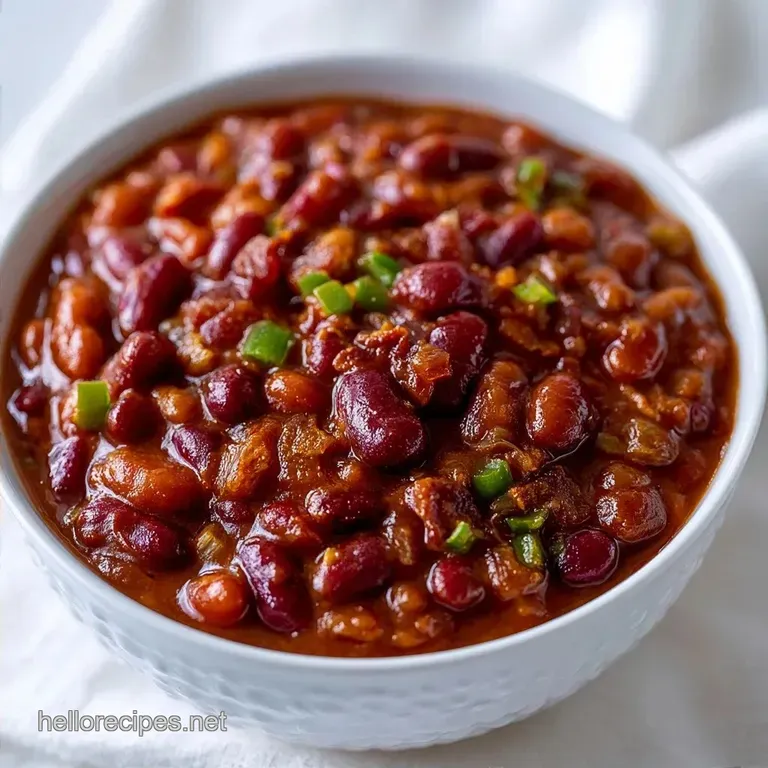
- Time:15 minutes active + 2 hours baking = Total 2 hours 15 mins
- Flavor/Texture Hook: Sticky, smoky glaze with a velvety bean interior
- Perfect for: Family barbecues, Sunday dinners, or a hearty meal prep side
- Southern Baked Beans Recipe Secrets for Success
- The Details at a Glance
- Breaking Down the Ingredients
- Must Have Kitchen Gear
- The Game Plan for Beans
- Fixing Common Bean Blunders
- Troubleshooting Common Issues
- Ways to Switch it Up
- Storage and Waste Tips
- Plating for the Wow Factor
- Scaling Your Batch
- Common Kitchen Myths
- High in Sodium
- Recipe FAQs
- 📝 Recipe Card
That unmistakable sizzle of thick cut bacon hitting a hot cast iron skillet is where the magic starts. If you've ever made beans that tasted like they just came out of a can, or worse, ended up as a watery, sugary soup, I've been there. The real struggle isn't the ingredients, it's the texture.
Most people just dump everything in a pot and hope for the best, but you end up with beans that are either mushy or swimming in a sauce that doesn't actually stick to anything.
The trick is all in the slow burn. I remember one summer cookout where I tried to rush my beans on the stove, and they were just... fine. Not great, just fine. It wasn't until I started treating the sauce like a glaze melting the sugars first and then letting the oven do the heavy lifting that I realized why the old school way is the only way.
This Southern Baked Beans Recipe is my targeted fix for that bland, runny mess. We're going for a heavy contrast: the salty punch of bacon and beef against the deep, dark sweetness of molasses, all balanced by a hit of apple cider vinegar.
You'll get that tacky, caramelized top layer that shatters slightly when you hit it with a spoon, and beans that are tender but still hold their shape.
Southern Baked Beans Recipe Secrets for Success
To really nail the vibe of this dish, you have to understand the flavor map. We aren't just making "sweet beans"; we're building a profile. You've got the salt from the bacon and Worcestershire, the deep bass notes from the molasses, the bright acidity from the vinegar to keep it from being cloying, and that earthy, smoky hit from the paprika.
When these hit the oven for two hours, they fuse into something velvety and rich.
Right then, let's talk about the gear. While you can use a casserole dish, a cast iron skillet is the secret weapon here. It holds heat more evenly and creates those gorgeous, scorched bits around the edges that are basically candy. If you're looking for other comforting sides to round out the meal, this goes great with a Black Eyed Peas Recipe for a full on Southern spread.
But what about the beans themselves? I use a blend. Navy beans are the classic, but adding kidney and great northern beans adds a vibrant mix of colors and slightly different densities. Some people stick to just one type, but the variety makes the dish feel more intentional and homemade.
Trust me on this: don't skip the rinse. Canned bean liquid is thick and starchy, which sounds good, but it can make the final sauce taste metallic and muddy.
- Salty/Umami
- Bacon, ground beef, Worcestershire sauce
- Sweet
- Brown sugar, molasses, ketchup
- Acidic/Bright
- Apple cider vinegar
- Smoky/Warm
- Smoked paprika, black pepper, cayenne
The Details at a Glance
Before we crack on with the cooking, let's look at the logistics. This is a low and slow project. While the active work is minimal, the oven time is non negotiable. If you try to cut the bake time, you won't get that thick, syrupy consistency.
Fast vs. Classic Method
| Feature | Stovetop (Fast) | Oven (Classic) |
|---|---|---|
| Total Time | 45 minutes | 2 hours 15 mins |
| Sauce Texture | Loose and glossy | Sticky and caramelized |
| Bean Texture | Soft/Uniform | Tender with a "bark" on top |
| Best For | Weeknight side | Special occasions/BBQ |
You'll notice the classic method takes significantly longer, but the result is a completely different experience. The slow evaporation in the oven concentrates the sugars, turning the sauce from a liquid into a glaze.
Breaking Down the Ingredients
The beauty of this Southern Baked Beans Recipe is that it uses humble ingredients to create a complex result. The real heavy lifting is done by the combination of brown sugar and molasses. While both are sweet, molasses adds a bitter, metallic depth that balances the salt of the meat.
Component Analysis
| Ingredient | Science Role | Pro Secret |
|---|---|---|
| Molasses | Deep Sweetness | Use "unsulphured" for a smoother, less bitter taste |
| AC Vinegar | Acid Balance | Add a splash more at the end if the beans feel too "heavy" |
| Bacon Fat | Flavor Carrier | Never drain the fat; it's what carries the smoke into the beans |
| Bean Blend | Texture Variety | Use three types to prevent the dish from feeling one dimensional |
You'll want to make sure your ground beef is the 80/20 lean to fat ratio. If you go too lean, you lose that rich mouthfeel, and the beans can end up tasting a bit dry. Honestly, don't even bother with low-fat meat here; we want the richness to stand up to the molasses.
Must Have Kitchen Gear
You don't need a professional kitchen for this, but a few specific tools make the process smoother. The most important is a heavy bottomed skillet or a ceramic baking dish.
- Cast Iron Skillet (12 inch): Ideal for rendering bacon and moving straight into the oven.
- Wooden Spoon: Essential for scraping up the "fond" (those brown bits) from the bottom of the pan.
- Fine Mesh Strainer: For rinsing your beans thoroughly.
- Measuring Cups/Spoons: Precision matters with the vinegar and molasses so the balance stays right.
If you don't have cast iron, a heavy oven safe pot or a stoneware casserole dish works just fine. Just be aware that you might not get quite as much of that charred edge, but the center will still be velvety.
The Game Plan for Beans
Let's get into the actual process. The key here is the sequence. We start with the fats, move to the aromatics, build the sugar base, and then let the oven finish the job.
Phase 1: The Savory Sear 1. Place the diced bacon in a cast iron skillet over medium heat. Cook until the bacon is crisp and the fat has rendered. Note: This fat is the foundation of all the flavor. 2. Add the ground beef to the bacon fat.
Brown the meat until it is no longer pink, breaking it into small crumbles. 3. Add the diced onion and green pepper. Sauté for 5–7 minutes until the vegetables are translucent and fragrant.
Phase 2: Building the Sauce 4. Lower the heat to medium low. Stir in the brown sugar and molasses, stirring constantly until the sugars melt and bubble. Note: Melting the sugar first prevents a grainy texture. 5.
Add the ketchup, apple cider vinegar, Worcestershire sauce, smoked paprika, and black pepper. Stir for 2 minutes until the sauce is cohesive and glossy.
Phase 3: The Slow Bake 6. Gently fold in the rinsed navy, kidney, and great northern beans. Stir until every bean is coated in the thick sauce. 7. Preheat the oven to 325°F (160°C). 8.
Transfer the skillet or pour the mixture into a casserole dish and bake for 2 hours until the sauce is thick and caramelized.
Chef's Note: If you notice the top is getting too dark but the sauce is still a bit thin, loosely cover the pan with foil for the last 30 minutes.
Fixing Common Bean Blunders
Even with a solid plan, things can go sideways. Usually, it comes down to moisture levels or sugar balance. If your beans look more like a soup than a side dish, don't panic it's usually an easy fix.
Troubleshooting Common Issues
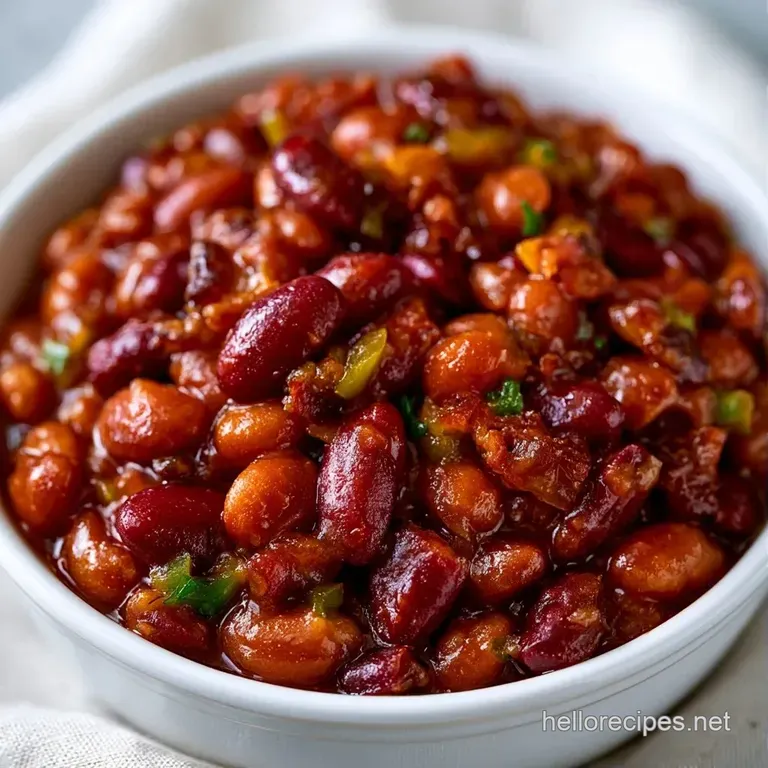
| Issue | Solution |
|---|---|
| Why Your Beans Are Too Watery | This usually happens if the beans weren't rinsed well or if the oven temperature was too low. |
| Why the Sauce Is Too Sweet | If you used a very dark molasses or a high sugar ketchup, the dish can tip over into "dessert" territory. The fix is acidity. |
| Why the Beans Are Mushy | Over stirring is the enemy. Once the beans are in the pan, fold them in gently. |
The "Don't Do This" Checklist
- ✓ Don't skip rinsing the canned beans.
- ✓ Don't use a over high heat oven (it'll burn the sugar before the beans heat through).
- ✓ Don't drain the bacon grease.
- ✓ Don't stir the beans every 15 minutes.
- ✓ Don't use "low-fat" ground beef.
Ways to Switch it Up
While this Southern Baked Beans Recipe is a classic, I love playing with the flavors to fit the mood. Depending on what you have in the pantry, you can shift the whole vibe of the dish.
The Meat Shifts If you want something even heartier, try Southern Baked Beans with Sausage. Swap the ground beef for sliced smoked kielbasa or andouille. The spicy, cured nature of the sausage adds a punch that pairs brilliantly with the sweetness of the molasses.
For a different protein, some people prefer Southern Baked Beans with Ground Beef, which we've covered here, but you can also try using diced ham for a saltier, more traditional feel.
Plant Based Options You can absolutely make these vegetarian. Replace the bacon with smoked paprika and a bit of liquid smoke, and swap the beef for finely diced mushrooms or a plant based crumble.
The molasses and brown sugar provide so much depth that you won't actually miss the meat as much as you'd think.
Regional Styles For a "Texas Style" version, increase the cayenne pepper and add a tablespoon of chili powder. This moves the dish away from "sweet" and more toward "spicy/smoky." If you prefer something more like the Boston baked beans style, you can increase the molasses and reduce the ketchup. Just remember that Boston beans use molasses, however it is a similar recipe; swap out the molasses for the barbecue sauce and it's a whole new ballgame.
Decision Shortcut If you want more heat → Add 1/2 tsp extra cayenne. If you want a smokier taste → Use liquid smoke (1/2 tsp). If you want a thicker glaze → Bake for an extra 15 minutes uncovered.
Storage and Waste Tips
Baked beans are one of those rare dishes that actually taste better the next day. The flavors have more time to marry, and the sauce thickens even further in the fridge.
Fridge & Freezer Store your leftovers in an airtight container in the fridge for up to 4 days. To reheat, I recommend doing it on the stovetop over low heat with a splash of water or apple juice to loosen the sauce. They also freeze surprisingly well!
Put them in a freezer safe bag or container for up to 3 months. Thaw overnight in the fridge before reheating.
Zero Waste Hacks Don't let your scraps go to waste. If you have a bit of bacon grease left in the pan after you've scooped out the beans, save it in a jar. It's liquid gold for sautéing greens or frying eggs.
As for the beans, if you have a small amount of the sauce left in the bottom of the pan, stir it into some leftover rice or use it as a base for a quick BBQ chicken glaze.
If you're making this as part of a bigger meal, consider using the remaining onion and pepper scraps to start a homemade veggie stock. It's a small step, but it keeps the kitchen waste down.
Plating for the Wow Factor
Since this is a rustic, hearty dish, the presentation should be simple but intentional. You don't want it to just look like a brown blob on a plate.
The Visuals Serve the beans directly from the cast iron skillet if you have one it looks authentic and keeps the food warm. If you're plating individually, use a wide, shallow bowl. To add a pop of color, garnish with thinly sliced green onions or a sprinkle of fresh parsley.
The bright green contrast against the deep mahogany of the beans makes the dish look vibrant and fresh.
The Perfect Pairing This is a heavy side, so you need something bright to balance it out. I love serving this alongside a Green Bean Casserole recipe or a crisp coleslaw. The acidity of a vinegar based slaw cuts right through the richness of the molasses.
- The BBQ Platter
- Serve next to ribs, pulled pork, and cornbread.
- The Comfort Bowl
- Spoon the beans over a piece of toasted sourdough or a scoop of creamy mashed potatoes.
- The Brunch Twist
- Serve a small portion alongside eggs and grits for a savory, sweet breakfast.
Scaling Your Batch
Depending on the crowd, you might need to adjust the volume. This Southern Baked Beans Recipe yields about 12 servings, but it's easy to tweak.
Scaling Down (Half Batch) If you're only feeding a few people, use a smaller 8 inch skillet. Reduce the cooking time by about 20%, but keep a close eye on the sauce. Since there's less volume, the liquids evaporate faster, and you don't want to burn the sugars.
For the egg or meat portions, just halve them it's straightforward.
Scaling Up (Double or Triple) When doubling the recipe, be careful with the salt and spices. I usually only increase the salt and cayenne to 1.5x rather than 2x; you can always add more at the end, but you can't take it out. Use two separate skillets or one very large roasting pan.
If you use a deeper pan, lower the oven temperature by about 25°F (10-15°C) and extend the bake time by 30 minutes to ensure the middle gets hot without burning the edges.
Common Kitchen Myths
There are a few things people say about beans that just aren't true. Let's clear those up so you can cook with confidence.
The "Dry Beans Are Always Better" Myth Many purists will tell you that you must soak dry beans for 12 hours to get the best taste. While dry beans are great, high-quality canned beans are a perfectly valid shortcut.
As long as you rinse them thoroughly to remove the metallic canning liquid, you can achieve the same velvety texture in a fraction of the time.
The "Searing Seals in Juices" Myth You'll hear people say that browning the beef and bacon "seals in the juices." In reality, searing doesn't stop moisture from leaving the meat.
What it does do is create a concentrated layer of flavor (thanks to the browning process) that adds depth to the sauce. It's about taste, not "sealing."
The "More Sugar Equals More Flavor" Myth Some recipes call for massive amounts of brown sugar, but too much actually masks the flavor of the beans and the meat. The goal is a balance.
The molasses provides the depth, and the sugar provides the glaze; if you overdo it, you lose the savory soul of the dish.
High in Sodium
980 mg 980 mg of sodium per serving (43% 43% of daily value)
The American Heart Association recommends a daily sodium limit of 2,300 mg, with an ideal limit of 1,500 mg for most adults to reduce the risk of cardiovascular disease.
Tips to Reduce Sodium in Your Baked Beans
-
Swap the Bacon-25%
Replace thick cut bacon with low-sodium turkey bacon or reduce the quantity of bacon to significantly lower processed meat salts.
-
Use Low-Sodium Beans-20%
Substitute the canned navy, kidney, and great northern beans with 'no salt added' versions or use dry beans soaked overnight.
-
Switch Your Ketchup-20%
Use a low-sodium ketchup or a homemade tomato reduction to cut back on the hidden salts in commercial condiments.
-
Modify Worcestershire Sauce-20%
Look for a low-sodium Worcestershire sauce or replace it with a small amount of coconut aminos for a similar savory flavor.
-
Amplify Spices
Increase the amount of smoked paprika and cayenne pepper to add bold flavor and heat without adding any additional sodium.
Recipe FAQs
How do you make Southern style baked beans?
Sauté bacon, ground beef, and vegetables before simmering with sugars and spices. Fold in navy, kidney, and great northern beans, then bake at 325°F for 2 hours until caramelized.
What is the difference between northern and southern baked beans?
Southern versions are heartier and meatier. They incorporate a savory base of ground beef and bacon, whereas northern styles typically rely on a sweeter, syrup forward sauce with less meat.
What one ingredient enhances the flavor of baked beans?
Smoked paprika. It adds a deep, wood fired aroma and subtle heat that complements the molasses and brown sugar perfectly.
How do you adjust these beans for a diabetic friendly diet?
Reduce the quantities of brown sugar and molasses. This lowers the glycemic load while maintaining the savory depth provided by the beef, bacon, and aromatic vegetables.
What side dishes go well with barbecue ribs?
Cornbread, coleslaw, and these baked beans. These pairings balance the richness of the meat; for more Southern inspiration, try our cornbread dressing.
Why are my baked beans too watery?
Rinse the canned beans thoroughly before adding them to the pan. Residual canning liquid prevents the sauce from thickening and caramelizing during the 2-hour bake.
How should I store and reheat leftover baked beans?
Store in an airtight container in the fridge for up to 4 days. Reheat them on the stovetop over low heat with a splash of water to loosen the thickened sauce.
Southern Baked Beans Recipe