Blackeyed Peas: Smoky Southern Comfort Meal
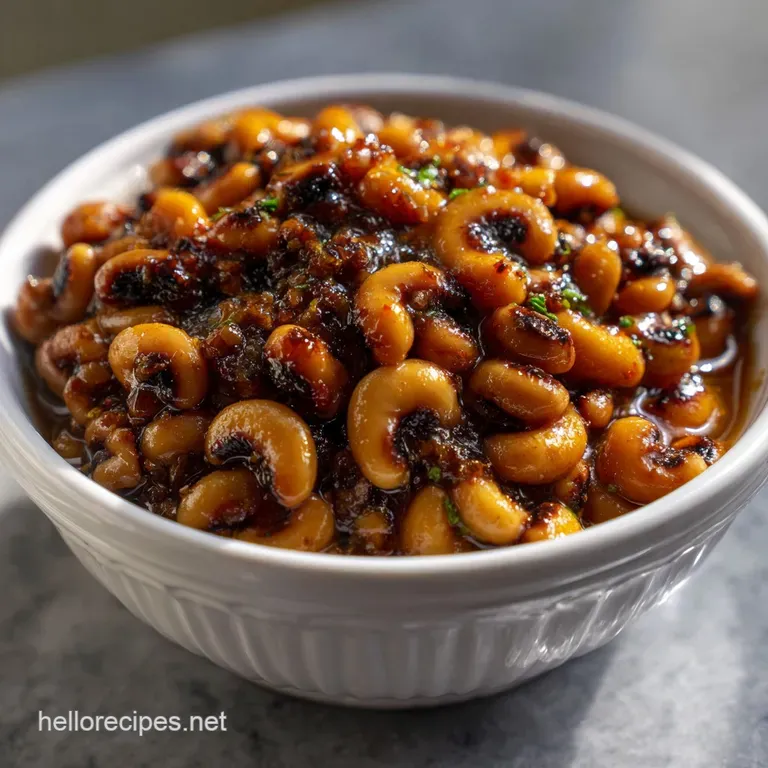
- The Tradition of Black-Eyed Peas: A Southern Must-Have
- Mastering the Texture: Why Slow Cooking is Essential
- Essential Elements for Proper Black-Eyed Peas
- The Step-by-Step Guide to Tender, Flavorful Peas
- Troubleshooting and Chef’s Secrets for Perfect Results
- Traditional Pairings and Serving Suggestions
- Recipe FAQs
- 📝 Recipe Card
The Tradition of Black Eyed Peas: A Southern Must Have
Listen, there are comfort foods, and then there are truly magical foods that smell like home and history rolled into one. When those earthy, smoky aromas of slow simmering BlackEyed Peas hit your kitchen, everything just slows down.
That deep, savory smell promises warmth, richness, and something incredibly fulfilling, which is exactly what we’re aiming for today.
I know, cooking legumes from scratch sounds intimidating, but trust me, this specific BlackEyed Peas recipe is a total lifesaver. It’s ridiculously inexpensive, requires minimal active effort, and yields about eight servings of pure, wholesome goodness.
Plus, when you master how to cook BlackEyed Peas properly, you unlock a flavor profile far superior to anything that comes out of a can.
So ditch the quick fixes and grab your Dutch oven. We’re going to achieve that creamy interior and rich, smoky broth that defines truly great BlackEyed Peas . Ready to get that slow simmer started?
Mastering the Texture: Why Slow Cooking is Essential
Why do some BlackEyed Peas taste bland and dry while others are creamy, rich, and perfect? It all comes down to controlling the rate of cooking and layering the smoke. You need a gentle, long simmer to break down the starch slowly, releasing it into the liquid.
This process naturally thickens the broth, yielding wonderfully Creamy Black Eyed Peas without needing any flour or dairy. The secret is patience, not speed, when preparing the ultimate BlackEyed Peas .
Why Black Eyed Peas Signify Luck (The New Year's Day Custom)
If you've spent any time in the South, you know you simply must eat BlackEyed Peas on New Year's Day. It's an iron clad tradition! They symbolize prosperity for the coming year, with the peas representing coins.
This cultural importance means that people often rush the cooking process on January 1st, but rushing ruins the texture and flavor. Take your time, even if you’re making these Southern Black Eyed Peas Recipe in July.
Defining the 'Smoky Southern' Flavor Profile
The defining characteristic of true Southern style BlackEyed Peas is the smoky depth derived from cured pork usually a ham hock, bacon, or salt pork. This isn't just about fat; it's about the savory, umami flavor that the meat releases as it breaks down into the broth over hours.
This step is non-negotiable if you want that authentic Southern punch in your BlackEyed Peas .
The Difference Between This Dish and Classic Hoppin’ John
People often confuse this standalone dish with Hoppin' John, which is understandable since they share the same star legume. Hoppin’ John is essentially black eyed peas and rice cooked together, sometimes containing specific regional spices, and almost always served on New Year's Day. If you want to check out the traditional version, I’ve got a killer guide on making Hoppin John Recipe: Traditional Smoky Black Eyed Peas that explains the distinction perfectly. This particular recipe focuses purely on perfecting the savory, soupy side dish.
Achieving the Creamy Interior Without Overcooking
This is the holy grail. We want tender, creamy peas that still hold their shape, not mush. Overcooking happens when the simmer is too aggressive, smashing the delicate legumes. Always keep the heat low just barely bubbling.
If you manage the liquid and the heat, you will achieve tender skinned BlackEyed Peas every single time.
The Maillard Reaction: Building Depth with Smoked Meats
Before we even add the peas, we build a foundational flavor. This starts with rendering your chosen smoked meat (ham hock or bacon) and then softening the aromatics in that flavorful fat.
That light browning and caramelization (the Maillard Reaction) creates depth that plain boiled BlackEyed Peas can never achieve. It’s what separates a good cook from a great cook.
The Critical Role of Soaking vs. Quick Cooking Methods
I am generally a proponent of soaking. Soaking dried BlackEyed Peas ensures more even cooking and vastly reduces the chances of having peas that are simultaneously mushy on the outside and hard in the middle.
If you skip the soak, increase your cooking time by 20– 30 minutes, but remember that even the best black eyed peas recipe benefits from a good pre-soak.
Essential Elements for Proper Black Eyed Peas
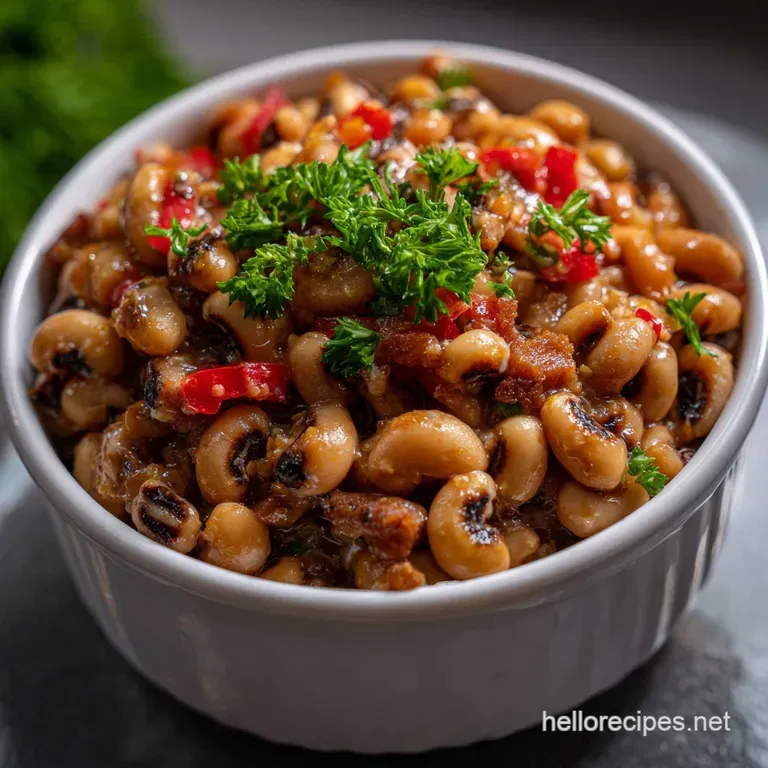
Making perfect BlackEyed Peas relies entirely on having the right building blocks. We’re aiming for simple ingredients that do heavy lifting, especially in the liquid. Don't overcomplicate this; focus on quality and technique.
Selecting the Best Dried Legumes (Avoiding Old Stock)
This might sound like a weird tip, but dried beans and peas don't last forever. If your bag of BlackEyed Peas has been sitting in the back of your pantry for three years, they might never fully soften, no matter how long you simmer them. Buy fresh peas!
Look for a vibrant white cream color with a clear black eye. If they look dusty or pale, pass them up.
Substitutions: Making the Dish Vegetarian or Vegan
I get it, not everyone wants the smoky pork. That doesn't mean you can't have deeply flavorful BlackEyed Peas ! You just need to substitute the smoke element.
| Ingredient Used | Vegan Substitution | Flavor Note |
|---|---|---|
| Smoked Ham Hock | Liquid Smoke (1 tsp) + 2 Tbs Olive Oil | Use good quality vegetable stock for richness. |
| Bacon Fat | Neutral Oil + 2 tsp Smoked Paprika | Paprika deepens the color and mimics smoke. |
The Holy Trinity: Aromatics and Their Purpose (Onion, Celery, Bell Pepper)
While some Southern recipes use the Bell Pepper (making it the Louisiana Holy Trinity), for these BlackEyed Peas , I stick to the classic combination of onion and celery. They provide the necessary savory foundation and aromatic sweetness that balances the heavy smoke.
Don't chop them too finely; they should melt away slightly into the broth.
Broth Quality: Water, Stock, and Liquid Ratio Guidance
The liquid is just as important as the legume itself. Using low-sodium chicken or vegetable stock makes all the difference compared to plain water. You need six cups of liquid for one pound of peas.
As the BlackEyed Peas simmer, they will absorb the liquid, but also release starches, enriching the stock into a luscious gravy.
The step-by-step Guide to Tender, Flavorful Peas
We’re breaking this down into simple stages. Follow these steps precisely to avoid those common hard pea nightmares. This is how to cook BlackEyed Peas like a seasoned pro.
The Initial Soak and Prepping the Aromatics
First, rinse your dried BlackEyed Peas thoroughly to remove any dust or debris. Then, decide on your soak. Overnight in the fridge is ideal, but a quick soak (boil for 2 minutes, cover, rest for 1 hour) works in a pinch. Next, dice up your onion and celery finely.
Searing for Depth: Building the Flavor Base
Heat your fat (oil or reserved bacon grease) in the Dutch oven. If using a ham hock, let it warm through for a minute. Toss in the onion and celery. Sauté until they’re soft and translucent, smelling sweet and savory about eight minutes.
Add your minced garlic and cook only until you can smell it strongly (about 60 seconds). Do not burn the garlic! Burnt garlic means bitterness, and we want beautiful BlackEyed Peas , not bitter ones.
The Long Simmer: Monitoring Tenderness and Liquid Levels
Now, add the soaked and drained BlackEyed Peas , your stock, the ham hock, bay leaves, and thyme. Bring it to a rolling boil, then immediately turn the heat way down. It should barely bubble. Cover loosely. This low, slow process is crucial.
The peas should take 60– 75 minutes to become perfectly tender. If the liquid dips below the level of the peas, add a half cup of boiling water to keep them submerged.
Seasoning Finalization (The Salt Test)
Once the peas are tender and the broth has thickened, remove the ham hock, shred the meat, and return it. Now, it's time for the salt. Taste the broth. It should be rich and punchy. Add salt incrementally until the entire pot sings with flavor.
This is the difference between okay BlackEyed Peas and truly magnificent ones.
Chef’s Note: Never skip the finishing acid. That teaspoon of apple cider vinegar at the end cuts through the fat and smoke, making the flavor profile incredibly bright. It’s the final sparkle these Southern Black Eyed Peas Recipe requires.
Troubleshooting and Chef’s Secrets for Perfect Results
Everyone messes up beans sometimes, including me! I once seasoned a batch of BlackEyed Peas early because I was impatient, and they ended up with tough, leathery skins. Learn from my mistake.
The Great Debate: Should You Add Salt Early?
Absolutely not. Adding salt too early to dried legumes can interfere with the hydration process, preventing the cell walls from softening properly. The result? Those hard, crunchy skins that just won't break down, no matter how long you cook them.
Wait until the very end, after the BlackEyed Peas are already tender.
Fixing Undercooked or Hard Skinned Black Eyed Peas
If you followed the instructions but your BlackEyed Peas still feel hard after 90 minutes, don't panic. First, check your liquid level and ensure they are covered. Second, try adding a tiny pinch of baking soda (1/4 teaspoon).
The alkalinity helps break down the pectin in the skins. Simmer for another 20 minutes, stirring gently.
Accelerating the Process: Adapting this Recipe for the Pressure Cooker
If you simply don’t have 90 minutes, you can adapt this. Use the same ingredients and methods for searing the meat and aromatics in your Instant Pot or pressure cooker. Add the BlackEyed Peas and liquid (reduce liquid by 1 cup).
Cook on high pressure for 18– 20 minutes, then use a Natural Pressure Release for 10 minutes before venting. You can have rich blackeyed pea recipes done in half the time!
Refrigeration Lifespan: Best Practices for Leftovers
Once cooled completely, store your cooked BlackEyed Peas in an airtight container in the refrigerator. They will keep beautifully for 4 to 5 days. You'll notice the broth becomes thicker, almost gelatinous, thanks to the starches and collagen from the ham hock. That's a good sign!
Freezing Cooked Peas: Tips to Maintain Texture
Yes, these BlackEyed Peas freeze wonderfully. Portion them out into freezer safe containers, leaving about an inch of headspace, as the liquid will expand. They maintain their quality for up to 3 months. When reheating, they may lose a tiny bit of creaminess, but the flavor remains superb.
Reviving the Dish: Adjusting Broth Consistency Upon Reheat
When you reheat them on the stovetop, the broth will likely be too thick. This is normal, especially after freezing. Stir in a splash of water or stock (about 1/4 cup per serving) until you reach your desired consistency.
Taste again for salt and acid sometimes reheating dulls the seasoning, so another tiny splash of vinegar makes these perfect BlackEyed Peas again.
Traditional Pairings and Serving Suggestions
These BlackEyed Peas are versatile and hearty. I recommend serving them piping hot alongside some crispy, savory greens. These make one of the best Black Eyed Peas Side Dishes for a traditional Southern meal. If you're looking for other easy legumes, check out my Garlicky Kale Salad with Crispy Chickpeas: Maximum Crunch in 40 Minutes for a crunchy contrast. A bowl of these BlackEyed Peas , paired with cornbread, is a meal in itself. They truly are the king of comfort foods.

Recipe FAQs
Is soaking the dried black eyed peas necessary before cooking?
While black eyed peas cook faster than larger beans, soaking is recommended but not strictly required. An overnight soak significantly reduces the overall simmering time by 30-45 minutes and helps them cook more evenly.
If you skip soaking, ensure you rinse them well and increase the cooking time until they reach your desired tenderness.
Why are my black eyed peas still tough after simmering for hours?
The most common cause of tough skins is adding salt or acidic ingredients (like vinegar or tomatoes) too early in the cooking process, which prevents the legumes from softening properly. Ensure the peas are completely tender before adding the final seasoning adjustments and any highly acidic components.
If you live in an area with hard water, the minerals can also inhibit softening; try using filtered or distilled water for better results.
I want a deeper, smokier flavor without using a ham hock. What are my options?
For a rich, smoky flavor without pork, substitute a smoked turkey wing or neck, which provides similar depth and collagen for a thick, velvety broth. Alternatively, you can use smoked paprika and a very small dash of liquid smoke mixed into your vegetable broth base.
Always sauté your aromatics in olive oil if skipping the traditional bacon grease.
Can this traditional, smoky recipe be made vegetarian or vegan?
Absolutely; replace the meat and animal fat with high-quality vegetable broth and sauté your vegetables in olive oil. To compensate for the loss of umami, add ingredients like dried mushrooms, a spoonful of miso paste, or a healthy dose of smoked paprika.
Ensure your broth is deeply seasoned to carry the flavor that the meat would traditionally provide.
My broth is too watery. How can I thicken the liquid without adding flour?
The easiest natural thickening method is to scoop out about 1/2 cup of the cooked peas and mash them thoroughly with a fork or an immersion blender, then stir the resulting paste back into the pot.
If the peas are still too wet, continue simmering the dish uncovered for 15 to 20 minutes, allowing the liquid to naturally reduce through evaporation.
What is the best way to store and freeze leftover black eyed peas?
Cooked black eyed peas store well in an airtight container in the refrigerator for up to 5 days. For long term storage, cool the dish completely and place it in freezer safe containers, leaving a little headspace for expansion; they will maintain quality for up to three months.
Thaw overnight in the refrigerator and gently reheat on the stovetop, adding a splash of fresh broth if the consistency is too thick.
Can I cook these black eyed peas in a pressure cooker or Instant Pot?
Yes, pressure cooking drastically reduces the time required for this recipe, making it much faster than the stovetop method. Use the same liquid amount, and cook on high pressure for approximately 18 to 22 minutes, followed by a 10-minute natural pressure release.
For best flavor, make sure to use the sauté function first to brown the meat and sweat the aromatics before adding the peas and liquid.
Smoky Southern Blackeyed Peas
Ingredients:
Instructions:
Nutrition Facts:
| Calories | 295 kcal |
|---|---|
| Protein | 21.9 g |
| Fat | 6.6 g |
| Carbs | 38.1 g |
