The Golden Hour Paella Smoky Chicken and Saffron Rice
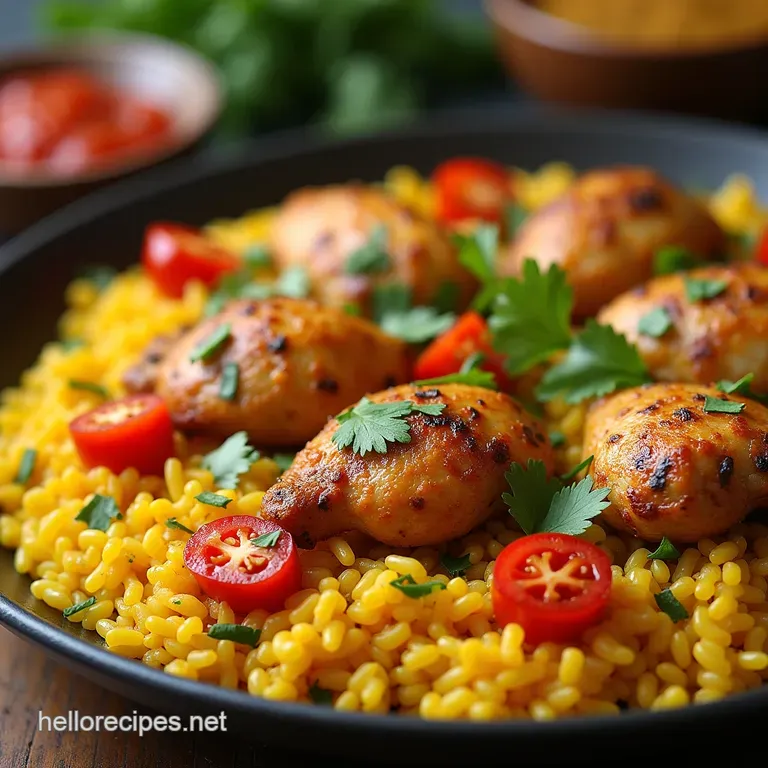
Unlocking the Secrets to True Spanish Flavor
There are few dishes that capture the celebratory spirit of Spanish cuisine quite like Paella. While the seaside provinces often grab the limelight with their seafood versions, today we are journeying inland to focus on the robust, satisfying heartiness of the Chicken Paella .
This isn't just a rice dish; it’s a symphony of textures and aromas, built layer by careful layer, culminating in that unforgettable golden crust. Forget complicated techniques our goal is to deliver an authentic chicken paella recipe that tastes like it’s been simmering over an open fire in Valencia, even if you are cooking on a standard kitchen hob.
Mastering this method unlocks the gateway to true Spanish flavour, creating a memorable meal perfect for sharing.
Why This Chicken Paella Outshines the Rest
What sets a truly great paella apart from its pale imitations? It comes down to intentional flavour development and respect for the process. We are focusing on building depth, using bone-in or, as we prefer in this recipe, flavourful chicken thighs, ensuring the rice absorbs the rich essence of the seared meat and the complex notes of smoked paprika and saffron.
This approach results in a far more satisfying and richly textured spanish chicken paella than simply boiling rice with pre-cooked ingredients.
The Allure of the Authentic: Defining Real Paella
When we speak of authenticity, we refer to the style pioneered in Valencia. A true paella is characterised by its wide, shallow cooking vessel, which maximizes the surface area available for the development of the socarrat .
This recipe sticks closely to those principles, using simple, powerful ingredients to showcase the quality of the rice and the infusion of spice. While variations exist, this blueprint for a Chicken Paella recipe respects the slow development of the sofrito —the aromatic base that defines the dish’s character.
Preparing Your Kitchen for Culinary Success
Before the cooking begins, organization is paramount. Paella moves relatively quickly once the rice hits the pan, leaving little time for frantic chopping. Ensure your chicken paella ingredients are prepped, your stock is hot and ready to pour, and your saffron threads are already steeping in a small amount of that hot stock to maximize colour dispersion.
A medium difficulty rating is assigned to this dish not because the steps are hard, but because the timing and temperature control during the crucial simmering stage require focus.
The Goal: Achieving the Perfect Socarrat
The most prized element of any successful paella is the chicken paella socarrat . This term refers to the toasted, slightly caramelized, crispy layer of rice that forms at the very bottom of the pan.
It’s where the fat, saffron, and seasoned liquid meet the intense heat and fuse into a savoury, crunchy treasure. We aim for this texture a delightful contrast to the tender, flavour soaked rice above it.
Achieving that perfect socarrat is the crowning achievement of any easy chicken paella recipe attempt.
Assembling Your Essential Spanish Pantry
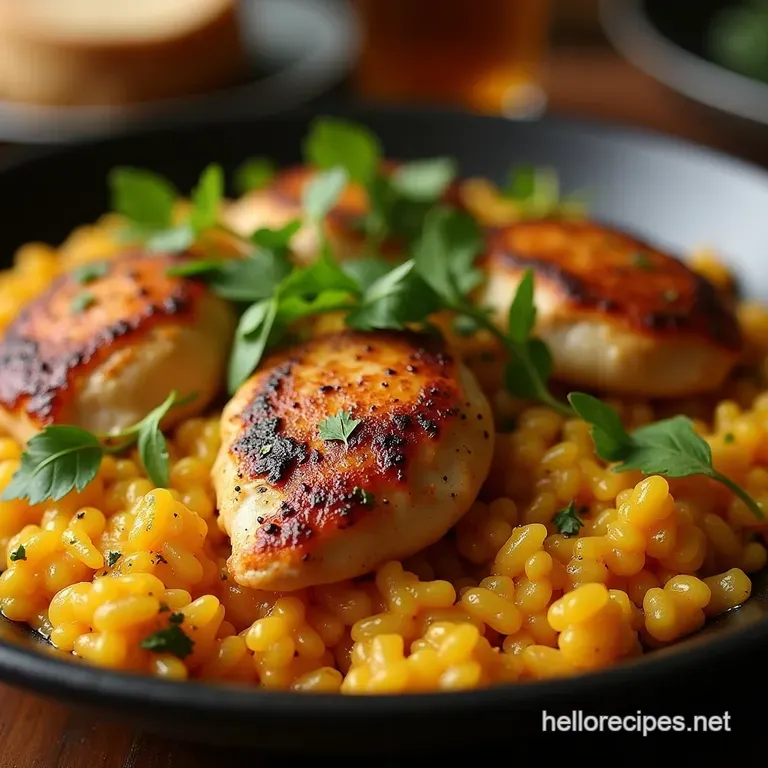
A stunning paella begins long before you light the stove; it starts with sourcing high-quality components. Because the final dish is essentially rice, broth, and protein, each ingredient must pull its weight in flavour contribution.
Must Have Spices: Saffron, Pimentón, and Depth
The soul of this smoky chicken paella is undeniably the spices. Saffron is non-negotiable; it provides that signature golden hue and floral complexity that cannot be replicated. Equally important is Pimentón , the Spanish smoked paprika.
We use it twice: once to season the chicken, and again in the sofrito , ensuring that deep, almost woodsy note permeates every bite. This spice layering is key to depth.
The Right Rice Matters: Arborio vs. Bomba for Chicken Paella
When making any Chicken Paella recipe easy to follow, the rice choice can make or break the texture. While risotto often calls for Arborio, paella demands a short grain Spanish variety like Bomba or Calasparra.
These rices are thirsty, absorbing up to three times their volume in liquid without dissolving or becoming gummy. They hold their shape wonderfully while still becoming tender, which is vital for achieving that desired socarrat layer without turning the top into porridge.
Essential Equipment: Beyond Just a Big Pan
While you can technically make paella in a deep pot, the tradition dictates using a wide, shallow paella pan (typically 14 to 16 inches for this serving size). The shallow depth ensures that the liquid evaporates evenly and quickly, allowing the rice grains to cook simultaneously across the entire surface and promoting proper crust formation.
If you don't own one, choose the widest, heaviest bottomed skillet you possess.
Related Recipes Worth Trying
- Easy Chicken Pozole Authentic Flavor in Under an Hour — Ditch the weekend wait This Speedy Weeknight Chicken Pozole delivers rich authentic flavor using a quick chili paste The perfect simple pozole recipe for...
- Best Thai Red Curry Chicken Recipe Ready in 30 Mins — Forget takeaway This easy Thai Red Curry Chicken recipe delivers authentic creamy and fiery restaurant flavour in just 30 minutes Perfect for a busy...
- Easy Chicken Curry in 30 Minutes A Weeknight Winner — Whip up this Simple Chicken Curry that tastes like it simmered for hours Its the perfect Creamy Chicken Curry for beginners Get the foolproof recipe now
The Methodical Journey to Flavor Infusion
This recipe is designed for steady progression, building flavour linearly so that by the time the rice enters the equation, the foundation is robust. We will be using about 2 lbs of boneless, skinless chicken thighs, cut into uniform 1 inch pieces, seasoned aggressively with salt, pepper, and one teaspoon of smoked paprika.
Step 1: Browning the Bird for Maximum Impact
Heat three tablespoons of good quality olive oil in your paella pan over medium high heat. Working in batches do not crowd the pan sear the seasoned chicken pieces until they are beautifully browned on all sides.
The goal here is to create a rich fond (the browned bits stuck to the bottom), not necessarily to cook the chicken all the way through. Remove the browned chicken and set it aside; this rendered fat and browned residue is liquid gold for the next stage.
Step 2: Developing the Sofrito Base (The Flavor Foundation)
Reduce the heat to medium. Into the residual oil, add the finely diced yellow onion and red bell pepper. Sauté these aromatics slowly, about 6 to 8 minutes, allowing them to soften completely and sweeten the oil.
Next, introduce four minced garlic cloves, cooking only until fragrant about one minute to avoid bitterness. The final touch for the sofrito is grated fresh tomato (or finely chopped canned tomatoes) cooked down until the mixture darkens and thickens slightly, concentrating the flavour.
Finally, stir in the second measure of smoked paprika.
Step 3: Incorporating the Broth and Saffron Infusion
Before adding liquid, you must toast the rice. Pour in about 1.5 cups of Spanish short grain rice. Stir continuously for two minutes, ensuring every grain is coated in the flavourful sofrito and oil. This crucial toasting step helps the grains maintain their integrity.
Now, introduce the liquids: pour in the saffron that has been steeping in about half a cup of hot stock, followed by the remaining three and a half cups of hot chicken stock. Stir everything once to evenly distribute the rice and the chicken pieces you set aside earlier.
Step 4: The Crucial Unstirred Cooking Phase
Bring the liquid to a vigorous, rolling simmer over medium high heat. If using, scatter your frozen peas over the top now. At this exact moment, the most critical rule of paella cooking takes effect: do not stir the rice again.
Stirring releases starch, turning your intended paella into a creamy risotto texture. Let it bubble vigorously for about 10 minutes, allowing the liquid level to drop significantly.
Then, reduce the heat to low and continue to simmer gently for another 10 to 15 minutes until the liquid is nearly absorbed and the rice is al dente .
Troubleshooting and Elevating Your Next Batch
If your rice seems dry before it's cooked, you can add a tiny splash of hot water or stock around the edges, but resist the urge to stir it in; let it seep toward the centre naturally.
If you find you are struggling with temperature control and can’t achieve that final crust, don’t worry; the flavour is already locked in. To deliberately seek the chicken paella socarrat , push the heat up to medium high for the final two minutes and listen intently for a faint crackling sound, which signals the bottom layer is crisping beautifully.
Immediately remove it from the heat once you hear it.
Serving Suggestions: The Grand Presentation
Once removed from the heat source, the paella must rest. Cover the entire pan loosely with foil or a clean tea towel and let it sit undisturbed for a full 10 minutes. This resting period allows the residual steam to finish tenderizing the top grains and helps set the base structure.
Making Warm Leftovers Taste Fresh Again
Leftover Chicken Paella is wonderful, but reheating it can be tricky. The best method is to add a tablespoon of water or stock to the base of the pan (or a small amount in a separate skillet) and reheat slowly over very low heat, covered, until the moisture has warmed through, being careful not to let the socarrat burn on the second go.
Flavor Variations: Beyond the Classic Chicken Paella
While this is a magnificent stand alone dish, experimentation is encouraged. For a more rustic feel, consider adding smoked chorizo into the sofrito stage, transforming it into a slightly richer take on the classic.
Alternatively, adding a splash of dry white wine after the tomato reduces can add a welcome layer of acidity to this easy chicken paella recipe .
The Resting Period: Why Patience Pays Off
That final 10-minute rest is not optional; it is integral to the structure of the dish. It ensures the grains absorb the last vestiges of liquid perfectly and allows the socarrat to stabilize.
Garnish generously with freshly chopped parsley and serve immediately, presenting the entire pan at the table with bright lemon wedges, encouraging everyone to dig in for their portion of flavourful rice and tender chicken.
Recipe FAQs
What’s the big fuss about socarrat in Chicken Paella, and how do I get it without burning everything?
The socarrat is the golden, crispy layer of caramelised rice stuck to the bottom of the pan it’s the crown jewel of paella! To achieve it without disaster, you must stop stirring and turn the heat up for the final two minutes after most liquid is absorbed.
Listen closely; you’ll hear a faint crackle, which signals the crust is forming. If you smell burning, take it off the heat immediately!
Can I stir the rice once I add the stock, or will I ruin my Chicken Paella?
Absolutely, don’t stir the rice after you’ve distributed it evenly with the stock. Stirring releases the starch, which will turn your beautiful paella into something resembling a creamy risotto, which is not what we're aiming for here. Keep your hands off the pan once it starts simmering!
I can’t find Bomba rice; what’s the best substitute for this recipe?
Don't let a tricky ingredient stop you we aren't all based in Valencia, after all! Arborio rice is the best readily available substitute; it has a good starch content, though it might absorb liquid slightly differently.
If you use Arborio, keep a close eye on the simmering time and perhaps reduce the stock by about 1/4 cup to start, just to be safe.
How should I store any leftover Chicken Paella, and can I reheat it properly?
Once cooled, leftover paella should be stored in an airtight container in the fridge for up to three days; try not to let it hang about for a week like last night's shepherd's pie.
The best way to reheat is on the stovetop over low heat with a tiny splash of water or stock, covered tightly, to help steam the rice back to life.
My paella seems a bit dry/runny is there a fix for the liquid situation?
If it's runny after the resting period, it simply needed a few more minutes of simmering before you pulled it off the heat it happens to the best of us! Place it back on very low heat, uncovered, and let the remaining liquid evaporate slowly.
If it’s too dry before the rice is cooked, gently add a small splash of hot stock around the edges.
Smoky Chicken Paella
Instructions:
Nutrition Facts:
| Calories | 475 calories |
|---|---|
| Fat | 15g |
| Fiber | 3g |
