Oxtail Soup: the Ultimate Slow-Simmered Classic
- The Magic of Oxtail: Why This Cut Demands Patience
- The Science of Depth: Achieving Maximum Savoury Flavor
- Essential Components for Authentic Oxtail Soup
- Tailoring the Broth: Adjustments and Ingredient Swaps
- Method: Preparing Your Ultimate Slow-Simmered Oxtail
- Mastering the Technique: Chef's Critical Tips and Troubleshooting
- Maximizing Shelf Life: Storing and Freezing the Soup
- Finishing Touches and Hearty Serving Suggestions
- Recipe FAQs
- 📝 Recipe Card
The Magic of Oxtail: Why This Cut Demands Patience
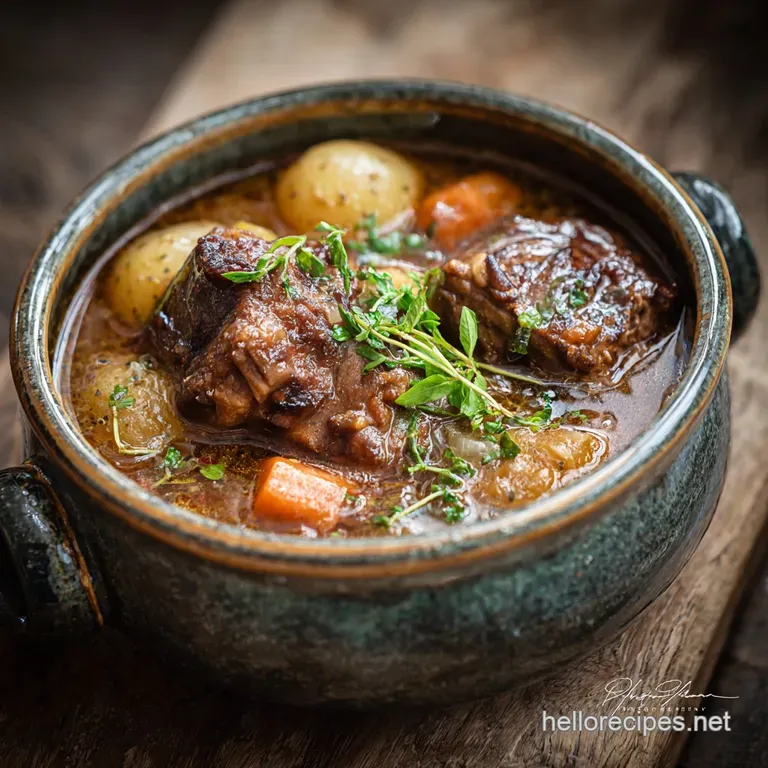
When you walk into a kitchen where a pot of Oxtail Soup is simmering, you don't just smell dinner; you smell history, richness, and pure, concentrated comfort. That deep, mahogany liquid, so thick it coats the back of a spoon, tells the whole story.
This is the kind of hearty dish that pulls you in from the cold and wraps you up in a blanket of savory goodness.
I used to think that slow cooked recipes were too complicated for a weeknight, but trust me, this Traditional Oxtail Soup is mostly hands off. It transforms a humble, often overlooked cut of meat into liquid gold, proving that the toughest, least expensive ingredients often yield the most luxurious results.
It is the definition of a low-effort, high reward culinary project.
We are going to focus on technique not complexity. Forget watery, weak broths; we are achieving a truly unctuous, spoon coating base that defines a proper, rich Oxtail Soup. Get your Dutch oven ready, because we are about to crack the code on this classic.
The Science of Depth: Achieving Maximum Savoury Flavor
The secret to why this cut of meat works so incredibly well is not magic, it’s geometry. Oxtail, as the tail of the animal, is essentially pure bone, connective tissue, and cartilage, all surrounded by incredibly marbled meat. We are after the stuff that makes broth sticky and rich.
Understanding the Collagen-to-Gelatin Transformation
You see, that tough connective tissue? That’s collagen. When you simmer the oxtail low and slow for hours, the collagen dissolves and transforms into gelatin. This gelatin is what gives the final Oxtail Soup its incredible mouthfeel that unctuous, lip-smacking richness that separates a good soup from a legendary one.
If you rush the process, the collagen never breaks down, and you end up with tough meat and a thin broth.
The Difference Between Broth and Truly Unctuous Soup
A regular broth is strained water flavored by ingredients; this Oxtail Soup is fundamentally changed by the meat itself. The goal is to maximize the gelatin release. It’s why you must keep the heat super low, maintaining only the gentlest of simmers.
This ensures the slow, complete breakdown of all that structure into the liquid.
A History of Comfort: Tracing the Origins of Hearty Oxtail Dishes
Dishes like slow simmered Oxtail Soup are rooted in necessity a way to utilize every part of the animal and stretch a tough cut into a nourishing meal. Whether you trace it to the Caribbean, the UK, or Asia (where Korean Oxtail Soup, or kkori gomtang , is revered), the method is the same: time equals flavour.
This recipe leans into the deep, dark gravy base popular in Western traditions.
The Essential Maillard Reaction: Searing for Intensity
Before we even add liquid, we are sealing the fate of the Oxtail Soup flavour profile with a phenomenal sear. Searing the floured meat creates the deep brown, caramelised crust (the Maillard reaction).
This crust creates hundreds of new, savory flavour compounds that scrape up into the deglazing liquid, giving the final broth its incredible depth and colour. You cannot skip this step.
Balancing Aromatics: The Holy Trinity for a Deep Base
Our flavor base uses the classic mirepoix (onion, carrot, celery) alongside garlic and tomato paste. The tomato paste, when cooked down slightly before adding liquid, concentrates its natural sugars and acids, lending a subtle complexity that prevents the richness of the Oxtail Soup from feeling heavy or one-note.
Skimming vs. Straining: Retaining Purity and Richness
During the long simmer, proteins and impurities rise to the surface. You must skim this gray scum off, especially during the first hour. If you don't, your resulting Oxtail Soup will look cloudy. However, later, you will see a layer of clear fat rise.
We can address that later, but the initial scum removal is key to clarity.
Essential Components for Authentic Oxtail Soup
The structure of this Oxtail Soup relies on getting maximum flavour out of minimum ingredients. We use wine and tomato paste to build foundational acidity and umami, ensuring the final product isn't just meaty, but truly balanced.
The flour dusted on the meat not only helps the sear but also provides a tiny bit of immediate thickening, making the final broth more robust.
Chef’s Note: Never salt the liquid heavily at the start. As the soup reduces over 4 hours, the salt concentration increases dramatically. We adjust the final seasoning right at the end.
Tailoring the Broth: Adjustments and Ingredient Swaps

Making Oxtail Soup at home means you can dial in the flavour exactly how you like it. Whether you are aiming for a darker, British style gravy or a lighter, more savory broth, the power is yours.
Sourcing the Best Oxtail: Butcher Notes and Selection
Ask your butcher for medium sized cuts, about 2 inches thick. If the pieces are too small, they dry out; if they are too large, they take forever to cook. Ensure the pieces are sawed cleanly through the bone.
Sometimes, the butcher will leave excessive fat pads attached; ask them to trim some of the larger, harder pieces off.
The Role of Root Vegetables in Building Body
The carrots, celery, and onions are absolutely crucial. They break down completely over the long cook time, contributing sweetness, aroma, and a slight body to the finished Oxtail Soup. They are the unsung heroes of the depth you achieve.
Liquid Gold: Choosing the Right Cooking Stock
I always prefer low-sodium beef stock. Why? Because the flavour of the oxtail bone itself is so dominant, the stock merely acts as a medium for that gelatin release. If you use a high sodium stock, your finished Oxtail Soup will be aggressively salty after reduction.
If you don't have stock, water and a touch of Worcestershire sauce will work, but the depth won't be quite as complex.
Depth Boosters: Using Tomato Paste vs. Red Wine
For a genuinely deep, dark flavour in your Oxtail Soup, you need both acidity and sugar. The dry red wine (like a Cabernet or Merlot) provides necessary acidity to cut through the richness and deglaze the pan beautifully. The tomato paste adds umami.
If you must skip the wine, substitute 1/4 cup of good quality balsamic vinegar mixed with extra stock.
Herb Pouch Variations: Thyme, Bay, and Peppercorns
I keep it simple with fresh thyme and bay leaves, tied neatly together so they are easy to fish out later. For a subtle, spicy kick reminiscent of some Jamaican Oxtail Soup recipes, you can add a whole, pierced Scotch bonnet pepper during the simmer.
Crucially, do not break the pepper open unless you want fire in your bowl!
Adjusting Thickness: When to Add a Starch Slurry
If you followed the recipe and dusted the oxtail in flour before searing, the soup should thicken beautifully on its own from the gelatin. However, if your slow simmered Oxtail Soup is too thin after 4 hours, pull out a cup of the broth, let it cool slightly, whisk in 1 tablespoon of cornstarch, and stir it back into the pot.
Simmer gently for 5 minutes until thickened.
| Ingredient | Substitution Option | Notes |
|---|---|---|
| Oxtail | Lamb Neck or Meaty Veal Shanks | Requires similar long cooking time (3– 4 hours) for tenderness. |
| Dry Red Wine | 1/4 cup Balsamic Vinegar + Extra Stock | Excellent acidity replacement. |
| Beef Stock | Water + 1 2 Quality Beef Bouillon Cubes | Use caution with sodium levels; season last. |
Method: Preparing Your Ultimate Slow Simmered Oxtail
This is the proper way to make this amazing Oxtail Soup. Follow these steps exactly, and you will be rewarded with incredible tenderness.
Preparation Phase: Trimming, Washing, and Initial Sear
First, pat the Oxtail completely dry. Use paper towels until they come away clean and the meat feels tacky. Season generously with salt and pepper, then lightly coat the pieces in flour. Heat your oil in a Dutch oven until it shimmers.
Now, sear the oxtail in small batches until they achieve a deep, dark brown crust on all sides. This is critical for the flavor of the final Oxtail Soup. Remove the meat. Reduce the heat and add your chopped aromatics (onion, carrot, celery), scraping up every delicious brown bit stuck to the bottom of the pot.
Stir in the garlic and tomato paste, cooking for one minute until the paste darkens.
The Long Cook: Maintaining the Perfect Simmer Temperature
Pour in the wine (if using) and deglaze the pot completely. Return the seared oxtail to the pot, add the beef stock, the thyme bundle, bay leaves, and Worcestershire sauce. Bring the liquid up to a full boil, then immediately turn the heat down until the water is barely moving.
You want a very gentle, shy simmer not a rolling boil. Cover the pot slightly ajar to allow steam to escape and simmer for 3.5 to 4 hours. This low temperature is vital for the collagen conversion.
Introducing Vegetables and Final Seasoning Adjustments
Since we put the mirepoix in at the beginning, they will have dissolved, lending only flavor. If you want textural vegetables (like potatoes or mushrooms, though I prefer to stick to just the meat), add them during the final hour of cooking.
After 4 hours, remove and discard the herb bundle and bay leaves. Taste the broth. This is when you make your final seasoning adjustments, adding salt and pepper until the broth truly sings.
The Fall Off-The-Bone Test: Knowing When It's Ready
The timer is a suggestion, not a mandate. The ultimate test for this Oxtail Soup is tenderness. Use tongs to lift a piece of the meat. If you shake the tongs and the meat doesn't fall off the bone instantly, it needs more time.
Continue simmering, checking every 30 minutes, until the meat is truly yielding. Trust me, it’s worth the wait for that perfect texture.
Mastering the Technique: Chef's Critical Tips and Troubleshooting
Even simple recipes can go wrong if you ignore the basics. Avoiding these common mistakes will ensure your Grandma's Oxtail Soup turns out perfect every time.
Troubleshooting Common Bitter Flavors
If your Oxtail Soup tastes slightly bitter, you likely scorched the tomato paste or the flour during the initial searing phase. To fix this, you can try adding a tablespoon of sugar or a splash of fresh red wine vinegar to counteract the bitterness. Next time, make sure your heat is reduced before adding the aromatics.
The Importance of Removing Excess Fat (Chilling Method)
While Oxtail Soup is inherently rich, too much fat can make it greasy. The best way to remove it is the chill method. Once the soup is cooked and cooled to room temperature, place the whole pot in the refrigerator overnight. The fat will solidify into a hard cap on the surface.
The next morning, simply lift the cap off and discard it. You are left with pure, rich broth underneath.
Why Your Oxtail Isn't Falling Apart: Time vs. Heat
If your Oxtail is still tough after four hours, the heat was likely too high or too low. If the heat was too high (a rolling boil), you evaporated the liquid too fast and seized the muscle fibres.
If the heat was too low, the liquid wasn't maintained above 180°F (82°C) long enough for the collagen to break down efficiently. Keep that simmer steady, but shy.
Maximizing Shelf Life: Storing and Freezing the Soup
You probably won’t have many leftovers, but the ultimate hack for leftover Oxtail Soup is learning how to store it correctly. This soup gets even better the next day as the flavors meld together.
Refrigeration Safety and Reheating Best Practices
Once cooled, store the Oxtail Soup in an airtight container in the refrigerator for up to 4 days. If you removed the fat cap (as recommended), reheating is easy. Simply place the soup back in a saucepan and reheat slowly over medium low heat until piping hot. The broth will melt and re-liquefy beautifully.
Freezing the Broth vs. Freezing the Meat Separately
You can definitely freeze this soup! Freeze Oxtail Soup in sturdy, freezer safe containers for up to 3 months. I recommend freezing it whole meat and broth together. Thaw overnight in the refrigerator.
The texture might be slightly looser due to the gelatin structure changing, but the flavor remains magnificent.
Finishing Touches and Hearty Serving Suggestions
This traditional Oxtail Soup deserves a grand presentation. It's a meal in itself, but a few small additions can make it truly spectacular.
Garnishes That Complement the Richness
Keep the garnishes fresh and bright to contrast the savory depth of the broth. A sprinkle of freshly chopped parsley or chives adds necessary color and a hint of fresh flavor. A squeeze of fresh lemon juice stirred in just before serving also brightens the whole dish up wonderfully.
Finishing Thoughts on the Ultimate Oxtail Soup
Serve this rich soup with something substantial to soak up the liquid. Crusty bread is a classic, but if you want something comforting and starchy, spooning the Oxtail Soup over mashed potatoes or rice is divine. If you love big, hearty soup recipes, you might also enjoy my recipe for 15 Bean Soup with Ham: Smoky, Savoury, Seriously Satisfying , which offers a similar depth of flavor but with a different texture. This slow simmered Oxtail Soup is truly a labor of love, but once you taste that tender meat and sticky broth, you will understand why it is a culinary masterpiece. Enjoy!
Recipe FAQs
Why is my oxtail broth thin and lacking that rich, gelatinous texture?
This usually indicates the soup hasn't been cooked for long enough, preventing the collagen from the bones from fully breaking down. Ensure you are simmering the soup for a minimum of 3.5 to 4 hours, and consider reducing the liquid uncovered during the final hour to concentrate the natural gelatin.
A proper oxtail soup should almost coat the back of a spoon when cooled.
How do I know when the oxtail meat is fully cooked and tender?
The oxtail is done when the meat is exceptionally tender and can be easily pulled away from the bone using only a fork. If you encounter any resistance, continue simmering the soup for another 30 to 45 minutes, checking periodically. Patience is key; rushing this step results in tough, chewy meat.
My soup tastes slightly bland after hours of cooking. How can I fix the flavor?
Blandness often means the broth needs more salt or a touch of acidity to lift the heavy flavors. Adjust the salt gradually, and consider finishing the soup with a splash of sherry vinegar or lemon juice just before serving.
For deeper umami, a teaspoon of Marmite or a small knob of Parmesan rind added early in the simmer can make a substantial difference.
Is searing the oxtail pieces absolutely necessary, or can I skip that step?
Searing is highly recommended as it is crucial for developing the depth and complexity of flavor (the Maillard reaction). This step caramelizes the surface of the meat, locking in a savory foundation that cannot be achieved through simply boiling.
Skipping the sear will result in a broth that is noticeably lighter in color and lacking that essential, robust backbone.
Can I use an Instant Pot or pressure cooker to speed up the process?
Yes, a pressure cooker can drastically reduce the cooking time from 4+ hours to approximately 60 75 minutes under high pressure. Ensure you still perform the initial searing and sautéing steps separately before sealing the pot.
While faster, be aware that some of the deep, aged flavor profile that only a long, slow simmer imparts might be sacrificed.
How should I store leftover Oxtail Soup, and does it freeze well?
Oxtail soup stores wonderfully in the refrigerator for up to 4 days; cool it completely before transferring it to an airtight container. It also freezes exceptionally well for up to three months, though note that the cooked vegetables may soften slightly upon thawing.
Before reheating, remember to skim the hardened layer of fat from the chilled soup for a cleaner broth.
I prefer a thicker soup; what is the best natural way to thicken the broth without flour?
The best natural thickener is the soup's own reduced collagen, achieved by simmering it uncovered for the final hour to reduce the volume. Alternatively, you can remove a cup of the cooked root vegetables, mash them thoroughly, and stir them back into the broth.
This adds body and starch without affecting the flavor profile.
Slow Simmered Oxtail Soup Classic
Ingredients:
Instructions:
Nutrition Facts:
| Calories | 700 calories |
|---|---|
| Fat | 45 g |
| Fiber | 3 g |
