The Quick Zest Effortless Bright Lemon Layer Cake
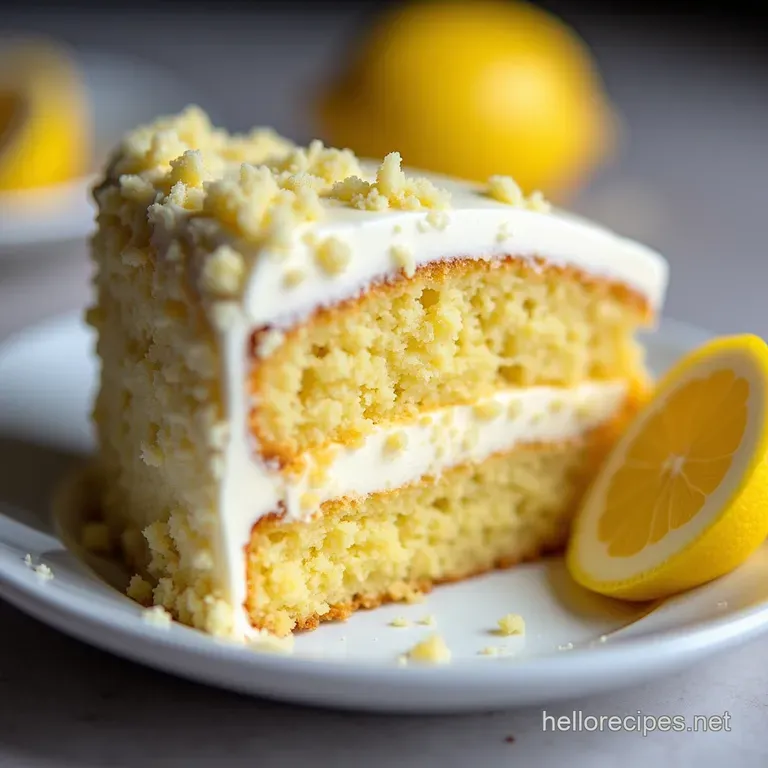
- Unlocking the Sunshine: Why This Simple Lemon Layer Cake Shines Brightest
- The Philosophy Behind Achievable, Zingy Baking
- Gathering the Essentials: What Makes This Lemon Magic Happen
- The Step-by-Step Guide to Crafting Your Simple Lemon Layer Cake
- Achieving Perfect Baking Consistency and Temperature Control
- Troubleshooting & Flavor Enhancements for Your Citrus Masterpiece
- Recipe FAQs
- 📝 Recipe Card
Unlocking the Sunshine: Why This Simple Lemon Layer Cake Shines Brightest
There’s something inherently joyous about a truly great lemon dessert. It cuts through the richness, cleanses the palate, and delivers a thrilling burst of sunshine, regardless of the weather outside your window.
For those who adore the bright tang of citrus but shy away from complicated patisserie techniques, our Simple Lemon Layer Cake is the answer you’ve been searching for.
This recipe is designed to deliver maximum impact moist, tender layers cradled by a sharp, sweet frosting while keeping the process delightfully straightforward. Forget fussy steps; we are focused purely on achieving that perfect, zingy flavour profile that makes people ask for the recipe immediately.
The Philosophy Behind Achievable, Zingy Baking
Baking citrus cakes often involves a trade off: incredible flavour demands careful technique. Our goal here is to eliminate that compromise. We’ve engineered this Lemon Layer Cake Recipe to rely on simple, well understood methods primarily the creaming technique ensuring that anyone, whether you’re mastering your first layer cake or just looking for an Easy Lemon Layer Cake UK favourite, achieves a stunning result.
This isn't about complicated emulsions; it’s about quality ingredients handled correctly.
A Crumb That Whispers 'Moist' (Not 'Dry')
The primary fear when baking any sponge is dryness. To combat this, this recipe utilizes a generous amount of high-quality butter and room temperature liquids (milk and eggs). The creaming of the butter with the sugar first incorporates essential air, setting the stage for a light structure.
On top of that,, by using a higher ratio of fat to flour than some leaner recipes, we guarantee a tender crumb that remains beautifully moist, even a day or two after baking.
Demystifying the Double Layer Structure
Why two layers? Because texture and height matter! Using two 8 inch pans creates a beautiful profile that feels substantial and impressive, yet it’s inherently easier than managing a tall, multi tiered creation.
This approach ensures even baking across both layers and provides the perfect surface area for slathering on that vibrant Lemon Cream Cheese Frosting . The structure here is designed for stability and ease of handling, making the assembly of these Lemon Layer Cakes a breeze.
Your New Go-To for Instant Cheer
When you need a cake that feels special but doesn’t require a whole weekend dedicated to baking, this recipe steps up. It’s quick enough for a spontaneous bake session, yet elegant enough for a birthday celebration.
Consider this your blueprint for an Easy Lemon Layer Cake that consistently delivers that 'wow' factor.
Gathering the Essentials: What Makes This Lemon Magic Happen
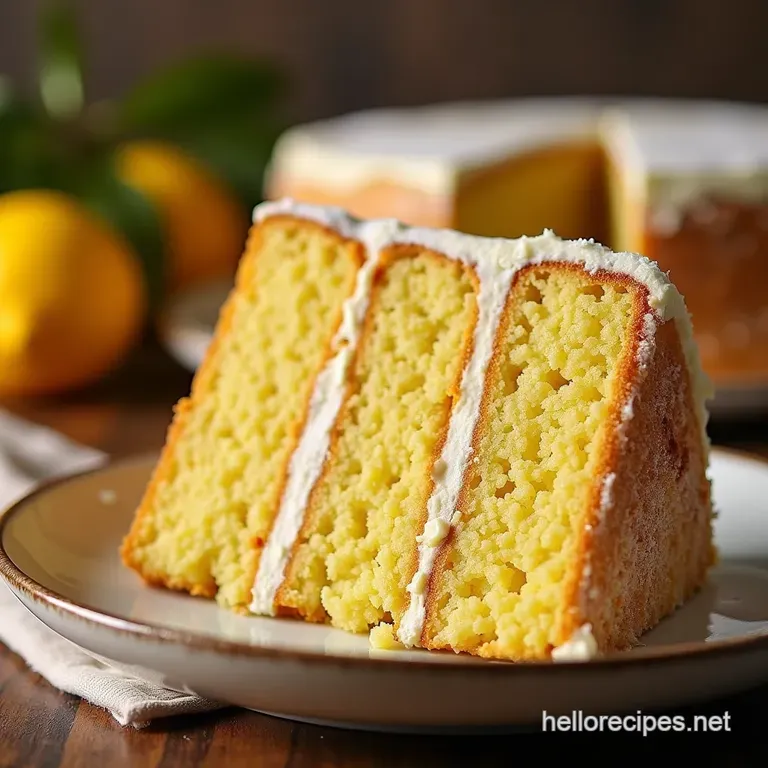
Before we dive into the mixing bowls, setting out your ingredients correctly is half the battle won. For a successful Simple Lemon Cake , temperature management is key to building the perfect emulsion.
We are looking for everything to be at room temperature butter, eggs, and milk which allows them to blend seamlessly, trapping air and yielding a smooth batter.
Essential Pantry Items for a Fluffy Base
For the sponge layers, you will require standard dry goods: sifted all-purpose flour, granulated sugar for sweetness and structure, baking powder as our primary leavening agent, and fine sea salt to balance the sweetness.
Crucially, we need a high quantity of room temperature unsalted butter a full cup which provides richness and tenderness.
The Secret to Intense Lemon Flavor (Hint: Zest First!)
The true heart of this bake lies in the lemon. To maximize flavour, we incorporate lemon zest directly into the butter and sugar mixture during the creaming stage. This process, known as flavour infusion, allows the essential oils from the rind where all the potent flavour resides to distribute evenly throughout the fat.
We then supplement this with freshly squeezed lemon juice added later in the mixing process for that signature sharp tang. Remember: always zest your lemons before you juice them!
Equipment Checklist: Tools to Guarantee Success
While we are keeping the methods simple, having the right tools aids in precision. You will need two 8 inch round cake pans, lined and greased meticulously. An electric mixer, whether a stand or hand held unit, is essential for achieving that crucial creamy texture with the butter and sugar.
Finally, a microplane for fine zesting and a wire cooling rack for proper aeration post baking complete the set.
Related Recipes Worth Trying
- MimosaInspired Lemon Orange Curd Tart Recipe — Elevate your brunch game This MimosaInspired Tart blends zesty lemon and orange curd in a crisp crust Foolproof steps for a sophisticated treat
- Speedy Garlic Lemon Sautéed Green Beans Recipe TenderCrisp Side — Toss sad boiled veg goodbye These Simple Sauteed Green Beans are blistered perfectly and ready in 20 minutes Your new favourite Green Beans Side Dish
- Golden Zest Thyme Lemon Chicken Recipe 55 Mins — Forget watery chicken This easy Lemon Chicken recipe delivers juicy meat under golden crisp skin finished with a bright zesty pan sauce Your new weeknight...
The step-by-step Guide to Crafting Your Simple Lemon Layer Cake
With your ingredients prepped, the process moves swiftly. This Simple Lemon Layer Cake Recipe follows the classic creaming method, which is inherently reliable for producing a light yet sturdy cake base suitable for stacking.
First, preheat your oven to 350° F ( 175° C). Prepare your two 8 inch pans by greasing them thoroughly and fitting circles of parchment paper onto the bases to ensure easy release.
In a large bowl, whisk together the sifted flour, sugar, baking powder, and salt. Next, in your mixer bowl, beat the softened butter until it is pale and fluffy, then beat in your generous two tablespoons of lemon zest until the mixture smells intensely fragrant.
Add the four room temperature eggs one at a time, mixing well after each addition and scraping down the sides of the bowl to maintain consistency.
Now comes the alternation step: gradually mix the flour mixture and the room temperature milk into the butter mixture in three additions, starting and finishing with the dry ingredients. Mix only until the streaks of flour disappear.
Overmixing at this stage develops gluten, leading to a tough texture, which is the opposite of what we want in a Three Layer Lemon Cake sponge (though we are using two here, the principle applies!).
Finally, gently fold in the two tablespoons of fresh lemon juice and one teaspoon of vanilla extract by hand.
Divide the batter evenly between your two prepared pans. They are now ready for the oven, where they will bake for approximately 28 to 32 minutes.
Achieving Perfect Baking Consistency and Temperature Control
Precision in the oven ensures a professional result, even with an Easy Lemon Layer Cake . Pay close attention to the temperature and your mixing technique for the best outcome.
Mixing Secrets: Wet vs. Dry Incorporation Technique
The alternating addition of wet (milk) and dry (flour) ingredients serves a vital purpose. Adding the dry ingredients first coats the butter and sugar particles, preventing too much gluten development when the milk is introduced.
Adding the final dry portion helps absorb any residual moisture, firming up the batter just enough before the final liquid flavouring (the lemon juice) is added. Keep your mixer speed low once the flour is introduced this is where structure is either built or destroyed.
Baking Times and the Toothpick Test for Doneness
Baking typically takes between 28 and 32 minutes for 8 inch layers at 350° F ( 175° C). The absolute indicator of doneness is the classic toothpick test: insert a thin wooden skewer into the centre of the cake; if it emerges clean, or with only a few moist crumbs attached, your cake is done.
If it comes out wet with batter, give it another three minutes. Let the cakes rest in their pans for ten minutes before inverting them onto a wire rack to cool completely. Never attempt to frost a cake that retains any warmth, or your frosting will melt into a sad puddle.
Whipping Up the Tangy Cream Cheese Frosting
While the cakes cool, turn your attention to the Lemon Cream Cheese Frosting . This provides a lovely, soft tang that beautifully complements the sponge. Beat one cup of softened butter until creamy, then gradually beat in four cups of sifted powdered sugar, alternating with the lemon juice and zest.
Beat until the mixture is light and fluffy. If it seems too stiff to spread, add heavy cream or milk one tablespoon at a time until you achieve a perfectly spreadable consistency for this Lemon Curd Layer Cake style topping (even without the curd).
Assembling and Applying the Crumb Coat Finish
Once the layers are completely cool, use a serrated knife to gently level any dome from the top if necessary. Place the first layer down, spread generously with frosting, and top with the second layer.
Now, for a truly polished look, apply a very thin layer of frosting around the entire cake this is the "crumb coat," which traps any loose crumbs. Chill this briefly (about 20 minutes) before applying your final, thicker layer of frosting for a flawless finish.
Troubleshooting & Flavor Enhancements for Your Citrus Masterpiece
Even the simplest recipes can sometimes throw a curveball, and there are always ways to take a beloved recipe, like this Simple Lemon Layer Cake , and elevate it further.
Troubleshooting & Flavor Enhancements for Your Citrus Masterpiece
If your cakes sank slightly in the middle, it often points to opening the oven door too early or having ingredients that were too cold. If the frosting is too thin, simply add more sifted powdered sugar; if it’s too thick, add a teaspoon of liquid at a time.
Elevating the Tang: Optional Flavor Bursts Beyond Basic Lemon
To truly make these Lemon Layer Cakes unforgettable, consider adding a layer of homemade or high-quality store-bought lemon curd between the sponge and the frosting. This creates a spectacular burst of intense, jammy flavour.
Alternatively, finely chopped candied lemon peel mixed into the frosting adds a wonderful chewiness and textural contrast.
Making Ahead: Can This Lemon Cake Handle Overnight Prep?
Yes, this cake is an excellent candidate for prep ahead. The sponge layers can be baked up to two days in advance and stored tightly wrapped at room temperature. The Lemon Cream Cheese Frosting can be made 24 hours ahead and refrigerated; just allow it to come to room temperature and re-whip it briefly before assembly.
The Best Method for Freezing Baked Layers
If you need to bake further in advance, allow the completely cooled layers to chill slightly, then wrap each one tightly in plastic wrap, followed by a layer of aluminum foil. Frozen layers will keep beautifully for up to three months and can be thawed overnight in the refrigerator before frosting.
Pairing Suggestions: What Goes Well with This Bright Cake?
This Simple Lemon Layer Cake stands beautifully on its own, but it pairs wonderfully with sharp, fresh accompaniments. A side of macerated raspberries or blueberries offers a deep colour contrast and a complementary tartness.
For beverages, consider a strong cup of black tea or, for a sophisticated adult pairing, a chilled glass of Sauvignon Blanc which echoes the bright acidity of the cake.

Recipe FAQs
How can I ensure my Simple Lemon Layer Cake layers are perfectly flat and don't dome up in the middle?
That pesky dome is the bane of every baker's existence! For this Simple Lemon Layer Cake, ensure your oven temperature is accurate; sometimes running too hot causes the edges to set before the middle rises, creating a dome.
Alternatively, after baking, you can trim the tops flat with a large serrated knife once the cakes have cooled slightly, or try baking at a slightly lower temperature (say, 325°F/160°C) for 5-10 minutes longer.
Can I make this cake ahead of time, and how should I store it?
Absolutely, making it ahead is a smart move for any gathering! Once fully assembled and frosted, the cake keeps wonderfully at room temperature (covered loosely) for up to two days, assuming your kitchen isn't too warm it should be closer to room temperature than a sweltering conservatory.
For longer storage, wrap the unfrosted layers tightly in plastic wrap and freeze them; they’ll keep well for up to three months before thawing and frosting.
My frosting is either too runny or too stiff; how do I fix the consistency for this lemon buttercream?
This is often just a battle of temperature and liquid! If it's too runny, pop the whole bowl into the fridge for 10 15 minutes, then beat it again on medium speed the butter needs to firm up slightly.
If it’s too stiff (like trying to spread concrete), beat in an extra teaspoon of milk or heavy cream at a time until you reach that perfect, easily spreadable texture, much like thick clotted cream.
What’s the secret to getting that really intense, bright lemon flavour in both the sponge and the icing?
The key is twofold: zest and acid! For the sponge, make sure you rub the lemon zest into the sugar before creaming it with the butter, as this releases the essential oils beautifully.
For the frosting, always use freshly squeezed lemon juice right before assembling; bottled juice simply doesn't offer the same punch to cut through the richness of the butter.
I’m nervous about the "room temperature" ingredients; what happens if my butter or eggs are too cold for this Simple Lemon Layer Cake?
If your ingredients are cold, the batter won't emulsify properly, leading to a dense, slightly curdled texture it'll taste okay, but the crumb will be heavy, not light and fluffy.
To quickly warm eggs, place them in a bowl of warm (not hot!) water for 10 minutes, and ensure your butter is soft enough to easily leave an indent when pressed gently, but not greasy or melted.
Simple Lemon Layer Cake
Instructions:
Nutrition Facts:
| Calories | 475 |
|---|---|
| Fat | 24g |
| Fiber | 1g |
