Penne Alla Vodka the Secret to Silky Restaurantquality Sauce
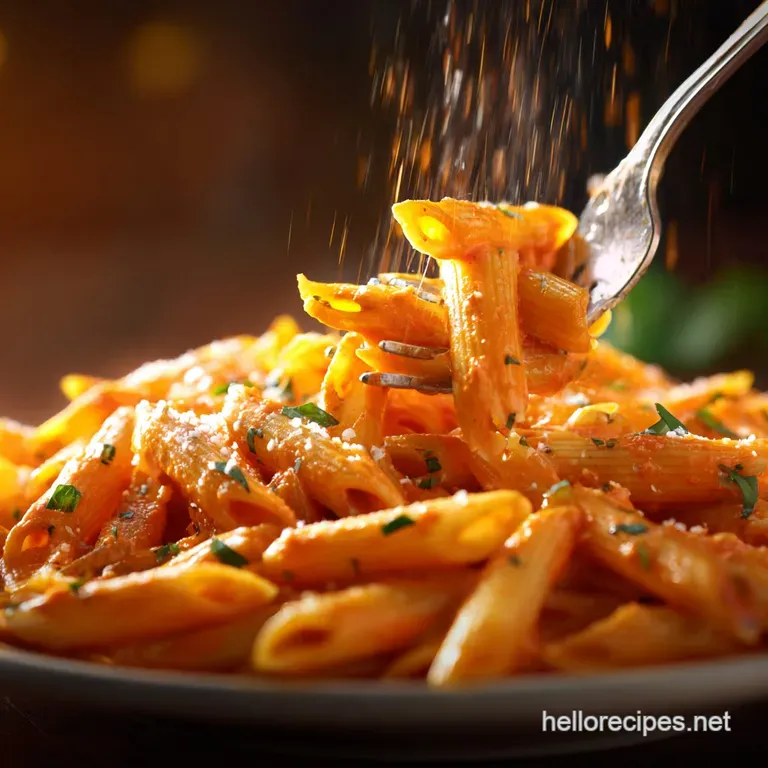
- Mastering the Velvet Rosé: Why Technique Matters in Penne alla Vodka
- Sourcing Essential Ingredients for Optimal Flavor
- Equipment List: Essential Kitchen Tools for Preparation
- Step and by-Step: Crafting the Iconic Vodka Sauce Base
- Finalizing the Pasta: Achieving the Perfect Sauce Cling
- Expert Tips and Troubleshooting for Your Penne alla Vodka
- Expanding the Menu: Serving Suggestions and Delicious Variations
- Recipe FAQs
- 📝 Recipe Card
Mastering the Velvet Rosé: Why Technique Matters in Penne alla Vodka
Right then. Let’s talk about Penne alla Vodka. This isn't just a basic tomato cream sauce. If you’ve ever ordered this dish out and gotten a perfectly glossy, uniform, rosy sauce, and then tried to make it at home and ended up with sad, separated, oily slop, you know the heartbreak. Been there.
Bought the t-shirt. It’s infuriating, but the secret isn't some complex culinary magic; it’s all in the timing and the technique. We are aiming for a velvet finish, something so lush it coats the penne like a cashmere blanket. Anything less is a fail, and we are not failing tonight.
The Italian and American Heritage of This Comfort Classic
It’s interesting, isn't it? This isn’t a dish from some tiny Italian village. This is Italian and American comfort food royalty, born, debated, and perfected right here, probably sometime in the 1970s.
The debate over who invented the first "Vodka Pasta Recipe Without Vodka" (or with it, rather) is legendary, but honestly, who cares? What matters is that someone genius decided to marry the rich depth of a reduced tomato paste with the decadence of heavy cream, and then threw in a splash of clear liquor to make it behave.
It’s pure brilliance. It's the ultimate crowd and pleaser and a staple in my rotation for a reason.
The Emulsification Secret: Achieving a Watery and Sauce Free Finish
Look, here’s the thing about cream sauces: oil and water hate each other. They separate. They break. If you just dump cream into tomato sauce, you'll likely end up with an orange liquid with fatty pools floating on top. Gross. Emulsification is when you force them to play nice, creating a stable, smooth bond.
In the case of Penne alla Vodka, we achieve this stability in three ways: the vodka itself (more on that next), the starch in the reserved pasta water, and the slow incorporation of high and fat dairy and cheese. If you skip the pasta water, you will 100% regret it. Trust me.
That starchy liquid is non and negotiable for the perfect cling.
The Critical Role of Vodka in Dissolving Flavor (Solvent Action)
So why the vodka? Is it just for a little buzz? Nope. The small amount we use cooks off almost entirely, but before it goes, it performs a crucial chemical job. Vodka acts as a powerful solvent, meaning it helps dissolve and bind compounds (like the oil from the fat base and the acidity from the tomatoes) that wouldn’t normally mix well with water or cream.
It’s what allows the resulting Penne Alla Vodka Sauce to be so incredibly creamy and uniform. It pulls out fat and soluble flavor compounds from the tomato that water can't touch. Crucial warning: You must reduce it fully.
I once rushed this step and served sauce that tasted aggressively boozy. Never again. Cook it down until you can no longer smell the harsh alcohol fumes.
Sourcing Essential Ingredients for Optimal Flavor
I preach this always: simple recipes demand stellar ingredients. You are only using maybe eight things, so if your tomato paste tastes metallic or your Parmesan is pre and grated sawdust, the final dish will suffer.
When shopping for ingredients for the Best Penne Alla Vodka Recipe , prioritize the creamy components and the tomato core. It makes all the difference in the world for that velvet finish.
Equipment List: Essential Kitchen Tools for Preparation
Honestly, you don't need fancy tools here. Just a good, heavy and bottomed pan. That’s the most important piece of equipment you own for stovetop cooking because it ensures even heat and prevents scorching the butter and shallots (which happens lightning fast in a cheap, thin pan).
The Best Type of Tomato Paste for a Deep Umami Base
If you can find double concentrated tomato paste, use it. It is exponentially more flavorful than standard paste. It provides the deep, caramelized, sweet, slightly savory backbone (the umami base) that prevents the sauce from tasting thin or overly acidic. I prefer the stuff that comes in a tube, personally.
It stays fresh longer, and since we only need 3 tablespoons, that's perfect.
Selecting the Perfect Penne Shape and Quality
While the recipe is named Penne Pasta Recipes , you can swap in rigatoni or mezzelune. Just make sure whatever you pick is rigate (lined or ridged). Smooth pasta (lisce) lets the sauce slide right off.
Ridged pasta acts like a highway system for the sauce, grabbing every last drop of that creamy goodness. This is the difference between a good dish and a great one.
Pantry Checklist: High and Proof Vodka and Heavy Cream Requirements
This is where you commit. We are using heavy cream (35% fat), not milk, not half and half. Why? Stability. The higher the fat content, the less likely your sauce is to separate when mixed with acid or heat. Don't cheap out here. As for the vodka, any standard 80 proof (40% alcohol) vodka is fine.
You don't need the top shelf stuff, but don't use the stuff that burns your esophagus, either.
Mise En Place: Prepping Your Ingredients Before the Stove
Chop your shallots, mince the garlic, grate the Parmesan, and open all your cans. Seriously. Have everything lined up. The sauce moves fast once the heat is on, especially during the shallot phase and the vodka reduction phase. If you're fumbling for the cream while the tomato paste is burning, you've already lost.
Prep first, cook second.
Related Recipes Worth Trying
- Easy FallApart Pot Roast with Carrots Crockpot — Forget dry beef This Easy FallApart Pot Roast uses the slow cooker for meltinyourmouth results Perfect for a cozy weeknight meal
- Discover Authentic Spaghetti alla Gricia A Roman Feast — Craving proper Roman comfort food Discover Authentic Spaghetti alla Gricia made with guanciale Pecorino So simple so delish Get the recipe now
- Easy BBQ Pulled Beef My FallApart Slow Cooker Secret — Craving ridiculously tender Easy BBQ Pulled Beef My slow cooker method or oven baked is foolproof Perfect for sandwiches or piling on fries Get the recipe now
Step and by-Step: Crafting the Iconic Vodka Sauce Base
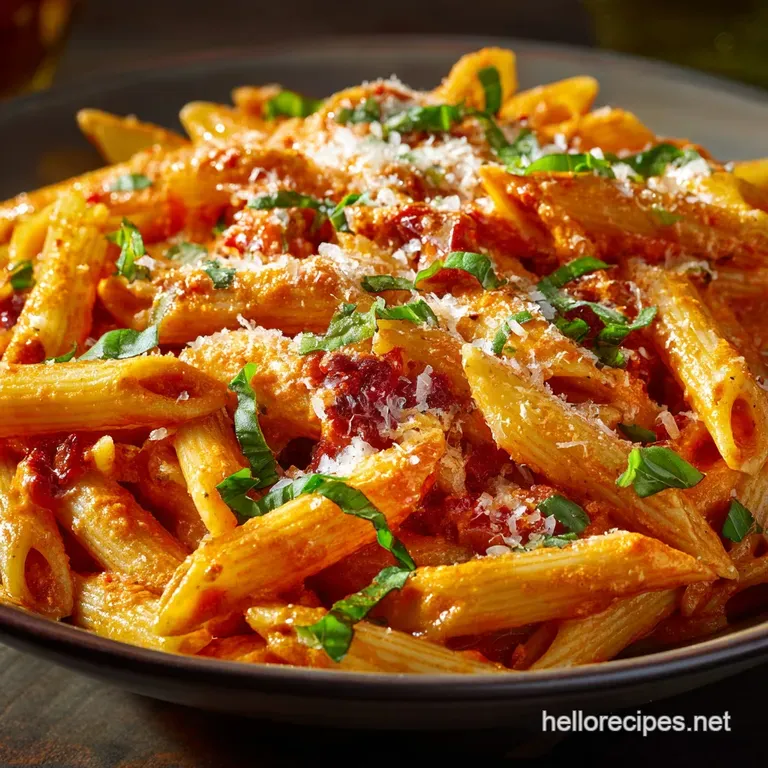
We start low and slow. Melt the butter and olive oil together over medium and low heat. We want to sweat those shallots, making them soft, translucent, and sweet, which takes a good five to seven minutes. Don’t rush this by blasting the heat. You want flavour extraction, not browning.
Once they are soft, add the garlic and red pepper flakes. Cook for just 30 seconds garlic burns fast, so watch it!
Finalizing the Pasta: Achieving the Perfect Sauce Cling
This is the home stretch, where we transform individual ingredients into that perfect, glossy final product.
Blooming the Aromatics and Tomato Paste for Maximum Depth
Now we hit the heat. Push the aromatics aside and add the tomato paste directly to the hot pan surface. Stir it constantly, cooking it for a full two minutes. You are caramelizing it, changing its flavor profile entirely, and removing that slightly tinny taste canned paste can have.
This step provides the depth you crave. Once it smells sweeter and has deepened in color, stir it all together.
The Decisive Moment: Deglazing with Vodka and Reduction Technique
Turn the heat up to medium and high and pour in the cold vodka. It will bubble aggressively. Use your wooden spoon to scrape up all the flavorful browned bits (the fonds ) from the bottom of the pan that’s your deglazing.
Crucial Warning: Simmer this vodka hard for about three minutes, stirring occasionally, until the smell of alcohol has completely vanished. If you smell ethanol, you need to keep reducing. This is how the magic happens and how you avoid a harsh and tasting sauce.
Integrating the Cream and Parmesan Without Breaking the Sauce
Once the vodka is gone, pour in your crushed tomatoes and simmer gently for about eight minutes. Now, the danger zone: dairy addition. Take the pan off the heat entirely for a minute. Then, stir in the heavy cream until the sauce turns that uniform, beautiful rosy pink color.
Return it to the lowest possible heat . If you boil the cream once it's incorporated, it can separate. We want gentle warmth, not a violent simmer. Finally, stir in your freshly grated Parmesan until it melts beautifully.
The Starchy Secret: Using Reserved Pasta Water to Bind the Sauce
The sauce will look thick but perhaps a little loose. This is where we call in the big guns. Add the just and drained, slightly undercooked penne right into the sauce. Ladle in about half a cup of that reserved, starchy pasta water.
Toss everything vigorously over medium heat for 2– 3 minutes. The starch activates, the sauce tightens, and the pasta finishes cooking in the sauce itself, sucking up all that amazing flavor. The sauce should turn glossy and cling tightly to the pasta.
If it’s too thick, add more water, a splash at a time, until it looks perfect.
Expert Tips and Troubleshooting for Your Penne alla Vodka
Here are a few nuggets I learned the hard way (usually by burning something or having the sauce split):
- Taste, Taste, Taste: Before serving, taste the finished pasta, not just the sauce. Does it need more salt? More pepper? Maybe a tiny pinch of sugar if your tomatoes were very acidic. Adjust it until it sings.
- The Shallot Swap: Use shallots, not yellow onions. Shallots are sweeter and melt into the background better, giving a more refined flavor profile.
- Keep the Cream Cold: Some chefs swear by adding cold vodka and cold cream. The temperature contrast can sometimes help the emulsion process, but definitely avoid adding hot cream to a simmering sauce.
- Toasting Pepper: Add a few cracks of black pepper when blooming the tomato paste; toasting the pepper corns enhances their flavor significantly.
Expanding the Menu: Serving Suggestions and Delicious Variations
Once you master the basic How To Make Penne Vodka , the variations are endless. It's truly one of the most versatile Penne Pasta Recipes out there.
How to Fix a Broken or Separated Vodka Sauce
If you look in your pan and see the sauce separating (it looks oily and watery), don’t panic! Immediately turn off the heat. Scoop out a tablespoon of the watery part, and put that in a small bowl with a single ice cube. Stir the ice cube aggressively until it melts and the liquid turns cloudy.
Slowly pour this mixture back into the main sauce while whisking. The rapid temperature change and introduction of cold starch water can often shock the sauce back into a stable emulsion.
Storing and Reheating Leftover Penne alla Vodka Safely
Pasta always dries out when you reheat it, right? Store the finished Penne Alla Vodka Sauce separately from the cooked pasta, if possible. If you’ve already combined them, refrigerate the leftovers in an airtight container for up to three days.
To reheat, add a tablespoon of milk or chicken broth (and sometimes a teaspoon of cream) to a skillet before adding the pasta. Heat gently, stirring constantly. This introduces needed moisture and prevents that dry, hard texture.
Making This Dish Vegetarian or Alcohol and Free (Alternative Solvents)
If you need a Penne alla vodka without vodka , you can still get a good sauce. Substitute the vodka with chicken or vegetable broth, but also add 1 teaspoon of fresh lemon juice or white wine vinegar at the deglazing stage.
The acid, paired with careful use of the starchy pasta water, will help stabilize the emulsion and give you that necessary flavor brightness, even if the solvent action isn't quite as aggressive.
What Pairs Well? Side Dishes to Complement the Richness
Because the sauce is so rich and creamy, you want something light and acidic to cut through it.
- A simple side of steamed asparagus with lemon zest and a pinch of flaky salt.
- A crisp, cold iceberg lettuce salad dressed with just a little red wine vinaigrette. Sharp and simple.
- Garlic knots or crusty Italian bread. (Duh.)
Exploring Add and Ins: Spicy Nduja or Grilled Chicken Variations
If you want to beef up the protein, I love using ground Italian sausage or spicy, spreadable Calabrian 'Nduja. Sauté either of those first, rendering out the fat, before adding the shallots. You can also make fantastic penne alla vodka with chicken .
Just dice and sear chicken breast separately, then slice it and toss it into the final dish right before serving. It holds up beautifully.

Recipe FAQs
Does Penne alla Vodka actually need vodka, or is that just for show?
Absolutely, it's not just a gimmick! The vodka acts as a scientific marvel, helping the fats in the cream and tomatoes emulsify perfectly, resulting in that glorious, silky smooth texture that clings beautifully to the pasta.
Help! My sauce keeps separating and looks grainy what went wrong?
That's often a dairy drama! Ensure you stir in the heavy cream and Parmesan off the direct heat initially, and once it’s back on, keep the temperature very low you must never let a cream sauce boil, darling, or it'll split faster than a dodgy parachute.
Can I make this Penne alla Vodka recipe alcohol free, and what about dairy-free options?
You can substitute the vodka with an equal amount of chicken stock and a dash of fresh lemon juice for balancing acidity, though the resulting sauce may be slightly less stable. For a dairy-free sauce, swap the heavy cream for high-quality, full fat cashew cream or oat cream.
I don't have penne, can I use a different pasta shape?
Certainly, rigatoni, ziti, or paccheri are fantastic alternatives; the key is choosing a sturdy pasta with ridges or a hollow centre, which are brilliant at scooping up the thick, luscious sauce a proper crowd pleaser.
How do I store and reheat Penne alla Vodka without it turning into a right mess?
Store leftovers in an airtight container for up to three days. To reheat without splitting, add a tablespoon or two of water or milk to the pasta in a skillet and warm very gently over low heat, stirring constantly until smooth again.
Silky Authentic Penne Alla Vodka
Ingredients:
Instructions:
Nutrition Facts:
| Calories | 680 kcal |
|---|---|
| Fat | 35 g |
| Fiber | 4 g |
