Show Stopping Beef Wellington Recipe
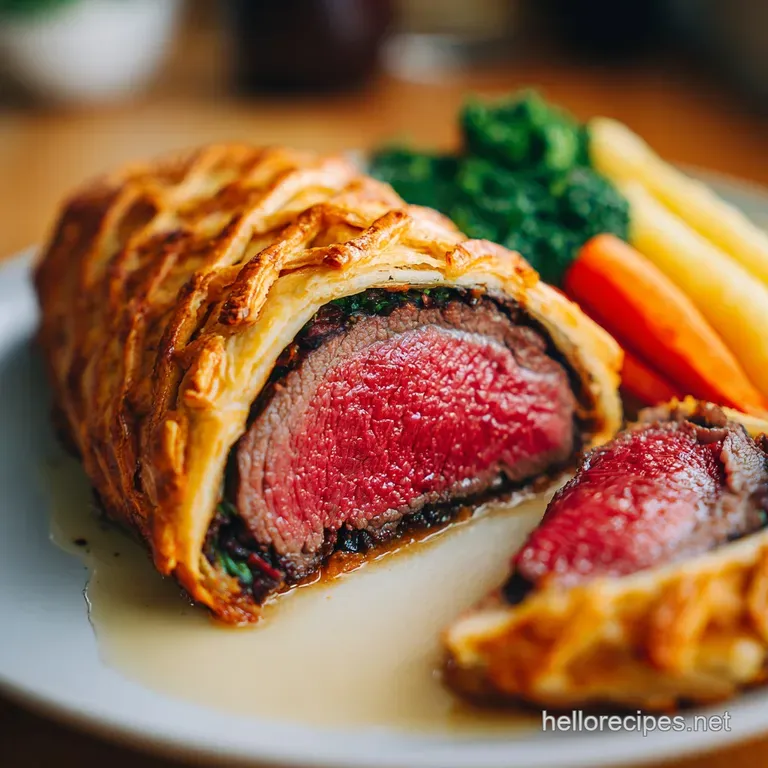
- Time: Active 1 hours 30 mins, Passive 45 minutes, Total 2 hours 15 mins
- Flavor/Texture Hook: A shatter crisp pastry shell protecting a velvety, medium rare center.
- Perfect for: High stakes dinner parties or sustainable holiday feasts.
- Engineering the Ultimate Beef Wellington
- Why This Works
- Component Analysis
- Essential Components for Your Masterpiece
- Tools for Precision Culinary Engineering
- Step-by-Step Construction of the Dish
- Navigating Technical Hurdles with Ease
- Creative Variations for Every Occasion
- Storing and Saving Your Leftovers
- Innovative Sides for Better Dining
- Myths About the Wellington
- High in Sodium
- Recipe FAQs
- 📝 Recipe Card
Engineering the Ultimate Beef Wellington
I remember standing in my kitchen three years ago, staring at a puddle of mushroom juice leaking through a soggy, limp crust. It was supposed to be the centerpiece of our anniversary dinner, but instead, it looked like a structural engineering failure.
That was the moment I stopped treating this dish as a "traditional" roast and started looking at it through the lens of gastronomy and technology.
We are going to build a multi layered moisture barrier today. By treating the prosciutto and crepe like layer as a technological shield, we ensure the puff pastry stays dry enough to shatter like glass when your knife hits it.
It is not about luck; it is about controlling the water activity within the ingredients before they ever meet the oven.
The contrast here is what makes it work. You have the intense, savory depth of a concentrated mushroom reduction against the bright, sharp bite of English mustard. We are looking for that specific moment when the cold pastry hits a hot tray and the fat begins to sizzle, creating an immediate steam lift.
Let's get into the mechanics of why this works.
Why This Works
- Thermal Gradient Control: Chilling the assembled roll before baking ensures the pastry becomes crispy before the interior overcooks.
- Hydration Management: Reducing the mushrooms until they are almost bone dry prevents the "soggy bottom" syndrome by removing excess water.
- Protein Denaturation: Searing the beef creates a Maillard reaction crust that adds complex flavors while partially setting the exterior fibers.
- Lamination Expansion: High fat puff pastry uses steam to separate hundreds of layers, creating a structural, airy crunch.
Similar to the techniques used in our Classic Beef Wellington recipe, we focus on the integrity of the crust above all else.
| Thickness of Beef | Target Internal Temp | Rest Time | Visual Cue |
|---|---|---|---|
| 2.5 inches | 125°F (for Medium Rare) | 15 minutes | Deep pink, warm center |
| 3 inches | 125°F (for Medium Rare) | 20 minutes | Uniform pink through core |
| 3.5 inches | 130°F (for Medium) | 20 minutes | Light pink, firm texture |
By monitoring these variables, you ensure the centerpiece is neither undercooked nor dry. The resting period is non negotiable for juice redistribution.
Component Analysis
| Ingredient | Science Role | Pro Secret |
|---|---|---|
| Beef Tenderloin | Primary Protein Structure | Tie with twine before searing to maintain a perfect cylinder. |
| Cremini Mushrooms | Umami Concentration | Pulse in a food processor until they resemble coarse sand for even drying. |
| Puff Pastry | Edible Insulation | Keep it below 40°F until the very second it goes into the oven. |
| Prosciutto | Moisture Barrier | Overlap the slices tightly to create a seamless, salty "plastic wrap." |
The synergy between these components is what creates the final innovative texture profile.
Essential Components for Your Masterpiece
- 2 lb center cut beef tenderloin, trimmed Why this? The most uniform shape for even heat distribution.
- Substitute: Venison backstrap for a leaner, more sustainable alternative.
- 2 tbsp English mustard Why this? Provides an acidic counterpoint to the rich fats.
- Substitute: Dijon mustard, though it lacks the specific nasal heat of English varieties.
- 2 tbsp high smoke point oil Why this? Prevents acrid flavors during the initial over high heat sear.
- Substitute: Avocado oil for its clean flavor and high thermal stability.
- 1 tsp kosher salt Why this? Coarse grains allow for even seasoning control.
- Substitute: Sea salt, but reduce volume by 20% due to density.
- 1.5 lbs cremini mushrooms, finely minced Why this? Denser flavor and lower water content than white buttons.
- Substitute: Shiitake or Porcini for a more intense, forest floor aroma.
- 4 cloves garlic, minced Why this? Adds aromatic complexity to the mushroom reduction.
- Substitute: Garlic confit for a sweeter, more mellow profile.
- 10 slices prosciutto di Parma Why this? Cured saltiness seasons the beef from the outside in.
- Substitute: Crepes are a classic alternative but don't add the same savory punch.
- 1 lb all-butter puff pastry, chilled Why this? Better flavor and superior lift compared to shortening based versions.
- Substitute: Rough puff pastry if you are feeling ambitious and want a rustic look.
Tools for Precision Culinary Engineering
You cannot build a high performance dish with low performance tools. You will need a heavy bottomed skillet, preferably cast iron or tri ply stainless steel, to achieve a rapid sear without dropping the temperature. A food processor is essential for getting the mushrooms to a uniform consistency.
Digital technology is your best friend here. A probe thermometer is the only way to guarantee the beef hits that precise 125°F. Don't rely on "feel" or time; every oven has a different thermal profile. You'll also need high-quality plastic wrap to tighten the Wellington into a perfect log.
This mechanical tension is what prevents gaps between the meat and the pastry.
step-by-step Construction of the Dish
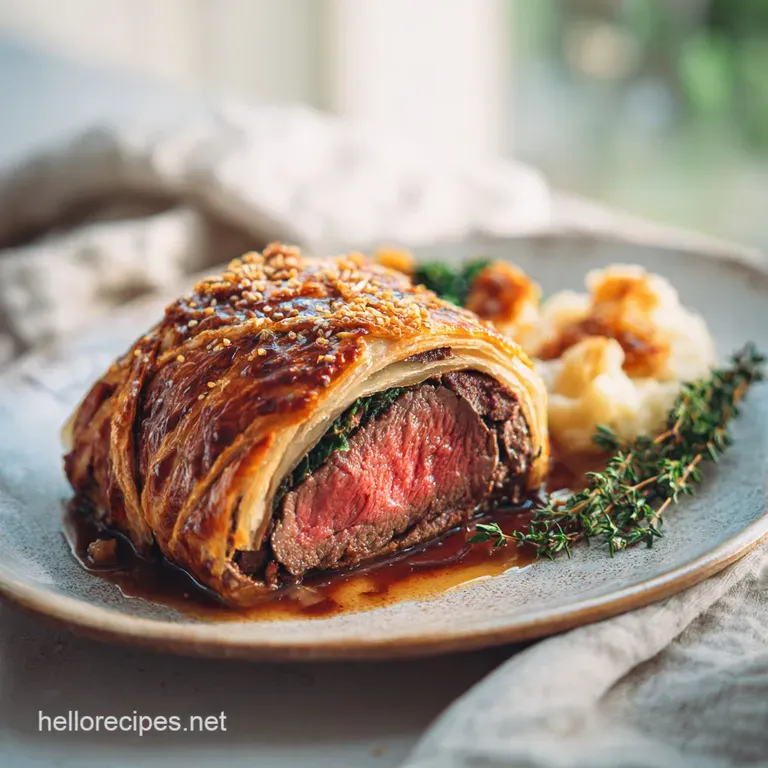
Searing the Centerpiece
Season the 2 lb beef tenderloin with 1 tsp kosher salt and 1 tsp black pepper. Heat 2 tbsp high smoke point oil in a skillet until it begins to shimmer and a faint wisp of smoke appears. Sear the meat for 2 minutes per side until a deep brown crust forms.
Note: This is about flavor, not cooking the interior.
Reducing the Mushroom Duxelles
In the same pan, melt 3 tbsp butter and add 1.5 lbs minced mushrooms, 2 diced shallots, and 4 cloves minced garlic. Cook over medium high heat for 15 minutes until the pan is completely dry and mushrooms sizzle.
Note: Any remaining moisture here will destroy your pastry later.
Constructing the Moisture Shield
Lay a large sheet of plastic wrap on your counter and shingle 10 slices of prosciutto into a rectangle. Spread the cooled mushroom mixture over the prosciutto, then brush the seared beef with 2 tbsp English mustard. Place the beef at the edge and roll it tightly into a log using the plastic wrap.
Chill for 30 minutes until the shape is firm and set.
Achieving the Golden Lattice
Roll out 1 lb chilled puff pastry into a rectangle large enough to encase the beef. Unwrap the beef log and place it in the center of the pastry. Brush the edges with beaten egg and fold the pastry over, sealing the seam tightly. Note: Trim any excess pastry to avoid thick, doughy corners.
Mastering the Final Bake
Place the Wellington on a parchment lined tray and brush the entire exterior with more beaten egg. Sprinkle with 0.5 tsp flaky sea salt and score the top lightly with a sharp knife. For a more technical finish, try the method in our & Juicy Sear recipe.
Finishing the Core
Bake at 400°F (200°C) for 25 to 30 minutes until the pastry is a deep mahogany gold. Use a thermometer to check that the internal temperature has reached exactly 125°F for a perfect medium rare result.
Resting for Residual Heat
Remove from the oven and transfer to a wire rack. Let the meat rest for at least 15 minutes until the juices have reabsorbed into the fibers. Note: Slicing too early will cause the juices to flood the pastry.
Preparing the Sauce
While the meat rests, deglaze the roasting pan with 1 cup red wine, scraping up the browned bits. Add 2 cups beef bone broth and a sprig of rosemary, reducing by half until the liquid coats the back of a spoon. This adds a velvety finish to the dish.
Navigating Technical Hurdles with Ease
Why Your Pastry is Soggy
If your crust isn't crisp, the culprit is almost always the mushrooms. Most people underestimate how much water is in 1.5 lbs of fungi. You have to cook them until they start to catch on the bottom of the pan. If you see even a teaspoon of liquid, keep cooking.
Managing Internal Temperatures
Carryover cooking is a real phenomenon in gastronomy. If you pull the beef out at 135°F, it will hit 145°F (medium) while resting. For that vibrant pink center, 125°F is your target exit temperature.
| Problem | Root Cause | Solution |
|---|---|---|
| Pastry separates from meat | Air pockets during rolling | Use plastic wrap to pull the log tighter before chilling. |
| Bottom of pastry is raw | Cold baking sheet | Preheat the baking sheet in the oven before sliding the Wellington onto it. |
| Beef is grey and overcooked | No chilling phase | Ensure the beef is completely cold before wrapping it in pastry. |
Common Mistakes Checklist
- ✓ Skip the "room temperature" beef rule; sear it cold to keep the center rare.
- ✓ Don't use a glass baking dish; it doesn't conduct heat fast enough for the pastry.
- ✓ Avoid low-fat butter puff pastry; you need the fat for the lamination to shatter.
- ✓ Never skip the 30 minute chill after wrapping in pastry; it sets the gluten.
- ✓ Use a serrated knife for slicing to prevent crushing the delicate layers.
Creative Variations for Every Occasion
If you are cooking for a smaller group, a Beef Wellington for 2 is a fantastic way to practice the technique without the investment of a full tenderloin. Simply use a smaller 1 lb center cut piece and adjust the pastry dimensions accordingly.
The cook time will drop by about 8 to 10 minutes, so stay vigilant with that thermometer.
For those who want to go full luxury, a Beef Wellington with Pâté is the move. Spread a thin layer of foie gras or a high-quality chicken liver mousse over the mushrooms before rolling. It adds a decadent, buttery texture that bridges the gap between the beef and the fungi.
| Premium Option | Budget Alternative | Flavor Impact | Savings |
|---|---|---|---|
| Beef Tenderloin | Top Sirloin Roast | Leaner, slightly tougher | Save $30-40 |
| Prosciutto di Parma | Deli Ham (thinly sliced) | Less salty, less complex | Save $8-10 |
| Fresh Black Truffles | Truffle Oil (in duxelles) | Less earthy, more aromatic | Save $50+ |
Storing and Saving Your Leftovers
Beef Wellington is best served immediately because the contrast between the hot, crisp pastry and the cool, tender beef is fleeting. However, if you have leftovers, store them in an airtight container in the fridge for up to 3 days.
Do not microwave it; you will turn the pastry into a rubbery sponge and the beef into a grey puck.
To reheat, place a slice in a 350°F (180°C) oven for 10 minutes. This will revive some of the "shatter" in the crust without nuking the beef. You can also freeze an unbaked Wellington for up to 1 month. Wrap it in double layers of plastic and foil.
Bake it directly from frozen at 375°F (190°C), adding about 15 to 20 minutes to the total time.
For zero waste, take any leftover mushroom duxelles and fold it into an omelet the next morning. If you have pastry scraps, sprinkle them with cinnamon sugar and bake them for a quick snack. Even the beef trimmings from the initial prep can be simmered with the bone broth to intensify the sauce.
Innovative Sides for Better Dining
The richness of the Wellington demands sides that offer acidity or brightness. A simple salad with a sharp lemon vinaigrette is traditional, but I prefer something more architectural. Think roasted root vegetables with a balsamic glaze or a velvety parsnip puree that mimics the texture of the beef.
If you are looking for a more substantial pairing, The Sunday Oven recipe features a sauce that works beautifully here as well. The key is to avoid anything too "mushy." You already have the soft mushrooms and tender beef; you need something with a bit of bite, like blanched asparagus or honey glazed carrots, to keep the palate engaged.
Myths About the Wellington
One common misconception is that the pastry "steams" the meat. In reality, the pastry acts as an insulator, slowing the heat transfer to the beef. This is why we can use such a high oven temperature without ruining the tenderloin.
The prosciutto isn't just for flavor either; it's a structural necessity that prevents the mushroom moisture from migrating into the dough.
Another myth is that you need a "lattice" cutter to make it look professional. While a lattice looks beautiful, a simple cross hatch pattern made with the back of a knife is just as effective for allowing steam to escape. The real secret to that professional sheen isn't the pattern; it's the double egg wash.
Apply one layer, let it dry in the fridge for 10 minutes, then apply the second layer just before it hits the heat. This creates that deep, lacquered finish seen in high end gastronomy.

High in Sodium
985 mg mg of sodium per serving (43% % of daily value)
The American Heart Association recommends limiting sodium intake to about 2,300mg per day for overall cardiovascular health.
Simple Tips to Reduce Sodium in Your Beef Wellington
-
Low-Sodium Broth-30%
Use low-sodium or no-salt added beef bone broth. This simple swap can significantly reduce the overall sodium content of your dish.
-
Reduce Prosciutto-25%
Prosciutto is a major source of sodium. Use half the amount of prosciutto (5 slices) or consider substituting with a thinly sliced, lower sodium ham if available.
-
Control Salt-20%
Reduce or eliminate the kosher salt added to the beef tenderloin. Taste as you cook and add only a small amount if needed. Consider omitting the flaky sea salt entirely.
-
Fresh Herbs
Enhance the flavor with more fresh thyme and rosemary instead of relying on salt. These add depth and complexity without increasing sodium.
-
Unsalted Butter-10%
Using unsalted butter in the mushroom duxelles and the puff pastry will prevent you from adding hidden sodium.
-
Wine Selection-5%
While wine contributes minimally to sodium, opting for a lower sodium red wine can further minimize sodium intake. Check the nutrition labels when possible.
Recipe FAQs
What is the primary cause of a soggy bottom crust on Beef Wellington?
Excess moisture in the Duxelles. You must cook the mushroom mixture until it is completely dry and sizzling in the pan, leaving zero residual water content behind to ruin the pastry.
How do I ensure the beef stays perfectly medium rare (125°F) without overcooking the crust?
Chill the assembled Wellington thoroughly before baking. Chilling the wrapped log down to near freezing ensures the pastry has time to brown and cook before the internal temperature rises past the target, a thermal control technique also vital in our [Roast Chicken recipe].
Is it necessary to sear the beef tenderloin before wrapping it?
Yes, searing is essential for flavor depth. Searing at high heat creates the Maillard reaction crust which adds intense savory notes that permeate the filling, contrasting the rich interior.
How should I store an unbaked Beef Wellington if I need to make it ahead of time?
Wrap tightly in plastic wrap and freeze for up to one month. Bake directly from frozen, increasing the initial cooking time by approximately 15 to 20 minutes to account for the temperature difference.
What is the role of the prosciutto layer in the assembly?
Prosciutto acts as the primary moisture barrier. Overlapping the slices tightly creates a nearly impenetrable shield that prevents the mushroom duxelles from leaching moisture into the puff pastry dough.
How long must the Beef Wellington rest after baking, and why is this step non-negotiable?
Rest the Wellington for a minimum of 15 minutes. This resting period allows the meat's internal juices, which are forced to the center during cooking, to redistribute evenly throughout the muscle fibers.
What is a good, bright side dish to balance the richness of the Wellington?
Serve with something acidic or bright, like roasted root vegetables with a balsamic glaze. The acidity cuts through the high fat content of the pastry and beef beautifully, providing necessary palate contrast.
Show Stopping Beef Wellington
Ingredients:
Instructions:
Nutrition Facts:
| Calories | 742 calories |
|---|---|
| Protein | 38.2 g |
| Fat | 47.8 g |
| Carbs | 27.4 g |
| Fiber | 2.1 g |
| Sugar | 2.8 g |
| Sodium | 985 mg |
