The Sundrenched Seaside Paella Authentic Spanish Flavour with the Perfect Socarrat
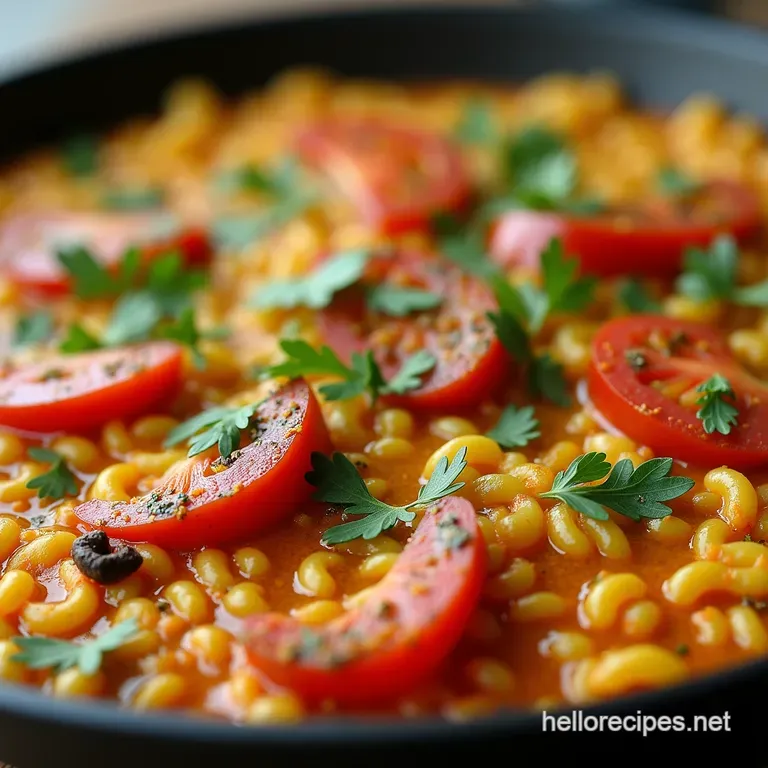
- Why This Seaside Paella Recipe Captures Spanish Soul
- Unlocking the Mystery: What Makes a True Celebration Paella?
- Curating Your Coastal Pantry: Essential Components for Richness
- The Alchemy of Aroma: Sourcing the Right Spices and Stocks
- The Step-by-Step Journey to Flavorful Paella Construction
- Advanced Techniques and Troubleshooting Your Seaside Dish
- Beyond the Pan: Serving, Storing, and Variations
- Recipe FAQs
- 📝 Recipe Card
Why This Seaside Paella Recipe Captures Spanish Soul
There are dishes that merely satisfy hunger, and then there are those that transport you instantly to a sun-drenched piazza overlooking the Mediterranean. Our Paella Recipe Authentic falls firmly into the latter category.
Paella is more than just a rice dish; it’s a cultural event, a communal gathering celebrated in a single, wide, shallow pan. This particular rendition, marrying the bounty of the sea with rustic land flavours, aims to capture that vibrant Spanish spirit.
We are demystifying the process so that anyone, armed with the right technique and quality ingredients, can achieve a truly magnificent result right in their home kitchen. Forget the notion that this is a dish reserved only for Spanish chefs; with careful attention to heat management and ingredient quality, you are ready to create a show stopping Traditional Spanish Paella Recipe .
Unlocking the Mystery: What Makes a True Celebration Paella?
The true magic of a great paella lies not just in what goes into it, but in how it is cooked. It requires patience, excellent sourcing, and a disciplined approach to the simmering phase.
This recipe is designed to guide you through creating what many consider the Best Paella Recipe —one that balances deep, savoury base notes with bright, fresh toppings, ensuring every bite offers a textural and flavourful adventure.
Introducing the Mar y Montaña Magic: A Flavor Fusion
While purists will argue for the strict adherence to Paella Valenciana (which traditionally features chicken, rabbit, and beans), our chosen style leans into the celebrated Mar y Montaña (Sea and Mountain) approach.
This fusion allows us to incorporate succulent chicken thighs and cured chorizo alongside plump prawns and briny mussels. The interplay between the smoky chorizo fat, the sweet seafood, and the deep chicken stock creates layers of flavour that elevate this Spanish Paella Recipe far beyond a simple mixed rice dish.
The Quest for Perfection: Defining the Elusive Socarrat
Ask any Spaniard what makes a perfect paella, and they will invariably point to the socarrat . This is the highly coveted, toasted, slightly caramelized crust of rice that forms at the very bottom of the pan. It’s crispy, deeply flavourful, and the ultimate prize of a well executed paella.
Achieving this crust is less about luck and more about controlled heat application during the final moments of cooking. We will address the techniques necessary to ensure this precious layer forms without actually burning your dinner.
Setting the Stage: Essential Equipment for Home Paella Mastery
The pan itself plays a crucial role. To achieve the ideal ratio of rice surface area to heat, you need a Paella Pan (or paellera ). For this recipe, which yields about six generous servings, an 15 to 16 inch pan is ideal, as it keeps the rice layer thin enough to cook evenly.
If you don't possess one, choose the widest, shallowest pan in your collection; surface area is more important than depth here. Remember, this is a stovetop dish, so ensure your burner or burners can evenly distribute heat across the base of the pan you choose.
Curating Your Coastal Pantry: Essential Components for Richness
A spectacular paella begins long before the heat goes on; it starts with sourcing ingredients that sing with flavour. We aim for robust, authentic tastes, meaning good olive oil, quality smoked paprika, and, crucially, the right kind of grain.
Selecting Superior Rice: Arborio vs. Bomba for Your Paella Pan
The heart of the dish is, of course, the Rice For Paella . While you might be tempted to reach for Arborio (used for risotto), it’s not the ideal choice here. We strongly recommend using Spanish short grain rice varieties like Bomba or Calasparra.
These rice types possess an incredible ability to absorb vast amounts of liquid and saffron flavour while remaining distinct and al dente on the exterior. On top of that,, they release just enough starch to create a creamy background broth, but not so much that they become gummy a vital distinction from risotto preparation.
Importantly, never rinse your rice for paella; that surface starch is your friend!
Seafood and Savoury Meats: Preparing the Protein Medley
For our Mar y Montaña blend, start with approximately 1 lb of boneless, skinless chicken thighs, cut into manageable, bite sized pieces, ensuring they brown well for maximum flavour contribution.
Alongside this, we incorporate about 4 oz of firm, cured Spanish chorizo, thinly sliced, which will release beautiful, smoky fat into the base. For the sea element, select about a dozen large prawns (peeled and deveined for ease of eating) and 1 lb of fresh mussels or clams, thoroughly scrubbed clean and checked for any damage.
These proteins are seared first to develop fond on the pan surface before the vegetables are added.
Building the Base: Aromatics and Broth Ratios Demystified
The aromatic base, or sofrito , is where deep flavour foundations are laid. You'll need one large finely chopped yellow onion and one large diced red bell pepper, softened slowly in high-quality Spanish olive oil.
These are joined by four minced cloves of garlic and about a half cup of drained, high-quality diced tomatoes. The ratio of liquid to rice is perhaps the most critical technical component: for every two cups of rice, plan to use six cups of hot stock.
This higher ratio accommodates the broad, shallow pan style, encouraging even cooking across the surface.
Related Recipes Worth Trying
- Authentic Smoky Chicken Paella Recipe with Crispy Socarrat — Learn how to make a truly authentic Spanish Chicken Paella that develops deep smoky flavour and that coveted crispy socarrat base Easy steps for home cooks
- Authentic Spanish Paella Recipe Seafood Chicken Fiesta — Whip up restaurantworthy spanish paella at home My easy recipe with seafood chicken is bursting with flavor Get the socarrat every time Ole
The Alchemy of Aroma: Sourcing the Right Spices and Stocks
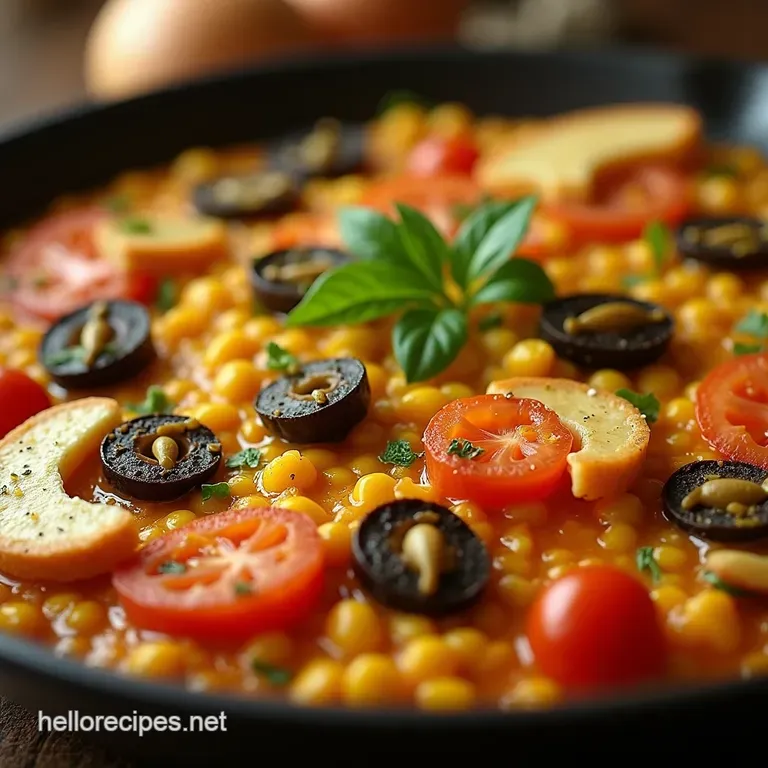
The colour and defining scent of this dish come almost entirely from two key seasonings: saffron and paprika. Use a generous pinch of true saffron threads, allowing them to steep in about half a cup of your simmering stock while you prepare your sofrito .
This blooming process releases the maximum colour and floral aroma. Follow this immediately with a tablespoon of rich smoked paprika, preferably Pimentón de la Vera . A quick sauté ensures the spice oils are released, but be cautious paprika burns easily, turning bitter.
Always use a good, low-sodium chicken or fish stock, kept simmering hot throughout the entire cooking process.
The step-by-step Journey to Flavorful Paella Construction
Once your ingredients are prepped and your pan is ready, the cooking process moves quickly, demanding your full attention. This Paella Recipe demands focus but rewards you tenfold for your effort.
Phase One: Developing Depth with Sofrito and Searing Proteins
Begin by heating a good quarter cup of olive oil in your Paella Pan over medium high heat. Season and sear your chicken pieces until they are beautifully golden brown on all sides; remove them and set aside.
Briefly add the chorizo slices until they render a bit of their fat, then remove them too. Quickly sauté the prawns for just a minute per side until pink, then remove them as well.
Now, reduce the heat to medium and begin slowly sweating down the onions and peppers until deeply softened this slow cook prevents scorching and builds sweetness. After 8 to 10 minutes, add the minced garlic and cook until fragrant, followed by the smoked paprika and crushed tomatoes.
Stir constantly for two minutes to meld these flavours before deglazing the pan with a splash of dry white wine, scraping up any delicious browned bits adhering to the bottom.
Incorporating the Liquid: The Crucial Point of No Stirring
Return the seared chicken and chorizo to the pan. Sprinkle the two cups of Bomba rice evenly over the entire surface. Stir gently for a minute or two to toast the grains lightly and coat them thoroughly in the sofrito base. Now, pour in all the remaining hot stock, including the saffron infusion.
Bring the liquid to a vigorous, rolling boil. This is the moment of truth: once boiling, quickly distribute the rice and other ingredients evenly across the pan. From this point forward, do not stir the rice again . Stirring releases starch, which fundamentally changes the desired texture.
Maintain a strong, steady simmer for about 15 minutes. Around the halfway mark, taste the broth; if it needs salt, this is your absolute final chance to adjust seasoning. Gently nestle the mussels/clams (hinge side down) and the frozen peas into the surface of the rice.
The Final Countdown: Achieving Crispness Without Burning
Continue simmering for another 5 to 8 minutes until the liquid level has dropped significantly, and the rice grains are tender on top but still have a slight bite. If the mussels have opened, you are almost there.
To finalize the socarrat , increase the heat to medium high for the last two or three minutes. You must listen closely now: the sound will shift from a gentle simmer to a distinctive sizzling or crackling at the base. This is the sound of caramelization occurring.
Once you smell toasting (not burning), remove the pan from the heat instantly. Cover the pan tightly with foil or a clean tea towel and allow the Paella to rest undisturbed for a full 10 minutes; this finishes the steam cooking process beautifully.
Advanced Techniques and Troubleshooting Your Seaside Dish
Even with the best intentions, cooking over a wide heat source can present challenges. Understanding how to manage the heat near the end is the difference between a perfect crust and a scorched mess.
Pro Chef Secrets to Guaranteeing Socarrat Every Time
If you are using a standard stove, achieving even heat across a wide pan can be tough. The secret lies in actively moving the pan during that final, high heat burst. If you notice one area sounding louder than another, rotate the pan slightly every 30 seconds during the final 2- 3 minutes of cooking to encourage uniform crisping across the entire bottom surface.
You want the rice to be completely dry on top before you begin this final stage.
Troubleshooting Common Pitfalls in Paella Preparation
The most common issue is overly wet rice. If, after 20 minutes of simmering, the rice is still swimming in broth, increase the heat slightly and let it cook down more aggressively, remembering never to stir.
If the bottom seems to be burning before the rice is cooked, immediately reduce the heat and gently tuck a layer of slightly damp foil underneath the pan to act as a heat diffuser. If your mussels fail to open, discard them; they were not safe to eat.
Beyond the Pan: Serving, Storing, and Variations
Once rested, your creation is ready to dazzle. Garnish liberally with freshly chopped flat leaf parsley and serve immediately with wedges of bright lemon the acidity cuts through the richness beautifully.
Pairing Perfection: Wines and Sides That Complement Your Paella
To enhance the complex flavours of this seafood and Chicken Paella blend, select a wine with good acidity and minerality. A dry Albariño from Rías Baixas is a classic choice, as its citrus notes pair perfectly with the prawns and mussels.
Alternatively, a light, chilled Spanish rosé complements the smoky chorizo beautifully. Keep side dishes minimal; a simple salad dressed with sherry vinegar is often all that is needed so the main attraction shines.
Transforming Leftovers: Reviving Day-Two Spanish Delights
While best eaten fresh, leftovers are inevitable. Store the cooled paella tightly covered in the refrigerator. To reheat, the key is moisture. Place the leftovers in a skillet, add a tablespoon or two of water or stock per serving, cover tightly, and warm gently over low heat until just heated through.
This reintroduces steam, softening the rice without disturbing the flavour profile. For a completely different take, cooled paella rice can be pressed firmly into a round, pan-fried the next day until crispy on both sides a delicious second day snack!
Recipe FAQs
What is that crucial crispy layer on the bottom of a Paella called, and how do I nail it?
That highly sought after crispy layer is called the socarrat, and it’s the sign of a truly well made paella! To achieve it, you need to crank the heat for the final 2-3 minutes after all the liquid has been absorbed.
Listen closely you should hear the rice start to sizzle and toast, not boil; if you smell slightly nutty caramelisation, you’ve nailed it!
I don't have a proper paella pan can I still make this recipe?
Absolutely, don't let equipment stop you from enjoying this feast! The key is surface area; use the widest, shallowest frying pan you own, even if it’s slightly smaller than the recommended size.
Just remember that if the pan is smaller, your layer of rice will be deeper, so you might need to add an extra splash of stock and extend the simmering time slightly.
Why can’t I stir the rice once I add the stock to the Paella?
That’s the cardinal rule: once the liquid is in, you must leave the rice alone! Stirring releases the starch from the short grain rice, which is exactly what you do for risotto.
In paella, we want the liquid to be absorbed evenly without that creamy texture, ensuring the grains remain separate and you can develop that brilliant socarrat at the base.
My mussels haven't opened during cooking; is my Paella ruined?
Not ruined at all, though it’s always a bit disappointing! Any mussels or clams that remain tightly shut after the resting period should be discarded immediately they weren't safe to eat.
For the ones that did open, they’ll be beautifully plump and delicious, so just pull them out and enjoy them with a wedge of lemon.
Can I make a vegetarian version of this Sun-Drenched Paella?
You certainly can, and it’s a smashing option for when you fancy something lighter! Simply substitute the chicken and seafood with hearty vegetables like artichoke hearts, mushrooms, and plenty of colourful peppers.
Be sure to use a rich vegetable stock and perhaps add a touch more smoked paprika to keep that deep, earthy flavour profile.
How should I store leftovers, and can I reheat this dish easily?
Leftovers are best stored in an airtight container in the fridge for up to three days. When reheating, try not to microwave the whole pan, as it can dry out the rice; instead, gently reheat individual portions in a small, shallow pan with a tiny splash of water or stock to introduce a bit of steam and moisture back into the grains.
Seaside Paella Recipe
Ingredients:
Instructions:
Nutrition Facts:
| Calories | 18 kcal |
|---|---|
| Protein | 3.4 g |
| Fat | 0.3 g |
| Carbs | 0.1 g |
| Fiber | 0.0 g |
| Sodium | 24 mg |
