Chocolate Chip Cookie with Sea Salt
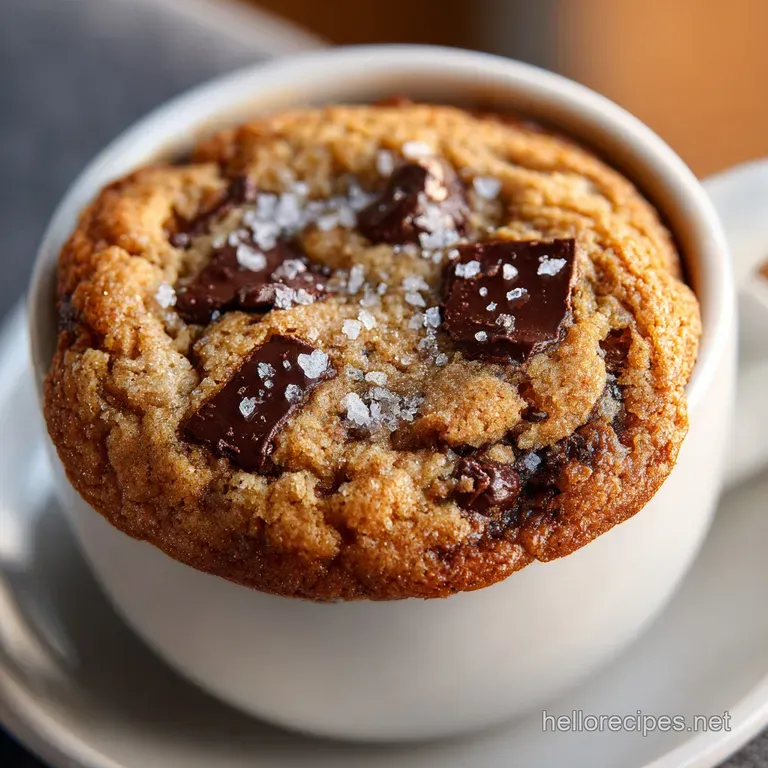
- Time: Active 10 minutes, Passive 10 minutes, Total 20 minutes
- Flavor/Texture Hook: Toffee like depth with a salt sparked finish
- Perfect for: Solo cravings or intimate dinner desserts
- Creating Your Perfect Chocolate Chip Cookie with Sea Salt
- The Science of the Shatter
- Analyzing the Essential Components for Unctuous Cookie Success
- Vital Technical Specifications for This Micro Batch Bake
- Optimizing Your Kitchen Technology for High Performance Baking
- Mastering the Gastronomy of the Single Bowl Process
- Identifying Technical Failures and Practical Corrective Actions
- Innovative Ingredient Adaptations for Personalized Flavor Profiles
- Sustainable Storage Strategies and Thermal Reconstitution Guidelines
- Aesthetic Presentation Techniques for Modern Gourmet Visual Appeal
- Recipe FAQs
- 📝 Recipe Card
Creating Your Perfect Chocolate Chip Cookie with Sea Salt
The moment the 43g of unsalted butter hits the heat, a transformation begins that defines the entire experience. I remember the first time I attempted this specific scale; the kitchen filled with a scent reminiscent of toasted hazelnuts and dark caramel, even before the flour was introduced.
It's a sensory signal that the lipids are ready to embrace the sugars, creating a base that feels more like a gourmet confection than a standard snack.
Craving a quick treat? This article shares a simple recipe for One Bowl Small Batch Chocolate Chip Cookies with Sea Salt. We are moving away from the cumbersome process of creaming cold butter and instead leaning into the innovative technology of melted emulsions.
This isn't just about saving time; it's about altering the molecular structure of the dough to ensure a velvety, fudge like interior that contrasts sharply with a brittle, crystalline exterior.
By the time you pull these from the oven, the aroma of blooming vanilla and toasted cocoa will have completely taken over your space. We've stripped away the fluff and focused on the core gastronomy of the bake.
You can expect a result that is sophisticated and intensely flavorful, proving that sustainable, small scale cooking can yield more impressive results than any mass produced alternative.
The Science of the Shatter
- Fat Emulsification: Using melted butter instead of creamed prevents excess air incorporation, leading to a denser, more unctuous crumb structure rather than a cakey one.
- Sucrose Transition: The 50g of dark brown sugar contains molasses, which is hygroscopic, meaning it pulls moisture from the air to keep the center chewy long after cooling.
- Thermal Conductivity: A higher surface area to volume ratio in a small batch allows for more rapid heat penetration, accelerating the Maillard reaction on the edges.
- Ionic Flavor Enhancement: Sea salt doesn't just add saltiness; it suppresses bitterness in the chocolate and amplifies our perception of sweetness through the T1R2/T1R3 taste receptors.
| Thickness | Internal Temp | Rest Time | Visual Cue |
|---|---|---|---|
| 0.5 inch | 175°F | 5 minutes | Golden edges, pale soft center |
| 0.75 inch | 180°F | 8 minutes | Toffee colored rim, set middle |
| 1.0 inch | 185°F | 10 minutes | Uniformly brown, firm structure |
The decision to bake at a specific thickness determines the ratio of "snap" to "chew" in your final product. For this One Bowl Small Batch Chocolate Chip Cookie with Sea Salt, I find the 0.75 inch thickness offers the most innovative balance of textures.
Analyzing the Essential Components for Unctuous Cookie Success
| Ingredient | Science Role | Pro Secret |
|---|---|---|
| Dark Brown Sugar | Humectant/Color | Pack it firmly to ensure precise volumetric measurement |
| Egg Yolk | Emulsifier/Fat | Use room temp to prevent the butter from seizing |
| Baking Soda | Leavening/Browning | Raises pH to speed up the Maillard reaction significantly |
| Flour (All Purpose) | Structural Scaffold | Weighing in grams (95g) prevents a dry, bready result |
Selecting high-quality components is the first step toward a superior gastronomic result. For instance, using a vanilla extract with high vanillin content will ensure the floral notes aren't lost during the thermal transition in the oven.
Vital Technical Specifications for This Micro Batch Bake
To achieve the desired results for this Bowl Small Batch Chocolate Chip Cookie with Sea Salt, we must adhere strictly to the following parameters. Small scale baking is less forgiving of "eyeballing" than larger recipes, as a 5g error represents a much higher percentage of the total mass.
- 43g unsalted butter: Melted and cooled to approximately 90°F.
- 50g dark brown sugar: Provides the essential molasses for that velvety texture.
- 25g granulated white sugar: Responsible for the structural crispness of the rim.
- 1 large egg yolk: The primary source of lecithin and fat based richness.
- 5ml pure vanilla extract: A critical aromatic compound.
- 95g all purpose flour: The protein foundation.
- 1.25g baking soda: Our chemical leavener.
- 1g fine sea salt: To season the dough internally.
- 60g semi sweet chocolate chips: The high-quality cocoa delivery system.
- 1g flaky sea salt: For the final surface finish.
If you are looking for a way to use up more of those chocolate chips, you might consider incorporating them into The Moist Chocolate recipe for a double dose of cocoa. However, for this specific bake, the 60g ratio is scientifically calculated to ensure every bite has a "chocolate pool" without compromising the structural integrity of the dough.
Optimizing Your Kitchen Technology for High Performance Baking
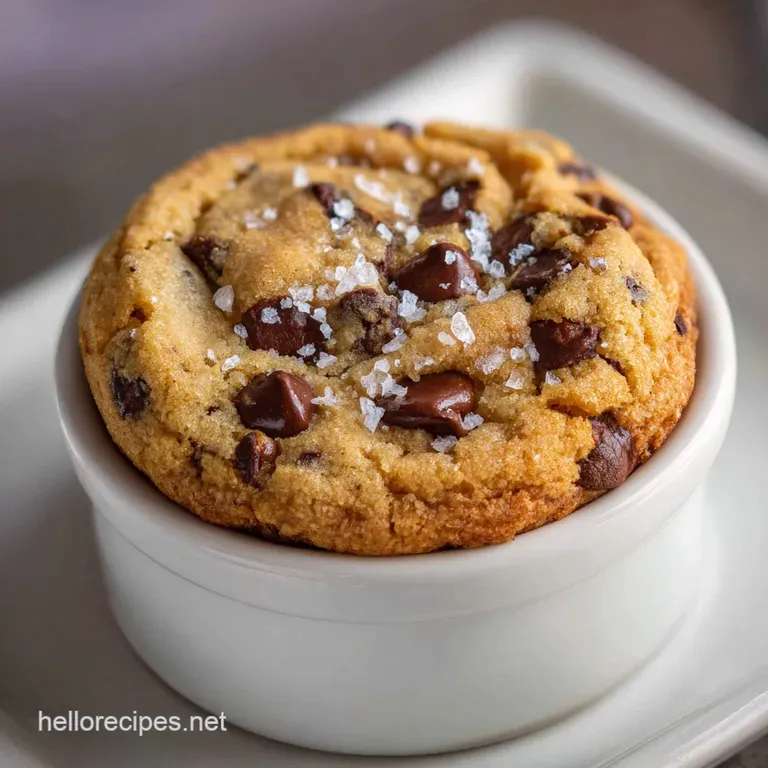
Modern gastronomy relies heavily on the precision of our equipment. To ensure your Small Batch Chocolate Chip Cookie with Sea Salt turns out with that signature shatter, you don't need a pantry full of gadgets, but you do need the right tools used correctly.
- Digital Scale: Essential for the 95g of flour; volume measurements are too inconsistent for this scale of baking.
- Small Glass Bowl: Ideal for the "one bowl" method as glass retains heat predictably.
- Silicone Spatula: Best for scraping down the sides to ensure no sugar crystals are left unincorporated.
- Heavy Duty Baking Sheet: Prevents warped bottoms and uneven heat distribution.
- Parchment Paper: A sustainable way to ensure a clean release without adding extra grease to the pan.
Mastering the Gastronomy of the Single Bowl Process
The Emulsion Phase
Begin by whisking the 43g of melted butter with the 50g of brown sugar and 25g of white sugar. You will notice the aroma shifting from fatty to intensely sweet and toffee like. Whisk for 2 minutes until the mixture looks glossy and slightly lightened.
This step is crucial for ensuring the sugars are partially dissolved in the butter's water content.
Incorporating Structural Components
Add the egg yolk and 5ml of vanilla extract. Note: The yolk provides the fat necessary for a fudgy center. Stir until the mixture is unctuous and smooth. You should smell the floral alcohol of the vanilla blooming as it hits the room temperature yolk.
The Dry Integration
Fold in the 95g of flour, 1.25g of baking soda, and 1g of fine sea salt. Use a folding motion rather than a vigorous stir. Mix only until the last white streak of flour disappears. Over mixing at this stage develops too much gluten, which will turn your delicate cookie into a tough, bready disk.
The Chocolate Fold
Gently incorporate the 60g of semi sweet chocolate chips. If you want those professional "chocolate pools" on top, reserve a few chips to press into the dough balls later. The scent now should be dominated by the cocoa solids and the earthy depth of the dark brown sugar.
Portioning and Baking
Divide the dough into 6 equal portions (roughly 45-50g each). Place them on the prepared sheet with at least 2 inches of space between them. Bake at 350°F for 10 minutes until the edges are bronze and the centers still look slightly underdone.
The residual heat will finish the cooking process on the pan.
The Finishing Touch
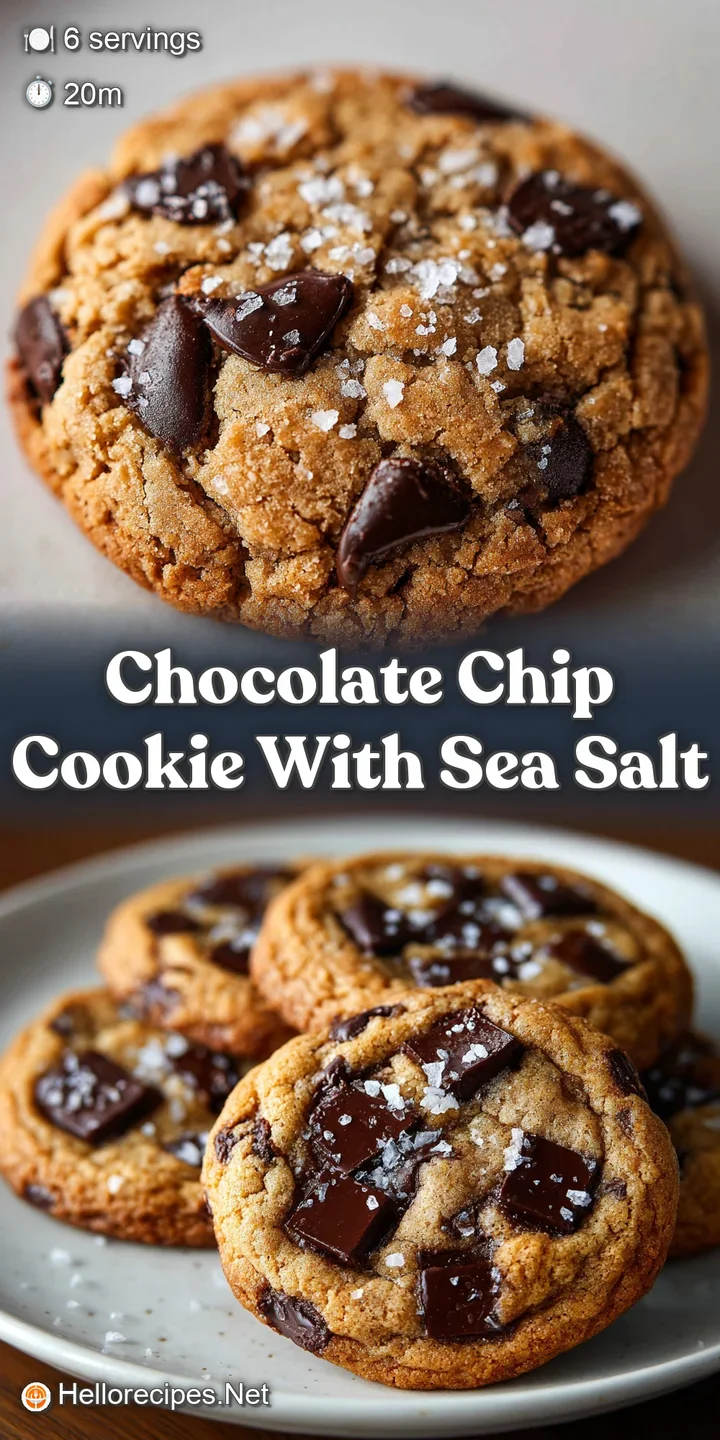
Immediately upon removal from the oven, sprinkle the 1g of flaky sea salt over the warm surface. The heat will help the crystals adhere, creating a beautiful visual contrast against the dark chocolate.
Chef's Tip: Use a large circular glass or cookie cutter to "scoot" the cookies into perfect circles immediately after they come out of the oven while they are still malleable.
Identifying Technical Failures and Practical Corrective Actions
Managing Excessive Dough Spread
If your cookies resemble thin puddles, the primary culprit is usually the temperature of the butter or the kitchen. If the butter was too hot when the sugar was added, it can degrade the sugar's ability to hold structure.
Resolving Dry Texture Issues
A crumbly, dry Small Batch Chocolate Chip Cookie with Sea Salt is almost always the result of over measuring the flour. Even 10 extra grams can significantly alter the hydration ratio, leading to a floury mouthfeel.
| Problem | Root Cause | Solution |
|---|---|---|
| Burnt Bottoms | Dark baking sheet or low rack | Move to middle rack; use parchment paper |
| Pale and Doughy | Oven temp too low | Calibrate with oven thermometer; bake 2 mins longer |
| Gritty Texture | Undissolved sugar | Whisk butter and sugar longer before adding flour |
One mistake I once made was forgetting to cool the melted butter. The result was a greasy dough that never properly emulsified. Trust me on this: let that butter sit for 5 minutes before you start.
Common Mistakes Checklist
- ✓ Using a cold egg yolk (this causes the melted butter to clump)
- ✓ Measuring flour by the cup instead of using a digital scale
- ✓ Opening the oven door repeatedly (this drops the internal temperature)
- ✓ Forgetting the fine sea salt inside the dough (the exterior salt isn't enough!)
- ✓ Over baking until the center is firm (the "carryover" heat is your friend)
Innovative Ingredient Adaptations for Personalized Flavor Profiles
If you are looking to evolve this Bowl Small Batch Chocolate Chip Cookie with Sea Salt into something even more complex, consider the "Brown Butter" technique. By cooking the butter until the milk solids toast, you introduce a deep, nutty note that pairs beautifully with the salt. For a similar flavor profile without the bake, you should try the Safe Brown Butter recipe which is specifically designed for raw consumption.
| Original Ingredient | Substitute | Why It Works |
|---|---|---|
| Semi sweet Chips | Chopped Dark Chocolate | Higher cocoa butter content; Note: Creates larger melt pools |
| Dark Brown Sugar | Coconut Sugar | Similar caramel notes; Note: Result will be slightly crispier/drier |
| All Purpose Flour | 1:1 gluten-free Blend | Rice flour base; Note: May require 15 min rest before baking |
If you want a deeper flavor, add 1/2 teaspoon of espresso powder to the dry ingredients. If you want more texture, swap half the chocolate chips for toasted pecans. If you want a vegan version, use vegan butter and a flax egg, though the spread will be significantly different.
Sustainable Storage Strategies and Thermal Reconstitution Guidelines
Since this Chip Cookie with Sea Salt recipe only makes six portions, leftovers are rare. However, if you find yourself with a surplus, storage is simple. Keep them in an airtight glass container at room temperature for up to 3 days.
To maintain that "just baked" aroma, I recommend placing a small piece of bread in the container; the sugar in the cookies will pull the moisture from the bread, keeping the centers soft.
For long term preservation, these freeze exceptionally well. Wrap each individual cookie in compostable wax paper and place them in a freezer bag for up to 2 months. When the craving hits, do not microwave them this turns the structure rubbery.
Instead, place them in a toaster oven at 300°F for 4 minutes. This restores the crispness of the edges and melts the chocolate back into a velvety state.
Zero waste tip: If you end up with cookie crumbs at the bottom of the container, don't discard them! Use them as a sustainable topping for yogurt or blend them into a milkshake. Even the "mistake" batches that come out too crunchy can be pulsed in a food processor to create a crust for a mini cheesecake.
Aesthetic Presentation Techniques for Modern Gourmet Visual Appeal
Presentation is where home cooking meets professional gastronomy. To elevate your Chocolate Chip Cookie with Sea Salt, focus on the "stack." Placing three cookies in a staggered vertical stack on a matte ceramic plate creates depth and shadow.
The "Bakery Style" Plate Up
Place a single, warm cookie in the center of a white plate. Drizzle a tiny amount of high-quality olive oil around the perimeter and add one extra pinch of the flaky sea salt. This isn't just for looks; the olive oil adds a grassy, peppery note that cuts through the richness of the butter.
Creating a Cookie Sundae
Break one cookie into large, jagged shards. Place a scoop of high fat vanilla bean gelato in a chilled bowl and press the shards into the sides. The contrast between the freezing gelato and the room temperature, salty cookie is a masterclass in temperature driven flavor perception.
This small batch approach allows you to focus on these finer details, turning a simple baking project into a genuine culinary event. Whether you are sharing these with a friend or enjoying them solo, the intentionality behind the one bowl method makes the final result feel that much more rewarding. For another sophisticated dessert option, you might also enjoy the Posh Nosh Foolproof recipe which shares a similar focus on high-quality salt and sugar balance. Enjoy the sizzle, the scent, and most importantly, that first salty sweet bite!
Recipe FAQs
What is the key to achieving a dense, chewy center in these cookies?
Use melted butter and don't overmix the flour. Melted butter creates a denser crumb than creamed butter, and overmixing develops gluten, leading to a tougher texture.
Why is sea salt sprinkled on top?
Sea salt enhances sweetness and balances bitterness. It doesn't just add saltiness; it actually amplifies our perception of sweetness and suppresses the bitterness in the chocolate.
How can I prevent my cookies from spreading too much?
Ensure your melted butter isn't too hot when mixed with sugar. If the butter is excessively hot, it can degrade the sugar's structure, leading to uncontrolled spread during baking.
What's the best way to store leftover cookies?
Store in an airtight container with a slice of bread at room temperature. The bread releases moisture, helping to keep the cookie centers soft and chewy for up to 3 days.
Can I use granulated sugar instead of dark brown sugar?
No, it's not recommended for the best texture. Dark brown sugar contains molasses, which is crucial for that characteristic chewy, unctuous center that granulated sugar alone cannot provide.
How do I reheat these cookies to get them "just baked" again?
Use a toaster oven at 300°F for about 4 minutes. Microwaving can make them rubbery; a toaster oven revives the crisp edges and re-melts the chocolate centers beautifully.
Is it true that the exact flour measurement is critical for this recipe?
Yes, precise flour measurement is vital for this small batch recipe. Unlike larger recipes where slight variations are forgiving, even a small error in flour quantity significantly impacts the hydration ratio and final texture.
Sea Salt Chocolate Chip Cookie
Ingredients:
Instructions:
Nutrition Facts:
| Calories | 216 kcal |
|---|---|
| Protein | 2.5 g |
| Fat | 9.7 g |
| Carbs | 31 g |
| Fiber | 0.8 g |
| Sugar | 18.3 g |
| Sodium | 141 mg |
