The Sunday Roast Essential Rich Silky Classic Gravy
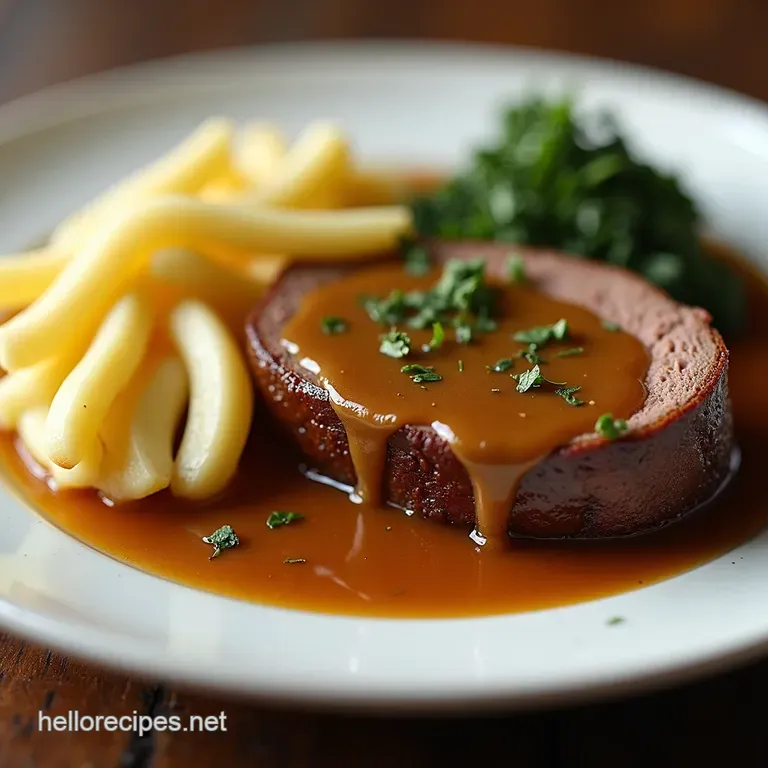
- Unlocking the Soul of the Sunday Spread: Why This Classic Gravy Reigns Supreme
- Defining Culinary Depth: What Makes Our Gravy 'Never Fail'
- The Foundation: Essential Components for Peak Flavour
- The Step-by-Step Alchemy to Achieve Masterful Classic Gravy
- Mastering the Roux: Building the Flavour Base Correctly
- Elevating Your Sauce: Variations on the Traditional Recipe
- Troubleshooting & Storage: Keeping Your Gravy Perfect Long Term
- Recipe FAQs
- 📝 Recipe Card
Unlocking the Soul of the Sunday Spread: Why This Classic Gravy Reigns Supreme
Right then, let’s get cracking on a gravy that’s so good, it’ll make your Sunday roast weep with joy. Gravy, done properly, is the absolute bedrock of British cuisine it’s the glue that holds the whole meal together.
Forget those thin, watery dribbles; we’re aiming for rich, velvety perfection. This isn't just any old sauce; this is the proper stuff deeply savoury, beautifully smooth, and robust enough to stand up to a mountain of roast potatoes and Yorkshire puddings.
Built upon a foundation of flavourful pan drippings (or a good quality stock), this Classic Gravy Recipe guides you through creating a velvety, perfectly seasoned gravy every single time, whether you’re a beginner or a seasoned kitchen veteran.
It’s the taste of comfort, bottled, and it’s essential for any Best Sunday Roast Gravy .
Defining Culinary Depth: What Makes Our Gravy 'Never Fail'
The difference between a mediocre brown puddle and truly exceptional sauce lies entirely in technique and intention. While you might be aiming for a Classic Turkey Gravy one week or perhaps even a hearty Classic Sausage Gravy next, the underlying principles of building flavour remain constant.
Our goal here is absolute mastery over texture and depth.
Moving Beyond Thin Water: Our Promise of Velvety Texture
Many home cooks struggle because they use cold liquid or rush the cooking time, leaving the flour tasting raw and the sauce thin. We promise you a Rich Velvety Gravy by meticulously controlling the temperature when we combine the roux and the stock, and by allowing sufficient simmering time for the starch molecules to fully hydrate and swell.
This careful process ensures that even if you're making a simple Classic White Gravy Recipe using just butter and flour, the result is luxurious, not gloopy.
The Unsung Hero: Why Gravy is the True Centrepiece of British Roasts
While the joint of meat gets all the applause, it is the accompanying sauce that elevates the entire plate. Proper Gravy for Roast Dinner performs a critical function: it moistens the drier elements, like roast potatoes or Yorkshire puddings, and ties the disparate savoury notes of the meal into a unified whole.
Without stellar gravy, the roast simply feels incomplete.
An Introduction to True Savoury Excellence
This foundational recipe, which is designed to yield approximately 3 cups, serving 6 to 8 hungry diners, respects tradition while embracing efficiency. It takes about 5 minutes of active prep and another 15– 20 minutes of gentle cooking time.
While the difficulty level is listed as Easy/Medium, that slight bump accounts for the necessary patience required when achieving that perfect, lump free consistency. If you follow these steps on How to Make Classic Gravy , you will produce a Classic Brown Gravy that honours its culinary heritage.
The Foundation: Essential Components for Peak Flavour
The magic of this Classic Gravy starts long before you turn on the hob; it starts in the roasting tin. We need high-quality starting materials to ensure we develop deep umami.
Sourcing the Drippings: Maximising Pan Juices for Umami
The very best flavour comes directly from the roasting tray. After your joint of beef, chicken, or turkey is resting, you must scrape up every speck of the fond —those beautiful browned, caramelised bits stuck to the bottom of the tin. These drippings contain concentrated savoury essence.
You will need about 3 tablespoons of reserved fat/drippings. If you happen to have an excessive amount of fat say, 5 tablespoons gently skim the excess off the top before proceeding.
The Thickening Agent: Ratio Secrets for a Silky Finish
The workhorse of our sauce is all-purpose flour. We use a simple 1:1 ratio by volume with the fat to create our roux so, 3 tablespoons of fat requires exactly 3 tablespoons of flour.
This ratio is the industry standard for achieving medium thickness; too little flour and it remains thin, too much and it becomes gluey. Mastering this ratio is crucial for that silky finish.
Aromatic Boosters: Enhancing the Core Flavour Profile
While the meat juices provide the base, layering flavour is what takes this from good to unforgettable. We incorporate 1 teaspoon of Worcestershire sauce for a touch of fermented depth and dark complexity.
Plus,, for colour and an extra boost of savoury notes, a small addition of a browning agent like Marmite or a commercial product like Bisto (if you have it handy) can be transformative. Crucially, always use low-sodium stock (about 3 cups or 700ml) so you can control the final salt level.
Two sprigs of fresh thyme are optional additions to infuse during the simmer stage.
Related Recipes Worth Trying
- The Proper Sunday Roast Gravy Silky Made From Scratch — Ditch the lumps and granules Learn how to make a truly rich Homemade Gravy using the roasting tin fondthe secret to any cracking Sunday dinner
- The Stovetop Hug Classic French Onion Soup Recipe — Forget rushed broth This homemade French Onion Soup recipe guarantees deeply caramelized onions for soulful flavour Get the best French Onion Soup cheese...
- The Best Classic Moscow Mule Recipe Ready in 5 Mins — Master how to make a Moscow Mule that truly sings This classic recipe focuses on fresh lime and spicy ginger beer for a bracingly refreshing drink Learn the...
The step-by-step Alchemy to Achieve Masterful Classic Gravy
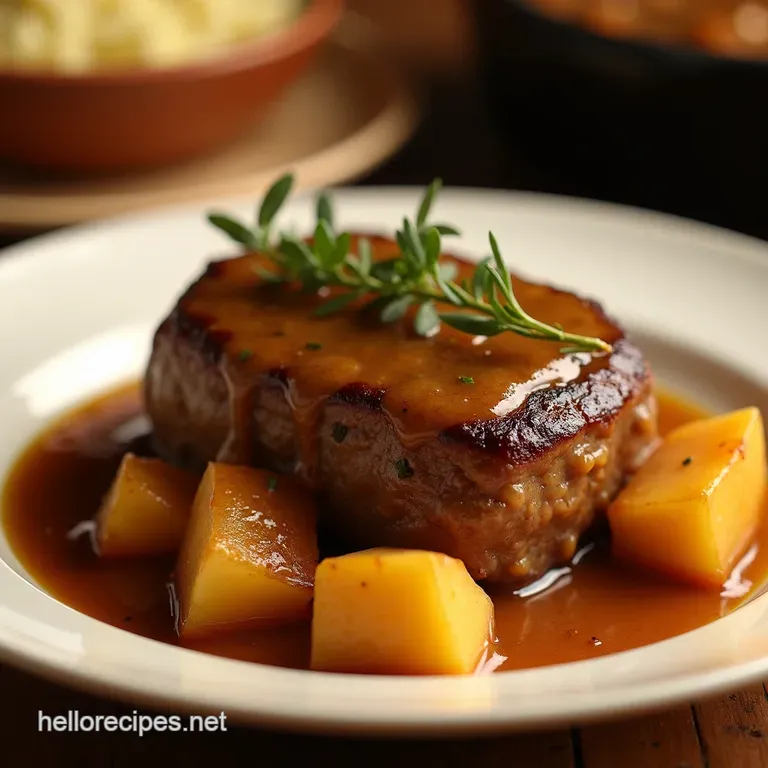
With your components ready, the process becomes a delightful kitchen dance. Ensure your stock is heated in a separate pot; adding cold liquid to a hot base is the primary catalyst for lumps.
Mastering the Roux: Building the Flavour Base Correctly
Place the saucepan (or your roasting tin, if large enough) over medium heat. Add your measured 3 tablespoons of drippings. Once melted, swiftly whisk in the 3 tablespoons of flour. This mixture is your roux. You must stir this constantly for a full 2– 3 minutes.
This step is not just about mixing; it’s about cooking out the raw, starchy taste of the flour. The mixture should transform into a smooth, slightly nutty smelling paste, similar in appearance to wet sand. Do not let it brown too deeply or burn, or your entire batch will taste bitter.
Deglazing Like a Pro: Lifting Every Bit of Goodness from the Roasting Tray
Once the roux is cooked, immediately begin the deglazing process. Take about half a cup (120ml) of your pre-heated stock and pour it into the roux while whisking vigorously and continuously. You must attack those lumps immediately.
Once this small amount of liquid has been fully incorporated into a smooth, thick slurry, gradually whisk in the remaining hot stock, pouring slowly until all 3 cups are incorporated.
The Gentle Simmer: Developing Depth Without Boiling Away Flavour
Increase the heat slightly until the gravy just begins to bubble gently at the edges this is a simmer, not a rolling boil. Reduce the heat to the lowest setting, add your optional thyme sprigs, and let it develop.
This slow, gentle simmer for 10 to 15 minutes is essential; this is where the sauce thickens to that desirable Rich Velvety Gravy consistency and the flour flavour disappears completely.
The Strain and Season Protocol: Achieving Glass Like Smoothness
Once thickened, remove any herbs used for infusion. For the absolute finest texture, pour the entire mixture through a fine mesh sieve into a clean jug or serving boat. This removes any rogue specks or un-whisked bits, guaranteeing a smooth pour.
Now, incorporate your flavour boosters: stir in the Worcestershire sauce and any browning agent. Finally, taste it. Because stock varies wildly in salinity, add salt and freshly ground black pepper incrementally until the seasoning sings.
Elevating Your Sauce: Variations on the Traditional Recipe
While the traditional recipe stands strong on its own, it’s adaptable. For a Mushroom Gravy , sauté sliced mushrooms in the drippings before adding the flour for the roux you can leave them in for texture or strain them out later.
If you desire a deeper, more complex flavour profile, substitute half a cup of the stock with a dry red wine like Merlot, ensuring you let the wine reduce by half before you add the remaining stock.
For a completely different experience, consider the vibrant flavours inherent in a Classic White Gravy Recipe , which substitutes all meat drippings with unsalted butter and relies more heavily on herbs like sage.
Troubleshooting & Storage: Keeping Your Gravy Perfect Long Term
Even expert cooks occasionally face minor hiccups. Knowing how to correct them swiftly is key to maintaining confidence in the kitchen.
Quick Fixes for Common Gravy Consistency Issues
If, after the full 15-minute simmer, your gravy is still too thin, do not panic. The fix is easy: create a slurry by mixing 1 teaspoon of cornflour (cornstarch) with 1 tablespoon of cold water until perfectly smooth. Whisk this slurry slowly into the gently simmering gravy until the desired thickness is achieved.
If, however, you’ve over thickened it, simply stir in a splash more of hot stock until it loosens up perfectly.
From Meat Juices to Vegetarian Glory: Simple Substitutions
Should you find yourself without meat drippings perhaps making a vegetarian alternative substitute the 3 tablespoons of fat with 3 tablespoons of high-quality, unsalted butter.
To compensate for the missing meat umami, ensure you incorporate 1 full tablespoon of Marmite or mushroom powder dissolved into your hot stock to replicate that deep, savoury foundation normally provided by beef or turkey drippings.
Freezing and Reheating: Maintaining Richness Over Time
This gravy freezes beautifully. Allow it to cool completely, then portion it into freezer safe bags or containers. When reheating, thaw overnight in the refrigerator, then gently warm it in a saucepan over medium low heat, whisking occasionally.
If it seems slightly separated upon reheating (which can happen with starches), simply whisk hard or run it through a sieve again to restore its luscious consistency. A great batch of this Classic Gravy can save any meal in the future!

Recipe FAQs
Why is my Classic Gravy lumpy? I whisked for ages!
Lumps usually happen for two main reasons: either your stock was cold when added to the hot roux, or you added all the liquid at once. Next time, make sure your stock is piping hot, and introduce it in small splashes at first, whisking like the wind until smooth before adding the rest.
Can I make this gravy ahead of time, and how should I store leftovers?
Yes, you absolutely can make it ahead! Gravy stores beautifully; pop it in an airtight container in the fridge for up to three days. When reheating, it will likely have thickened up significantly just whisk in a splash of hot water or stock until it reaches your desired consistency.
My gravy isn't dark enough; how do I get that deep, rich colour without using Bisto?
The colour comes from cooking your roux properly, but for a real 'Sunday Roast' depth, you have a few options. Try whisking in a teaspoon of dark soy sauce or Marmite right at the end, or if you used beef stock, ensure you scraped up every bit of the dark browned bits (the 'fond') from your roasting tin.
What if I don't have meat drippings? Can I still make a brilliant gravy?
Of course, even without the roast drippings, you can whip up a delicious gravy. Simply substitute the 3 Tbsp of fat with 3 Tbsp of unsalted butter to create your roux, then rely on a really good quality, intensely flavoured beef or vegetable stock for your base flavour.
My Classic Gravy tastes a bit too salty how can I save it without starting over?
A bit too much salt is a common pitfall, especially if your stock was high in sodium. The quickest fix is to dilute the flavour by adding a peeled, quartered potato to the simmering gravy for about 10 minutes; the potato absorbs some of the seasoning.
Alternatively, just add a splash more plain hot water or unsalted stock.
How long should I cook the flour and fat mixture (the roux) for?
You need to cook the roux for at least 2 to 3 minutes over medium heat, stirring constantly. This crucial step cooks out the raw, pasty flavour of the flour. You’ll know it’s ready when it smells slightly nutty and looks like wet sand don't let it burn, though!
Rich Silky Classic Gravy

Instructions:
Nutrition Facts:
| Calories | 110 kcal |
|---|---|
| Fat | 7g |
| Fiber | 0.5g |
