Raspberry Swirl Cookies Delight
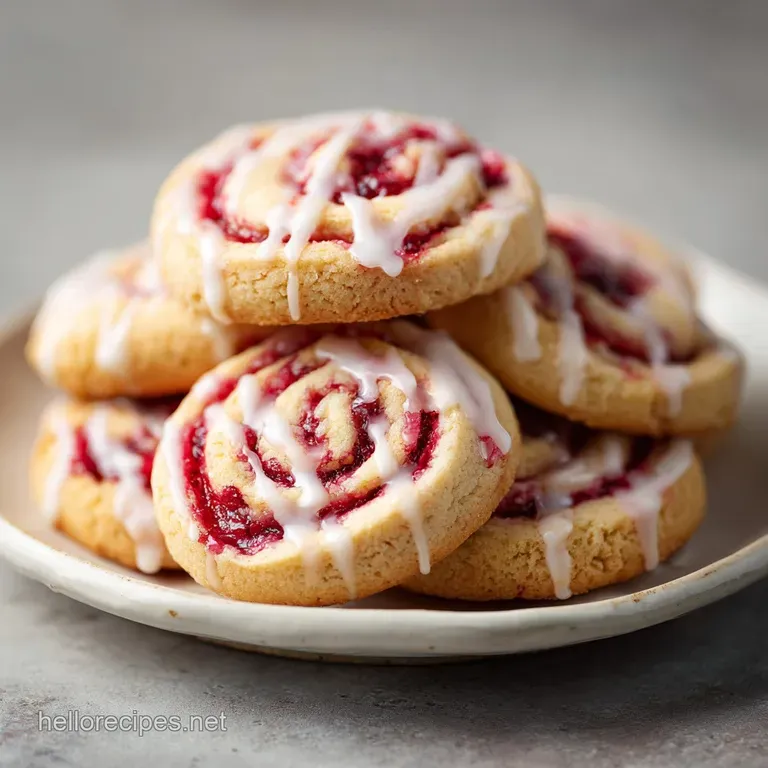
- Time: Active 40 minutes, Passive 12 minutes, Total 52 minutes
- Flavor/Texture Hook: Shattering buttery crumb with a concentrated tart raspberry finish
- Perfect for: High end tea pairings or sustainable gift giving
- Master the Raspberry Swirl Cookies Delight
- Key Performance and Texture Metrics
- Analyzing Our Core Flavor Components
- Essential Tools for Culinary Precision
- Step by Step Technique Guide
- Resolving Common Structural Flaws
- Innovative Recipe Scaling and Tweaks
- Myths About Shortbread Baking
- Storage and Waste Reduction Strategies
- Advanced Flavor Pairing Concepts
- Recipe FAQs
- 📝 Recipe Card
Master the Raspberry Swirl Cookies Delight
Imagine walking into a kitchen where the sharp, acidic scent of reduced berries cuts through a heavy, velvety cloud of cold creamed butter. It's a contrast that hits you immediately, isn't it?
I remember the first time I tried to marble a fruit jam into a shortbread; it was a soggy, purple disaster because I didn't understand the technology of moisture. I wanted that distinct, vibrant pink streak that stays crisp, not a muddy, soft mess that sticks to your teeth.
We aren't just making a snack here; we're engineering a specific texture profile. This isn't your childhood cookie that bends and chews. It's a sophisticated, artisanal creation designed to snap cleanly under the pressure of a bite, releasing a burst of concentrated raspberry flavor that doesn't overwhelm the buttery foundation.
We're using precision ratios and a few modern pastry tricks to make sure every single cookie looks like a piece of abstract art.
The secret lies in how we manipulate the starches and the fat. By sifting our dry ingredients with surgical precision and treating our raspberry preserves as a structural element rather than just a topping, we create something truly special.
You'll see how the colors stay bright and the edges stay sharp, all without using artificial stabilizers or excessive sugar. Let’s get into the specifics of why this works.
Key Performance and Texture Metrics
The Physics of the Shatter
Starch Interference: Adding cornstarch to the flour matrix physically blocks gluten strands from bonding, resulting in a short, tender crumb. Hygroscopic Control: The lemon juice and cornstarch in the preserves reduce the "water activity," preventing the jam from making the dough soggy during the bake.
| Method | Time | Texture | Visual Result |
|---|---|---|---|
| Fast Method | 45 mins | Slightly softer | Swirls are more blended/muted |
| Classic Chill | 1 hours 30 mins | Extra crisp | Sharp, distinct marbling lines |
| Overnight Rest | 12 hours | Maximum shatter | Professional grade definition |
Taking the time to chill your dough isn't just about temperature; it’s about hydration. When the flour fully absorbs the moisture from the butter, the cookies bake more evenly and the flavors of the raspberry become more pronounced. This is similar to the patience required in our Classic Butter Sugar recipe, where fat stabilization is everything.
Analyzing Our Core Flavor Components
| Component | Science Role | Pro Secret |
|---|---|---|
| Unsalted Butter | Fat medium for flavor | Use 82% fat European style butter for a silkier mouthfeel |
| Cornstarch | Protein diluter | Whisk into the flour to ensure no gluten "hotspots" form |
| Raspberry Preserves | Acidic contrast | Pulse in a blender first to remove large lumps for a smoother swirl |
| Powdered Sugar | Surface area coverage | Sift twice to prevent tiny air pockets that cause uneven spreading |
Choosing the right ingredients is the first step in sustainable gastronomy. I always look for preserves that use local berries and minimal pectin, as this allows the natural acidity to shine through the richness of the dough.
The powdered sugar is non negotiable here; granulated sugar creates a different crystal structure that leads to a grainier texture which we definitely want to avoid for this velvety finish.
Shattering Shortbread Texture Secrets
To get that professional snap, we need to focus on the fat to flour ratio. We are pushing the limits of how much butter a 250g flour base can hold without collapsing. This high fat content ensures that the flour particles are completely coated, preventing water from reaching the proteins and developing gluten.
It’s the same technology used in high end French pastry to create a melt in-the mouth sensation.
Preventing Sticky Jam Leaks
The biggest fail in fruit swirled cookies is the "jam bleed." By mixing 0.5 tsp of cornstarch into your 160g of raspberry preserves, you are creating a heat stable gel. This ensures the swirl stays exactly where you put it instead of bubbling out and burning on the baking sheet.
It's a small change that makes a massive difference in the final aesthetic.
Essential Tools for Culinary Precision
- Digital Scale: Essential for the 250g flour and 225g butter measurements.
- Stand Mixer: Preferably one with a paddle attachment for aerating the butter.
- Fine Mesh Sieve: For sifting the 60g of powdered sugar and 30g of cornstarch.
- Offset Spatula: This is the best tool for spreading the raspberry layer thinly.
- Silicone Baking Mat: Provides even heat distribution and prevents bottom burning.
- Small Saucepan: For briefly heating the preserves to incorporate the cornstarch.
Using a digital scale is the most sustainable way to bake because it eliminates the waste of over measuring and ensures a successful batch every single time. If you’ve ever had a cookie come out too dry, it’s almost certainly because a "cup" of flour was packed too tightly.
Measurement by mass is the only way to achieve the precision we're after.
step-by-step Technique Guide
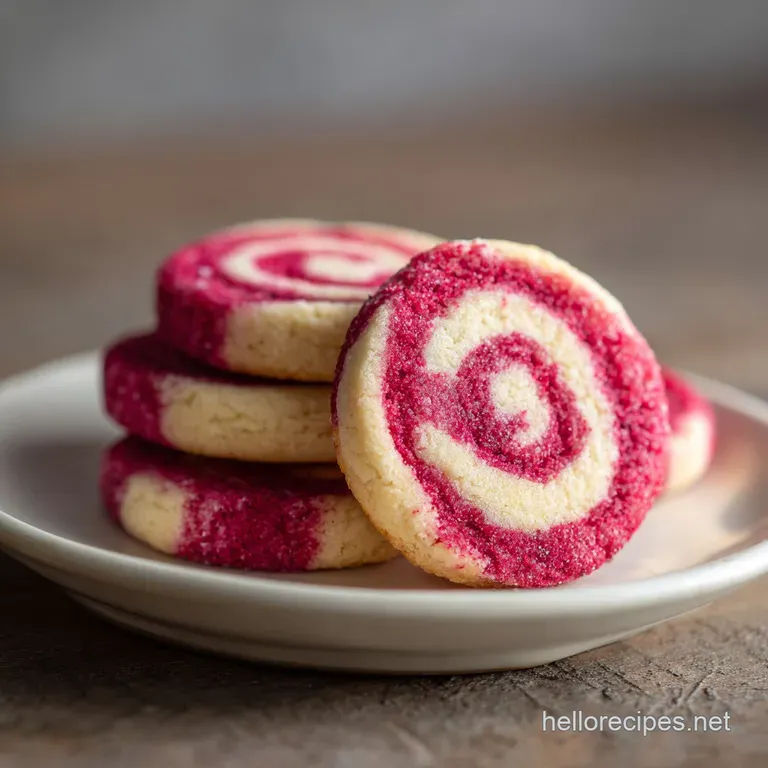
- Reduce preserves. Whisk 160g raspberry preserves, 1 tsp lemon juice, and 0.5 tsp cornstarch in a small pan over low heat for 2 minutes until slightly thickened and glossy. Note: This stabilizes the fruit sugars.
- Cream the fats. Beat 225g softened butter and 60g sifted powdered sugar for 3 minutes until the mixture looks pale and fluffy. Note: This incorporates micro bubbles for a light texture.
- Incorporate aromatics. Add 1 tsp vanilla extract and 0.5 tsp salt to the butter until fully emulsified.
- Sift dry goods. Combine 250g all purpose flour and 30g cornstarch, then sift them directly over the butter mixture.
- Fold gently. Use a spatula to combine the flour and butter until no white streaks remain and a soft dough forms. Note: Do not overmix or the cookies will be tough.
- Apply raspberry layer. Roll the dough into a rectangle on parchment paper and spread the cooled preserves over the top.
- Create the swirl. Roll the dough into a log or gently fold it over itself three times until a marbled pattern emerges.
- Chill the dough. Wrap the log tightly and refrigerate for at least 40 minutes until firm to the touch.
- Slice and prep. Cut the log into 24 rounds (about 1cm thick) and place on a lined tray.
- Bake with precision. Bake at 180°C for 12 minutes until the edges are just barely golden but the centers remain pale.
Step 1: Aerating the Fats and Sugars
This step is where you build the "lift." Even though we aren't using baking powder, the air trapped in the butter during creaming will expand in the oven. You're looking for a texture that resembles heavy whipped cream. If your butter is too cold, it will just clump; if it's too warm, it won't hold the air.
It should be around 19°C for the best aeration.
Step 2: Sifting and Folding
When you sift the flour and cornstarch, you are aerating the dry ingredients and removing any lumps. This is crucial for a velvety dough. When folding, use a "cut and fold" motion. Cut through the center of the bowl with your spatula, scrape the bottom, and fold the dough over.
This protects those tiny air bubbles we worked so hard to create in the butter.
Step 3: Executing the Marble Pattern
The trick to professional marbling is knowing when to stop. If you mix the raspberry preserves into the dough too much, you’ll just end up with a pink cookie. By spreading the jam and then rolling the dough like a jelly roll, you create distinct layers.
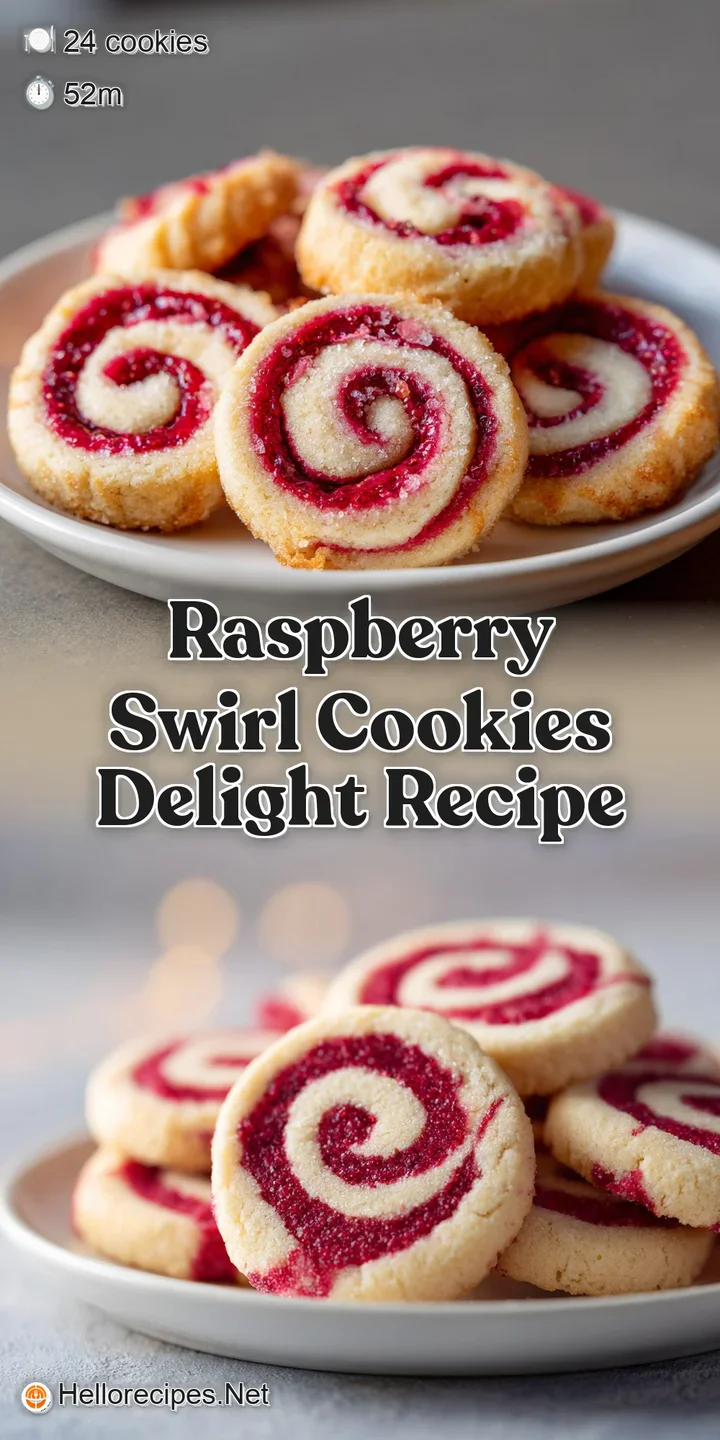
When you slice through that log, those layers translate into the beautiful swirl you see in the photos.
Resolving Common Structural Flaws
Why Your Cookies Spread
If your cookies turn into flat puddles, the most likely culprit is the temperature of the butter or the lack of chilling time. When the butter melts before the flour structure sets in the oven, the dough collapses.
Another possibility is using a sugar with too much moisture; always stick to sifted powdered sugar for this specific recipe.
| Problem | Root Cause | Solution |
|---|---|---|
| Greasy bottom | Butter was too soft/melting | Chill the shaped cookies for 10 mins before baking |
| Dull raspberry color | Over baking or high pH | Ensure you add the lemon juice to maintain acidity and brightness |
| Crumbly texture | Too much flour or over mixing | Weigh your flour (250g) and fold just until combined |
Resolving Sticky Swirl Issues
If the raspberry part stays sticky even after the cookies have cooled, it means the cornstarch in the jam wasn't activated. The jam needs to reach a simmer in that initial step to "cook" the starch. If you skip the stovetop step, the moisture in the jam will migrate into the dough, making it soft instead of crisp.
Chef's Tip: To get a perfectly round cookie, roll your dough log inside an empty paper towel tube before chilling. This keeps the bottom from flattening out under its own weight!
Common Mistakes Checklist
- ✓ Using "spreads" or margarine instead of real butter (will cause spreading).
- ✓ Skipping the sifting step for powdered sugar (leads to lumps).
- ✓ Over working the dough after adding flour (develops too much gluten).
- ✓ Baking on a dark, non insulated cookie sheet (burns the bottoms quickly).
- ✓ Slicing the dough while it is still too soft (distorts the swirl).
Innovative Recipe Scaling and Tweaks
When scaling this recipe down by half, you can easily use 112g of butter and a slightly generous 1/8 cup of powdered sugar. However, for the egg less nature of this shortbread, the flour ratio is the most sensitive.
If you double the batch, keep the salt at 0.75 tsp instead of a full teaspoon to prevent it from becoming too savory.
If you are looking for a more intense flavor profile, you can try incorporating a "White Chocolate Upgrade." By dipping half of the cooled cookie into tempered white chocolate, you add a creamy sweetness that balances the tartness of the raspberry perfectly. This pairs beautifully with our Decadent Dark Chocolate recipe if you’re building a varied dessert tray.
| Original | Substitute | Why It Works |
|---|---|---|
| All Purpose Flour | Spelt Flour | Adds a nutty, sustainable grain note. Note: Results in a denser, darker cookie. |
| Raspberry Preserves | Apricot Jam | Provides a different acid profile. Note: Color will be orange gold instead of pink. |
| Butter | Solid Coconut Oil | Keeps the fat ratio high. Note: Adds a subtle tropical flavor and is slightly more fragile. |
Sustainable Plant Based Swaps
To make these vegan friendly, use a high-quality plant based butter block (not the tub kind). Look for one with a high fat content, ideally based on coconut or cocoa butter, to mimic the melting point of dairy butter.
The science remains the same: the fat must stay solid until it hits the oven to ensure that shattering texture we're aiming for.
Myths About Shortbread Baking
One of the most persistent myths is that you need to use "cake flour" for a tender cookie. In reality, all purpose flour provides the necessary structure, while the addition of cornstarch handles the tenderness by diluting the protein content.
This gives you the best of both worlds: a cookie that doesn't fall apart in your hand but melts instantly on the tongue.
Another misconception is that the jam will "dry out" in the oven. Because we've stabilized it with cornstarch and lemon juice, the jam actually stays quite chewy and vibrant. The heat of the oven concentrates the fruit sugars, making the raspberry flavor even more intense than it was in the jar.
Storage and Waste Reduction Strategies
Storage: These cookies are incredibly shelf stable due to their low moisture content. Store them in an airtight container at room temperature for up to 7 days. If you want to keep them longer, they freeze beautifully for up to 3 months.
Just make sure to layer them with parchment paper so the raspberry swirls don't stick to each other.
Zero Waste: If you have leftover raspberry preserves after measuring your 160g, don't toss them! Stir the leftovers into a bit of balsamic vinegar and olive oil for a quick fruit infused vinaigrette.
If you have dough scraps that didn't make it into a perfect circle, bake them off anyway; they make excellent "cookie soil" for topping chocolate mousse or yogurt bowls.
Advanced Flavor Pairing Concepts
Sophisticated Tea Pairing
The high fat content and tart berry notes of these cookies make them the ideal companion for a bright, citrusy tea like Earl Grey. The bergamot oil in the tea cuts through the butter, while the raspberry complements the floral notes.
For a more modern approach, try pairing them with a chilled hibiscus tea to double down on that vibrant red fruit profile.
Elegant Dessert Board Design
If you're putting together a dessert board, contrast these pink swirled beauties with dark textures. The visual of the Raspberry Swirl Cookies Delight next to some dark chocolate shards and green pistachios is stunning.
It’s all about creating layers of flavor and color that encourage guests to explore different combinations. You could even serve them alongside a small bowl of lemon curd for an extra hit of acidity.
These cookies are more than just a sweet treat; they're a lesson in how small adjustments in kitchen technology like stabilizing fruit with starch can result in a professional grade result.
Trust the process, watch your temperatures, and enjoy the sizzle of the oven as it turns a simple dough into a marbled masterpiece. Happy baking!
Recipe FAQs
Can I substitute fresh raspberries for the preserves?
No, stick with high-quality preserves. Fresh berries release too much moisture during the bake, which leads to a soggy dough and bleeding color.
How to achieve the perfect sharp swirl without the jam bleeding?
Stir 0.5 tsp of cornstarch into the preserves until glossy. This step activates the starch, creating a heat stable gel that locks the color in place during baking.
Is it true that chilling the dough overnight makes the cookies too hard?
No, chilling overnight maximizes the "shatter." A minimum 40-minute chill sets the high fat dough; an extended rest allows the flour to fully hydrate, resulting in a superior crispness.
What is the essential role of powdered sugar over granulated sugar in this recipe?
Powdered sugar prevents graininess and promotes rapid creaming. Its fine particle size dissolves quickly into the fat, which is necessary for the velvety texture we aim for.
How to prevent the edges from browning too quickly while the center remains pale?
Bake on a light colored, heavy gauge baking sheet. Dark pans absorb too much radiant heat, causing the butter to melt too fast before the structure is set.
Why do my cookies spread flat onto the baking sheet?
The butter was likely too warm when creaming or the dough wasn't chilled long enough. The high fat ratio requires cold stabilization; if the butter melts prematurely, the cookie loses its shape.
Can I substitute the all-purpose flour for a gluten-free blend?
Yes, but use a blend containing xanthan gum. For best structural results, try swapping 50g of the flour for almond flour instead, similar to the approach in our Brown Butter Pecan recipe for richness.
Raspberry Swirl Cookies Delight
Ingredients:
Instructions:
Nutrition Facts:
| Calories | 138 kcal |
|---|---|
| Protein | 1.1 g |
| Fat | 7.7 g |
| Carbs | 16.2 g |
| Fiber | 0.4 g |
| Sugar | 5.6 g |
| Sodium | 48 mg |
