Rain Drop Cake with Kinako and Brown Sugar Syrup
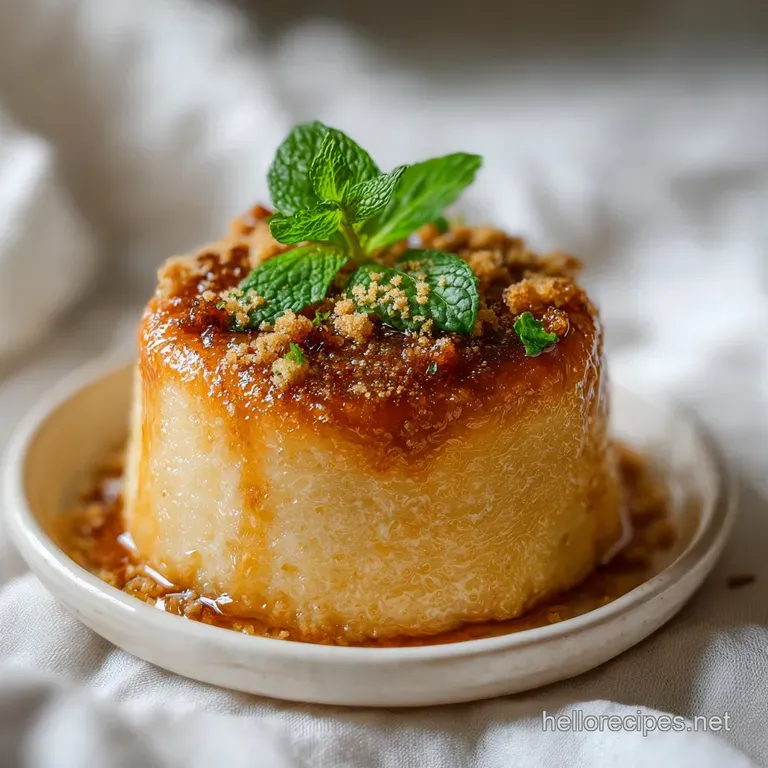
- Time: Active 10 minutes, Passive 1 hours, Total 1 hours 10 mins
- Flavor/Texture Hook: A velvety, cooling water burst contrasted by nutty roasted soy and smoky molasses.
- Perfect for: An impressive, low calorie dinner party finale or a mindful afternoon treat.
- Master the Rain Drop Cake with Kinako and Brown Sugar Syrup
- Scientific Principles of Culinary Suspension
- Essential Recipe Performance Metrics
- Critical Components for Success
- Necessary Gastronomy Tools and Gear
- Executing the Multi Stage Preparation
- Correcting Common Structural Flaws
- Innovative Dietary Formula Adjustments
- Optimal Preservation and Storage
- Creative Flavor Pairing Strategies
- Recipe FAQs
- 📝 Recipe Card
Master the Rain Drop Cake with Kinako and Brown Sugar Syrup
Imagine a giant, shimmering dewdrop resting on a bamboo leaf, so delicate that a single breath might disturb it. That was my first encounter with this dish in a tiny alleyway in Yamanashi.
The spoon sliced through the surface with a satisfying "shatter," and for a second, I wasn't even sure I was eating something solid. Discover the simple steps to create a stunning Rain Drop Cake with Kinako and Brown Sugar Syrup.
The beauty of this recipe lies in its transience. It's a dessert that demands your presence because, within 30 minutes of being served, it simply returns to its liquid state. We aren't just making food here; we're capturing a moment of suspension.
It’s the ultimate exercise in kitchen patience and precision, turning something as mundane as water into a conversation piece that feels like eating a cloud.
Don't let the simplicity of the Raindrop Cake Ingredients fool you. Because there are so few components, the quality of each one is magnified. I’ve spent months testing different water sources and agar brands to find the "sweet spot" where the cake holds its shape but still feels like a liquid burst when it hits your palate.
It’s brilliant, slightly nerdy, and honestly, a total blast to serve to friends who think they've seen everything.
Scientific Principles of Culinary Suspension
Creating this Rain Drop Cake with Kinako and Brown Sugar Syrup relies on the unique properties of red algae derived polymers. Unlike gelatin, which requires a long time to set and melts at body temperature, agar agar provides a crisp structural definition that is much more stable at room temperature.
- Thermo Reversible Polymerization: Agar Agar molecules form a three dimensional lattice as they cool, trapping water in a gelled state that remains firm up to 185°F.
- Capillary Action and Clarity: Using high-quality spring water ensures that no dissolved minerals interfere with the refractive index, keeping the sphere crystal clear.
- Solute Displacement: The addition of a tiny amount of granulated sugar acts as a clarifying agent, helping the agar dissolve completely and preventing "beading" on the surface.
- Hysteresis Effect: This refers to the temperature difference between when the gel melts and when it sets, allowing us to mold it at a manageable pace before it locks into place.
| Preparation Method | Passive Time | Texture Result | Best Use Case |
|---|---|---|---|
| Traditional Stovetop | 60 mins | Crystal clear, firm | Professional presentation |
| Rapid Microwave | 45 mins | Slightly cloudy, softer | Quick home cravings |
| Double Boiler | 90 mins | Ultra clear, velvety | High humidity environments |
The stovetop method is our gold standard because it allows for a "clarification simmer" that we just can't replicate in a microwave. By maintaining a gentle heat, we ensure every single agar particle is fully hydrated, which is the secret to that "glass like" appearance.
If you've ever tried a Japanese Raindrop Cake Recipe that turned out murky, it’s usually because the agar didn't reach its full activation temperature or was cooled too aggressively.
The Science of the Wobble
The specific ratio of 4g agar to 250ml water creates a delicate balance of surface tension and structural integrity. This allows the cake to maintain a spherical shape under its own weight while remaining soft enough to yield instantly to a spoon.
| Component | Scientific Role | Pro Secret |
|---|---|---|
| Spring Water | Solvent Medium | High mineral content causes cloudiness; use bottled spring water. |
| Agar Agar | Gelling Catalyst | Always whisk into cold liquid first to prevent "clumping" during the boil. |
| Kokuto Sugar | Flavor Complexity | This Okinawan sugar has a higher pH, which deepens the syrup's color. |
Essential Recipe Performance Metrics
Before we start whisking, let's look at the numbers. Precision is your best friend when working with hydrocolloids. I’ve found that even a few extra milliliters of water can turn your Rain Drop Cake into a puddle, or worse, a rubber ball.
We want that perfect, jiggly suspension that feels like the culinary version of a silk scarf.
The timing on this is also non negotiable. You’ll need a solid hour of chilling to ensure the core of the sphere is set. If you pull it out too early, the outside might look fine, but the center will collapse the moment you unmold it.
Trust me on this patience is the most important ingredient in this Japanese Raindrop Cake Recipe.
Right then, let's look at the yield. This recipe is designed for 4 servings, which is the ideal batch size for most standard spherical molds. If you’re hosting a larger crowd, I recommend making multiple batches rather than doubling the recipe in one pot, as the agar sets very quickly once it starts to cool, and you don’t want it "skinning over" while you’re still filling the fourth or fifth mold.
Critical Components for Success
We’re going to use specific ingredients to achieve that authentic flavor profile. The contrast between the neutral, cooling cake and the intense toppings is where the magic happens. It’s quite similar to the flavor building we do in our Sticky Brown Sugar Soy Salmon, where the deep molasses notes of the sugar provide a counterpoint to the clean base.
- 250ml high-quality spring water: Why this? Tap water minerals create a yellow tint and muddy flavor. Substitute: Filtered water.
- 4g agar agar powder: Why this? Essential for the distinct "clean snap" texture of Japanese jellies. Substitute: Carrageenan (texture will be softer).
- 5g granulated white sugar: Why this? Helps stabilize the agar and improves the clarity of the sphere. Substitute: Caster sugar.
- 50g Okinawan black sugar (Kokuto): Why this? Adds a smoky, malty depth that regular brown sugar lacks. Substitute: Muscovado sugar.
- 50ml water (for syrup): Why this? The vehicle for creating our mahogany colored reduction. Substitute: None.
- 4 tbsp roasted soybean flour (Kinako): Why this? Provides a nutty, toasted aroma and a dry texture contrast. Substitute: Toasted almond flour.
Necessary Gastronomy Tools and Gear
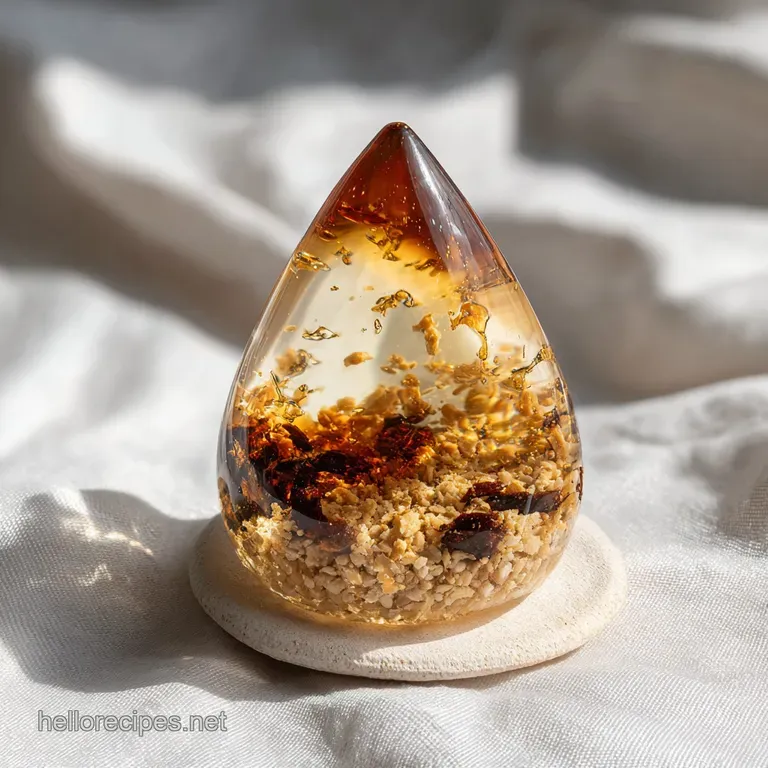
You don't need a lab, but a few specific tools will make your life much easier. The most important is the spherical silicone mold. I prefer the ones with a small hole at the top, which allows you to fill them completely to get a perfect round shape without a flat bottom.
A fine mesh sieve or a nut milk bag is also a game changer. Even with the best whisking, a few microscopic bits of agar might remain. Straining the mixture twice once after the boil and once as you pour into the molds ensures that "shatter" texture we're after.
Finally, a small heavy bottomed saucepan is best for the syrup reduction to prevent the black sugar from scorching.
Chef Tip: Freeze your silicone mold for 10 minutes before filling. The cold surface helps the outer layer of the Rain Drop Cake set instantly, which prevents leaking and ensures a smoother finish.
Executing the Multi Stage Preparation
- Hydrate the agar. Whisk 4g agar agar and 5g granulated sugar into 250ml cold spring water in a small saucepan. Note: Starting cold prevents the agar from forming a waterproof shell around dry particles.
- Bring to a boil. Place the pan over medium heat and stir constantly until the liquid reaches a rolling boil. until the mixture is completely transparent and no grains remain.
- Simmer and clarify. Reduce the heat to low and let it simmer for 2 minutes. This ensures the agar is fully activated and any air bubbles rise to the surface.
- First strain. Pour the liquid through a fine mesh sieve into a glass measuring jug. Let it sit for 2 minutes to allow any remaining bubbles to dissipate.
- Fill the molds. Carefully pour the mixture into your spherical molds. until the liquid reaches the very top of the opening.
- Chill thoroughly. Place the molds in the refrigerator for at least 60 minutes. Note: Do not put them in the freezer; the ice crystals will ruin the delicate structure.
- Reduce the syrup. Combine 50g Kokuto sugar and 50ml water in a clean saucepan. Simmer over medium low heat for 5-8 minutes until the syrup coats the back of a spoon. Let cool completely.
- Sift the kinako. Pass 4 tbsp of roasted soybean flour through a sieve to ensure it's light and powdery.
- Unmold with care. Gently pull the silicone away from the edges of the cake. Flip it onto a serving plate it should slide out with a soft, wet "plop" sound.
- Assemble and serve. Place a mound of kinako on one side and a pool of brown sugar syrup on the other. Do not pour the syrup over the cake, as it will cause it to slide off the plate.
Correcting Common Structural Flaws
The most frequent issue people have when learning How To Make Raindrop Cake is cloudiness. If your cake looks like a foggy morning rather than a clear gem, it’s usually because of the water's mineral content or insufficient boiling time. Agar needs to be "cooked" out to become invisible.
Another hurdle is the unmolding process. Because the cake is so slippery, it can easily tear if you're too aggressive. If it's sticking, dip the bottom of the mold in warm water for exactly 3 seconds any longer and you'll start a premature melt. It's a bit like the precision required for the crust in The Quintessential Apple recipe, where temperature control is everything.
Resolving Structural Integrity Issues
If your cake feels like rubber, you've used too much agar. If it's a puddle, you didn't boil it long enough. Here is how to navigate those mid prep disasters.
| Problem | Root Cause | Solution |
|---|---|---|
| Cake is cloudy | Under boiled agar or tap water | Simmer for a full 2 mins and use spring water. |
| Cake melts on plate | Insufficient chilling time | Ensure at least 60 mins of refrigeration. |
| Texture is gritty | Agar didn't dissolve | Whisk into cold water first and strain twice. |
Common Mistakes Checklist
- ✓ Using "agar flakes" instead of powder (flakes require much longer boiling times).
- ✓ Skipping the sugar in the cake base (sugar helps the agar dissolve more clearly).
- ✓ Moving the molds while they are still warm (this breaks the forming molecular lattice).
- ✓ Storing the cake for more than 24 hours (it will eventually "weep" and shrink).
- ✓ Using tap water with high chlorine content (this creates a chemical aftertaste).
Innovative Dietary Formula Adjustments
This dessert is naturally vegan and gluten-free, making it a fantastic sustainable option for inclusive hosting. However, we can still play with the components to fit specific dietary needs or flavor preferences.
If you are looking for a lower glycemic version, you can swap the Kokuto for a monk fruit based brown sugar substitute. The texture of the syrup will be slightly thinner, but the flavor remains surprisingly close.
For an extra boost of gastronomy flair, try a matcha variation by whisking 1 tsp of ceremonial grade matcha into the water before boiling.
- Low Glycemic Swap: Use 40g Stevia based brown sugar instead of Kokuto.
- Flavor Infusions: Add a drop of rose water or elderflower syrup to the water for a floral "Easy rain drop cake with kinako and brown sugar syrup" experience.
- Nut Free Alternative: Replace Kinako with toasted sesame seeds or a fine dust of dehydrated strawberry powder.
Optimal Preservation and Storage
The Rain Drop Cake with Kinako and Brown Sugar Syrup is the definition of "eat it now." Because it is essentially a trapped liquid, it will begin to undergo syneresis (the expulsion of liquid from a gel) almost immediately after being unmolded.
- Storage
- You can keep the cakes in their molds in the fridge for up to 24 hours. Once unmolded, they must be eaten within 30 minutes.
- Freezing
- Do not freeze. The expansion of water into ice crystals will destroy the agar lattice, leaving you with a pile of mush upon thawing.
- Zero Waste Tip
- If you have leftover kinako, it's incredible sprinkled over vanilla ice cream or used as a coating for homemade mochi. Leftover syrup can be stored in a glass jar in the fridge for up to 2 weeks and is a perfect sweetener for iced coffee or the base of our Posh Nosh Foolproof recipe.
Creative Flavor Pairing Strategies
When considering How to eat raindrop cake, think of it as a journey of textures. You want a drink that cleanses the palate without overwhelming the subtle sweetness. A hot cup of Genmaicha (popcorn tea) is the classic choice, as its toasted rice notes mirror the nuttiness of the kinako.
If you're feeling adventurous, a cold brew coffee with a splash of oat milk pairs beautifully with the smoky Kokuto syrup. The bitterness of the coffee cuts through the molasses, making each bite of the cake feel even more refreshing.
For a formal setting, serve it alongside a small glass of sparkling sake; the effervescence highlights the "burst" sensation of the agar.
Scaling the Recipe
- Down (1-2 servings): Halve the water and agar, but keep the syrup batch the same size, as smaller amounts of syrup are difficult to reduce without burning.
- Up (8+ servings): Increase water and agar proportionally, but only increase the Kokuto syrup by 1.5x. Work in batches to ensure the agar doesn't set in the pot.
- Spices: If adding ginger or cinnamon to the syrup, use 1.5x the amount for a double batch to keep the flavor profile balanced.
Culinary Myths
- "Agar is just plant based gelatin": Not exactly. Agar sets firmer, has a higher melting point, and lacks the "bouncy" chew of animal gelatin. It provides a "cleaner" break on the palate.
- "You can't over boil agar": You actually can. Prolonged boiling at high temperatures can eventually break down the polymer chains, weakening the gel's strength. Stick to a 2 minute simmer.
- "Raindrop cake has no calories": While the cake itself is nearly calorie free, the kinako and syrup bring it to about 87 kcal per serving. It's still a light choice, but not "zero."
This Rain Drop Cake with Kinako and Brown Sugar Syrup is more than just a viral trend; it’s a masterclass in how we perceive texture and flavor. It challenges the idea that a dessert needs to be heavy to be satisfying.
So, go ahead, grab your molds, find some mountain spring water, and let's create something ephemeral. Your friends won't just be impressed they'll be talking about that "water cake" for weeks. Happy cooking!
Recipe FAQs
What are the ingredients in raindrop cake?
Spring water, agar agar powder, and a small amount of granulated sugar. The traditional flavor comes from the toppings: Kinako (roasted soybean flour) and Kokuto (Okinawan black sugar) syrup. The clarity of the water directly impacts the final visual quality.
What is kuzumochi raindrop cake?
No, kuzumochi is a distinct dessert. Kuzumochi is made from kuzu starch, giving it a softer, more opaque, and chewier texture than the firm, clear gel provided by agar in a Rain Drop Cake. They are often served with similar toppings, causing the confusion.
What is a sakura raindrop?
A seasonal variation using edible cherry blossoms. To create a sakura version, you would infuse the spring water with salted preserved sakura flowers or use a few drops of sakura extract and a touch of pink food coloring.
It mirrors the flavor profile of our [Classic Crumb Marble recipe] in its use of subtle floral notes.
What is the Japanese dessert water drop?
It is another name for Mizu Shingen Mochi or Rain Drop Cake. The dessert relies on hydrocolloids, specifically agar agar, to suspend pure water into a stable, shimmering sphere that dissolves upon contact with heat or acid.
How do I ensure my Rain Drop Cake is perfectly clear?
Use bottled spring water and simmer the agar for a full two minutes. Tap water minerals interfere with light refraction, causing cloudiness. Also, always whisk the agar into cold water before applying heat to prevent immediate gelling.
How do I get the syrup to have that deep, smoky flavor?
Use authentic Okinawan Kokuto black sugar for the reduction. This sugar has natural molasses and mineral content that regular dark brown sugar cannot replicate, yielding a deeper mahogany color and a complex, almost smoky sweetness.
If you master this careful reduction technique, you'll see similar flavor deepening in our [Homemade Vanilla Buttercream recipe] when replacing white sugar.
Why does my cake melt immediately after unmolding?
The chilling time was insufficient or the ambient temperature is too high. Agar sets quickly but melts at a higher temperature than gelatin, around 185°F. Ensure your refrigerator runs cold and that the cake chills undisturbed for a full 60 minutes minimum before attempting to unmold.
Rain Drop Cake With Kinako
Ingredients:
Instructions:
Nutrition Facts:
| Calories | 87 kcal |
|---|---|
| Protein | 2.5 g |
| Fat | 1.4 g |
| Carbs | 17.3 g |
| Fiber | 2.0 g |
| Sugar | 13.8 g |
| Sodium | 5 mg |
