Fish and Chips: the Perfect Pub Classic
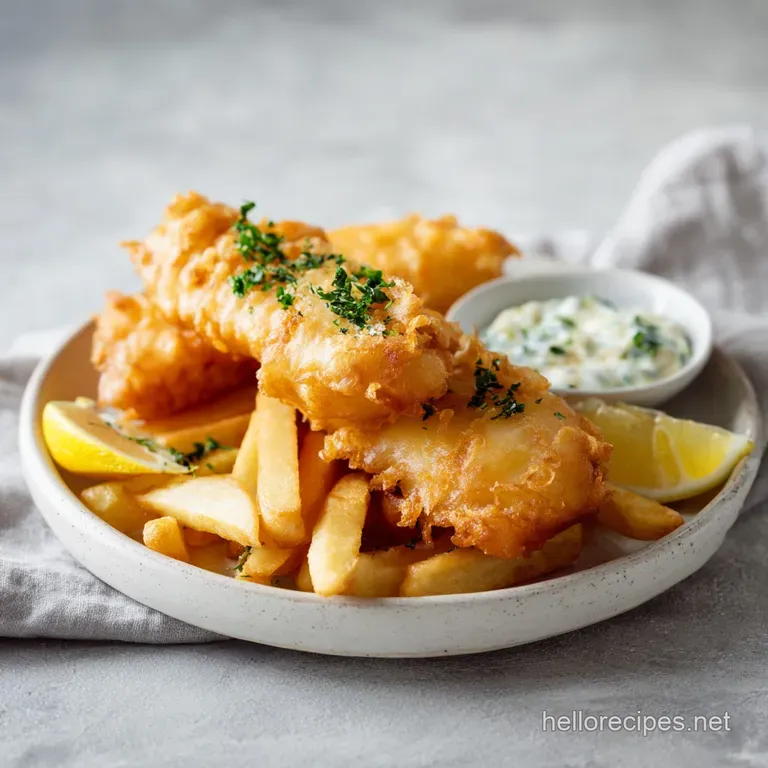
- Bringing the Chippy Home: Mastering the Pub Classic
- Ingredients You Need for Fish and Chips
- Step-by-Step Method: From Raw Potato to Golden Perfection
- Frying Faults and Pro Solutions: Mastering Your Technique
- Handling Leftovers: Keeping the Crisp After Cooking
- The Complete Experience: Classic Pairings and Condiments
- Recipe FAQs
- 📝 Recipe Card
Bringing the Chippy Home: Mastering the Pub Classic
That smell. That glorious, sharp aroma of salty steam, malt vinegar, and golden crunch filling the kitchen. The unmistakable sound of perfect Fish and Chips hitting the table is arguably the most comforting sensory experience in British food.
This isn't just battered fish and deep fried potatoes; this is the shatteringly crisp sound of true British comfort food, made perfectly at home.
Honestly, making Fish and Chips sounds intimidating, like a major oily undertaking, but it’s actually incredibly straightforward once you nail the temperatures and control the moisture.
It’s cheap, incredibly satisfying, and tastes leagues better than anything you get delivered, especially when you crave that authentic pub feel.
I’ve failed at this dish so many times soggy fish, heavy batter, greasy chips, oil spatters everywhere. But I finally cracked the code, and this recipe focuses on technique: controlling the oil heat, chilling the batter, and double frying the potatoes.
Let's make some glorious, proper Pub Style Fish and Chips Recipe.
The Anatomy of Perfect Takeaway Food
The perfect plate of Fish and Chips is a study in crucial contrasts. You need fluffy, almost mashed potato interiors wrapped in a deeply golden, shatteringly crisp shell (the chip). Then you need flaky, tender white fish that steams beautifully inside its incredibly light, bubbly, golden coat.
It must not feel heavy.
Achieving this required balance means we treat the chips and the fish as separate entities needing different frying strategies. We blanch the chips first at a lower temperature to cook the interior, rest them, and then finish them off at a high temperature for the crunch.
This double fry method is non-negotiable for superior results and is the basis of great homemade Fish and Chips .
Why This Recipe Demands Haddock (and Technique)
I swear by Haddock for perfect homemade Fish and Chips . Its flavor is delicate and clean, but crucially, its flesh is firm enough to steam quickly without falling apart inside the batter.
Cod is a fantastic, flaky second, but Haddock holds its shape and flake just a little better under pressure, trust me.
The trick isn't just the fish; it's the thermal shock. We use icy-cold beer batter against blazing hot oil to create thousands of air pockets that puff up beautifully and expand instantly. This high contrast temperature ensures the batter is light and doesn’t absorb excess oil.
That’s how you get that crazy light crunch, miles away from heavy, doughy batter you often get from lower quality takeaway joints. This specific technique makes all the difference when creating the best Crispy Fish and Chips.
A Culinary History: The Roots of the British Classic
You can’t talk about authentic Fish and Chips without tipping your hat to history. It's a true working class masterpiece, combining fried fish (likely brought to England by Sephardic Jewish immigrants) and fried potatoes (popularized in the 19th century).
It’s a dish of merging cultures and necessity.
The first proper fish and chip shop opened around 1860, and it quickly became the staple it is today, fueling the Industrial Revolution and providing affordable, filling comfort food.
When you make homemade Fish and Chips , you are carrying on a magnificent culinary tradition, and one that deserves respect and the double fry method!
Ingredients You Need for Fish and Chips
Main Ingredients Notes
- The Fish: Stick to thick fillets (at least an inch) of Haddock or Cod. If the fillet is too thin, it will overcook and dry out before the batter is deep golden brown. Always ensure the fish is completely skinless and boneless before you start.
- The Potatoes: High starch potatoes (Russets, Maris Piper) are key. They break down perfectly on the inside during the first fry, giving you that fluffy interior texture you crave.
- The Beer: Use a cold, light lager or pale ale. The colder and more carbonated, the better the batter's lift and fluffiness. Don't use a heavy stout or a flat beer; it makes the batter dense and sad.
- The Oil: Use something neutral with a high smoke point, like Rapeseed (Canola), Vegetable, or Groundnut oil. We are frying at high temperatures, which is non-negotiable for superior texture, so oil quality and freshness matters.
Easy Substitutions and Swaps
Sometimes life throws you a curveball and you don't have the exact right ingredient. Don't panic! You can still make excellent Perfect Fish and Chips.
| Component | Must Have Ingredient | Viable Substitution |
|---|---|---|
| Fish | Haddock or Cod | Pollock or Monkfish (look for firm white fish) |
| Potatoes | Maris Piper or Russet | High starch Yukon Gold (cut thick) |
| Beer | Cold Lager or Pale Ale | Chilled Sparkling Water (Soda Water) |
| Cornstarch | Cornstarch (for crispness) | Rice Flour or Potato Starch |
Essential Equipment
I know you hate using a lot of gear, but for truly perfect homemade Fish and Chips , two things are absolutely non-negotiable for safety and results: a heavy bottomed pot (like a cast iron Dutch oven) and a deep fry thermometer.
Eyeballing oil temperature is the fastest route to greasy disaster where the oil saturates the food instead of crisping it. Trust the thermometer, not your gut, for this recipe.
step-by-step Method: From Raw Potato to Golden Perfection
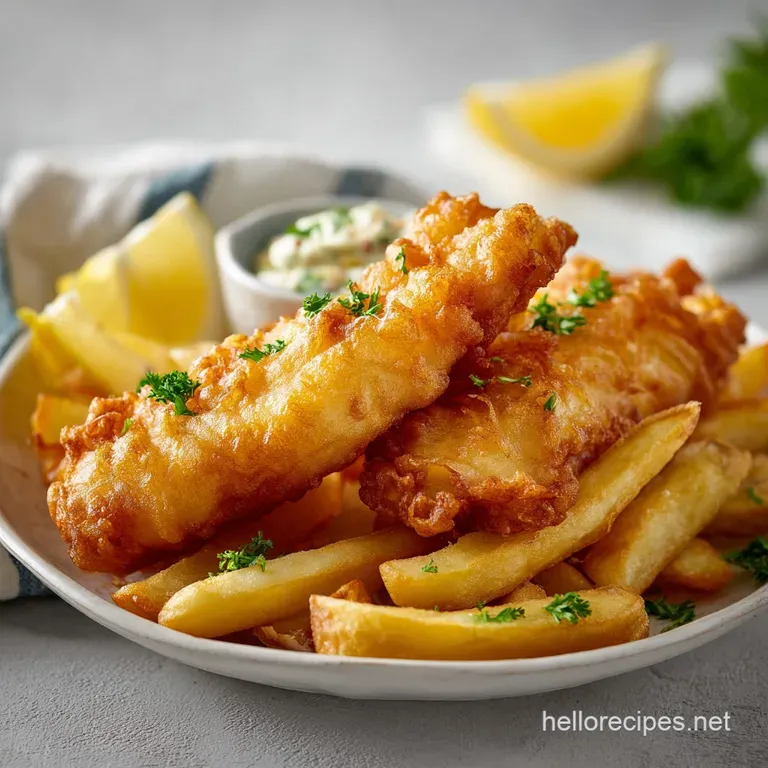
Phase One: Preparing the Proper Pub Chips (The First Fry)
We always start with the chips because they are robust and can rest while the fish is prepped and fried. Cutting the potatoes into even, thick pieces (about the size of your thumb) is critical for uniform cooking. If they are uneven, some will burn while others remain raw.
Rinsing and soaking the cut potatoes in salty water draws out surface starch. This prevents them from gluing together in the fryer and promotes internal fluffiness. Drain them thoroughly and pat them so dry they look sad and dull just before the first fry.
The thickness of your chip matters for the final texture; a thumb's width is the perfect sweet spot for the best Pub Style Fish and Chips Recipe.
Mixing and Resting the Cold Beer Batter
The secret to great batter is minimal handling and maximum chill. In a medium bowl, mix the flour, cornstarch, baking powder, salt, and pepper thoroughly. Then, pour in the very COLD beer. Whisk just until the flour is incorporated; lumps are totally fine and actually desired because they prevent gluten development.
Letting the batter rest in the fridge allows the flour to hydrate slightly, but more importantly, it makes sure that thermal shock is guaranteed when it meets the hot oil. That temperature difference is the engine of the light, airy coating we seek for authentic English Fish and Chips.
Frying the Fish: The Crucial Temperature Drop
You need to maintain the oil at 375°F (190°C). Make sure your Haddock fillets are totally dry and dusted lightly in flour, shaking off the excess. This acts as glue for the batter and is absolutely essential!
A massive mistake I made early on when learning to make proper Fish and Chips was dropping the fish too gently, which caused the batter to sink to the bottom of the pot and stick. You need confidence here.
Hold the fish by the tail end, slowly lowering the head into the oil, moving it away from you. Release the fillet quickly but gently. Fry in small batches (one or two fillets at a time) for 6– 8 minutes, flipping halfway, until deeply golden brown.
This is the moment where your perfect Fish and Chips comes to life.
Phase Two: The Finishing Fry for Maximum Crispness
Once the fish is done and draining on the rack (don't forget the rack!), we turn our attention back to the chips. Crank the heat back up to 375°F (190°C) and return those pale, rested chips to the fryer.
The second fry is fast only 2 to 4 minutes and transforms them from limp potato sticks into gloriously crisp, golden vessels perfect for catching salt and vinegar. Remove them, drain well, and immediately toss generously with fine sea salt.
This double fry truly elevates the whole Fish and Chips experience, making those Fluffy Chips Recipe dreams come true.
Frying Faults and Pro Solutions: Mastering Your Technique
I once tried to rush the blanching phase, and I ended up with chips that were mushy inside and greasy outside. Learn from my mistake: patience is key here! That low-temperature cook in Phase One sets the texture for the whole meal.
Chef’s Note: Never salt the fish before battering. Salt draws moisture out, and if the fish is wet, the batter will slide right off and leave you with naked, sad fillets floating in the oil.
| Fault | Cause | Fix |
|---|---|---|
| Greasy Food | Oil temperature too low (below 350°F / 175°C) | Use a thermometer and maintain the heat strictly. |
| Soggy Bottoms | Trapped steam after frying | Drain fried items on a wire rack, not paper towels. |
| Batter Slides Off | Fish was wet, or not dusted with flour | Pat fish dry relentlessly and dust lightly before dipping. |
One common question I get is, "Why did my homemade Fish and Chips taste metallic or old?" Usually, that means your oil wasn't fresh, or you used a pot that wasn't properly cleaned. Always strain your oil immediately after frying if you plan to reuse it.
If the oil smells remotely burnt or rancid, dump it responsibly and start fresh. Quality ingredients deserve quality oil! Remember, this specific style of Beer Battered Fish requires a light touch, and the oil must be pristine to let the fish flavor shine.
Handling Leftovers: Keeping the Crisp After Cooking
The Importance of Drying Your Fish Fillets Thoroughly
We touched on this, but seriously, moisture is the enemy of crispy Fish and Chips . If you see water beading on the fish after patting it dry, keep patting! Think of the light flour dusting as a necessary moisture barrier that also helps the wet batter adhere perfectly to the fillet.
If you skip this simple step, you might as well wave goodbye to that perfect pub crunch you are aiming for with your homemade Fish and Chips .
Reheating Fish and Chips for Optimum Texture (The Oven Method)
Can you reheat this glorious meal? Absolutely, but the microwave is a war crime against crispness and should never be used. The microwave will turn your beautiful crisp batter into a sweaty sponge.
Instead, preheat your oven or air fryer to a searing 400°F (200°C). Place the leftover fish and chips on a baking sheet, ensuring they are spread out so they don't steam each other. Bake for 8– 12 minutes until sizzling hot. They will crisp up beautifully, almost as good as fresh.
Freezing Components (Batter vs. Fried Products)
The batter? Nope, do not freeze it. The carbonation and baking powder will lose their power and die, leaving you with heavy sludge when thawed. Always make the beer batter fresh right before use.
Fried chips freeze really well if you only complete the blanching (first fry) stage. Cool them completely, freeze them on a tray, and then store them in a bag. When you want homemade Fish and Chips later, just skip Phase One and move straight to the final 375°F fry. Once fully cooked, I only recommend storing leftover Fish and Chips in the fridge for 2 days maximum. If you love making fried food, you might also enjoy making crispy snacks like Canned Salmon Recipes: Ultimate Crispy Fishcakes with Dill Mayo . This specific focus on frying texture helps when preparing the ultimate Fish and Chips .
The Complete Experience: Classic Pairings and Condiments
How to Prevent Soggy Batter (The Drain Rack Trick)
This is the simplest, most overlooked step for maximum crunch. You pull that golden fillet out of the oil, and it's perfect. Then you put it on paper towels. Wrong. The paper traps the heat and the oil drips into the paper, creating instant steam that travels up and softens the underside.
Using a wire rack allows air circulation on all sides, ensuring your perfect Fish and Chips stays crisp until the moment it hits your mouth.
Perfect Match: Homemade Tartar Sauce and Malt Vinegar
You cannot serve gourmet Fish and Chips with bottled relish. A simple homemade tartar sauce mayo, finely diced cornichons, capers, lemon juice, and plenty of fresh dill takes five minutes and makes a huge difference.
And for the love of all that is holy, use Malt Vinegar, not that pale white stuff. The sharp, slightly sweet malt flavour is essential for cutting through the richness of the fried food. Load up the vinegar and salt right before serving!
The Essential Side: Proper Mushy Peas (A Simple Recipe Add-on)
Look, I know some people find mushy peas weird, but they are mandatory for authentic British Fish and Chips . They are earthy, creamy, and provide a necessary textural contrast to the crunch.
If you're not up for seeking out marrowfat peas, you can cheat: use frozen garden peas, blanch them quickly, then blitz them with a knob of butter, a splash of mint sauce, and salt until creamy but chunky. It's the ultimate complement to crispy homemade Fish and Chips .
Making perfect Fish and Chips at home truly transforms a simple meal into an event. The combination of the fluffy interior of the chips and the flaky, tender fish encased in that light, crispy batter is unbeatable. It takes effort, but the payoff is huge.
Seriously, ditch the takeaway menu and make the best Fish and Chips you've ever had.
Recipe FAQs
Why did my beer batter become soggy and not stay crispy?
This is usually due to two main factors: oil temperature or overcrowding the fryer. Ensure your oil maintains the proper frying temperature (around 375°F / 190°C); if it drops too low, the batter absorbs oil rapidly instead of crisping up.
Always fry fish in small batches to maintain temperature consistency and allow sufficient steam to escape during the cooking process.
Haddock is expensive; what other types of fish work well for this recipe?
Cod is the classic alternative to haddock and offers similar excellent flakiness and firmness, making it ideal for large portions. You can also use pollock or sustainable hake, but the key is choosing a thick cut, firm white fish that has been thoroughly patted dry before coating in the batter.
Avoid delicate or oily fish, as they tend to fall apart or become greasy.
Why is the double fry technique essential for making proper chips (fries)?
The first, lower temperature fry (blanching) cooks the starch completely, gelatinizing the potato interior and making the chips tender and fluffy on the inside. The second, high temperature fry creates the crucial crispy, golden brown exterior.
This two-step process ensures you achieve the desired contrast between a crisp outer shell and a soft, fluffy center, characteristic of pub-style chips.
I don't drink alcohol. Can I substitute the beer in the batter?
Absolutely. The primary purpose of the beer is the carbonation, which creates the light, bubbly texture required for a puffy crust. Substitute the beer with an equal amount of very cold, unflavored sparkling water (soda water) for a similar airy result.
Ensure whatever liquid you use is chilled, as cold ingredients inhibit gluten development and produce a lighter batter.
Is it possible to bake or air-fry the fish instead of deep frying?
While you can bake or air-fry for a healthier option, you will not achieve the classic puffy, bubbly crust that deep fat frying provides. If air-frying, lightly spray the battered fish with oil and cook at 400°F (200°C) until golden brown and cooked through.
Alternatively, for a slightly crispier finish, lightly coat the fish in breadcrumbs (panko works best) before baking.
How should I store and reheat leftover Fish and Chips?
Store cooled leftovers in an airtight container in the refrigerator for up to 3 days, and never attempt to reheat them in a microwave, which turns them rubbery and soggy. The best method for reheating is placing the fish and chips on a wire rack in a preheated oven or air fryer at 350°F (175°C).
This allows heat to circulate and re-crisps the exterior effectively.
What is the best type of oil to use for deep frying this recipe?
We recommend using a neutral oil with a high smoke point, such as canola, vegetable, or peanut oil. These oils impart minimal flavor to the food while safely reaching the high temperatures necessary for crisping the batter and chips.
Avoid olive oil or butter, as their low smoke points will cause them to burn and taste acrid before the food is cooked.
Pub Style Fish And Chips Recipe
Ingredients:
Instructions:
Nutrition Facts:
| Calories | 840 calories |
|---|---|
| Fat | 52 grams |
| Fiber | 4 grams |
