New Years Recipes: Prosperity Hoppin John
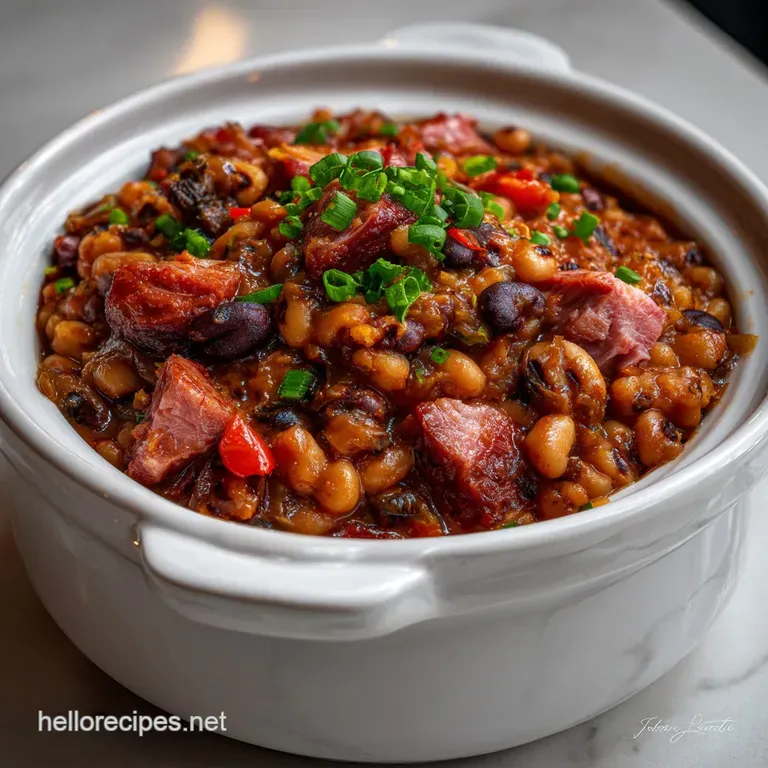
- The Ultimate Guide to Prosperity Hoppin' John: Guaranteed Good Luck for the New Year
- Why This Works: The Culinary Science of Prosperity
- Essential Ingredients and Flavor Substitutions for This New Years Dish
- Slow Simmer Success: Step-by-Step Instructions for Hoppin' John
- Expert Tips and Common Mistakes to Avoid
- Storage and Meal Prep: Maximizing Your Hoppin' John Leftovers
- Serving Suggestions: Completing Your New Year's Day Feast
- Recipe FAQs
- 📝 Recipe Card
The Ultimate Guide to Prosperity Hoppin' John: Guaranteed Good Luck for the New Year
The air in my kitchen on January 1st always smells like deep, savory woodsmoke and slow cooked garlic. If you’re like me, you need New Years Recipes that actually work, especially when the promise of good luck is involved.
Hoppin’ John, this gorgeous mix of black eyed peas, rice, and smoky pork, is the undisputed champion of traditional New Years Recipes for good luck. Forget fussy New Years Eve Party Food —this recipe is rich, comforting, and the perfect centerpiece for your New Years Recipes dinner.
This isn't a complex, fussy recipe, but it requires patience and a low simmer to truly become something magical. I’ve made all the mistakes: watery broth, peas that dissolved into paste, and flavors that tasted flat. I’m giving you the expert level secrets right here so your New Year starts off perfectly.
Why This Works: The Culinary Science of Prosperity
What Makes This the Best Hoppin' John Recipe?
The magic of this classic dish isn’t just in the ingredients; it’s in the method. We aren’t simply boiling beans; we are building layers of gelatin, smoke, and savory depth. This is crucial for truly successful New Years Recipes .
The Maillard Reaction and Smoky Depth
We start by sautéing the "holy trinity" (onion, celery, bell pepper) in bacon fat or oil until they sweat and soften. But the real flavor base comes from the ham hocks. Browning the ham hocks slightly before adding liquid causes the Maillard reaction that chemical process that creates hundreds of complex, savory flavor compounds.
This gives the broth a serious, lasting depth, far beyond what you get from plain chicken stock.
Achieving Maximum Creaminess: Starch Release and Simmering
Black eyed peas contain starch. When you cook them low and slow, that starch is released gently into the liquid. The ham hock skin and bone also break down, releasing collagen, which turns to gelatin.
This gelatin, combined with the released starch, is what naturally thickens the broth to that luxurious, velvety consistency without you having to add any flour or cornstarch. If you aggressively boil it, the starch releases too fast, and the peas might shatter instead of staying tender.
Essential Ingredients and Flavor Substitutions for This New Years Dish
We want deep, slow cooked flavor. Using good ingredients is key, but sometimes you need to swap out what you have on hand.
| Ingredient Category | Recommended Ingredient | Ingredient Swap / Variation |
|---|---|---|
| Smoked Meat | Smoked Ham Hocks | Smoked Turkey Wings/Legs (lighter flavor); Thick cut Bacon or Salt Pork (needs added liquid smoke); Country Ham or Prosciutto (use less salt). If you prefer poultry, these smoked turkey wings are fantastic, and they’d also work beautifully in my 4th of July Recipes: Smoky Chicken Kebabs with Cool Feta Drizzle . |
| The Legumes | Dried Black Eyed Peas (soaked) | Canned Black Eyed Peas (reduce cooking time by 45 mins); Dried Field Peas or Crowder Peas. |
| Aromatics | Yellow Onion, Celery, Green Bell Pepper | Shallots (sweeter); Red Bell Pepper (for color). |
| Broth | Low-Sodium Chicken Stock | Vegetable Stock or Water + 1 Tbsp Bouillon paste. If you need inspiration for making your own intense flavor bases, check out my guide on Seasoning Mix Blends: 3 Essential Homemade Recipes for Fresh Flavor . |
| Acidity | Red Wine Vinegar | A squeeze of fresh lemon juice or cider vinegar at the end. This is a non-negotiable step to balance the richness! |
Slow Simmer Success: step-by-step Instructions for Hoppin' John
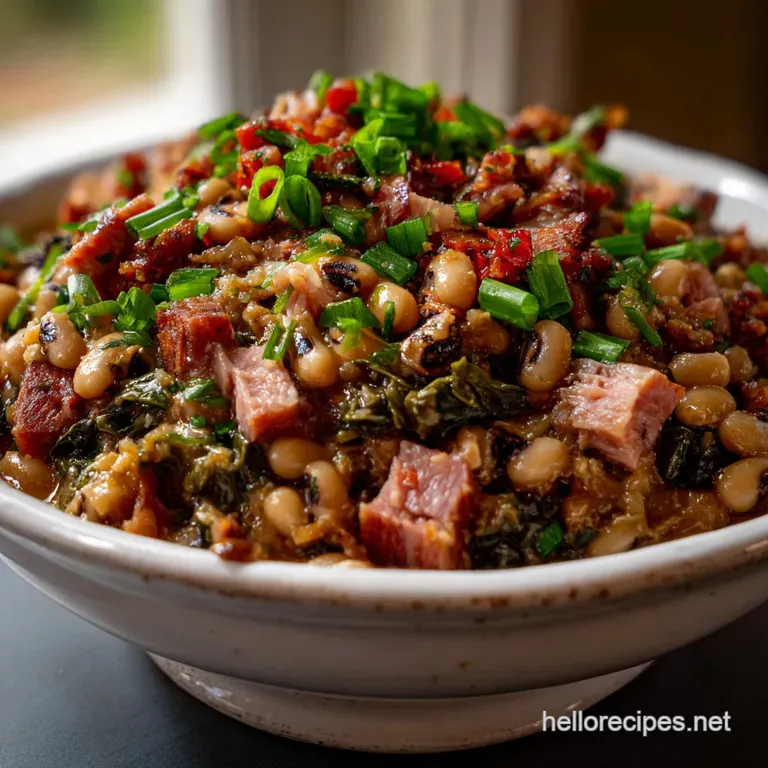
The goal is tender peas and rich, thick gravy. This is one of the best New Years Recipes you can make!
Prep: Soaking and Sautéing the Foundation
- Rinse & Soak (Optional but Recommended): Rinse your dried black eyed peas under cold water. If you have time, soak them overnight. If not, don’t stress, but be prepared for a slightly longer cooking time.
- Sizzle the Meat: In a heavy Dutch oven, heat your oil or bacon fat over medium high heat. Add the ham hocks and sear them for 3– 4 minutes per side until they have some deep brown color. This is the Maillard reaction at work! Remove the ham hocks and set aside.
- Sauté the Trinity: Reduce heat to medium. Add the diced onion, celery, and green bell pepper. Let them gently sauté, stirring occasionally, until the onions are translucent and the vegetables have softened completely about 8 minutes. You should hear a steady, gentle sizzle.
- Fragrance Alert: Add the minced garlic. Cook for just 60 seconds until you can really smell it. Don't let it brown!
The Simmering Phase: Achieving Tender Peas
- Build the Base: Add the rinsed black eyed peas and return the seared ham hocks to the pot. Pour in the stock, ensuring everything is submerged by at least an inch of liquid. Toss in the bay leaves and thyme sprigs.
- The Gentle Simmer: Bring the pot to a rapid boil, then immediately turn the heat down to the absolute lowest setting possible. The liquid should barely register movement just a gentle bubble, like a sleepy volcano. Cover the pot and simmer for 60 to 90 minutes.
Final Adjustments and Seasoning Check
- Check Tenderness: Start checking the peas around the 60 minute mark. They should be creamy and tender, yet still hold their shape. If the liquid looks too thin, remove the lid for the last 30 minutes to allow some evaporation.
- Shred and Thicken: Carefully fish out the ham hocks, thyme, and bay leaves. Shred the meat from the bones and discard the bones/skin. Return the shredded meat to the pot. Use the back of a spoon to crush about 1/4 cup of the peas against the side of the pot. This releases concentrated starch and thickens the dish naturally.
- Seasoning and Balance: Now, season. Add salt, pepper, and, most importantly, the splash of red wine vinegar. That acidity brightens the heavy, smoky flavor profile. Taste it. Adjust the salt. Serve immediately over rice. This is an essential tradition among all classic New Years Recipes .
Expert Tips and Common Mistakes to Avoid
This section is all about turning an okay pot of beans into phenomenal New Years Recipes material.
| Mistake/Problem | Why It Happens (The Science) | The Fix |
|---|---|---|
| Mushy Peas | Simmering too aggressively (high heat); stirring too often, causing agitation and shattering the delicate pea structure. | Only stir 1 2 times during the cook time. Ensure the liquid is just barely simmering, not rolling. Cook covered to maintain even heat. |
| Peas Won't Soften | Not enough liquid; using old peas (dried peas older than a year are very difficult to hydrate); or the ham hocks were too salty, preventing hydration. | If the peas are old, add 1/4 tsp of baking soda to the soaking water (this changes pH and softens the skins). If mid-simmer, add 1 cup of boiling water and cook covered longer. |
| Bland, Flat Flavor | Not using enough salt; seasoning too early (before broth reduces); skipping the acidity splash at the end. | Wait to fully season until the end, after the ham hocks are removed and the broth has reduced. Add that vinegar or lemon juice! |
| Broth Is Too Watery | Cooking covered the entire time; using too much stock relative to the amount of peas. | Remove the lid for the final 30 minutes and raise the heat slightly (but still below boiling) to evaporate excess liquid. |
The Salt Paradox: When to Season Smoked Meat Dishes
Smoked ham hocks and turkey are already salted and cured. If you add all your salt at the beginning, by the time the liquid has reduced, your Hoppin’ John will be inedible. The Rule: Only add a fraction of the salt at the start, then taste and adjust only after the ham hocks are removed and the broth has thickened in Step 7.
Storage and Meal Prep: Maximizing Your Hoppin' John Leftovers
One great thing about New Years Recipes like this is that they are fantastic for batch cooking and meal prep. In fact, many people call the leftovers "Skippin' Jenny," which ensures further good luck by being frugal!
Refrigeration Lifespan and Food Safety
Hoppin' John stores beautifully. Once cooled to room temperature, transfer it to an airtight container and refrigerate for up to 4 days . The flavor actually deepens overnight as the ingredients truly marry it's even better the next day!
Best Practices for Freezing Black Eyed Pea Dishes
Peas freeze well, but they can get slightly grainy upon thawing if you don't follow this trick. Freeze the mixture before adding the cooked rice.
- Cool the Hoppin’ John completely.
- Transfer to heavy duty freezer bags or containers, leaving about an inch of headspace for expansion.
- Freeze for up to 4 months .
- To Reheat: Thaw overnight in the fridge. Reheat gently on the stovetop, stirring frequently, adding a splash of fresh stock or water if it’s too thick.
If you happen to have a lot of leftovers, you can easily turn this into a delicious fritter or patty base the next day. It’s a great way to use up ingredients, similar to how I use leftover protein in my Canned Salmon Recipes: Ultimate Crispy Fishcakes with Dill Mayo .
Serving Suggestions: Completing Your New Year's Day Feast
The final step is serving, and presentation matters, especially for ceremonial New Years Recipes .
The Traditional Pairing: Collard Greens and Cornbread
According to tradition, you must serve Hoppin’ John with cooked greens and cornbread for true prosperity.
- Black Eyed Peas: Represent coins.
- Greens (Collard or Mustard): Represent paper money.
- Cornbread (Golden Hue): Represents gold and wealth.
If you’re looking for other traditional New Years Recipes side dishes that are gluten-free, my recipe for gluten-free Thanksgiving Recipes: The Ultimate Sourdough Stuffing is surprisingly complementary to the smoky pork flavor.
Garnishes and Finishes to Brighten the Dish
A rich dish needs brightness. Serve with a generous splash of high-quality hot sauce (Louisiana style is perfect), a sprinkle of chopped scallions, and a final drizzle of fresh olive oil. This simple touch makes this one of the most memorable New Years Recipes for dinner.
Happy New Year may your prosperity be as deep and rich as this Hoppin’ John!

Recipe FAQs
Why is Hoppin' John traditionally eaten on New Year's Day?
It is a Southern American tradition to eat Hoppin' John on January 1st to ensure good luck and prosperity for the coming year. The black eyed peas are said to symbolize coins, while often collard greens (representing paper money) are served alongside it for maximum fortune.
This custom dates back hundreds of years, making the dish a vital part of the New Year's celebration.
Can I use canned black eyed peas instead of dried, and how should I adjust the recipe?
Yes, you can certainly use canned black eyed peas for convenience, but you must rinse and drain them thoroughly before adding them to the pot to remove excess sodium and preservatives. Since canned peas are already cooked, significantly reduce the overall simmering time.
They only need to be heated through and simmered briefly (about 20-30 minutes) to absorb the smoky flavor, rather than cooked from a dried state.
What is the best substitution if I cannot find smoked ham hocks?
If ham hocks are unavailable, excellent substitutions that maintain the required smokiness include smoked turkey legs, smoked bacon, or a good quality cured ham bone. The key is to introduce a deep, savory, smoky richness that is central to the dish's flavor profile.
If using leaner smoked meats like turkey, you might want to add a tablespoon of lard or bacon fat early in the cooking process for necessary richness.
Do I need to soak the dried black eyed peas before cooking this recipe?
While soaking is not strictly required for modern black eyed peas, it is highly recommended as it can significantly reduce the cooking time by about 30 to 45 minutes and make the beans easier to digest.
If you choose to soak, cover them with water for 4-8 hours, or use the quick soak method by boiling them for two minutes, then covering and resting them for one hour.
How long does Hoppin' John last, and what is the best way to store leftovers?
Hoppin' John stores very well and can be refrigerated in an airtight container for 3 to 4 days; the flavors often deepen overnight. It also freezes exceptionally well for longer storage, lasting up to 3 months when cooled completely and stored in freezer safe containers.
Be aware that the texture of the peas may soften slightly upon thawing and reheating.
How can I thicken the Hoppin' John if the broth is too soupy after the full cooking time?
If your stew is too liquidy, try removing the lid and allowing it to simmer uncovered for the last 15-20 minutes, which will help some of the liquid evaporate. A traditional way to thicken it is to mash about a quarter cup of the cooked black eyed peas against the side of the pot and stir them back in.
This releases starch and naturally tightens the broth without adding external thickeners.
What side dishes are traditionally served with Prosperity Hoppin' John?
Traditionally, Hoppin' John is paired with hot, fluffy white rice, creating the complete dish often referred to as "Peas and Rice," which helps absorb the rich broth. It should also be served alongside cooked greens, such as collard or mustard greens, which symbolize paper money and enhance the dish's luck bringing qualities for the new year.
Prosperity Hoppin John Recipe
Ingredients:
Instructions:
Nutrition Facts:
| Calories | 347 kcal |
|---|---|
| Protein | 17.3 g |
| Fat | 3.8 g |
| Carbs | 61.1 g |
