The Perfect Prep School Tuna Salad Tinned Tuna Elevated
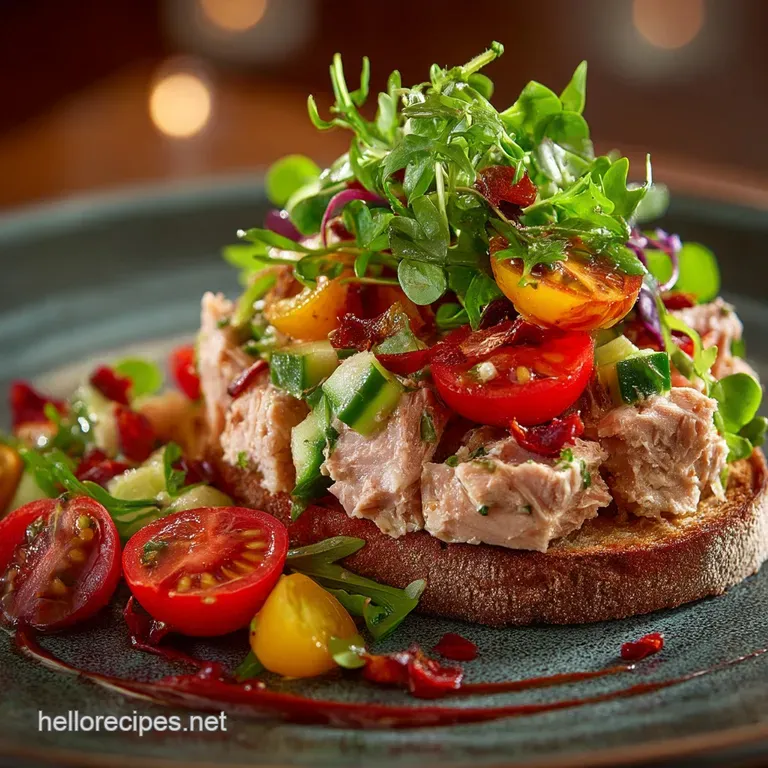
- Why This Isn't Your Average Sandwich Filler
- Mastering the Classic Tuna Salad in Minutes
- Sourcing the Best Ingredients for an Exceptional Tuna Salad
- Required Prep Tools for Mixing and Mincing
- Step-by-Step Guide to Assembling Your Gourmet Tuna Salad
- Pro Chef Mixing Techniques for Perfect Consistency
- Expert Tips for the Ultimate Tuna Salad Experience
- Creative Ways to Plate and Serve This Classic
- Recipe FAQs
- 📝 Recipe Card
Why This Isn't Your Average Sandwich Filler
For too long, the humble Tuna Salad has suffered from an unfortunate reputation as a mushy, bland filler reserved for quick, uninspired lunches. As a chef, I believe that this classic Seafood dish recipes staple deserves a thoughtful elevation.
This particular Tuna Salad Recipe moves past the watery, flavorless canned versions and embraces a Mediterranean approach, utilizing high-quality, oil-packed Albacore or Skipjack tuna. The result is a substantial, creamy, yet brilliantly zesty salad that yields four generous servings.
By balancing richness (from the oil and the binder) with intense acidity (from fresh lemon and capers), we transform a simple mix into a genuinely gourmet experience perfect for any picnic or sophisticated midday meal.
Mastering the Classic Tuna Salad in Minutes
The beauty of this recipe lies in its speed and simplicity; the active preparation time clocks in at only about fifteen minutes, making this an Easy tuna salad recipe perfect for weekly meal prep.
The secret to mastering this dish and ensuring it doesn't become that disappointing school canteen version is focusing on two core areas: optimizing the texture and engineering a proper, bright flavor profile.
The Secret to Proper Texture and Creaminess
The ideal tuna salad is cohesive without being pasted together. We achieve superior creaminess by moving beyond standard mayonnaise alone. This recipe employs a blend of rich, full fat mayonnaise and a touch of crème fraîche (or sour cream).
This combination lightens the density of the binder while adding a subtle, refreshing tang that prevents the mixture from feeling heavy. Crucially, we must treat the drained tuna gently during the mixing stage to preserve its natural flakes rather than mashing it into an homogenous spread.
A Proper French/Mediterranean Flavour Profile
The richness of quality tuna requires sharp, clean contrast. Our flavour profile relies heavily on French kitchen staples: a teaspoon of proper Dijon mustard for depth and heat, coupled with a generous tablespoon of freshly squeezed lemon juice for acidity.
This zesty foundation is amplified by finely minced red onion and chopped capers, which integrate salty, pungent bursts of flavour. Finishing with fresh dill ensures the final dish feels bright and complex, elevating it far beyond typical American Tuna recipes .
Sourcing the Best Ingredients for an Exceptional Tuna Salad
The success of any Clean eating salad recipes lies in the quality of the raw materials, and this is especially true for a simple preparation like tuna salad. While the preparation is easy, the ingredients must be high grade.
Look for the best quality full fat mayonnaise and, whenever possible, source fresh herbs like dill. Though the overall ingredient list is short, making conscientious choices here ensures the final product is rich, vibrant, and worthy of its elevated status.
Required Prep Tools for Mixing and Mincing
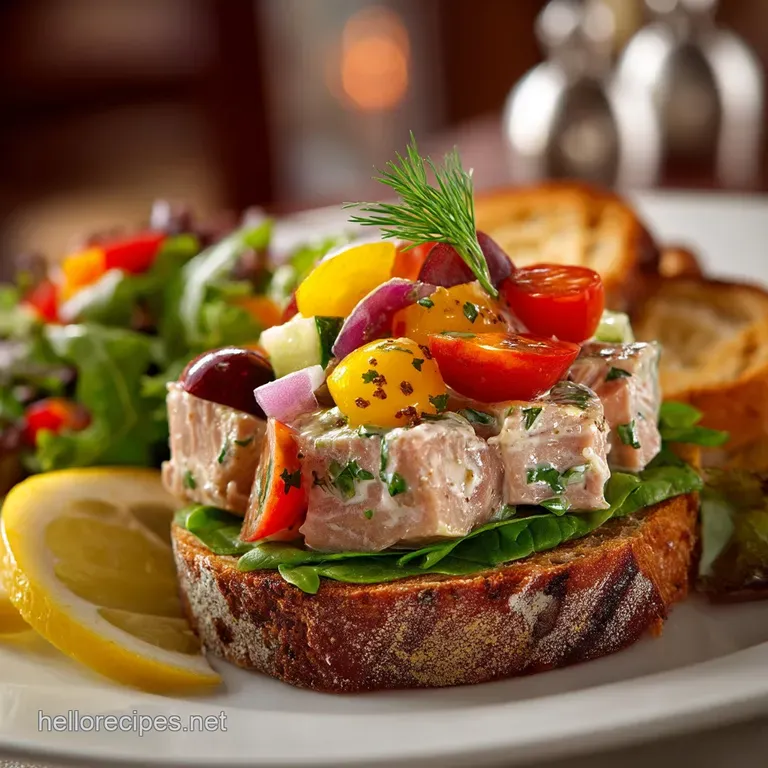
You will require only basic kitchen equipment to execute this recipe flawlessly: a sharp chef’s knife and cutting board for the precision mincing of the aromatics, a medium sized mixing bowl, and a rubber spatula for the delicate folding process.
While simple, precision tools allow for consistent preparation, particularly when handling the small quantities of onion and capers.
Why Oil-Packed Tuna is Non-Negotiable
The foundation of this recipe is two 5 oz (142g) cans of tuna preserved in olive oil. Unlike water packed tuna, the oil acts as a preservative for moisture and flavour, resulting in a significantly richer and more tender texture.
We capitalize on this quality by carefully draining the tuna, but reserving one teaspoon of the oil to incorporate directly into the binder. This reserved oil enhances the overall mouthfeel and deepens the natural oceanic flavour of the fish.
If you must use tuna packed in water, adding a couple of teaspoons of high-quality extra virgin olive oil is essential to mimic this richness.
Essential Zest and Crunch Additions (Capers, Onion, Celery)
The texture of this dish relies on a careful balance of creamy tuna and crisp vegetables. We utilize two large stalks of finely diced celery to introduce a reliable, refreshing crunch.
For the pungent element, a quarter of a small red onion is very finely minced (brunoised); this small mince is vital for distributing flavour evenly without overwhelming the salad.
Finally, brine packed capers are rinsed and roughly chopped, providing the essential salty, pickled component that gives the salad its signature Mediterranean tang.
Related Recipes Worth Trying
- Vibrant Summer Fruit Salad with Honey Lime Zing — Toss aside the sad watery bowls This Fresh Fruit Salad Recipe Simple features stone fruit and berries dressed in a bright Honey Lime Dressing Perfect for...
- The Ultimate Crunch Time Fiesta Taco Salad Recipe 40 Mins — Ditch the sad salads This Easy Taco Salad Recipe features seasoned beef crispy shells and our zesty dressing A true weeknight winner
- The Ultimate Zingy Smashed Asian Cucumber Salad Recipe — Ditch soggy sides This Easy Asian Cucumber Salad recipe uses the smash technique for maximum crunch and a seriously addictive dressing Perfect starter
step-by-step Guide to Assembling Your Gourmet Tuna Salad
The process begins with preparing the tuna base. Open the two cans and drain the excess oil thoroughly, ensuring you capture and reserve that crucial single teaspoon of tuna oil. Place the drained, loosely flaked tuna into your mixing bowl.
Next, prepare the textural additions: dice the celery, mince the red onion, and add the rinsed capers to the tuna bowl. Now, turn your attention to the dressing. In a separate small bowl, combine the 1/4 cup of mayonnaise, 1 tablespoon of crème fraîche, 1 teaspoon of Dijon mustard, and 1 tablespoon of fresh lemon juice.
Whisk this binder mixture until it is perfectly smooth, then incorporate the reserved teaspoon of tuna oil. Finally, pour the entire binder over the tuna and vegetable mixture, moving into the critical folding phase.
Pro Chef Mixing Techniques for Perfect Consistency
The difference between a good tuna salad and a great one often comes down to how the ingredients are merged. Professional technique dictates a gentle hand to maintain structural integrity.
Draining and Flaking the Tuna Properly
To ensure the best possible texture, the tuna must be drained well to remove excess liquid, whether oil or water. However, resist the urge to squeeze the tuna completely dry, as this removes too much flavour and moisture.
Once drained, place the tuna into the bowl and use the back of a fork or your spatula to lightly break up the large chunks, creating distinct flakes. This process should happen before adding the binder.
Marinating the Aromatic Elements First
Although the process involves adding the aromatic elements directly to the tuna, allowing the finely minced red onion and capers to meet the lemon juice and mustard in the binder first is key to integrating their flavours smoothly.
Once the binder is poured over the mix, use a rubber spatula and fold, rather than stir, the ingredients. This action ensures that the creamy binder coats the flakes and aromatics evenly, without destroying the delicate structure of the fish.
Achieving the Optimal Binder-to-Tuna Ratio
Our ratio of 1/4 cup mayonnaise plus 1 tablespoon crème fraîche to 284g of tuna is designed to bind the ingredients together without suffocating them. We aim for a creamy salad that holds its shape when spooned, not a sloppy, overly wet spread. After the initial fold, taste the mixture.
Season generously with 1/2 teaspoon of freshly cracked black pepper and start with 1/4 teaspoon of salt. Stir in the fresh dill. If the salad seems slightly dry, add a small splash of lemon juice rather than more mayo, as this will introduce necessary moisture and acidity without increasing the heaviness.
Expert Tips for the Ultimate Tuna Salad Experience
While the preparation is straightforward, a few final techniques guarantee exceptional results.
- Mind the Chill: Though technically ready to eat immediately, this dish significantly improves if allowed to chill for at least 30 minutes. This mandatory rest time allows the acidity of the lemon and the pungency of the onion to mellow and meld into the creamy base.
- Handle Salt Wisely: Always rinse brine packed capers before chopping. This step prevents the finished salad from becoming excessively salty, which can quickly ruin the flavour balance.
Creative Ways to Plate and Serve This Classic
This elevated Tuna Salad is incredibly versatile and shines in applications far beyond the traditional Tuna salad sandwich recipe . It provides a substantial base for Healthy lunch recipes when paired correctly.
How to Adjust Seasoning and Acidity Levels
Always treat the final taste test as an opportunity to perfect the balance. If the salad feels flat, a pinch more salt will enhance the dill and tuna. If it seems too rich or heavy, a final squeeze of fresh lemon juice will instantly brighten the profile.
Always adjust salt and acid concurrently; they work together to maximize flavour.
Making This Recipe dairy-free or Mayo Free
For those seeking Tuna salad without mayo , or simply a high protein variation, this recipe is easily adapted. The mayonnaise and crème fraîche can be entirely substituted with a high-quality plain, full fat Tuna salad with Greek yogurt .
This swap reduces the fat content while adding a powerful protein boost and maintaining a wonderfully thick, tangy texture. If maintaining a dairy-free status, simply omit the crème fraîche and increase the mayonnaise by one teaspoon, or look into using a mashed avocado as a binder base, paired with extra lemon juice.
Pairing Suggestions Beyond the Sandwich
Think outside the breadbox. This salad is superb when served atop a hot, steaming jacket potato (baked potato) garnished with fresh chives, transforming it into a hearty meal. For a low-carb or Clean eating salad recipes approach, spoon generous amounts over a bed of crisp greens like rocket or butter lettuce, perhaps with a drizzle of simple vinaigrette.
It also works beautifully served on premium savoury crackers or cucumber slices for an easy appetizer.
Maximizing Freshness and Safe Storage Guidelines
Because this recipe contains mayonnaise, proper storage is essential. Place any leftover tuna salad into an airtight container and refrigerate immediately. It will maintain its peak freshness, flavor, and texture for three to four days.
If you anticipate making a large batch, it's best to dice the celery and onion ahead of time, but only mix the binder and tuna when you are ready to serve or chill, maximizing the crispness of the vegetables.
Recipe FAQs
How important is using oil-packed tuna? Can I use the stuff in water instead?
Using tuna packed in oil is really the bee's knees for achieving a rich, velvety texture in this elevated recipe, as it adds depth that water simply can't provide. If you must use brine or water packed tuna, make sure to drain it properly, but critically, add 1 2 teaspoons of high-quality extra virgin olive oil to the binder.
This little bit of oil will replace the lost richness, ensuring your salad doesn't end up tasting dry or lacking a proper flavour backbone.
How long does this Tuna Salad keep in the fridge?
As this is a creamy, mayonnaise based salad, it needs to be treated with respect! When stored in a properly sealed, airtight container in the coldest part of your fridge (below 4°C), your delicious Tuna Salad will keep perfectly for 3 to 4 days.
Always give it a sniff test before serving, and crucially, never leave it sitting out at room temperature for more than two hours, or you’ll be playing a dangerous game.
I’m not keen on mayo. Are there good healthy swaps for the binder?
Absolutely! If full fat mayo isn't quite your cup of tea, you can substitute the entire amount with good quality plain Greek yogurt (full fat is best for texture). This creates a much tangier, higher protein, and lower fat version of the salad.
If you go the Greek yogurt route, consider adding a tiny pinch of mustard powder to enhance the sharpness usually provided by the Dijon.
How do I stop my tuna from turning into a pile of mush?
The secret to avoiding that regrettable school canteen texture is gentle handling. When you combine the dressing with the tuna base, use a rubber spatula and gently fold the ingredients together, rather than vigorously stirring or mashing them.
We are aiming for lovely, flaky chunks of tuna, not a paste, so treat the mixture like it’s fragile china to preserve that texture.
What’s the deal with chilling the salad? Can’t I just eat it straight away?
While you certainly can tuck in immediately we all have those moments chilling the salad for at least 30 minutes makes a world of difference to the finished dish. This cooling period is vital because it allows the sharp elements, like the red onion, capers, and lemon juice, to mellow out and properly meld with the creamy binder.
It creates a beautifully rounded flavour profile, resulting in a much more sophisticated finish.
Prep School Tuna Salad Recipe
Ingredients:
Instructions:
Nutrition Facts:
| Calories | 480 kcal |
|---|---|
| Protein | 25.5 g |
| Fat | 8.9 g |
| Carbs | 17.7 g |
| Fiber | 2.5 g |
| Sodium | 11310 mg |
