Poultry Seasoning: Chefs Essential Homemade Blend
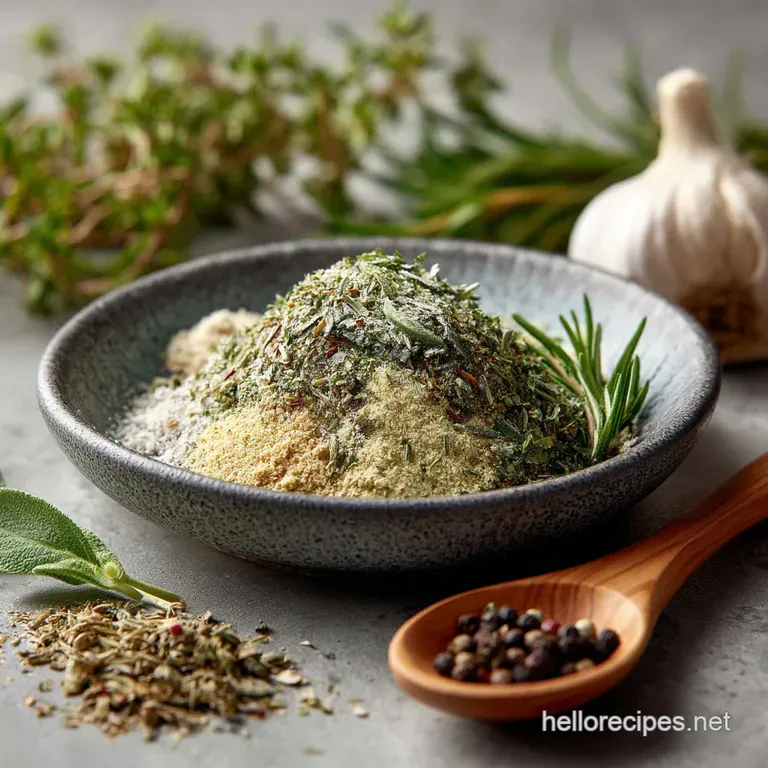
- The Essential Homemade Blend: Why Ditch the Shop-Bought Spices?
- The Flavor Architecture: Why This Blend is Perfectly Balanced
- The Aromatic Core: Ingredient Selection and Essential Swaps
- Crafting the Blend: Simple Steps to Prepare Your Custom Rub
- Mastering the Mix: Chef’s Troubleshooting and Advanced Techniques
- Maximizing Shelf Life: Best Practices for Storing Spice Blends
- Beyond the Roast: Creative Applications for Your Homemade Poultry Rub
- Recipe FAQs
- 📝 Recipe Card
The Essential Homemade Blend: Why Ditch the Shop Bought Spices?
Listen, if you are still buying those tiny, dusty jars of pre-mixed seasoning, we need to have a serious chat. The moment you make your own custom blend, your cooking will instantly level up.
When you open a freshly mixed jar of homemade Poultry Seasoning , the aroma hits you instantly: it's woodsy, bright, slightly sweet, and perfectly savory. It smells like a holiday dinner before you even turn on the oven.
I used to grab the supermarket blend in a pinch, but honestly, it often tastes stale and the ratio is always a bit off, usually heavy on the oregano or too faint on the sage. Making your own Poultry Seasoning is outrageously easy, takes five minutes tops, and saves you money in the long run because you're using bulk spices you already own.
You get superior flavor intensity, which means you need less of the mix to achieve that deep, comforting complexity we all crave in roasted dishes.
This isn't just about mixing herbs; it’s about controlling your flavor destiny! This recipe is the ultimate aromatic foundation, designed to be perfectly balanced. Let’s crack on and transform the way you approach savory rubs with this fantastic Poultry Seasoning recipe.
The Flavor Architecture: Why This Blend is Perfectly Balanced
The magic of a great dry rub isn't just throwing spices together; it's understanding how they interact. Our specific blend achieves that classic, deeply comforting flavor because we layer ingredients that hit different sensory notes earthy, warm, sharp, and savory.
Creating your own Homemade Poultry Seasoning Recipe is truly the chef's secret weapon because you control the ratio, ensuring peak performance every single time.
Defining the Classic English Herb Profile
The core of any authentic Poultry Seasoning relies on the traditional trifecta of English herbs: sage, thyme, and marjoram. Sage is the dominant, earthy, and slightly peppery anchor. Thyme adds an essential woodsy, herbaceous depth that keeps the sage from being overwhelming.
Marjoram, which is often mistakenly skipped or replaced with oregano, contributes a crucial sweetness and delicacy, rounding out the sharper flavors beautifully.
A Historical Look at Traditional Aromatic Rubs
Think back to the great Sunday roasts or harvest dinners of the past. Traditional rubs were created not just for flavor, but often for preservation and aroma. They needed hearty, potent herbs that could stand up to long cooking times.
Celery seed, for instance, has been a quiet MVP in savory cooking for centuries, providing a deep, umami complexity that instantly makes the Poultry Seasoning feel robust and satisfying.
Understanding Flavor Depth in Dried Herbs
People often ask why we use dried herbs exclusively for a seasoning mix. It’s simple: concentration. When herbs are dried correctly, their essential oils shrink and intensify, creating a much more potent flavor punch than fresh herbs.
Fresh herbs contain too much moisture and will cause your spice mix to clump and potentially spoil quickly. Always use quality, recently purchased dried herbs when preparing your Poultry Seasoning .
The Synergy of Warmth: Balancing Nutmeg and Black Pepper
A great Poultry Seasoning needs warmth, not just heat. Black pepper provides that immediate, pungent sharpness, clearing the palate. But we add just a tiny whisper of nutmeg. Nutmeg introduces a mysterious, sweet warmth that bridges the savory herbs with the aromatic spices.
Too much nutmeg, and it tastes like pie; the goal here is subtle depth, ensuring the whole blend works in harmony.
Enhancing Umami: Utilizing Dried Onion and Garlic Granules
Onion and garlic granules (or powders) are non-negotiable flavor boosters. They provide the savory foundation that irresistible ‘je ne sais quoi’ that makes everyone ask for seconds.
Granules are slightly coarser than powder, which helps prevent the overall Poultry Seasoning mix from becoming too dusty or prone to clumping when stored.
Oil Activation: Maximizing Herb Release Before Use
When you learn How To Make Poultry Seasoning , remember this one crucial step that happens before you use it. Dried spices need fat and heat to truly release their oils.
Always mix the finished Poultry Seasoning with softened butter or a neutral oil (like olive or grapeseed) at least 10 minutes before rubbing it onto whatever you are cooking. This crucial "waking up" time gives the herbs a head start, guaranteeing a massive flavor payoff.
The Aromatic Core: Ingredient Selection and Essential Swaps
This blend of Poultry Seasoning Ingredients is customizable, which is the beauty of DIY. I have specific preferences, but I know life happens and sometimes you are missing a key spice.
Quality Check: Choosing Optimal Dried Herbs Over Fresh
While I adore fresh herbs, they should be reserved for garnishing or finishing. For this mix, stick to dried. Look for ‘rubbed’ sage it has a fluffier texture than powdered sage, which allows for better distribution throughout the mix and less of that chalky mouthfeel.
When checking your spice rack, if the spices don’t smell strongly when you pinch them, they are stale and need replacing immediately. Stale spices are the enemy of truly Best Poultry Seasoning .
Salt Free Options: Adjusting Sodium Levels for Specific Recipes
My recipe lists salt as optional, and I strongly encourage you to leave it out entirely! This is a flexible seasoning blend, not just a finished rub. By keeping your Poultry Seasoning salt free, you can use it to flavor stocks, compound butters, or even quick marinades without worrying about accidental over salting later in the process.
You can always add the salt at the time of cooking.
The Bay Leaf Dilemma: To Include or Not to Include in the Dry Mix?
This is a hot debate among culinary enthusiasts! Bay leaves are essential for depth of flavor, but they rarely grind finely enough in a home spice grinder to integrate properly into a dry rub. I tried it once, and the resulting rub had sharp, bitter flecks of bay leaf, which was terrible.
My advice: Keep the bay leaves whole and add them to the cooking liquid or cavity separately. Do not include them in your dry Poultry Seasoning mix.
Allergy Adaptations: Substituting Specific Warm Spices
If you have allergies or just hate certain flavors, swaps are easy. Here are my favorite solutions:
| If you need to replace: | Use this instead: | Notes: |
|---|---|---|
| Marjoram | Dried Oregano | Oregano is bolder; use slightly less. |
| Celery Seed | Celery Salt (Reduce Recipe Salt) | Provides the umami, but watch the sodium! |
| Nutmeg | Pinch of Allspice | Allspice is warmer and slightly sharper. |
| Rosemary | Increase Thyme | Thyme will take over the herbaceous complexity. |
Crafting the Blend: Simple Steps to Prepare Your Custom Rub
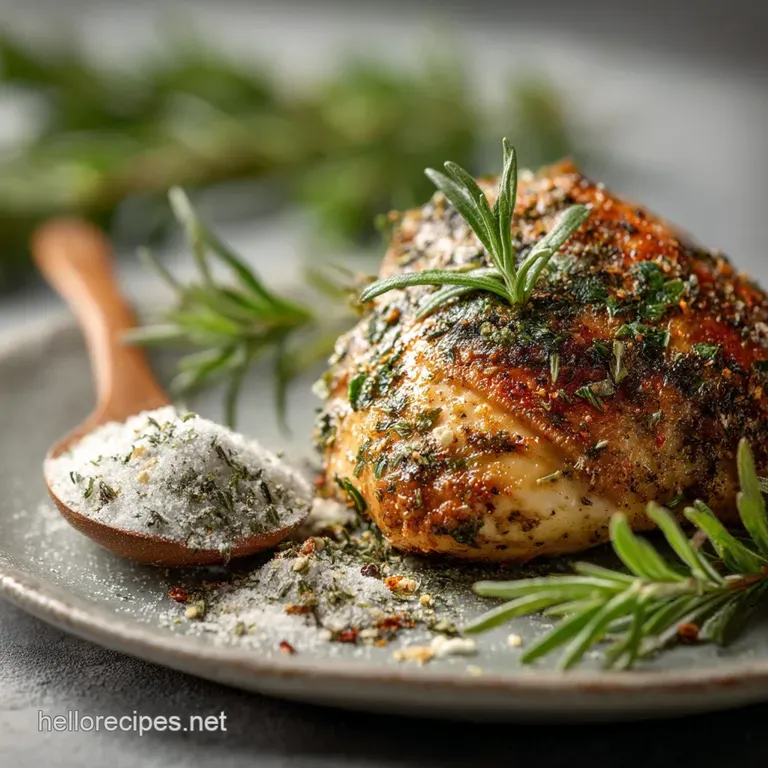
This part is so fast, you’ll spend more time looking for the measuring spoons than actually mixing the Poultry Seasoning !
- Prep the Herbs: Measure your sage, thyme, and marjoram accurately. Crucial step: Gently crush the thyme and rosemary between your palms just above the mixing bowl. This action, called "bruising," starts releasing the aromatic oils immediately.
- Combine Powders and Seeds: Add the celery seed, nutmeg, black pepper, onion powder, and garlic powder to the bowl.
- Mix Thoroughly: Using a small whisk (a mini silicone whisk is perfect for this) or a fork, gently stir all the ingredients. You are aiming for total uniformity, where no single herb dominates visually.
- Test and Adjust: Give it a deep sniff does it need more spice? If you prefer a more aggressive piney note, add a tiny extra pinch of crushed rosemary.
- Storage: Transfer immediately to a clean, air-tight jar. The quicker you seal it, the more essential oils you lock in for later use.
Mastering the Mix: Chef’s Troubleshooting and Advanced Techniques
I’ve made every mistake possible in my kitchen, including making a huge batch of Poultry Seasoning Mix that tasted like saw dust because I used spices that were three years old. Learn from my errors!
Proper Measuring Techniques for Accuracy
When dealing with powerful herbs and spices, accuracy is everything. Use proper measuring spoons. Do not just eyeball it! Always use the scoop and level method: overfill the spoon, then scrape the excess off with the back of a knife to ensure the measurements are level.
This is especially important for strong ingredients like nutmeg or ground celery seed.
The Importance of Grinding and Sifting for Consistency
If you use whole peppercorns or whole celery seeds, grind them right before mixing. Freshly ground spices are staggeringly better. Once everything is mixed, if you notice fine powders (like nutmeg) settling, you can gently push the entire blend through a fine mesh sieve into the storage jar.
This ensures even distribution and prevents those annoying powder clumps.
Equipment Checklist for Efficient Preparation
You really don’t need much, but these items make it smoother:
- A dedicated spice grinder (or a clean coffee grinder used only for spices).
- A small funnel for transferring the mix into storage jars.
- A whisk avoid wooden spoons, as they can absorb the strong sage aroma.
Common Pitfalls: Avoiding a Dusty or Bitter Final Product
The two biggest errors are using too much finely powdered ingredient or being heavy handed with the strong flavors. If your Make Your Own Seasoning recipe tastes bitter, you likely used too much rosemary or nutmeg.
If it feels dusty and chalky, you might have used powdered sage instead of rubbed sage. Fix: To balance bitterness, add a pinch of onion powder and a half teaspoon of sugar (or substitute a sweeter herb like marjoram).
Roasting Herbs for Deeper Flavor Release
This is an advanced technique, but it’s amazing. If you want a deeply complex, slightly smoky Poultry Seasoning , you can gently toast the dried, leafy herbs (sage, thyme, marjoram) in a dry pan over low heat for 30 60 seconds, until you just start to smell them strongly.
Let them cool completely before grinding and mixing with the powders. This process removes residual moisture and unlocks even deeper flavor compounds.
Achieving Uniformity: Mixing Methods That Prevent Settling
Because we have different particle sizes (big rubbed sage vs. fine nutmeg), the mix can settle over time, leaving all the heavy salt or fine powders at the bottom. Tip: Always mix the seasoning in the jar using a vigorous shaking motion, both immediately after preparation and every single time you go to use it.
This prevents flavor imbalance. When I started making [Seasoning Mix Blends: 3 Essential Homemade Recipes for Fresh Flavor], I learned quickly that a good shake is non-negotiable.
Maximizing Shelf Life: Best Practices for Storing Spice Blends
It hurts my heart when I see people storing their spice jars right next to the stove. Heat is the natural enemy of your hard work! If you invest time in making the best Stuffing Seasoning Recipe , you need to treat it right.
The Enemies of Flavor: Light, Air, and Heat Management
Spices lose potency due to oxidation (air), light exposure, and heat fluctuation. Your seasoning should be stored in a cool, dark place a pantry cupboard, ideally on a middle or bottom shelf, far away from the oven. If your storage jar isn't opaque, the light will degrade the color and flavor quickly.
Recommended Containers and Labeling Protocols
Glass jars with tight fitting lids (like small mason jars or dedicated spice jars) are the best bet. Metal tins work well too, as they block light entirely. Mandatory step: Label everything!
Write the name ("Homemade Poultry Seasoning ") and the date you prepared it clearly on the bottom or lid. I promise you, you will forget when you made it otherwise.
Does Homemade Poultry Seasoning Ever Truly Expire?
It doesn't technically expire and make you sick, but it absolutely loses flavor potency. Most commercially mixed spices are considered potent for 6 months to a year, but because your Poultry Seasoning is so fresh, I highly recommend using it within six months for the absolute peak of flavor.
If it smells faded, it’s time to mix a new batch.
Beyond the Roast: Creative Applications for Your Homemade Poultry Rub
Sure, this Poultry Seasoning Substitute is perfect for your main dinner, but it’s so much more versatile than just a roast. Think of it as your all-purpose savory herb blend.
Elevating Stuffing and Dressing Recipes
This is where the mix truly shines. That classic, comforting, herby flavor you associate with holiday stuffing comes directly from sage and marjoram. Use a generous tablespoon or two of this Poultry Seasoning in your bread dressing, sausage meat, or savory vegetable stuffing.
It provides the perfect balance without needing to measure out five separate spices.
Transforming Simple Roasted Root Vegetables
Don’t limit yourself to just the main event! Toss root vegetables (potatoes, carrots, parsnips) with olive oil and a heavy coating of this Poultry Seasoning before roasting. The earthy herbs and warmth from the nutmeg are spectacular on caramelized vegetables.
It offers a huge step up from plain salt and pepper and provides that familiar, deeply satisfying flavor.
Creating Aromatic Brines and Marinades
This blend is fantastic stirred directly into a wet marinade or a brine solution. For a dry brine, mix the Poultry Seasoning generously with kosher salt and sugar, then apply directly to the surface 12– 24 hours ahead of time.
This introduces a deep, foundational flavor profile. If you love exploring different spice flavors, remember that this is just one of many great Herb Seasoning Mixes you can master.
Once you nail this, check out my recipe for [Easy Homemade Southwest Seasoning: 5 Flavorful Ways to Spice Up Dinner!] for a completely different flavor adventure!
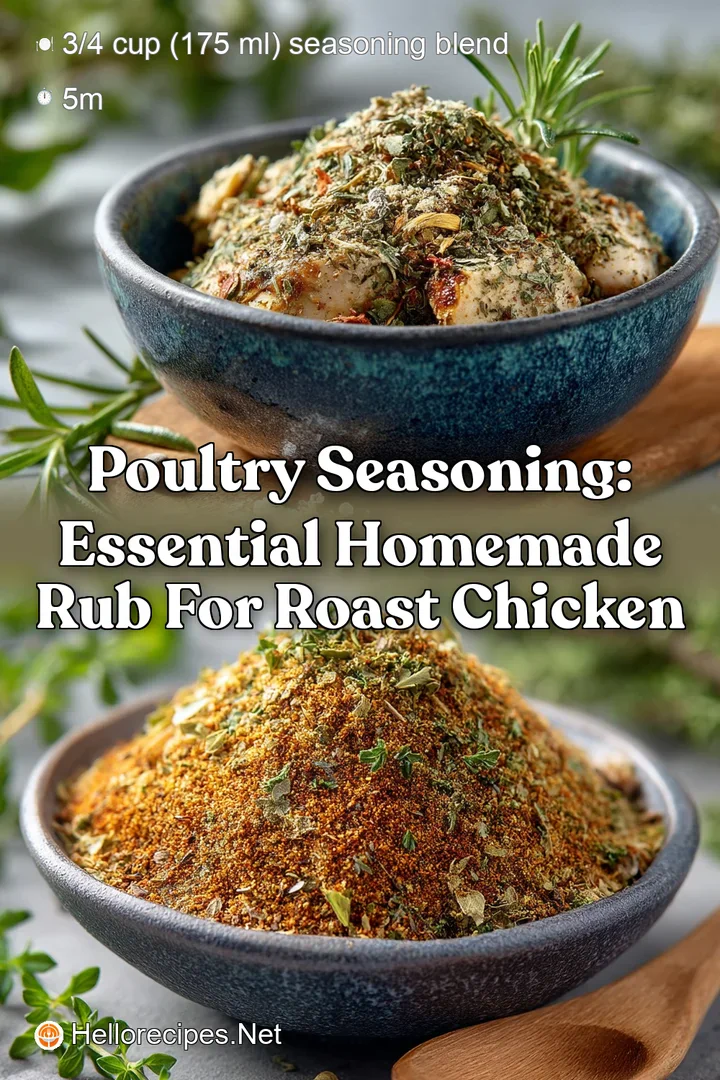
Recipe FAQs
How long will this homemade poultry seasoning stay fresh?
Store this spice blend in a completely airtight container, keeping it away from direct sunlight, heat, or excessive moisture. While ground spices are technically safe indefinitely, they lose potency quickly; for optimal aroma and flavor, aim to use the batch within 6 to 12 months.
Can I use fresh herbs instead of dried ones for this rub?
This recipe is specifically calibrated for dried herbs, as moisture will drastically reduce the shelf life and potency of the spice mix. If you must use fresh herbs immediately for a single application, increase the required quantity by three times to achieve the same intensity of flavor, but the resulting rub cannot be stored.
I want a spicier poultry rub. How do I adjust this recipe?
To introduce a pleasant warmth without overshadowing the herbal base, incorporate one tablespoon of smoked paprika and 1/2 to 1 teaspoon of cayenne pepper. Start small, as spices like sage and marjoram are delicate and are easily overpowered by aggressive heat elements.
My previous homemade seasoning tasted flat what went wrong?
A flat taste usually indicates that your base spices, particularly the thyme and sage, are old and have lost their volatile oils. Ensure you are using high-quality, recently purchased ingredients; if you are grinding the spices yourself, always choose whole spices for maximum flavor retention.
Besides chicken and turkey, what other dishes can benefit from this seasoning?
This versatile blend works beautifully on pork tenderloin and roasted root vegetables like carrots and potatoes. Try mixing a spoonful into ground sausage meat for a flavorful stuffing, or incorporating it into your next batch of homemade biscuits for an aromatic breakfast.
I don't have marjoram. Is there an acceptable substitute?
Marjoram provides a subtle, sweet, and slightly floral depth that is difficult to mimic perfectly. The best alternative is to use 1/2 teaspoon of oregano, as it is in the same family, but add a very small pinch of ground fennel seed to help restore some of the missing sweetness.
Should I toast the dried herbs before blending them?
Generally, you should only toast whole spices before grinding them to unlock their oils, but you should not toast pre-ground spices or dried herbs. Dried herbs and ground powders burn very quickly and will become bitter if heat is applied directly before blending.
Poultry Seasoning Herb Blend
Ingredients:
Instructions:
Nutrition Facts:
| Calories | 5 kcal |
|---|---|
| Fat | 0.5 g |
| Fiber | 0.5 g |
