Portobello Steaks with Avocado Chimichurri
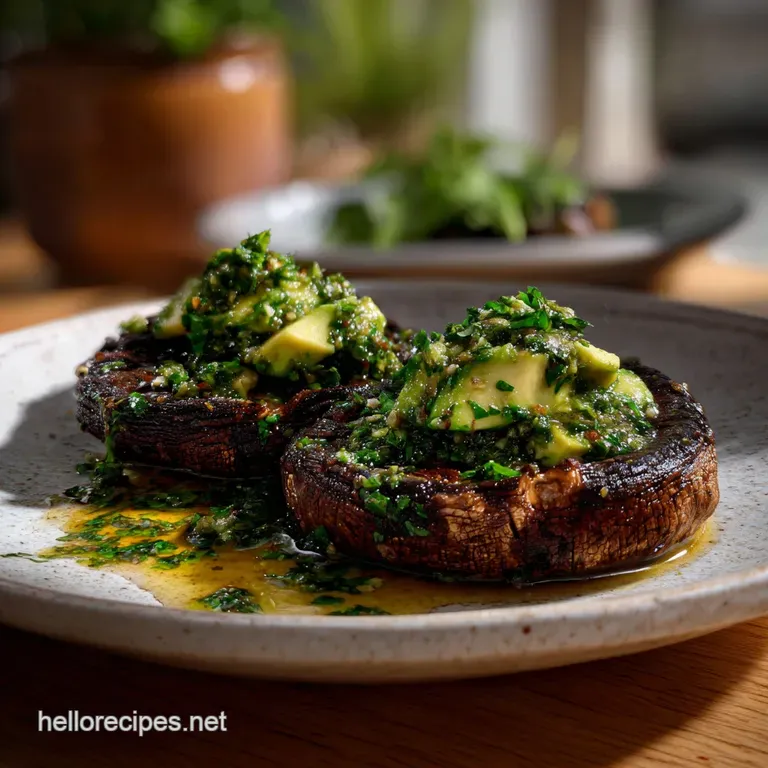
- Time: Active 15 minutes, Passive 12 minutes, Total 27 minutes
- Flavor/Texture Hook: Smoky charred exterior with a velvety, zesty finish
- Perfect for: Sustainable weeknight dinners or a centerpiece for meatless grilling
- Smoky Seared Portobello Steaks with Avocado Chimichurri
- Science of Flavor Layering Techniques
- Critical Performance Metrics and Data
- Gastronomy of Plant Based Umami
- Precision Tools for Success
- Executing the Perfect Mushroom Sear
- Troubleshooting Your Meatless Steaks
- Innovative Variations and Adaptations
- Preservation and Zero Waste
- Curated Combinations for Meals
- Comparison of Component Methods
- Flavorless Fungi and Other Fables
- Recipe FAQs
- 📝 Recipe Card
The sizzle of a heavy Lodge cast iron skillet hitting a cold mushroom cap is one of the most satisfying sounds in a modern kitchen. I remember the first time I tried to make "steaks" out of vegetables.
It was a disaster, honestly, don't even bother with over low heat poaching or steaming if you want that meaty satisfaction. I ended up with a plate of grey, rubbery sponges that lacked any depth.
It was a failure of technology and technique, but it taught me that plant based gastronomy requires just as much precision as a prime ribeye.
We are moving past the era where vegetarian options are an afterthought. This recipe focuses on maximizing the Maillard reaction on a non animal protein while using an innovative avocado based fat profile to replace the traditional butter basting.
By treating the mushroom as a structural canvas, we can build layers of smoke and acid that satisfy even the most skeptical diners.
Right then, let's crack on. We’re going to look at why mushrooms behave the way they do under pressure and how we can use a simple red wine vinegar and parsley emulsion to cut through the density of the fungi. You’ll get a smoky, charred result that feels intentional and sophisticated.
Trust me on this, the secret is all in the moisture management.
Smoky Seared Portobello Steaks with Avocado Chimichurri
This specific method relies on the innovative application of over high heat conductive energy to create a crust that mimics the texture of seared protein. By using 4 Large Portobello Mushroom Caps that have been properly cleaned and de stemmed, we create a flat surface area that maximizes contact with the pan.
The inclusion of 2 tbsp Avocado Oil is critical because of its high smoke point, allowing us to reach the temperatures necessary for flavor development without the oil breaking down into acrid compounds.
Science of Flavor Layering Techniques
Understanding the chemistry of your ingredients changes how you cook them. Mushrooms are unique because their cell walls are made of chitin, not cellulose like most vegetables. This means they don't turn into mush as easily, but they do hold a massive amount of water that we need to address.
- Chitin Stability: Unlike the pectin in a carrot, chitin doesn't break down quickly under heat, allowing the mushroom to maintain a "meaty" bite even after intense searing.
- Maillard Reaction: The 1 tsp Smoked Paprika and 1 tsp Garlic Powder interact with the amino acids in the mushroom to create hundreds of new flavor compounds when exposed to temperatures above 285°F.
- Enzymatic Browning Inhibition: The 2 tbsp Red Wine Vinegar in the sauce provides an acidic environment that prevents the 1 Large Ripe Avocado from oxidizing, keeping the sauce vibrant.
- Hydrophobic/Hydrophilic Balance: The 0.5 cup Extra Virgin Olive Oil acts as a carrier for the fat soluble compounds in the 0.25 tsp Red Pepper Flakes, ensuring the heat is distributed evenly across the palate.
Critical Performance Metrics and Data
Before we get the skillet hot, let's look at the baseline data for this dish. This isn't just a list of numbers; it's the framework for your success in the kitchen.
| Metric | Target Value | Significance |
|---|---|---|
| Surface Temperature | 425°F - 450°F | Necessary for immediate moisture evaporation |
| Scoring Depth | 1/8 Inch (3mm) | Increases surface area for spices to penetrate |
| Mince Precision | 1/16 Inch (1.5mm) | Releases essential oils from parsley without bruising |
When working with Steaks with Avocado Chimichurri, these precision points ensure the final product isn't soggy. If your pan is too cold, the mushroom will simply steam in its own juices, resulting in a rubbery texture rather than a crisp one.
Gastronomy of Plant Based Umami
The selection of components in this recipe isn't random. Each item serves a specific function in the structural and chemical makeup of the meal. Using a high-quality Chosen Foods Avocado Oil provides the neutral, over high heat base we need for the sear, while the Colavita Extra Virgin Olive Oil in the sauce adds the peppery, fruity notes that define a great chimichurri.
| Ingredient | Science Role | Pro Secret |
|---|---|---|
| Portobello Cap | Moisture rich protein substitute | Wipe with a damp cloth; never soak in water or it will bloat |
| Smoked Paprika | Volatile aromatic compound | Bloom the spice in the oil for 30 seconds to wake up the oils |
| Red Wine Vinegar | Protein denaturant/Acid | Use a high-quality vinegar (6% acidity) to cut through the avocado fat |
| Garlic Paste | Allicin release | Grate the garlic on a microplane to break every cell wall for max pungency |
Precision Tools for Success
To achieve professional results, you need the right technology. I prefer a 12 inch Lodge Cast Iron Skillet because of its thermal mass; it won't drop in temperature when you add the cold mushrooms.
A Global G-2 Chef's Knife is my go to for mincing the parsley because the thin blade prevents the herbs from oxidizing and turning black.
You will also need a Microplane Classic Zester for the garlic. Smashing garlic with a knife is fine for a stew, but for a raw sauce like this, we want a fine paste that emulsifies into the oil and vinegar.
Finally,, a heavy weighted press or even another smaller skillet can be used to apply pressure during the sear, forcing out excess moisture and ensuring total surface contact.
Executing the Perfect Mushroom Sear
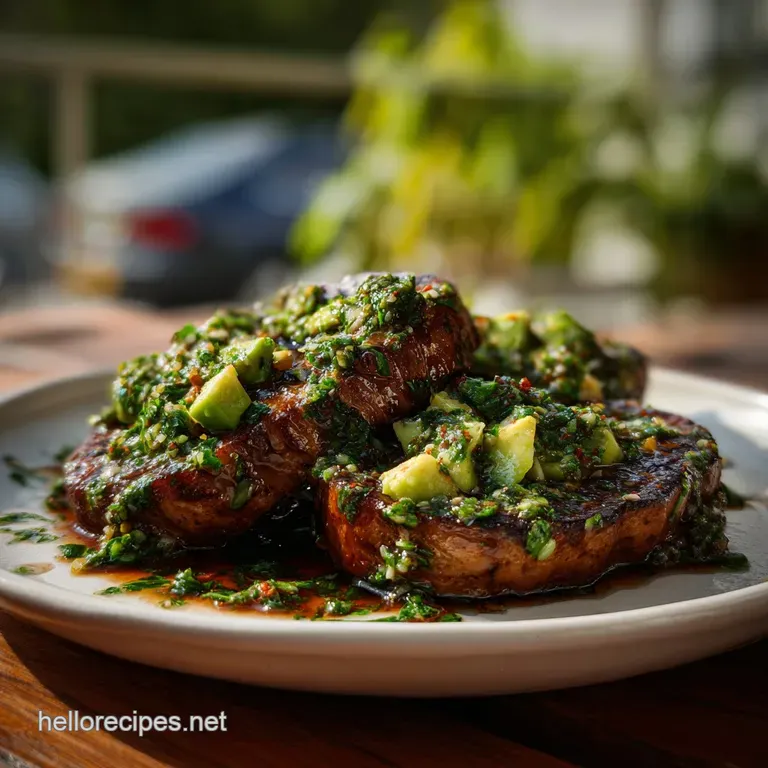
Preparation is the soul of gastronomy. We start with the 4 Large Portobello Mushroom Caps. If you want a deeper flavor, similar to the technique used in a Steak and Chimichurri recipe, you must treat the mushroom with the same respect as a piece of beef.
3 Components for the Mushroom Steaks
The base of the dish requires 2 tbsp Avocado Oil, 1 tsp Smoked Paprika, 1 tsp Garlic Powder, 0.5 tsp Sea Salt, and 0.5 tsp Cracked Black Pepper. These dry spices form a crust when they hit the hot fat.
6 Elements for the Avocado Chimichurri
For the sauce, gather 1 Large Ripe Avocado (diced), 1 cup Fresh Italian Parsley (minced), 3 cloves Garlic (paste), 2 tbsp Red Wine Vinegar, 0.5 cup Extra Virgin Olive Oil, and 0.25 tsp Red Pepper Flakes.
1. Prep the Fungi
Gently remove the stems from the Portobello caps. Use a spoon to scrape out the dark gills if you want a cleaner presentation, though I usually leave them for the extra umami they provide. Pat the caps bone dry with a paper towel. Score the top of the caps in a diamond pattern, about 1/8 inch deep.
Why this? Increases surface area for seasoning and heat penetration.
2. The over High heat Sear
Heat your cast iron skillet over medium high heat until a drop of water flicked onto it dances and evaporates instantly. Add the 2 tbsp Avocado Oil. Rub the 4 Portobello caps with the mixture of smoked paprika, garlic powder, salt, and pepper. Place them in the pan, top side down.
3. Apply Constant Pressure
Place a heavy press or another skillet on top of the mushrooms. Cook for 5 to 6 minutes. Wait until the edges are dark brown and the mushroom has shrunk by 20%. Flip the caps. The top should be charred and almost crisp. Cook for another 4 to 5 minutes on the gill side.
4. Assemble the Avocado Chimichurri
While the mushrooms sear, whisk together the parsley, garlic paste, red wine vinegar, olive oil, and red pepper flakes in a glass bowl. Just before serving, gently fold in the diced 1 Large Ripe Avocado. Note: Adding the avocado last prevents it from becoming a mushy paste.
5. The Final Rest
Remove the mushrooms from the pan and let them rest on a cutting board for 2 minutes. This allows the internal juices to redistribute, much like a meat steak. If you cut into them immediately, the liquid will run out, leaving the interior dry.
6. Final Plate Assembly
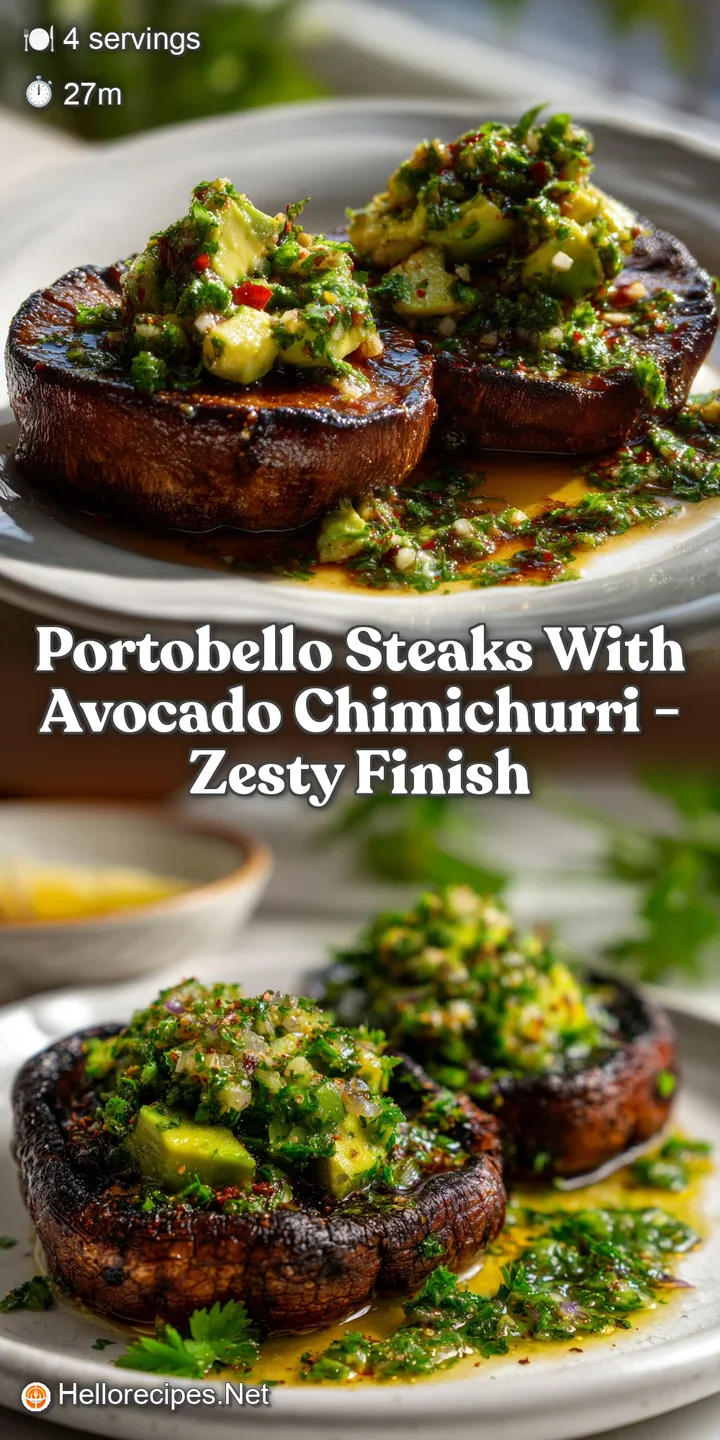
Slice the Portobello caps on a bias into thick strips. Arrange them on a plate and spoon a generous amount of the Avocado Chimichurri over the top. The contrast between the hot, smoky mushroom and the cold, acidic sauce is the hallmark of this dish.
Troubleshooting Your Meatless Steaks
Even with the best technology, variables like mushroom age or stove calibration can cause issues. But what about the sogginess? That's usually the biggest hurdle we face.
Mushrooms Releasing Too Much Water
If your mushrooms are swimming in liquid, your pan wasn't hot enough. Mushrooms are nearly 90% water. If the heat isn't high enough to evaporate that moisture as it's released, the mushroom will boil.
Chef's Tip: If this happens, remove the mushrooms, wipe the pan, add fresh oil, and wait until it's smoking before putting them back in.
Chimichurri Turning Brown
This is a chemical reaction. The chlorophyll in the parsley and the enzymes in the avocado react with oxygen.
| Problem | Cause | Fix | Pro Tip |
|---|---|---|---|
| Dull Green Sauce | Oxidation | Add more vinegar | Keep the pits in the sauce until serving |
| Bitter Flavor | Bruised Parsley | Use a sharper knife | Never use a food processor for chimichurri |
| Oily Separation | Lack of Emulsion | Whisk harder | Add a tiny pinch of mustard to bind |
Rubbery Texture
If the "steak" feels like a tire, it’s likely undercooked or wasn't pressed. The pressure is what breaks down the internal structure just enough to make it tender while the high heat crisps the exterior. Ensure you are using a weight during the first 5 minutes of cooking.
Innovative Variations and Adaptations
This recipe is a foundation. Once you understand the mechanics of the sear and the acid fat balance of the sauce, you can adapt it to various flavor profiles. You might even consider pairing it with a side from our Portobello Steaks with recipe for a fully plant based feast.
The Mediterranean Twist
Swap the red wine vinegar for lemon juice and add 1 tbsp of capers to the chimichurri. Use dried oregano instead of smoked paprika on the mushrooms. This shifts the flavor profile from South American to a bright, coastal vibe.
The Spicy Tex Mex Variation
Add a charred jalapeño to the sauce and replace the smoked paprika with a blend of cumin and chili powder. This version works exceptionally well when served with corn tortillas and a squeeze of lime.
Keto Friendly Swap
This dish is naturally low in carbohydrates, but you can increase the healthy fat content by using 1.5 avocados and reducing the parsley. It’s an excellent way to get high-quality fats into a ketogenic diet without relying on heavy cream or cheese.
Low Sodium Adjustment
To reduce salt without losing flavor, double the amount of garlic and add a teaspoon of nutritional yeast to the mushroom rub. The yeast provides a savory, "cheesy" umami hit that mimics the effect of salt.
Preservation and Zero Waste
In a sustainable kitchen, nothing goes to waste. The Portobello stems that you removed at the start? Don't throw them away. Mince them finely and sauté them with onions to start a base for a soup or a pasta sauce later in the week.
Storage: Store the seared mushrooms and the chimichurri separately. The mushrooms will last in an airtight container in the fridge for up to 3 days. However, the avocado in the chimichurri will begin to oxidize after 4 hours, even with the acid.
If you plan to have leftovers, only add the avocado to the portion you are eating immediately.
Freezing: I do not recommend freezing the finished dish. The cellular structure of the mushroom collapses when frozen, and the avocado becomes watery and grey. This is a dish best enjoyed fresh.
Reheating: To maintain the crisp exterior, reheat the mushroom caps in a toaster oven at 350°F for 5 minutes or back in a dry skillet. Avoid the microwave, as it will turn the mushrooms into the rubbery sponges we worked so hard to avoid.
Curated Combinations for Meals
What you serve alongside your Steaks with Avocado Chimichurri is just as important as the main event. You want sides that provide a textural contrast something crunchy or something creamy to balance the char.
- Polenta or Grits: The creamy, smooth texture of stone ground corn is the perfect bed for the sliced mushrooms.
- Quinoa Salad: A cold, grainy salad with cucumber and radish provides a refreshing crunch that cleanses the palate between bites of the rich avocado sauce.
- Grilled Asparagus: Since your skillet (or grill) is already hot, throw some asparagus spears on. The char on the vegetables complements the smokiness of the paprika.
Comparison of Component Methods
Sometimes you might be tempted to take a shortcut. Let’s look at how the fresh approach compares to the common kitchen shortcuts people often try.
| Feature | Fresh Gastronomy Method | Jarred/Shortcut Method |
|---|---|---|
| Texture | Shatter crisp exterior with juicy core | Soft, uniform, and often slimy |
| Aromatics | High volatile oils from fresh parsley | Muted, "dried herb" flavor profile |
| Fat Quality | Healthy monounsaturated fats | Often contains preservatives or seed oils |
Decision Shortcut: If you want a Deep Smoky Flavor: Increase the smoked paprika and sear in a cast iron skillet. If you want a Brighter, Tangier Sauce: Add an extra tablespoon of red wine vinegar and a zest of lime.
If you want a Meatier Bite: Do not remove the gills and use the heaviest weight possible while searing.
Flavorless Fungi and Other Fables
There are several myths about cooking mushrooms that need to be debunked to improve your culinary technology.
Myth 1: You must never wash mushrooms with water. While you shouldn't soak them, a quick rinse or a wipe with a damp cloth is perfectly fine. The idea that they act like a sponge and absorb cups of water from a 10 second rinse is an exaggeration. Just make sure they are dry before they hit the oil.
Myth 2: Mushrooms should be salted at the beginning. Actually, salting too early draws out moisture before the sear can set. For the best "steak" result, we salt the surface just before it hits the pan to help create that crust, but we don't marinate them in salt for hours.
Myth 3: High heat burns mushrooms. Because of the chitin mentioned earlier, mushrooms are incredibly heat resistant. You can hit them with much higher temperatures than you would a steak or a piece of fish without them turning into carbon.
This over high heat tolerance is exactly what we use to build those innovative flavor layers.
By applying these scientific principles and focusing on the precision of your sear, you can turn a simple fungus into a masterpiece of plant based gastronomy. The combination of Avocado Chimichurri and a perfectly charred Portobello isn't just a meal; it's a demonstration of how far we've come in understanding the potential of vegetable centric cooking.
Enjoy the sizzle!
Recipe FAQs
How can I ensure the Portobello mushrooms sear instead of steam?
Yes, preheat aggressively. You must use a high smoke point oil, like avocado oil, and ensure your cast iron skillet reaches 425°F to 450°F before the mushrooms make contact. A hot pan immediately evaporates the mushroom's released moisture, creating the desired crust.
Can I make the Avocado Chimichurri ahead of time?
No, not completely. You can prepare the herb and oil base up to 24 hours in advance, but wait to fold in the diced avocado until just before serving. This prevents the avocado from oxidizing and turning brown due to air exposure.
What is the purpose of scoring the mushroom caps?
It increases surface area for flavor and heat transfer. Scoring the top surface about 1/8th of an inch deep allows the spices to penetrate deeper and gives the Maillard reaction more contact area, resulting in a better overall texture.
My chimichurri turned brown; what acidic component did I miss?
You likely needed more acid to inhibit oxidation. The Red Wine Vinegar is crucial not just for flavor balance but also for providing an acidic environment that slows down the enzymatic browning of the avocado and parsley. If you want a similar vibrant green sauce in another context, look at how we balance acid in My Bold Bright best chimichurri recipe Gaucho Approved.
Can I substitute the Portobello mushrooms with another vegetable?
Yes, but texture management will change. While you can use other firm vegetables, Portobellos are ideal because their chitin structure holds up to high heat searing. If you are interested in similar vegetable techniques focusing on high heat crust development, review our methods for Cabbage Steaks: Ultra Crispy Roasted Recipe with Parmesan Paprika.
How long should the seared mushrooms rest before slicing?
A minimum of 2 minutes of rest is required. Resting allows the internal juices, which have been pushed to the exterior by the intense heat, to redistribute back into the mushroom flesh. Skipping this step results in a dry bite as the liquid escapes onto the cutting board.
Is this dish suitable for freezing leftovers?
No, freezing is not recommended for quality retention. The high water content of the mushroom collapses upon thawing, resulting in a very poor, rubbery texture, and the avocado in the chimichurri becomes watery. This dish is best eaten fresh the day it is prepared.
Portobello Steaks Chimichurri
Ingredients:
Instructions:
Nutrition Facts:
| Calories | 412 kcal |
|---|---|
| Protein | 3.3 g |
| Fat | 41.5 g |
| Carbs | 8.8 g |
| Fiber | 3.8 g |
| Sugar | 1.2 g |
| Sodium | 310 mg |
