The Ultimate Herb-Crusted Prime Rib Roast for a Perfect Sunday
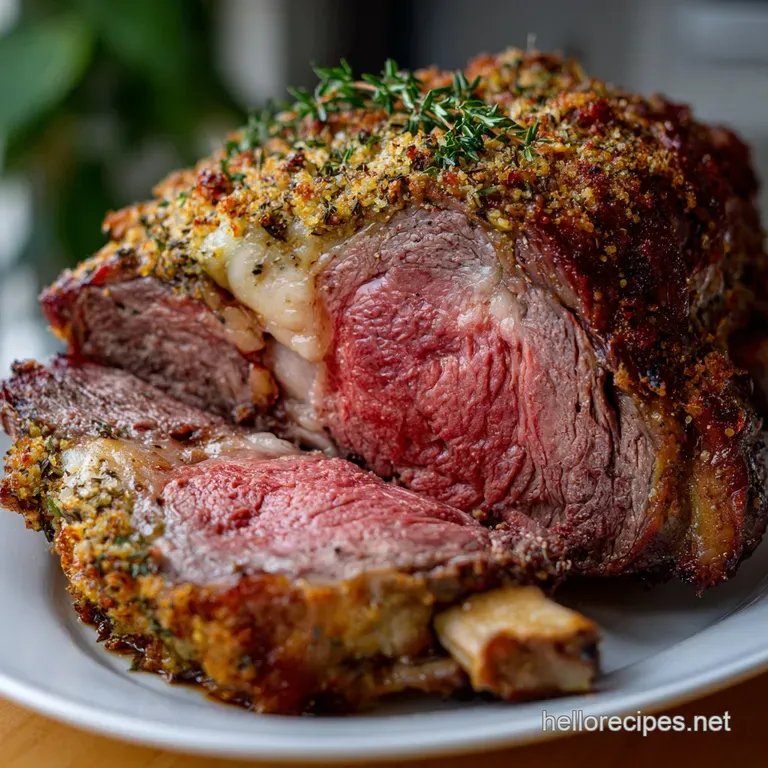
- The Ultimate Guide to Mastering a Bone-In Standing Rib Roast
- Why the Reverse-Sear Method Guarantees the Perfect Prime Rib
- Sourcing and Prepping the Magnificent Roast
- Building the Herb Crust: Necessary Ingredients and Flavor Profiles
- The Detailed Method: From Seasoning to Slicing
- Internal Temperatures and Timing: Achieving Your Ideal Doneness
- Troubleshooting Common Prime Rib Roasting Mistakes
- Recipe FAQs: Prime Rib Roast
- 📝 Recipe Card
The Ultimate Guide to Mastering a Bone-In Standing Rib Roast
There is nothing quite like the sensory experience of pulling a fully roasted Prime Rib Roast from the oven. That aroma a deep, complex mix of seared fat, fresh herbs, and savory garlic fills the entire house, instantly signaling that something magnificent is about to happen.
You hear the crust crackle faintly as it rests, promising a decadent, crunchy bite outside the buttery soft interior.
I know, cooking a massive Prime Rib Roast feels terrifying the first time; it’s expensive, and the stakes feel incredibly high, especially if you have guests coming over. But honestly? It’s far simpler than it looks, relying mostly on patience and proper temperature management.
My method simplifies the technique, taking away the guesswork, so you spend less time stressing and more time enjoying that first perfect slice of medium rare heaven.
This is the ultimate, non-negotiable guide to getting it right, focusing on the reverse sear method to achieve the perfect pink, edge-to-edge doneness. We're going to use this phenomenal "prime rib roast recipe ovens" method that ensures success every single time, even for beginner cooks looking to impress.
Let's crack on and elevate your holiday table.
Why the Reverse Sear Method Guarantees the Perfect Prime Rib
Reverse searing is a game changer precisely because it prioritizes the slow, gentle cooking of the interior before the over high heat final blast. Traditional roasting often starts hot, creating that awful, gray, overcooked "bullseye" around the edges before the centre is done.
My reverse sear technique fixes that problem completely.
Understanding the Cut: What is a Standing Rib Roast?
A standing rib roast is cut from the primal rib section of the steer, covering ribs six through twelve. Typically, it features extensive marbling and a glorious external fat cap, which melts down during cooking to baste the meat and create flavor.
When we talk about a Prime Rib Roast , we are generally talking about a roast that is cut with the bone still attached, which adds flavor and insulation.
The Culinary Drama: Why This Roast is the Ultimate Centrepiece
This isn't just a meal; it's a spectacle! You get that incredible variation in texture the juicy, soft meat, the melting fat, and the incredibly textural herb "bark" we create with coarse salt.
It takes minimal active work, but the payoff is monumental, making the effort worthwhile when you see the delighted faces of your guests. I started making the reverse sear method after I messed up a classic slow roast one year (totally my fault, I pulled it too early!), and now I stick to this tried and true method.
The Science of Searing: Achieving that Beautiful, Uniform Pink
The secret to edge-to-edge perfection lies in low and slow cooking. Because we cook the entire Prime Rib Roast at a low temperature first (around 250°F / 120°C), the heat penetrates slowly and evenly.
By the time the internal temperature reaches, say, 120°F (for rare), the exterior has barely cooked, resulting in an even, beautiful rose colour from the outer edge inward. The searing happens right at the end, providing that irresistible crust without overcooking the delicate meat beneath.
The Crucial 48 Hours: Planning and Preparation for Success
Successful prime rib isn't about the two hours it spends in the oven; it's about the time you spend prepping beforehand. The most critical step? Drying the exterior. I strongly recommend having your Prime Rib Roast chilling uncovered in the fridge for at least 6 hours, maybe up to 48 hours, after a preliminary salting.
This allows the exterior surface moisture to evaporate (the technical term is pellicle formation), which is what guarantees the crispiest, crunchiest crust possible in the oven.
Sourcing and Prepping the Magnificent Roast
Getting your hands on a quality roast is key. Ask your butcher for a certified Prime grade, if your budget allows; otherwise, Choice grade is perfectly acceptable, but make sure the marbling looks generous.
| Ingredient | US Measure | Metric Measure | Substitute/Tip |
|---|---|---|---|
| Beef Rib Roast (3 Ribs) | 7 9 lbs | 3.2 4.1 kg | Tip: Have the butcher cut the bones off and tie them back on (a "tied and trimmed" roast). |
| Coarse Kosher Salt | 3 Tbsp | 45 g | Use non-iodized sea salt if kosher is unavailable. Avoid table salt! |
| Fresh Black Pepper | 1 Tbsp | 15 ml | Always grind fresh; pre-ground lacks pungent flavour. |
| Fresh Rosemary (chopped) | 2 Tbsp | 30 ml | Substitute with 1 Tbsp dried rosemary, but fresh is vastly superior. |
| Fresh Thyme (chopped) | 1 Tbsp | 15 ml | Can use dried oregano in a pinch, though the profile changes significantly. |
| Minced Garlic | 6 large cloves | 6 large cloves | Use garlic powder (1 Tbsp) if you absolutely must, but fresh provides the best aromatic crust. |
| Vegetable Oil (high smoke point) | 2 Tbsp | 30 ml | Substitute: Ghee or clarified butter works beautifully and adds rich flavour. |
Building the Herb Crust: Necessary Ingredients and Flavor Profiles
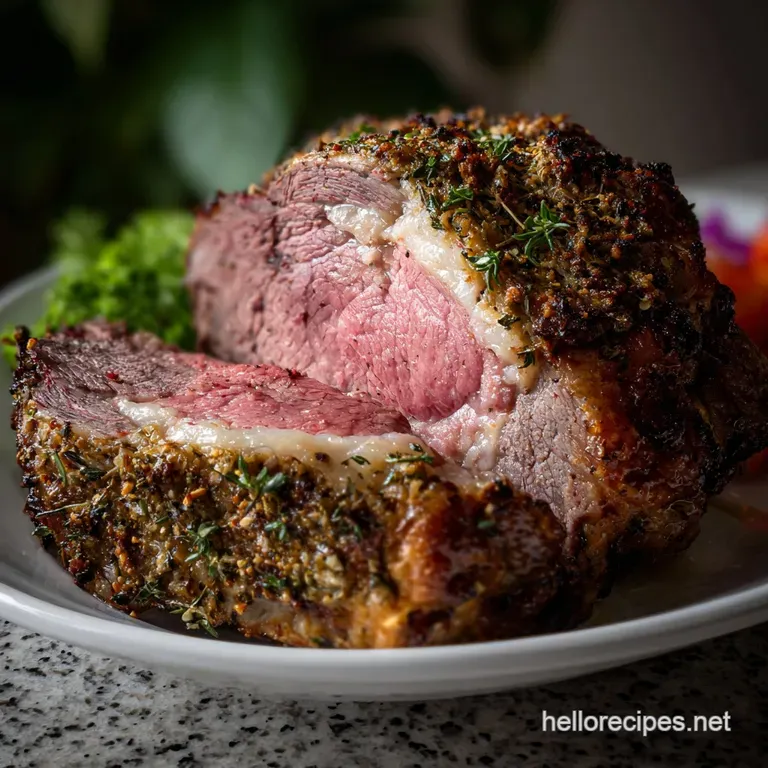
The crust is the savory armour of this beautiful cut, and it provides everything the reverse sear needs: texture, aroma, and salt content. Do not be shy with the salt; this is a large, thick piece of meat that needs significant seasoning penetration.
Bone-in vs. Boneless: A Butcher’s Guide to Prime Rib Selection
I’m a bone-in purist when making a Prime Rib Roast . The bone acts as a natural insulator, protecting the bottom portion of the meat from the aggressive heat. Plus, the bones themselves are fantastic for creating a rich au jus or stock later.
If you must use boneless (perhaps for easier carving), choose one that is tied securely with kitchen twine, ensuring it maintains a uniform shape for even cooking.
Essential Equipment: The Mandatory Meat Thermometer
If you take only one piece of advice from this entire "rib roast recipe ovens" guide, it should be this: You cannot cook this roast without a reliable digital probe thermometer. I repeat, do not guess! When cooking something this expensive, precision matters.
A probe thermometer lets you watch the internal temperature continuously without opening the oven door, keeping that beautiful Prime Rib Roast safe at all times.
Understanding the Salt Ratio: Ensuring Deep Flavor Penetration
We use coarse salt, not fine table salt, because it draws surface moisture out and then forms a thick, deeply flavoured crust without dissolving too quickly. The ratio in the recipe is perfect for a 7 9 lb roast.
If you use less salt, the Prime Rib Roast will taste bland, and the crust won't develop correctly. The salt also contributes to the preservation of moisture inside the meat.
The Best Fats for a over High heat Crust (Ghee vs. Oil)
My recipe calls for standard vegetable oil as a binder for the herb crust simply because it has a high smoke point (crucial for the initial high temp sear). However, if you want maximum richness, use ghee or clarified butter.
Ghee burns much less easily than regular butter and provides a nutty depth that complements the garlic and rosemary perfectly.
Herb Variations: Classic Rosemary, Thyme, and Garlic Blend
The combination of rosemary, thyme, and garlic is a classic for a reason; it stands up beautifully to the richness of the fat. But feel free to experiment! You could add finely chopped fresh oregano, or maybe a tiny pinch of smoky paprika for color and warmth. You can also check out my deeper dive into the technique over at Ribeye Roast Perfect Garlic Herb Prime Rib (Reverse Sear) for an even more intense herb variation.
The Detailed Method: From Seasoning to Slicing
This process ensures maximum tenderness and minimizes the risk of shrinkage or drying out the meat.
Step 1: Tempering the Roast (The Unskippable Hour)
Do not put a cold roast into the oven! When you start the cooking process with a very cold interior, the outer edges cook aggressively before the centre even begins to warm up. Remove the Prime Rib Roast from the fridge and leave it on the counter for at least 1– 2 hours.
This helps ensure even temperature, especially when aiming for a perfect Medium Rare.
Step 2: The Slow and Low Cook: Initial Oven Phase
- Preheat & Sear: Set your oven to a blazing 475°F (240°C). Place the herbed roast on a rack, fat cap side up, and sear for 15 minutes exactly. Listen for that aggressive sizzle that’s the crust setting!
- Drop Temperature: Immediately, without opening the door, drop the oven temperature down to a mellow 250°F (120°C).
- Insert Probe: Insert your thermometer probe into the thickest part of the meat, avoiding any bone. Continue slow roasting. Cooking time will vary immensely depending on the size of your roast, but budget 13– 15 minutes per pound from here until it hits the target temperature.
Chef's Note: If using the bone rack, make sure the tied bones are underneath the meat; this keeps the bottom edge of your Prime Rib Roast moist and off the hot pan.
Step 3: The Rest Period Protection and Juiciness
When the thermometer hits your target removal temperature (see chart below), pull it out. Transfer the roast, still on the rack, to a clean cutting surface. Tent it loosely with foil. This is mandatory.
The 30 45 minute rest allows the protein fibres to relax and absorb the released juices, ensuring every slice is moist. Skipping the rest means serving dry, tough meat, no matter how perfectly you cooked it.
Step 4: The over High heat Final Sear (Creating the Bark)
Wait, didn't we already sear? Yes, but now we're doing the ultimate finish. If your crust has softened during the rest (which often happens), or if you decided to skip the initial over high heat blast, you can run a final over high heat sear.
Crank the oven back up to 475°F (240°C) and pop the roast in for 5– 10 minutes after resting just long enough for the crust to crisp up again.
Internal Temperatures and Timing: Achieving Your Ideal Doneness
Remember the roast will continue cooking out of the oven due to retained heat (carryover cooking). Always pull it 5 10° F before the desired final temperature.
| Doneness | Pull from Oven Temp | Final Temp (After Rest) | Time Estimate (per lb at 250°F/120°C) |
|---|---|---|---|
| Rare | 120°F (49°C) | 125°F (52°C) | 13 15 min |
| Medium Rare (Recommended) | 125°F (52° C) | 135°F (57° C) | 15 18 min |
| Medium | 135°F (57°C) | 145°F (63°C) | 18 20 min |
Identifying Carryover Cooking and Resting Safely
Carryover cooking is the magical phenomenon that raises the internal temperature while the roast rests. For a large Prime Rib Roast , this is usually about 5 10 degrees. The foil tent helps moderate this temperature rise and keep the heat centralized.
If you pull it out at 135°F hoping for Medium, you’ll end up with a Medium Well roast, which is a tragedy.
How to Carve Against the Grain Like a Professional Chef
Once rested, transfer the roast to a clean cutting board. If the bones were tied on, slide a sharp knife between the meat and the bone and remove the strings before trying to carve. Now, always slice against the grain . The "grain" is the direction the muscle fibres run.
Slice across these fibres into thick, juicy slices (about 1/2 to 3/4 inch thick).
Troubleshooting Common Prime Rib Roasting Mistakes
When making any "prime rib roast in oven," even the best cooks sometimes run into problems. Learn from my early, sad mistakes! This section will ensure your Prime Rib Roast experience is flawless.
Why Is My Roast Gray? (Avoiding the Overcooked Ring)
If your slices have a thick band of gray meat around the rosy center, you started cooking the roast when it was too cold, or you cooked it at too high a temperature for too long. This is why the tempering step (bringing it to room temperature) and the low and slow portion of the reverse sear are so critical.
It minimizes the temperature difference between the edges and the center.
Saving Undercooked Meat: Techniques for a Quick Fix
Say you carved it too early (rookie mistake!) and the centre is more rare than you or your guests prefer. Do not despair! Slice the undercooked sections and place them individually on a foil lined baking sheet. Return them to a hot oven (400°F / 200°C) for just a few minutes until they hit the desired temp.
They won't look as pretty as the reverse seared slices, but they’ll be cooked safely.
From Leftovers to Lunch: Proper Storage and Reheating
If you still have leftover slices of your beautiful Prime Rib Roast , store them tightly wrapped in the refrigerator; they'll last 3 4 days. Alternatively, you can pre-slice and freeze them, tightly vacuum sealing them first.
To reheat without compromising the flavour or texture, place a bit of au jus or broth in the bottom of a pan, add the slices, cover tightly with foil, and warm slowly in a moderate oven (300°F/150°C) until just warmed through.
Beyond Gravy: Ideal Sauces and Accompaniments
While a deep, savory au jus made from the pan drippings is mandatory, you should also consider a sharp, spicy counterpoint. Creamy horseradish sauce is the classic pairing. It cuts through the richness of the fat beautifully.
I also love to serve my Prime Rib Roast with a vibrant chimichurri or if I'm feeling fancy a red wine reduction sauce.
The Best Potato Preparations to Complement the Richness
Forget simple boiled potatoes. This decadent roast deserves dramatic sides. You absolutely must have Yorkshire Puddings (which should be crispy, tall, and magnificent). For an earthy element, my Cooked Turnips: Honey Glazed Roasted Turnips with Thyme recipe offers a unique, sweet contrast to the savory meat. Alternatively, a classic creamy potato gratin baked while the meat is resting provides a rich, contrasting texture.
Selecting the Perfect Red Wine Pairing
Because of the high fat content and powerful herb crust of the Prime Rib Roast , you need a bold wine that can stand up to it. Look for a strong, structured Cabernet Sauvignon (the classic choice), or perhaps a deep Barolo.
The tannins in the wine bond with the fats in the cut, making both the wine and the meat taste smoother and richer. This specific prime rib roast recipe oven method ensures maximum flavour, so don't skimp on the wine pairing!
Recipe FAQs: Prime Rib Roast
What happens if I skip bringing the roast to room temperature before cooking?
Skipping this crucial step, typically 2-3 hours out of the fridge, results in uneven cooking. The outside will overcook while the interior remains cold, making it nearly impossible to achieve a consistent medium rare from edge to edge.
How do I troubleshoot if my Prime Rib is dry even though I hit the right internal temperature?
Dryness, despite correct finishing temperature, usually indicates insufficient resting time or selecting a very lean cut. You must tent the roast loosely with foil and let it rest for 20-30 minutes minimum so the juices redistribute, ensuring a tender, moist result.
Can I use the reverse sear method (low temperature, then high crust) for this roast?
Absolutely, the reverse sear method is often preferred for prime rib as it minimizes the gray band beneath the crust. Cook at 250°F until you hit 10°F below your target temperature, then crank the oven to 500°F for 8-10 minutes to create the perfect crust immediately before serving.
Is it necessary to use a rib roast with the bone-in, or can I use a boneless roast?
While bone-in roasts offer richer flavor and act as natural insulation, a quality boneless roast works fine. If using boneless, be sure to truss it tightly with butcher twine to help the roast retain its shape and cook more evenly.
What should I do with the remaining roast meat and how long will it keep?
Leftover prime rib should be tightly wrapped and refrigerated, where it will safely keep for 3 to 4 days. Consider slicing the meat thinly for outstanding cold sandwiches or quickly reheating slices in hot au jus to maintain moisture.
Can I freeze leftover cooked prime rib, and what is the best way to reheat it?
Yes, you can freeze leftovers; slice it first, wrap it tightly, and freeze for up to three months. To reheat, thaw the meat overnight and warm it gently in residual cooking juices (au jus) or beef broth in a low-temp oven (around 300°F) until just warm, avoiding high heat which will dry it out.
Perfect Herb Crusted Prime Rib Roast
Ingredients:
Instructions:
Nutrition Facts:
| Calories | 729 kcal |
|---|---|
| Protein | 31.0 g |
| Fat | 66.0 g |
| Carbs | 1.0 g |
