Spaghetti and Meatballs: Nonnas Classic Tender Meatballs and Slow-Simmered Sauce
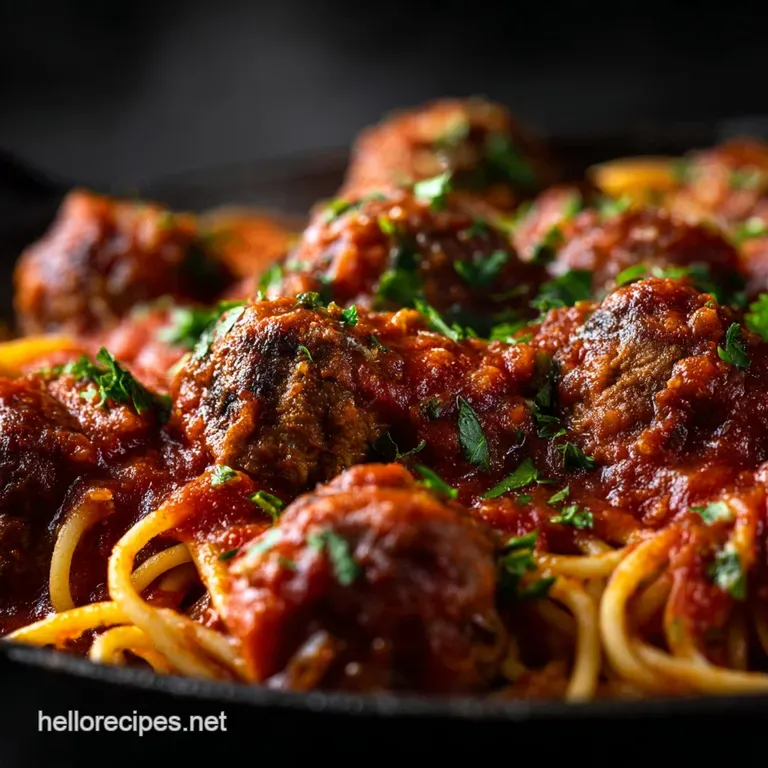
- Nonna’s Sunday Gravy: The Definitive Spaghetti and Meatballs Recipe
- The Science of Tenderness: Why This Meatball Recipe Excels
- Essential Ingredients for the Best Homemade Spaghetti and Meatballs
- Step-by-Step: Mastering the Art of Sunday Gravy and Meatballs
- Expert Tips and Troubleshooting for Perfect Spaghetti and Meatballs
- Meal Prep and Preservation: Storing Your Homemade Gravy and Meatballs
- Classic Pairings: What to Serve Alongside Spaghetti and Meatballs
- Recipe FAQs
- 📝 Recipe Card
Nonna’s Sunday Gravy: The Definitive Spaghetti and Meatballs Recipe
The smell of slowly cooked tomatoes and garlic is my ultimate happy place. Honestly, just walking into the kitchen when this sauce is simmering feels like getting a giant, comforting hug. The meatballs are unbelievably tender, soaking up all that rich, robust "gravy" until they practically melt when you bite them.
This recipe takes time, yes, but almost all of that time is hands off simmering. It is the perfect weekend project or big batch meal prep that genuinely tastes better the next day. You get huge servings of soul soothing food for minimal cost, and everyone, absolutely everyone, loves it. It’s a kitchen lifesaver.
We aren't making fast food here; we are building layers of deep, nuanced Italian American flavour. Stop settling for dry, dense meatballs and watery sauce. Trust me, I made those mistakes, but I’m going to show you the simple tricks that transform this classic dish into something truly unforgettable.
The Science of Tenderness: Why This Meatball Recipe Excels
What is 'Sunday Gravy' and Why Does it Matter?
For those of us in Italian American kitchens, we call this the "gravy," not marinara. The distinction matters less about the ingredients and more about the technique. Gravy means it's slow cooked, rich, and traditionally contains meat that braises down into the sauce over several hours.
It’s the centerpiece of a Sunday dinner.
A Legacy Dish: Honoring Italian American Tradition
This approach honours the tradition of using long, slow heat to turn simple ingredients into something transcendent. My initial mistake was always trying to cook the sauce in 30 minutes. You just can’t shortcut true depth of flavour, so ditch the rush and enjoy the aroma of the simmer.
The Essential Time Commitment (Setting expectations for the slow simmer)
The minimum simmering time for this recipe is 90 minutes. I know, 90 minutes feels like forever, but this step achieves two non-negotiable goals. First, it completely mellows the sharp acidity of the canned tomatoes.
Second, it allows the fat and seasoning from the seared meatballs to infuse deeply into the sauce, creating a complex, meaty flavour that a quick simmer can never replicate.
The Milk Soaked Bread Crumbs Secret for Moisture
This is my biggest non-negotiable trick for the best spaghetti and meatballs recipe. Using fresh breadcrumbs (crusts removed, torn up) soaked in milk acts as an emulsifying agent and a moisture binder. The starch holds onto the liquid, preventing the meat from tightening up during cooking.
It’s the key difference between a tender, light meatball and a heavy, rubbery one.
Achieving Deep Flavor: Browning vs. Braising the Meatballs
We sear the meatballs first, but we don't cook them through. The sear creates a beautiful brown crust and builds what we call "fond" on the bottom of the pot. Fond is those sticky brown bits. Those brown bits are pure, concentrated flavour that we scrape up later to deepen the sauce.
The meatballs then finish cooking gently in the sauce (braising), which keeps them moist and allows them to season the gravy from the inside out.
Blending Meats for Optimal Texture and Richness
You absolutely need a blend here. Using 100% lean ground beef results in dryness; 100% pork results in less flavour depth. The classic 50/50 mix of ground pork and ground beef (80/20) gives you the ideal fat ratio for richness and moisture.
Don't be shy about fat; it's flavour and tenderness in this context.
Essential Ingredients for the Best Homemade Spaghetti and Meatballs
We are aiming for high-quality because we are simmering these ingredients for hours. The better the starting point, the better the end result.
Making the Perfect Meatball Mixture (Meat and Binder Breakdown)
| Ingredient | Why it's Essential | Viable Substitute |
|---|---|---|
| Ground Beef (80/20) | Provides robust flavour and structure. | Use Ground Veal for a slightly lighter, sweeter meatball. |
| Ground Pork | Adds necessary fat and moisture. | If using all beef, increase the bread crumbs by 1/4 cup and add 1 tbsp of olive oil to the mix. |
| Fresh Bread Crumbs | Acts as the primary moisture binder. | Panko crumbs soaked in low-sodium chicken stock instead of milk. |
| Whole Milk | Activates the bread crumbs and tenderizes. | Use Half and Half or just plain water if lactose is an issue. |
| Parmigiano Reggiano | Salty, umami depth. Use the real stuff. | Grana Padano is a cheaper, but excellent, alternative. |
The Foundation: Quality Tomatoes for Slow Simmering
You need great canned tomatoes here. I use crushed tomatoes because I prefer a slightly textured sauce. Seriously, spend the extra dollar on San Marzano tomatoes if you can find them. They are naturally sweeter, less acidic, and have fewer seeds.
Chef's Note: If you cannot find good quality crushed tomatoes, whole peeled tomatoes can be used. Just crush them by hand before adding them to the pot. This gives you better control over the texture and releases the flavor nicely.
Selecting Aromatics and Fresh Herbs
This sauce relies heavily on garlic and onion, sautéed properly to build the base. We use fresh parsley and basil. Dried herbs are fine in a pinch, but fresh basil, added right at the end and scattered on top, makes a massive difference. Always use fresh basil at the end.
Choosing the Right Pasta Shape (Beyond standard spaghetti)
Spaghetti is the classic, obviously, but don't limit yourself! Linguine, bucatini (the one with the hole in the middle!), or even rigatoni are excellent options. You need a shape that is sturdy enough to stand up to the heavy, thick gravy.
step-by-step: Mastering the Art of Sunday Gravy and Meatballs
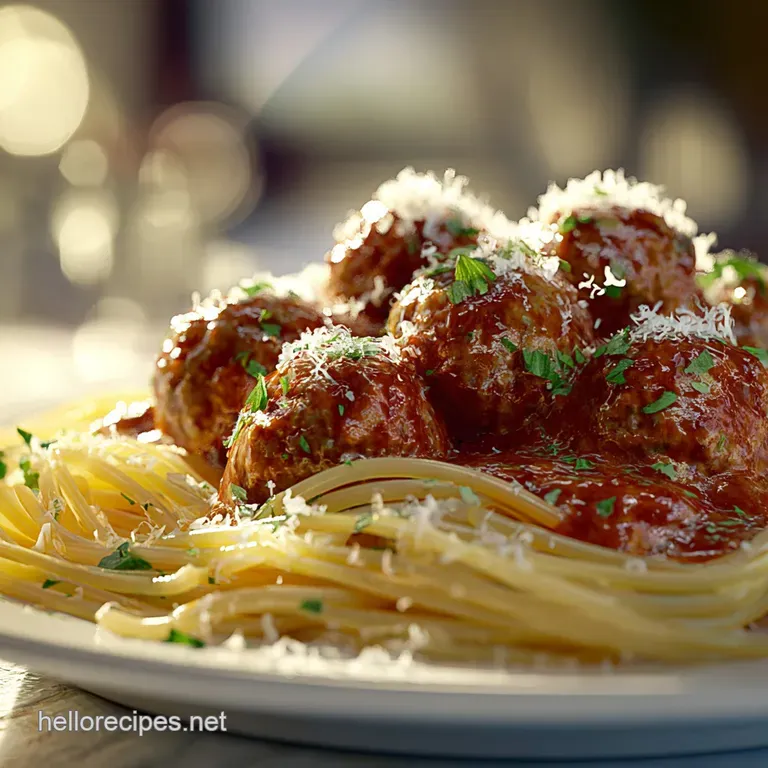
Phase 1: Preparing and Shaping Nonna’s Tender Meatballs
First, combine the milk and bread crumbs. Let that soak while you get your other ingredients ready. When you mix the meat, remember the goal: gentleness. Combine the beef, pork, soaked bread, egg, cheese, and seasonings, mixing only until just combined. Use cold hands, and stop as soon as it holds together.
Roll them gently into uniform balls uniform size ensures they cook evenly.
Phase 2: Building the Slow Simmered Marinara Sauce Base
Get your Dutch oven screaming hot with the EVOO. Sear the meatballs in batches until browned on all sides, then remove them. Reduce the heat and add your diced onion. Cook until it’s soft and fragrant, scraping up those browned bits left by the meat. Next, add the garlic and tomato paste.
Cook that tomato paste for two minutes until it darkens you are caramelizing the sugars and removing that metallic, raw tomato flavour.
Phase 3: The Marriage Braising the Meatballs in the Gravy
Pour in your stock or water to scrape up any remaining fond. Add the crushed tomatoes, salt, pepper, and most of your fresh basil. Stir everything together, then gently nestle the seared meatballs back into the pot. The sauce should cover them almost entirely.
Bring it to a simmer, drop the heat to the lowest setting possible, cover, and let it go for 60 minutes. After an hour, take the lid off and continue simmering for another 30 minutes to thicken the gravy.
Phase 4: Finishing the Sauce and Serving the Pasta
About 15 minutes before the sauce is done, cook your pasta until it is perfectly al dente . Do not forget to reserve that starchy pasta water! Drain the pasta.
I like to add a splash (about 1/4 cup) of the pasta water directly to the gravy and stir vigorously. This starch emulsifies the fat and liquid, making the sauce silky and ensuring it sticks perfectly to the spaghetti strands.
Toss the drained pasta directly into the pot with the sauce and meatballs and serve immediately.
Expert Tips and Troubleshooting for Perfect Spaghetti and Meatballs
Preventing Dry Meatballs: The Internal Temperature Trick
Dry meatballs are a tragedy, usually caused by overmixing or overcooking. The internal temperature of a perfectly cooked meatball should be 160°F (71°C). But since these are simmered in sauce, it’s hard to temp them. The real fix?
Use the milk soaked bread crumbs (Phase 1) and stop mixing the instant the ingredients are combined. If you mix too long, the meat proteins seize up and you get rubber.
Boosting Umami: Enhancing Gravy Depth While Simmering
If you taste the sauce an hour into the simmer and it feels flat, add half a teaspoon of dried oregano and a tiny pinch of sugar. The sugar is not to sweeten it, but to balance the acidity of the tomatoes, which boosts all the other flavours.
How to Fix a Sauce That Tastes Too Acidic or Bitter
This usually means you haven't simmered it long enough, or you used low-quality tomatoes. If you are short on time, dissolve 1/2 teaspoon of baking soda in a tablespoon of water and stir it in carefully (it will fizz!). The baking soda neutralizes the acid instantly.
Alternatively, grate in a raw carrot and let it simmer for 30 minutes; the carrot's natural sugar will smooth out the sharpness.
Meal Prep and Preservation: Storing Your Homemade Gravy and Meatballs
Shelf Life: How Long Does the Sauce Last in the Refrigerator?
If stored in an airtight container, the leftover gravy and meatballs will last beautifully for up to 4 days in the refrigerator. In fact, the flavour improves overnight as the spices continue to mingle.
Freezing Meatballs (Cooked vs. Uncooked)
You can freeze these either cooked or uncooked. Cooked meatballs (braised in the sauce) are the easiest. Freeze them with the sauce in a sealed container or heavy duty freezer bag for up to 3 months.
Uncooked meatballs should be frozen solid on a baking sheet first, then transferred to a bag; cook them right from frozen by dropping them directly into simmering sauce.
Reheating Leftover Sunday Gravy Effectively
Never microwave this dish unless you have to. Gently reheat the sauce and meatballs on the stovetop over low heat. If the sauce has thickened too much, add a splash of water or stock to loosen it up.
If you are reheating leftover pasta already mixed with sauce, add a splash of water and cook on the stovetop for 5 minutes, stirring constantly, until the pasta is glossy and hot.
Classic Pairings: What to Serve Alongside Spaghetti and Meatballs
This dish is heavy and rich, so you need fresh, acidic, and crunchy sides to cut through the richness.
A simple, crisp green salad tossed with a sharp vinaigrette is perfect. We are talking mixed greens, maybe some shaved red onion, and a dressing made of olive oil, white wine vinegar, and Dijon mustard.
You absolutely need something for dipping. Thick slices of homemade Garlic Bread, drenched in butter and toasted until golden, are essential for mopping up that amazing gravy. You don't want to leave a single drop behind.
Recipe FAQs
What are the essential ingredients for achieving tender, flavourful meatballs?
The secret lies in a blend of meats (traditionally beef, pork, and veal) and a panade a binder made of bread or breadcrumbs soaked in milk. This panade adds essential moisture, ensuring the meatballs remain light and juicy, preventing the dense texture often associated with meatloaf.
How do I make the 'Sunday Gravy' sauce rich and complex?
The complexity is built through patience and low, slow simmering, which allows the flavors to deepen and meld. Start by sautéing aromatics (like garlic and onion) and incorporate a Parmesan rind into the sauce while it cooks.
The rind releases savory, umami notes that dramatically enhance the tomato base over the long cook time.
Is this "Sunday Gravy" recipe truly Italian, or is it Italian American?
This slow simmered, large batch preparation is definitively Italian American, originating from immigrant families who adapted traditional recipes using abundant New World resources. Traditional Italian cooking often serves meatballs (polpette) as a side or second course, separate from a quicker tomato sauce (sugo).
Why are my meatballs coming out dry or too dense?
Density is usually caused by overmixing the meat mixture, which develops the meat proteins too much. Dryness occurs if you omit the panade or use only very lean beef; ensure you include the required fat content from pork or veal. Handle the mixture gently and only until combined.
Can I prepare the meatballs and sauce ahead of time, or freeze them?
Yes, this recipe is perfect for advance preparation. The meatballs and sauce can be fully cooked, cooled, and stored in the refrigerator for up to 4 days, or frozen in an airtight container for up to 3 months. When reheating, thaw overnight and warm slowly on the stovetop to prevent the sauce from scorching.
I don't eat beef. Can I substitute the meat in the meatballs?
You can substitute the beef blend with an equal amount of ground poultry, such as chicken or turkey thigh meat, combined with mild Italian sausage removed from its casings. Using only lean breast meat is discouraged, as it lacks the fat content necessary to stay moist during the long simmer.
What is the best technique for serving the spaghetti with the sauce?
To ensure perfect seasoning, always toss the drained, al dente pasta directly into the pot of sauce for the final minute of cooking. This allows the spaghetti to absorb the sauce and helps the starch bind to the gravy, ensuring the flavor clings to every strand. Use pasta water to loosen the consistency if needed.
Nonnas Classic Spaghetti And Meatballs
Ingredients:
Instructions:
Nutrition Facts:
| Calories | 519 kcal |
|---|---|
| Protein | 30.0 g |
| Fat | 18.0 g |
| Carbs | 59.0 g |
