Neiman Marcus Cake Ii: Silky and Buttery
- Time: Active 20 minutes, Passive 45 minutes, Total 65 minutes
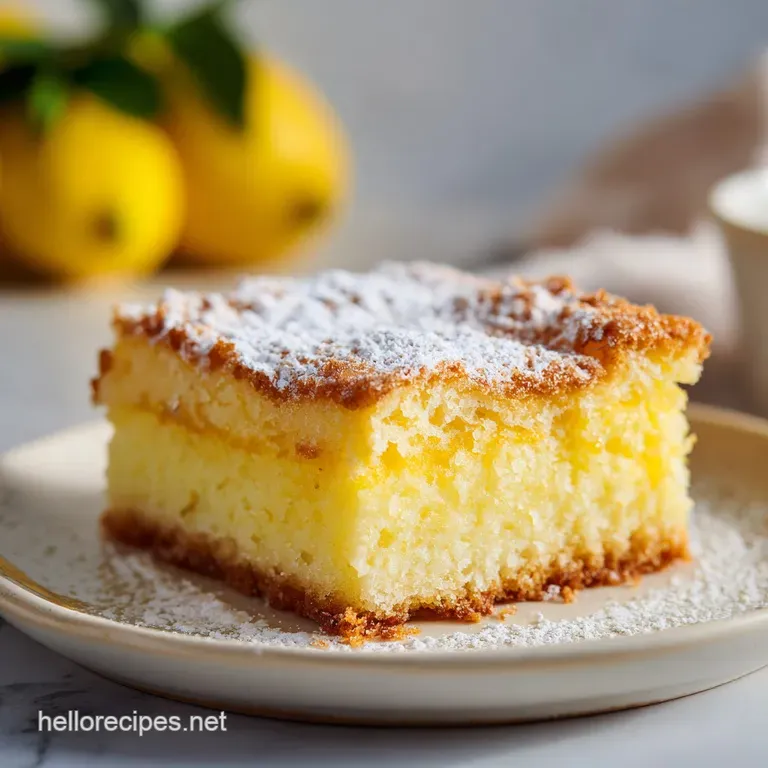
- Flavor/Texture Hook: Velvety cream cheese layer atop a chewy, golden crusted base
- Perfect for: High end dinner parties, celebratory gatherings, or sustainable meal prep
- The Cultural Legend Behind Neiman Marcus Cake II
- Why This Custard Layer Stays Velvety and Silken
- Precise Metrics for Scaling Your Iconic Dessert Batch
- The Gastronomy of Selecting High Quality Sustainable Ingredients
- Essential Technology for Crafting This Silken Dessert Finish
- A Sensory Step By Step Guide to Successful Baking
- Troubleshooting Common Pitfalls for a Flawless Cake Finish
- Innovative Ways to Modify Your Sweet Dessert Creation
- Maintaining Freshness While Practicing Sustainable Kitchen Habits
- Thoughtful Pairings to Enhance Your Dessert Flavor Profile
- Recipe FAQs
- 📝 Recipe Card
The Cultural Legend Behind Neiman Marcus Cake II
The story of the Neiman Marcus cake is one of those culinary urban legends that actually lives up to the hype, though it's often whispered about in the same breath as that famous $250 cookie recipe.
While the department store in Dallas is known for high end fashion, their tea rooms became legendary for serving these dense, decadent bars that felt like a cross between a blondie and a cheesecake.
It’s a piece of Texas hospitality history that has moved from secret kitchen files to the tables of home cooks who value a dessert that feels both luxurious and surprisingly approachable.
I remember the first time I smelled this baking in a friend's kitchen; the aroma wasn't just sweet, it was deeply concentrated, like toasted sugar and floral vanilla. It’s a dish that brings people together because it’s impossible to eat just one square.
The "II" in the name signifies an evolution a shift toward a more refined texture that relies on the specific moisture content of Neufchâtel cheese rather than standard heavy creams.
It’s about taking a shortcut, like a yellow cake mix, and using technology and better fats to turn it into something that tastes completely artisanal.
This isn't your average potluck bar. When you pull this out of the oven, the way the edges shatter under a knife while the center remains gooey is a testament to the layering technique. We aren't just making a cake; we are engineering a specific mouthfeel.
By using grass fed butter and vanilla bean paste, we're introducing complex flavor profiles that you simply don't find in standard boxed desserts. It’s an innovative way to look at "convenience" baking through a gastropub lens.
Why This Custard Layer Stays Velvety and Silken
The magic of this recipe lies in the interaction between the stabilized starches in the cake mix and the high moisture content of the cheese layer. Most people struggle with "gooey" cakes because they either underbake them until they are raw or overbake them until they are rubbery.
By chilling the base first, we create a thermal barrier that allows the bottom to crisp up while the top stays in a state of suspended custard.
- Cold Base Thermal Lag: Chilling the dough like base for 10 minutes prevents the butter from melting too quickly in the oven, ensuring the bottom layer sets firmly before the topping begins to cook.
- Protein Denaturation: Using Neufchâtel cheese, which has a higher moisture to fat ratio than standard cream cheese, results in a topping that remains soft and "jiggly" even after cooling.
- Starch Gelatinization: The flour and cornstarch within the cake mix act as a structural scaffolding that traps the melting butter, creating a chewy, almost mochi like foundation.
- Sugar Aeration: Beating the powdered sugar with the eggs at a low speed incorporates just enough air to keep the topping light without causing it to crack like a traditional cheesecake.
Decision Shortcut for Serving Size
| Servings | Ingredient Adjustments | Pan Size | Cook Time |
|---|---|---|---|
| 8 People | 0.5x all ingredients | 20x20 cm square | 35 minutes |
| 16 People | Original recipe | 33x23 cm rectangle | 45 minutes |
| 32 People | 2x all ingredients | Two 33x23 cm pans | 45 minutes |
Choosing the right pan is vital for heat distribution. If you use a glass pan, the edges might brown faster than a light colored metal pan, so keep a close eye on that golden brown visual cue.
Precise Metrics for Scaling Your Iconic Dessert Batch
When we talk about the gastronomy of a dish like the neiman marcus cake ii, we have to look at the component analysis. Each ingredient isn't just there for flavor; it’s a functional part of the architecture.
The yellow cake mix provides a pre measured balance of leavening agents and flour, which we then "upcycle" by adding grass fed butter. This creates a much richer lipid profile than what the box instructions would typically yield.
| Component | Science Role | Pro Secret |
|---|---|---|
| Grass fed Butter | Lipid Emulsification | Use grass fed for a higher beta carotene content and a deeper golden hue. |
| Neufchâtel Cheese | Moisture Retention | Ensure it is exactly room temperature to avoid "lumps" in the silken topping. |
| Vanilla Bean Paste | Aromatic Complexity | The obsidian flecks provide a visual cue of quality and a punchier floral scent. |
| Powdered Sugar | Texture Softener | Sift it twice to ensure the aeration process happens smoothly during the whipping stage. |
The interaction between the eggs and the powdered sugar is particularly interesting. Unlike a sponge cake where you want maximum volume, here we want a dense, velvety finish. We use three eggs total, but they are split between the two layers to provide structure to the base and creaminess to the top.
This distribution is the "why" behind that distinct two tone appearance.
The Gastronomy of Selecting high-quality Sustainable Ingredients
Sourcing is where a good cook becomes a great one. For this marcus cake ii, I always look for ingredients that support sustainable farming. Grass fed butter isn't just a buzzword; it has a lower melting point and a more pronounced "grassy" sweetness that cuts through the sugar.
When you melt it, you'll notice it has a more vibrant yellow color compared to grain fed versions, which translates directly into the visual appeal of your cake base.
- 15.25 oz yellow cake mix: Look for brands that avoid synthetic dyes; the natural color should come from the egg yolks and butter.
- 0.5 cup grass fed butter, melted: This provides the essential fats for the "stiff dough" base. Why this? Higher omega-3 content and better flavor.
- 3 large eggs, room temperature: Essential for emulsifying the fats without curdling. Why this? Cold eggs can cause the melted butter to seize.
- 1 tsp vanilla bean paste: This is for the base layer. Why this? Provides those beautiful dark flecks and intense aroma.
- 8 oz Neufchâtel cheese, softened: A lower fat alternative to cream cheese that actually holds more moisture. Why this? Creates a softer, more custard like topping.
- 3 cups powdered sugar: Provides the bulk of the sweetness and the smooth mouthfeel. Why this? Dissolves instantly into the cheese mixture.
- 1 tsp pure vanilla extract: For the topping layer. Why this? Adds a clean, classic finish to the Neufchâtel cloud.
Substituting ingredients can change the final texture significantly. If you're looking to reduce refined sugars, you can experiment with powdered monk fruit, though the "snap" of the edges might be slightly softer. If you're out of Neufchâtel, standard cream cheese works, but the result will be slightly denser and less "gooey." For those who love a citrus twist, check out how I use similar dairy techniques in my Lemon Blueberry Cake recipe to balance sweetness with acidity.
Essential Technology for Crafting This Silken Dessert Finish
You don't need a lab full of gadgets, but a few specific tools will make the difference between a "home-made" look and a professional finish. A stand mixer is your best friend here because it can aerate the Neufchâtel and powdered sugar without tiring your arm out.
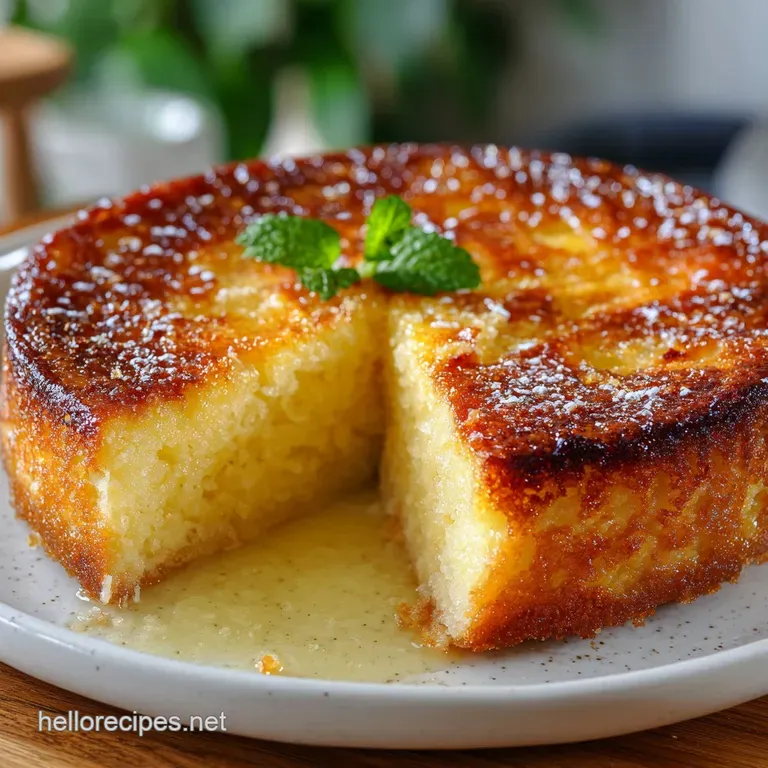
The goal is a mixture that looks like liquid silk no lumps, no air bubbles, just a smooth, glossy pour.
I also highly recommend using an offset spatula. When you pour that cream cheese mixture over the chilled base, you want an even layer from edge to edge. A standard spoon will leave "valleys" that cook unevenly. Finally, don't underestimate the power of parchment paper.
Lining your pan isn't just about easy cleanup; it allows you to lift the entire cake out of the pan once it's cooled, giving you clean, sharp edges when you slice it into those 16 perfect squares.
A Sensory step-by-step Guide to Successful Baking
- Preheat your oven to 175°C (350°F). Line a 33x23 cm baking pan with parchment, leaving an overhang for easy removal.
- Combine the yellow cake mix, one egg, melted grass fed butter, and vanilla bean paste in a bowl. Stir until a stiff, fragrant dough forms. Note: This should feel like thick cookie dough, not cake batter.
- Press the dough firmly into the pan. Chill in the fridge for 10 minutes until the surface feels cold and set.
- Beat the softened Neufchâtel cheese in your mixer until it looks velvety and cloud like. Note: This takes about 3 minutes on medium speed.
- Add the remaining two eggs and the pure vanilla extract. Continue beating until the aroma of vanilla fills the air.
- Slowly incorporate the powdered sugar on low speed until the mixture is silken and glossy. Note: Be careful not to spray sugar all over your kitchen!
- Pour the topping over the chilled base. Use an offset spatula to spread it until the surface is as smooth as glass.
- Bake for 40-45 minutes. You'll know it's done when the edges are a deep honey gold and the center has a slight, rhythmic jiggle.
- Remove from the oven. The smell of toasted butter and sweet cheese should be intense and comforting.
- Cool completely in the pan for at least 2 hours until the center has set and the edges are firm to the touch.
Troubleshooting Common Pitfalls for a Flawless Cake Finish
The biggest mistake people make with this cake ii is rushing the cooling process. Because the topping is essentially a baked custard, it needs time for the residual heat to finish the "set" while it sits on the counter.
If you cut into it while it's still warm, the center will ooze out, and you'll lose those distinct, beautiful layers.
Why Your Cake Might Sink
If the center of your cake falls significantly after cooling, it's usually due to over beating the eggs in the topping. When you whip too much air into the Neufchâtel mixture, it rises like a souffle in the oven and then collapses as it cools.
Keep your mixer on a lower speed once the eggs are added to ensure a dense, velvety finish.
| Problem | Root Cause | Solution |
|---|---|---|
| Greasy Base | Butter was too hot | Let melted butter cool slightly before mixing with the cake mix. |
| Lumpy Topping | Cold cheese | Ensure Neufchâtel is completely soft before beating. |
| Cracked Surface | Overbaking | Remove from oven while the center still has a "jiggle." |
Common Mistakes Checklist
- ✓ Always use room temperature eggs to prevent the butter in the base from clumping.
- ✓ Don't skip the 10 minute chill for the base; it's the secret to the texture.
- ✓ Sift your powdered sugar if you see any hard lumps in the bag.
- ✓ Use a light colored metal pan for the most even browning results.
- ✓ Let the cake cool completely ideally overnight before attempting to slice.
Innovative Ways to Modify Your Sweet Dessert Creation
While the classic neiman marcus cake ii is hard to beat, there are ways to introduce new flavor profiles that lean into seasonal ingredients. For a deeper, more complex flavor, I love adding a teaspoon of espresso powder to the base dough. It doesn't make the cake taste like coffee, but it intensifies the butter and vanilla notes, much like how it works in my German Chocolate Cake recipe.
The Neiman Marcus Cake From Scratch (Flour Swap)
If you want to move away from the box mix, you can create a "from scratch" base by using 2 cups of all purpose flour, 1.5 cups of organic cane sugar, 1 tablespoon of baking powder, and a pinch of sea salt. This gives you more control over the quality of the grains and allows you to use locally milled flours.
The texture will be slightly heartier and less "fluffy" than the box mix, which some people actually prefer for a more artisanal feel.
Another innovative variation is the "Chocolate Silk Swap." Replace the yellow cake mix with a devil's food mix and add 0.5 cup of dark cocoa powder to the topping. This creates a black and white effect that is visually stunning and tastes like a sophisticated brownie cheesecake.
Whatever variation you choose, remember that the core technology the chilled base and the Neufchâtel topping remains the same.
Maintaining Freshness While Practicing Sustainable Kitchen Habits
Waste is the enemy of a sustainable kitchen. If you find yourself with leftover cake (rare, I know!), it stores beautifully. Keep it in an airtight container in the fridge for up to 5 days. The texture actually becomes fudgier as it sits, making it a great "make-ahead" dessert for a busy week.
- Freezing: You can freeze individual squares for up to 3 months. Wrap them tightly in wax paper and then a layer of foil. To reheat, let them thaw in the fridge overnight. Don't microwave them, or the cheese layer will lose its silken texture.
- Zero Waste Tip: If the edges of your cake get a little too crunchy, crumble them up and use them as a topping for vanilla bean ice cream or fold them into a yogurt parfait.
- Leftover Ingredients: Use any remaining Neufchâtel cheese as a base for a savory herb spread or a creamy pasta sauce to ensure nothing goes to waste.
Thoughtful Pairings to Enhance Your Dessert Flavor Profile
This cake is incredibly rich, so you want to pair it with something that offers contrast. A tart raspberry coulis or a side of fresh, macerated strawberries can provide the acidity needed to cut through the heavy lipids of the grass fed butter and cheese.
If you're serving this at a dinner party, a glass of cold, sparkling prosecco or a bitter espresso will balance the sweetness perfectly.
If you are a fan of layered desserts with a bit of a twist, you might also enjoy the textural complexity of a Mille Crepe Cake, which uses similar principles of temperature and aeration to achieve a velvety mouthfeel.
Comparing Fresh vs. Shortcut Methods
| Feature | Cake Mix (Shortcut) | From Scratch (Fresh) |
|---|---|---|
| Prep Time | 20 minutes | 35 minutes |
| Texture | Light, airy crumb | Dense, buttery biscuit |
| Reliability | Highly consistent | Variable based on flour type |
Three Bullet Customization Guide
- If you want a crunchier base, add 0.5 cup of toasted, chopped pecans to the dough before pressing it into the pan.
- If you want a tangier topping, add the zest of one organic lemon to the Neufchâtel mixture.
- If you want a salted caramel vibe, sprinkle a pinch of Maldon sea salt over the cake immediately after removing it from the oven.
The neiman marcus cake ii is more than just a sweet treat; it’s a lesson in how simple ingredients, when treated with the right technology and care, can become something truly iconic.
By focusing on sustainable sourcing and precise baking cues, you’re not just following a recipe you’re mastering a piece of culinary history. Enjoy the process, and most importantly, enjoy that first, velvety bite.

Recipe FAQs
Is Neiman Marcus cake worth the price?
Yes, it is highly cost effective when made at home. Using a box of yellow cake mix as a base keeps your grocery bill low while delivering the decadent, signature texture of this classic dessert.
What is another name for a Neiman Marcus cake?
It is most commonly referred to as Gooey Butter Cake. The dessert is famous for its dense, buttery crust topped with a rich, cream cheese based custard layer.
Why is there a cake named after Neiman Marcus?
It is a culinary urban legend. The name stems from a popular myth that a customer once paid a premium price for the recipe at the department store cafe, though no such official transaction ever occurred.
Is it true I must serve this cake warm for the best flavor?
No, this is a common misconception. You should allow the cake to cool completely in the pan to ensure the custard sets properly; if you cut into it while warm, the center will lose its structural integrity.
How to achieve the perfect golden edge?
Bake at 350°F for exactly 40-45 minutes. Watch for the edges to turn golden brown while ensuring the center retains a slight jiggle, which indicates the custard is perfectly cooked.
How to ensure the bottom layer doesn't stick to the pan?
Line your 13x9-inch pan with parchment paper before pressing in the dough. This technique ensures clean slices every time, a method you can also apply when making our moist pumpkin sheet cake for easy removal.
How to fix a runny custard center?
Cool the cake completely at room temperature before refrigerating. The residual heat is necessary for the custard to finish setting, preventing the center from remaining too soft or liquid.
Neiman Marcus Cake Ii
Ingredients:
Instructions:
Nutrition Facts:
| Calories | 288 kcal |
|---|---|
| Protein | 4.3 g |
| Fat | 11.8 g |
| Carbs | 44.4 g |
| Fiber | 0.5 g |
| Sugar | 35.2 g |
| Sodium | 306 mg |
