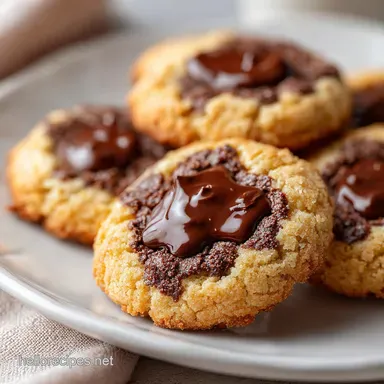
Chocolate Chip Cookies: Chewy and Crisp
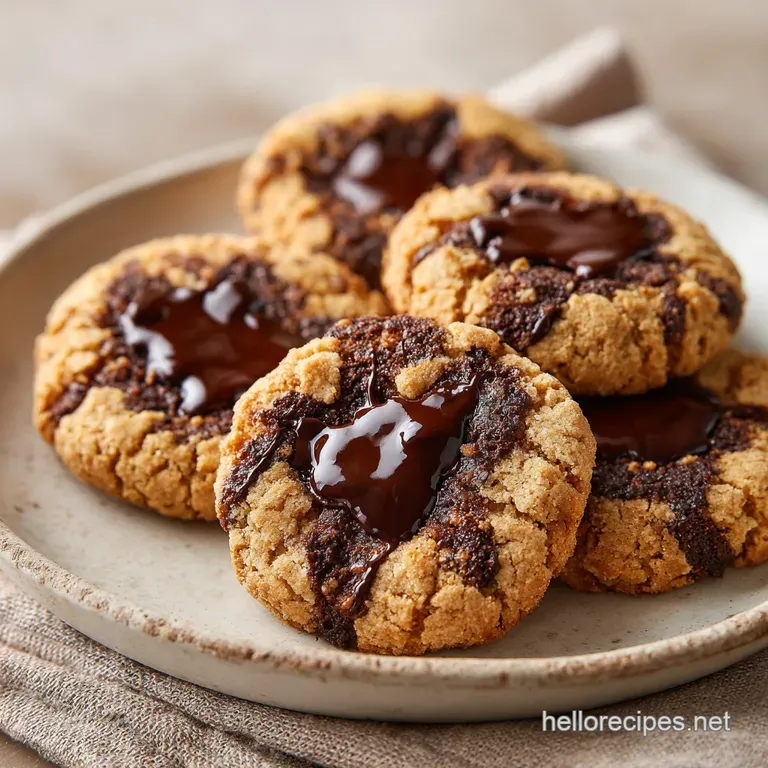
- Time:15 minutes active + 15 minutes baking = Total 30 minutes
- Flavor/Texture Hook: Shatter crisp edges with a velvety, molten center
- Perfect for: Late night cravings or a crowd-pleasing dessert platter
- Our most reviewed recipe of all time for Chocolate Chip Cookies
- Why These Cookies Hit Different
- Ingredient Deep Dive
- Ingredients and Swaps
- Step-by-Step Baking Guide
- Fixing Common Baking Fails
- Troubleshooting Common Issues
- Adjusting the Batch Size
- Cookie Myths Debunked
- Freshness and Waste Tips
- Best Ways to Serve
- Recipe FAQs
- 📝 Recipe Card
Our most reviewed recipe of all time for Chocolate Chip Cookies
Ever wondered why some cookies turn into flat puddles while others stay like hard rocks? It all comes down to the fight between the sugars and the flour for the moisture in your dough. I remember one rainy Tuesday when the house felt freezing, and I decided to whip these up.
The second that first tray hit the oven, the aroma of toasted vanilla and caramelizing sugar basically hugged me.
It's that specific contrast that gets me - the way a tiny pinch of salt hits the back of your tongue just before a wave of rich, semi sweet chocolate melts in. This is our most reviewed recipe of all time for Chocolate Chip Cookies because it doesn't try to be fancy; it just nails the basics.
You get a cookie that has a slight crunch on the outside but feels almost like fudge in the middle.
Expect a dough that's easy to work with and a baking time that's fast. We aren't doing any overnight chilling here, so you can go from craving to eating in half an hour. Trust me on this, the key is watching the edges - once they turn golden, pull them out, even if the middle looks a bit underdone.
Why These Cookies Hit Different
Instead of getting bogged down in a textbook, let's look at what's actually happening in your bowl. It's all about the tension between the ingredients.
- The Sugar Split: Using both white and brown sugar creates a contrast. White sugar helps the edges shatter, while the molasses in brown sugar keeps the center velvety.
- Air Pockets: Beating the butter and sugar until pale traps tiny bubbles. These bubbles expand in the heat, giving the cookie a lift so it isn't a dense brick.
- Temperature Control: Room temperature eggs prevent the butter from seizing. If the butter stays smooth, the dough spreads evenly rather than breaking apart.
- The Flour Bind: Mixing just until the streaks vanish stops the gluten from getting tough. This keeps the bite tender rather than bread like.
| Method | Time | Texture | Best For |
|---|---|---|---|
| Standard Oven | 15 mins | Balanced crisp & chewy | Classic batches |
| Stovetop Pan | 12 mins | Fudgy & softer edges | Single serving cravings |
| Air Fryer | 8 mins | Very crisp exterior | Quick snacks |
Ingredient Deep Dive
Understanding your components helps you tweak them without ruining the batch.
| Ingredient | Science Role | Pro Secret |
|---|---|---|
| Unsalted Butter | Provides fat and structure | Use high fat European style for richness |
| Brown Sugar | Adds moisture and chew | Pack it tight for a deeper caramel taste |
| Baking Soda | Creates the rise | Ensure it's fresh or cookies will be flat |
| All Purpose Flour | The structural skeleton | Weigh it for consistency, as per King Arthur Baking |
Ingredients and Swaps
Grab these items. I've listed the metric weights because that's the only way to be sure you aren't accidentally adding an extra half cup of flour.
- 115g (1/2 cup) unsalted butter, softened Why this? Creates the creamy base for aeration
- 150g (3/4 cup) granulated white sugar Why this? Promotes browning and crisp edges
- 165g (3/4 cup) packed brown sugar Why this? Adds a rich, molasses like chew
- 50g (1 large) egg, room temperature Why this? Binds everything and adds lift
- 5ml (1 tsp) pure vanilla extract Why this? Rounds out the sweetness with floral notes
- 280g (2 1/4 cups) all purpose flour Why this? Standard protein level for a balanced crumb
- 5g (1 tsp) baking soda Why this? Reacts with brown sugar to make cookies rise
- 3g (1/2 tsp) salt Why this? Cuts through the sugar and enhances chocolate
- 340g (2 cups) semi sweet chocolate chips Why this? High cocoa content balances the sugar
| Original Ingredient | Substitute | Why It Works |
|---|---|---|
| Brown Sugar | Coconut Sugar | Similar moisture. Note: Earthier, less caramel flavor |
| Semi sweet Chips | Dark Chocolate Chunks | More cocoa. Note: Less sweet, more intense bitterness |
| All Purpose Flour | 1:1 GF Flour Blend | Mimics wheat. Note: Slightly grainier texture |
| Unsalted Butter | Vegan Butter Stick | Same fat ratio. Note: Check for salt content |
Right then, before we start, make sure your butter is actually softened, not melted. If it's too oily, your cookies will spread like pancakes. If you're in a rush, you can grate cold butter into the sugar to speed things up.
Step-by-step Baking Guide
Let's crack on. Follow these steps exactly for that spot on texture.
- Cream the fats. Beat the 115g softened butter, 150g white sugar, and 165g brown sugar on medium high for 2-3 minutes. Wait until the mixture looks pale and fluffyNote: This is where the air gets trapped.
- Emulsify the wet. Add the 50g egg and 5ml vanilla extract. Beat on medium speed until the batter is smooth and glossy.
- Sift and stir. Slowly stir in the 280g flour, 5g baking soda, and 3g salt. Use a low speed or a spatula and stop the moment the white streaks disappearNote: Overmixing makes them tough.
- Fold the chocolate. Gently stir in the 340g chocolate chips by hand. Ensure they're evenly distributed so every bite has a molten pocket.
- Prep the tray. Line a baking sheet with parchment paper. Scoop rounded tablespoons of dough and space them 2 inches apart.
- Bake the batch. Slide them into the oven at 175°C (350°F) for 10-12 minutes.
- Watch for the cue. Remove the tray when the edges are golden brown but the centers still look slightly soft.
- The cooling wait. Let them sit on the hot pan for 5 minutes to set before moving them to a wire rack.
Fixing Common Baking Fails
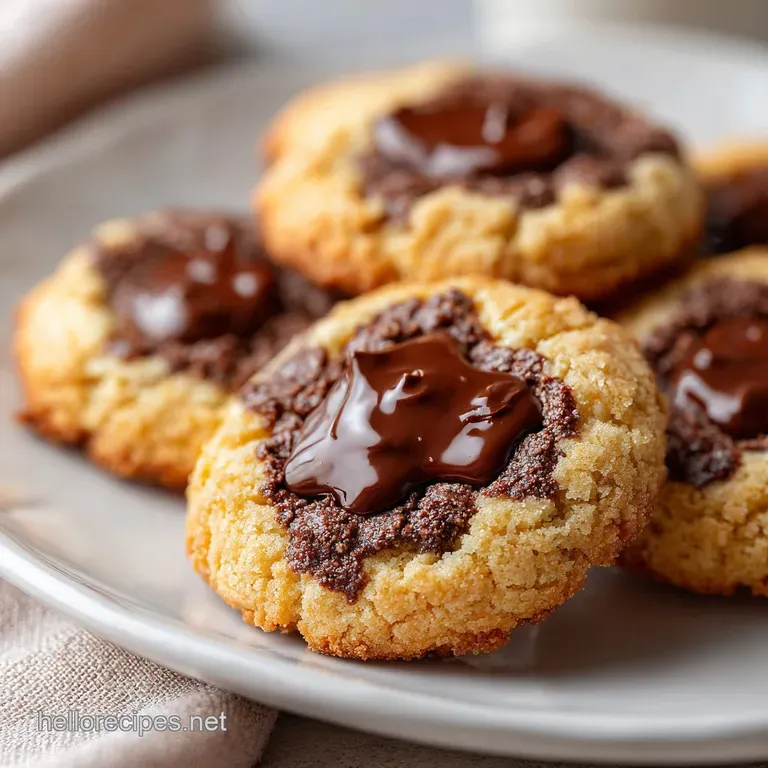
Even the best of us mess up. Usually, it's a temperature issue or a measuring mistake. If you're seeing something weird, it's probably one of these.
Troubleshooting Common Issues
| Issue | Solution |
|---|---|
| Why Your Cookies Spread Too Much | This usually happens if the butter was too hot or the oven wasn't fully preheated. When the fat melts before the flour sets, the cookie collapses. |
| Why Your Cookies Are Cakey | Too much flour or over beating the egg is the culprit here. If you beat the flour in too long, you create a gluten structure that's more like a muffin than a cookie. |
| Why the Centers Stay Raw | This is often due to an oven that runs cold or overcrowding the pan. If the air can't circulate, the edges cook but the middle stays doughy. |
Mistakes Checklist:
- ✓ Did you weigh the flour instead of scooping it?
- ✓ Is the butter softened (pressable) but not melted (liquid)?
- ✓ Did you stop mixing as soon as the flour disappeared?
- ✓ Are the cookies spaced at least 2 inches apart?
- ✓ Did you pull them out while the center still looked "underdone"?
Adjusting the Batch Size
Sometimes you just want a couple of cookies, and other times you're feeding a whole neighborhood.
Scaling Down (Half Batch): Use 57g butter and 75g of each sugar. Since you can't easily half an egg, crack one into a bowl, whisk it, and use exactly 25g. Reduce the bake time by about 2 minutes, as smaller batches often heat up faster in the oven.
Scaling Up (Double Batch): When doubling, don't just double the salt and baking soda - use about 1.5x the amount to avoid a metallic taste. Work in batches; if you crowd your mixer, you won't get that essential aeration in the butter.
For the oven, lower the temperature to 160°C (325°F) and extend the time by 3-5 minutes to ensure the center of the larger mass cooks through.
If you're planning a bigger dessert spread, these pair brilliantly with a homemade whipped cream recipe for a bit of airy contrast.
Cookie Myths Debunked
There's a lot of noise out there about baking. Let's clear some of it up.
The "Cold Butter" Myth: Some say cold butter makes better cookies. That's for shortbread. For our most reviewed recipe of all time for Chocolate Chip Cookies, you need softened butter to trap air. Cold butter won't cream with the sugar, leaving you with a dense, heavy disk.
The "Brown Sugar Only" Myth: People think skipping white sugar makes them "healthier" or "chewier." While they will be chewier, you lose that shatter crisp edge that makes a cookie feel like a treat. The contrast of the two sugars is what creates the professional texture.
The "Preheating is Optional" Myth: Putting cookies in a lukewarm oven is a death sentence. The fat will melt and leak out before the structure sets, resulting in a greasy puddle. Always wait for the beep.
Freshness and Waste Tips
To keep that velvety interior, you have to be smart about how you store them.
Storage Guidelines: Keep these in an airtight container at room temperature for up to 5 days. Pro tip: put a slice of white bread in the container; the cookies will absorb the moisture from the bread and stay soft longer.
For the fridge, they last 2 weeks, but you'll need to zap them for 10 seconds to get the chocolate molten again.
Freezing for Later: You can freeze the baked cookies for 3 months, or better yet, freeze the raw dough balls. Just wrap them tightly in parchment and foil. Bake from frozen, adding 2 minutes to the clock.
Zero Waste Hacks: Don't toss the butter wrapper if it's the parchment kind - use it to grease a small ramekin. If you have a few chocolate chips left over, stir them into a bowl of oatmeal. For a real treat, drizzle some homemade caramel over the leftovers to transform them into a decadent dessert.
Best Ways to Serve
While a warm cookie is the gold standard, you can really push the flavor profile with a few additions.
The Contrast Plate: Serve these with a tart side, like fresh raspberries or a slice of Granny Smith apple. The acidity cuts through the rich butter and chocolate, making the flavors pop.
The Boozy Twist: For an adult version, sprinkle a tiny bit of flaky sea salt on top the second they come out of the oven. The salt crystals provide a sharp contrast to the sweet molten chocolate.
The Beverage Pairing: Obviously, a cold glass of milk is the classic, but a bold espresso or a dark roast coffee brings out the toasted notes of the brown sugar. If you're feeling fancy, a small glass of chilled almond milk works great for a plant based twist.
Recipe FAQs
Do I need to chill the dough before baking?
No, this recipe is designed for immediate baking. The specific ratio of sugars to butter provides the correct structure without the need for resting.
Is it true I should use melted butter for a chewier texture?
No, this is a common misconception. Using melted butter instead of softened butter causes the cookies to spread too much and lose their height.
Why are my cookies coming out too cakey?
You likely added too much flour or overbeat the egg. Overmixing the flour creates a gluten structure that is more like a muffin than a dense cookie.
How to tell when the cookies are finished baking?
Look for golden brown edges and soft centers. Remove them from the oven at 10-12 minutes, as they will continue to firm up on the pan.
Can I bake these at a higher temperature to save time?
No, stick to 350°F (175°C). Higher temperatures will burn the edges before the centers are fully cooked.
Does the egg really need to be room temperature?
Yes, it ensures a smooth emulsion. Cold eggs can seize the softened butter, leading to a broken batter and uneven bake.
How to substitute butter for a vegan option?
Use a high-quality plant based butter. If you enjoyed the richness here, try our vegan butter that browns for an even deeper flavor.
Most Reviewed Chocolate Chip Cookies