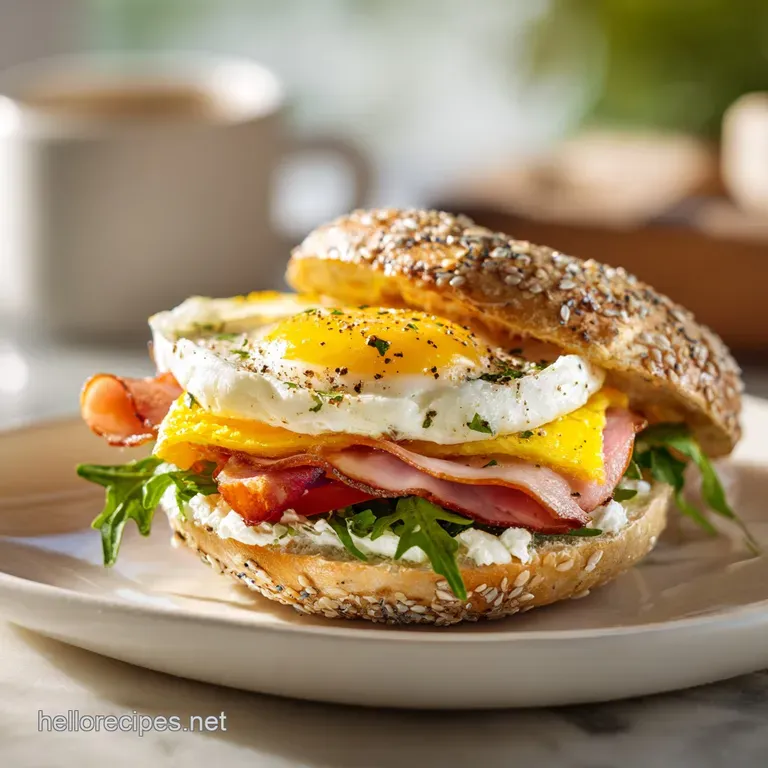
Microwave Prep Breakfast Sandwiches: Velvety Egg Disks
- Time: Active 15 mins, Passive 5 mins, Total 20 mins
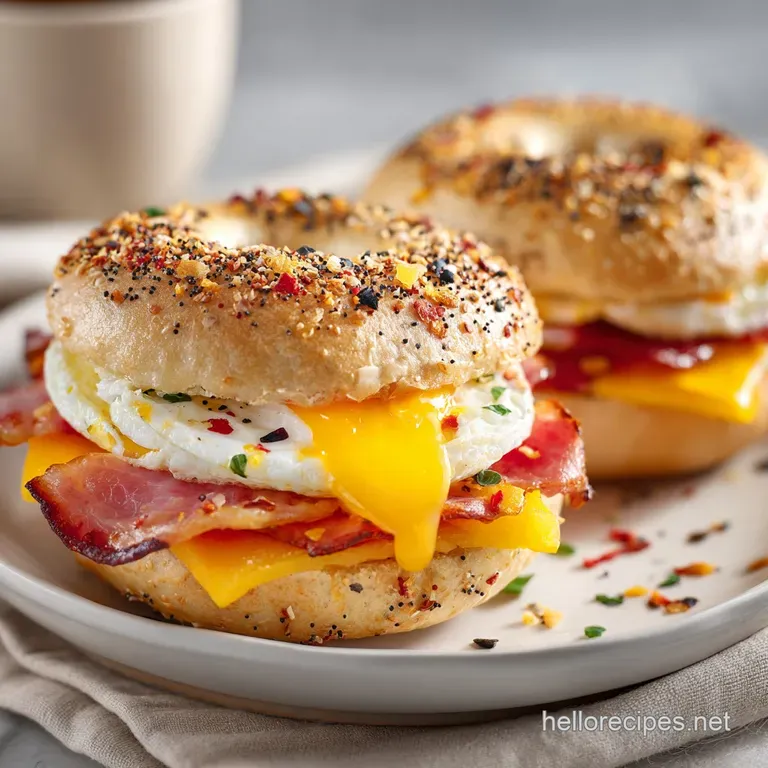
- Flavor/Texture Hook: Velvety egg disks with sharp, melted cheddar
- Perfect for: High speed weekday mornings and budget-friendly meal prep
- Mastering Easy Microwave Prep Breakfast Sandwiches
- Why This Recipe Wins Every Time
- Essential Specs for Quick Success
- Selecting the Very Best Components
- Tools for Fast Batch Cooking
- Step by Step Preparation Guide
- Solving Common Texture and Heat Issues
- Customizing Your Morning Flavor Profile
- Keeping Your Batch Fresh Longer
- Serving Ideas for Busy Mornings
- Myths About Microwave Cooking
- Recipe FAQs
- 📝 Recipe Card
Mastering Easy Microwave Prep Breakfast Sandwiches
I remember the exact Tuesday morning I hit my breaking point with those expensive drive thru breakfast sandwiches. I was sitting in a line ten cars deep, smelling the exhaust fumes, and realizing I was about to pay five dollars for a sandwich that would likely be lukewarm and soggy by the time I got to my desk.
The sizzle of the industrial griddle I could hear through the window was tempting, but the price tag for convenience was just getting too high. I knew there had to be a way to capture that velvety egg texture and that sharp cheddar bite at home without spending forty minutes in the kitchen every single morning.
The first time I tried making a batch of these for the freezer, I made a classic amateur mistake. I assembled the sandwiches while the eggs were still steaming hot and threw them straight into plastic bags.
By the next morning, the English muffins had absorbed all that trapped steam, turning into something resembling wet cardboard. I almost gave up right then, but I've spent months tweaking the cooling process and the ingredient ratios.
Now, my freezer is a goldmine of pre made meals that actually hold their structural integrity.
We are going to focus on a method that treats the microwave as a tool for reheating, not just cooking. By prep cooking our eggs into uniform disks, we ensure every bite has the same ratio of protein to bread.
This isn't just about throwing food together; it's about building a reliable system that saves you forty five minutes of stress every week. Trust me, once you pull a perfectly toasted, melty sandwich out of your own microwave in under two minutes, you will never look at that drive thru line the same way again.
Why This Recipe Wins Every Time
The Steam Barrier Strategy: Toasting the English muffins until they are shatter crisp creates a caramelized surface that prevents egg moisture from migrating into the bread. This ensures the crumb stays firm rather than becoming mushy during the freezing and thawing cycle.
Controlled Protein Denaturation: Adding whole milk to the eggs slows down the coagulation process, which prevents the eggs from turning rubbery. The fat in the milk acts as a buffer, keeping the egg disks soft and velvety even after a second round of heating.
Structural Heat Distribution: Placing the cheese between the hot egg and the meat ensures it melts evenly without needing extra microwave time that might overcook the bread. The cheese acts as a delicious, edible glue that holds the entire assembly together.
| Cooking Method | Time Invested | Texture Result | Best Use Case |
|---|---|---|---|
| Oven Batch | 25 mins | Uniform, fluffy eggs | Large family meal prep |
| Stovetop Single | 8 mins | Crispy edges, runny yolk | Slow weekend mornings |
| Microwave Prep | 2 mins | Soft, velvety, consistent | Fast weekday commuting |
This specific approach to microwave prep breakfast sandwiches is designed for those who value their sleep but refuse to settle for a mediocre breakfast. By using a muffin tin to bake the eggs, we get a consistent shape that fits the bread perfectly. This prevents those annoying "naked bread" corners where you're just eating dry muffin without any filling. If you're looking for more ways to streamline your morning, you might also enjoy the simplicity of my How to Make recipe for breakfast sausages, which can be swapped into these sandwiches easily.
Essential Specs for Quick Success
| Ingredient | Science Role | Pro Secret |
|---|---|---|
| Large Eggs | Structural protein | Whisk until no streaks of white remain for the most uniform color. |
| English Muffins | Nooks and crannies | Use "fork split" varieties to create more surface area for the cheese to grip. |
| Sharp Cheddar | Flavor and fat | Pre sliced cheese provides a consistent melt rate compared to hand shredded. |
| Whole Milk | Moisture retention | The extra fat prevents the egg proteins from tightening too much during reheating. |
The key to a successful batch of microwave prep breakfast sandwiches lies in the quality of your base. While it might be tempting to grab the cheapest bread on the shelf, a sturdy English muffin is non negotiable here.
The sourdough variety is particularly good because its natural acidity balances the richness of the eggs and Canadian bacon.
Selecting the Very Best Components
Getting the ingredients right is half the battle when you're aiming for a sandwich that tastes like it came from a high end deli. I've found that using 6 large eggs is the sweet spot for a standard 6 cup jumbo muffin tin or a sheet pan.
You'll also need 90 ml of whole milk or heavy cream; don't skip the fat here, as it's the primary defense against rubbery eggs. For seasoning, 3 g of fine sea salt and 1 g of freshly cracked black pepper are essential for bringing out the savory notes.
The protein layer consists of 6 slices of Canadian bacon or lean ham. This is a great choice for meal prep because it's already cooked and has a low moisture content, which prevents the sandwich from getting soggy. You'll need 6 English muffins, which provide the structural foundation. Don't forget the 30 g of softened salted butter to give the bread a rich, golden finish when toasted. Finally, 6 slices of sharp cheddar cheese provide that essential oozy texture. If you're out of English muffins, you can use the technique from my Buttery Bliss recipe to make a batch of biscuits, though they are a bit more fragile in the freezer.
- Large Eggs: high-quality protein. Why this? Provides the structural "disk" shape needed for even reheating.
- English Muffins: Sturdy bread base. Why this? Their density holds up better to freezing than soft sandwich bread.
- Canadian Bacon: Lean savory protein. Why this? Low moisture content prevents "wet" sandwiches during storage.
- Sharp Cheddar: Flavorful fat. Why this? Strong flavor ensures you taste the cheese even after reheating.
- Whole Milk: Texture modifier. Why this? Prevents egg proteins from becoming tough and rubbery.
Tools for Fast Batch Cooking
To make this process as efficient as possible, you really only need a few basic kitchen items. A large mixing bowl is necessary for whisking the eggs, and a standard 6 cup jumbo muffin tin is the absolute best way to get that perfect "egg puck" shape.
If you don't have a muffin tin, a small rimmed baking sheet lined with parchment paper will work, though you'll have to cut the eggs into squares.
A whisk is better than a fork for the eggs because it incorporates more air, leading to a lighter texture. You'll also want some parchment paper or aluminum foil for wrapping the sandwiches. I prefer parchment paper because it can go directly into the microwave later.
A cooling rack is the secret weapon here letting the egg disks cool on a rack prevents the bottoms from getting sweaty as they release steam.
step-by-step Preparation Guide
- Preheat and Prep. Set your oven to 350°F (180°C) and grease your muffin tin thoroughly with non stick spray or butter. Note: This ensures the eggs slide out without tearing.
- Whisk the Base. Combine 6 large eggs, 90 ml whole milk, 3 g salt, and 1 g pepper in a bowl. Whisk until the mixture is pale yellow and fully combined.
- Bake the Eggs. Divide the egg mixture evenly into the 6 muffin cups. Bake for 12 to 15 minutes until the centers are set but still slightly jiggly.
- Toast the Bread. Split the 6 English muffins and spread 30 g of softened butter across the cut sides. Toast under a broiler until the edges are golden and charred.
- Cool the Components. Remove the eggs from the tin and place them on a wire rack. Note: Cooling for 10 minutes prevents steam from ruining the bread texture.
- Layer the Foundation. Place one cooled egg disk onto the bottom half of each toasted English muffin.
- Add the Cheese. Place one slice of sharp cheddar directly onto the egg disk. The residual heat will help it start to grip the egg.
- Top with Meat. Place a slice of Canadian bacon over the cheese, then add the top half of the English muffin.
- Wrap for Storage. Wrap each sandwich tightly in parchment paper, then place them all into a large freezer safe zip top bag.
- Flash Freeze. Place the bag in the freezer immediately. Store for up to 3 months for the best flavor.
Solving Common Texture and Heat Issues
Why Your Eggs Turn Rubbery
The most frequent complaint with microwave prep breakfast sandwiches is that the eggs feel like a bouncy ball. This usually happens for two reasons: overcooking in the oven or overheating in the microwave. When egg proteins are subjected to too much heat, they tighten up and squeeze out all their moisture.
By adding milk and pulled them from the oven while they still have a slight "jiggle" in the middle, you preserve that velvety interior that survives the trip back to the microwave.
To Stop Soggy Bread
Soggy bread is the enemy of a good morning. This happens when moisture from the egg or meat is trapped against the bread during storage. To prevent this, you must let your cooked components reach room temperature before assembly.
If the egg is still steaming when you wrap it, that steam has nowhere to go but into the muffin. Plus,, always toast the muffins longer than you think you should; a deep, dark toast creates a much more resilient barrier.
| Problem | Root Cause | Solution |
|---|---|---|
| Soggy bottom bread | Assembled while too hot | Cool eggs and meat on a wire rack for 10 mins before stacking. |
| Tough, dry eggs | Excessive microwave time | Reheat at 50% power to gently warm the proteins without boiling them. |
| Frozen center | High density of the sandwich | Wrap in a damp paper towel to help steam penetrate the middle. |
- ✓ Let all ingredients cool completely before assembly to avoid condensation.
- ✓ Toast English muffins until dark golden to create a moisture proof crust.
- ✓ Use full fat dairy in the eggs to maintain a soft, velvety texture.
- ✓ Wrap sandwiches in parchment paper rather than foil for microwave safety.
- ✓ Squeeze out as much air as possible from the freezer bag to prevent ice crystals.
Customizing Your Morning Flavor Profile
If you want to move away from the classic Canadian bacon, the beauty of this recipe is its flexibility. You can easily swap the meat for a spicy sausage patty or even a piece of crispy bacon. If you're a fan of heartier meals, try using the leftovers from a Baked Tortellini Tomato recipe as a side, though perhaps not inside the sandwich itself!
For a healthy microwave breakfast sandwich, try replacing the whole eggs with egg whites and using a low-fat feta cheese instead of cheddar. You can also add a layer of fresh spinach inside the sandwich before freezing; it wilts perfectly during the reheating process.
If you want a bit of heat, a thin layer of chipotle mayo or a few pickled jalapeños added right before eating can completely transform the flavor profile.
| Original Ingredient | Substitute | Why It Works |
|---|---|---|
| Canadian Bacon | Turkey Sausage | Leaner profile with more spice. Note: Ensure it is pre cooked. |
| Sharp Cheddar | Pepper Jack | Adds a spicy kick. Note: Melts at a similar rate to cheddar. |
| English Muffin | Whole Wheat Tortilla | Turns it into a wrap. Note: Use less egg to prevent leaking. |
Keeping Your Batch Fresh Longer
Proper storage is the difference between a great meal and a disappointing one. These sandwiches will stay fresh in the refrigerator for up to 4 days, making them a solid option for a shorter work week. For long term storage, the freezer is your friend.
I recommend double bagging them if you plan to keep them longer than a month; the extra layer of plastic helps prevent freezer burn, which can make the bread taste like "freezer air."
When it comes to reheating, don't just blast it on high. For the best results, take the sandwich out of its parchment paper and wrap it in a damp paper towel. Microwave on 50% power for 1 minute, flip it over, and then microwave for another 45 to 60 seconds on high.
This "staged" heating ensures the middle is hot without turning the edges of the bread into a rock. To reduce waste, save any egg scraps or broken muffin pieces to toss into a weekend bread pudding or a quick breakfast hash.
Serving Ideas for Busy Mornings
While these microwave prep breakfast sandwiches are a complete meal on their own, a few small additions can make them feel much more like a proper sit down breakfast. I love serving mine with a small side of fresh fruit, like sliced strawberries or a handful of blueberries, to balance the saltiness of the bacon and cheese.
If you have an extra thirty seconds, a quick smear of avocado on the muffin after reheating adds a creamy, fresh element that makes the whole thing feel restaurant quality.
If you find yourself with a bit more time, pairing these with a hot cup of coffee or even a light salad can be quite nice. They also work surprisingly well as a quick "breakfast for dinner" option. If you're looking for another easy meal prep idea that uses similar flavors, my Bacon and Pea Pasta recipe uses that same salty savory combination and is just as fast to pull together.
- If you want a crunchier texture, reheat the sandwich in an air fryer at 350°F (180°C) for 5-7 minutes.
- If you want a lighter meal, use thin sliced bread and egg whites with a sprinkle of herbs.
- If you want a spicy start, add a dash of hot sauce or red pepper flakes to the egg mixture before baking.
Myths About Microwave Cooking
Many people believe that eggs cooked in the microwave or reheated there will always be rubbery. This is a total misconception. The rubbery texture isn't caused by the microwave itself, but by the loss of moisture.
If you add fat (like milk) and use a damp paper towel during reheating, the eggs will stay tender and soft.
Another common myth is that you can't get a "toasted" feel from a frozen sandwich. While the microwave won't crisp up bread that is already soggy, if you toast the muffins deeply during the prep phase, that structural integrity remains.
The bread won't be as crunchy as it was fresh out of the toaster, but it will certainly have a firm, satisfying bite rather than being soft and mushy. Finally, don't believe that you have to use "microwave specific" ingredients; real, whole ingredients like sharp cheddar and fresh eggs always perform better than processed "easy melt" alternatives.

Recipe FAQs
How long to microwave meal prep breakfast sandwiches?
About 1 minute 45 seconds total, staged. For best results, cover the sandwich in a damp paper towel and microwave on 50% power for 60 seconds, flip it, then finish on high for 45-60 seconds.
Can you prep breakfast sandwiches ahead of time?
Yes, prep them for up to 3 months. Assemble the sandwiches tightly wrapped in parchment paper, then place them in a sealed freezer bag to prevent freezer burn.
How to make a breakfast sandwich in the microwave?
Bake your egg disks in a muffin tin first, then assemble for freezing. The microwave is primarily used for reheating the fully assembled and frozen sandwich, not cooking the components from raw.
How to reheat a meal prep breakfast sandwich?
Wrap the sandwich in a damp paper towel and use low power first. This method reintroduces essential moisture, preventing the egg from turning rubbery and ensuring the bread softens without becoming overly hot in spots.
What is the secret to preventing soggy bread when freezing breakfast sandwiches?
Deeply toast the cut sides of the English muffins during the initial prep phase. This creates a caramelized, stable barrier that resists moisture migration from the cooked egg and cheese during storage.
Is it necessary to cool the eggs before assembling the sandwiches for freezing?
Yes, always cool components completely before wrapping and freezing. Trapped steam is the primary cause of sogginess; allowing the eggs to rest on a wire rack releases this moisture before assembly.
Can I use soft sandwich bread instead of English muffins for these?
No, stick to a denser bread like an English muffin or biscuit. Soft sandwich bread collapses under the pressure and moisture of freezing and reheating; a sturdier bread holds up better, similar to the structural integrity needed for our Whole 30 Meal recipe assembly.
Microwave Prep Breakfast Sandwiches
Ingredients:
Instructions:
Nutrition Facts:
| Calories | 367 kcal |
|---|---|
| Protein | 21 g |
| Fat | 19 g |
| Carbs | 27 g |
| Fiber | 1.5 g |
| Sugar | 2 g |
| Sodium | 785 mg |
