Stuffed Meatball Pie: Shattering Pastry

- Time: Active 20 minutes, Passive 40 minutes, Total 60 minutes
- Flavor/Texture Hook: Shattering pastry shell with umami rich, molten centers
- Perfect for: High impact dinner hosting or advanced meal prep
- Engineer the Ultimate Stuffed Meatball Pie
- The Science of Flavor Layers
- Molecular Anatomy of the Ingredients
- High Performance Culinary Technology
- Constructing the Gastronomic Layers
- Mitigating Common Culinary Risks
- Innovative Modular Swaps
- Sustainability and Conservation
- Optimizing the Gastronomy Experience
- Common Inquiries
- High in Sodium ⚠️
- Recipe FAQs
- 📝 Recipe Card
Engineer the Ultimate Stuffed Meatball Pie
That sound? That’s the high frequency hiss of pork fat hitting a ripping hot cast iron skillet. I remember the first time I tried to turn a standard meatball sub into something more sustainable and structurally sound. I was tired of sandwiches falling apart and losing half the filling to the plate.
I became obsessed with creating a self contained gastronomic unit a pie that could hold its shape while delivering a massive hit of flavor in every bite.
We aren't just throwing ingredients into a dish here. We’re building layers. By combining 1 lb ground beef with 0.5 lb Italian pork sausage, we’re optimizing the fat to lean ratio for maximum juiciness without the grease slick.
This Stuffed Meatball Pie is the result of multiple kitchen iterations where I learned that the secret isn't just the meat; it's the moisture barrier we create with the cheese and the specific way we treat the crust.
You can expect a dish that cuts like a dream and tastes like a high end bistro offering. Whether you're serving this for a tech heavy game night or a sleek weekend gathering, the visual of that first slice molten mozzarella stretching from between golden pastry walls is a guaranteed win.
Let’s look at the mechanics of how this actually works.
The Science of Flavor Layers
Understanding the physics of your ingredients changes how you cook. Here is the technical breakdown of why this specific Stuffed Meatball Pie recipe outperforms standard bakes:
- Protein Denaturation: Mixing the 1 lb ground beef with salt and 2 tbsp whole milk creates a protein matrix that traps moisture, preventing the meatballs from becoming granular or dry during the second bake.
- Starch Gelatinization: The 0.5 cup Panko breadcrumbs act as microscopic sponges, absorbing the rendered fats from the 0.5 lb Italian pork sausage to keep the interior of the pie succulent rather than oily.
- Maillard Reaction Optimization: Searing the meatballs before assembly triggers the chemical reaction between amino acids and reducing sugars, producing hundreds of different flavor compounds that raw loading meat simply cannot achieve.
- Lipid Emulsification: The 2 cups of shredded whole milk mozzarella act as a structural adhesive and flavor carrier, distributing the fat soluble compounds from the 1 tsp oregano and 0.5 tsp red pepper flakes across the palate.
| Component Thickness | Internal Target Temp | Resting Duration | Visual Cue |
|---|---|---|---|
| 2.5 cm Meatball | 71°C (160°F) | 5 minutes | Deep mahogany crust |
| 4 cm Total Pie | 74°C (165°F) | 10 minutes | Bubbling, golden edges |
| 3 mm Pastry Sheet | N/A | N/A | Matte to shimmer finish |
Giving the pie that 10 minute rest is non negotiable. During this time, the internal temperature stabilizes and the melted 2 cups of mozzarella begin to set just enough to hold the 1.5 cups of marinara sauce in place when you slice through the pastry shell.
Molecular Anatomy of the Ingredients
To achieve a professional result, we need to analyze our primary components through a functional lens. Each ingredient serves a specific purpose in the overall structural integrity of the dish.
| Ingredient | Science Role | Pro Secret |
|---|---|---|
| 1 lb Ground Beef (80/20) | Structural Base | Use cold beef to prevent fat smear during mixing |
| 2 sheets Pie Crust | Moisture Barrier | Prick the bottom layer to prevent steam pockets |
| 2 cups Mozzarella | Emulsifying Agent | Grate from a block for a smoother melt |
| 2 tbsp Whole Milk | Hydration Buffer | Enhances the tenderness of the meat fibers |
Selecting a high-quality marinara is vital, as the acidity in the 1.5 cups of sauce cuts through the heavy lipids of the sausage and beef. If you're interested in the science of cheese filled meats, you might want to look at my Mozzarella Stuffed Meatballs recipe which uses a similar internal fill technology.
High Performance Culinary Technology
Before we begin the assembly, ensure your workspace is organized. I suggest using a heavy bottomed skillet for the meatballs to ensure even heat distribution and a glass or ceramic pie dish to monitor the bottom crust's development.
- 1 lb ground beef (80/20 blend): Why this? The 20% fat content is essential for flavor and moisture during the over high heat bake.
- 0.5 lb Italian pork sausage, casings removed: Why this? Adds complex spices and necessary fat for a velvety mouthfeel.
- 0.5 cup Panko breadcrumbs: Why this? Their larger surface area provides a lighter, more aerated meatball structure.
- 2 tbsp whole milk: Why this? Liquid hydration prevents the proteins from tightening and becoming tough.
- 0.25 cup freshly grated Parmesan cheese: Why this? Provides a sharp, salty counterpoint to the rich beef.
- 2 cloves garlic, minced: Why this? Fresh aromatics provide a sharper flavor profile than powdered versions.
- 1 tsp dried oregano: Why this? Essential for the classic herb forward profile of this dish.
- 0.5 tsp red pepper flakes: Why this? Adds a subtle capsaicin kick to balance the fat.
- 1 tsp salt and 0.5 tsp black pepper: Why this? Essential mineral seasoning to amplify all other flavor layers.
- 2 sheets refrigerated pie crust: Why this? Provides a consistent, flaky housing for the filling.
- 1.5 cups marinara sauce: Why this? High moisture acidity balances the dense protein layers.
- 2 cups shredded whole milk mozzarella cheese: Why this? High fat to moisture ratio ensures a superior stretch.
- 1 large egg and 1 tbsp water: Why this? Creates the protein wash for a glossy, golden brown finish.
- 1 tsp Italian seasoning: Why this? Final aromatic layer for the top of the crust.
Constructing the Gastronomic Layers
- Integrate the proteins. Combine the 1 lb ground beef, 0.5 lb sausage, 0.5 cup Panko, 2 tbsp milk, 0.25 cup Parmesan, garlic, oregano, red pepper flakes, salt, and pepper in a large bowl. Note: Over mixing can lead to a dense, rubbery texture.
- Form the spheres. Shape the mixture into roughly 18-20 meatballs. Cook in a skillet 6-8 mins over medium high heat until deeply browned and sizzling.
- Prepare the base. Unroll one sheet of the pie crust and press it into a 9 inch pie plate.
- Establish the cheese barrier. Sprinkle 1 cup of the mozzarella over the bottom of the crust. Note: This prevents the sauce from migrating into the pastry.
- Layer the meatballs. Arrange the seared meatballs in a single layer over the cheese.
- Apply the sauce. Pour the 1.5 cups of marinara sauce evenly over the meatballs.
- Add the top melt. Scatter the remaining 1 cup of mozzarella over the sauce layer.
- Seal the architecture. Place the second pie crust on top, crimping the edges until firmly fused.
- Vents and wash. Cut four small slits in the top crust and brush with the egg wash (egg + 1 tbsp water), then sprinkle with 1 tsp Italian seasoning.
- Final Bake. Bake at 200°C (400°F) for 25-30 minutes until the crust is golden and shattering.
Chef's Tip: Freeze your meatballs for 10 minutes before searing. This allows you to get a hard, dark crust on the outside without overcooking the delicate center before it even hits the pie.
Mitigating Common Culinary Risks
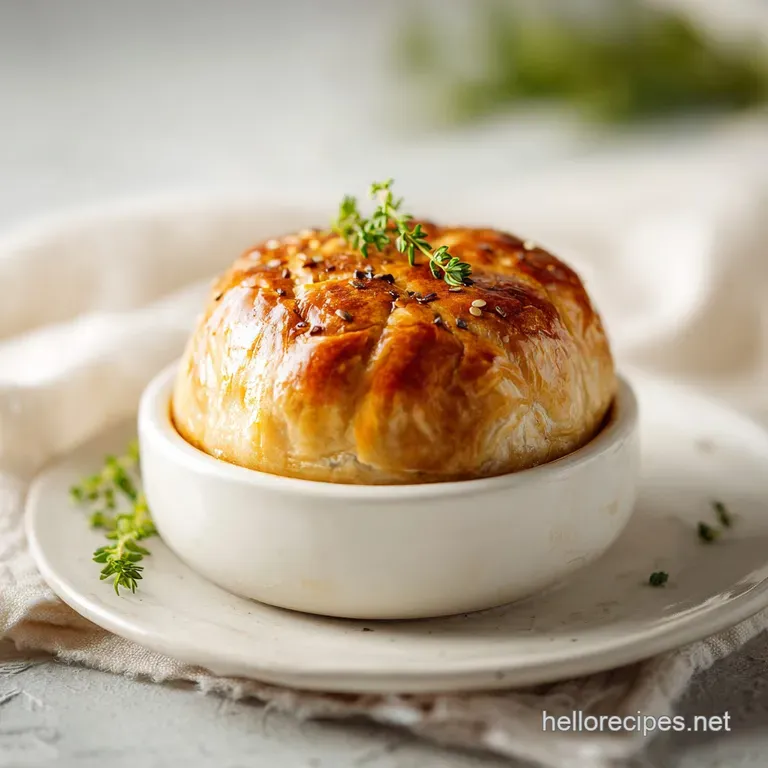
Precision is key to avoiding a soggy or undercooked Stuffed Meatball Pie. The most common failure point is excess moisture from the sauce or the meat interfering with the pastry.
Preventing Saturated Crust Syndrome
If your bottom crust feels soft, it’s likely because the sauce was too thin or the meatballs weren't drained properly. Always drain the excess fat from the skillet after searing. If you want a sweet treat after this savory meal, you might enjoy learning How to Make recipe for a classic dessert finish.
Mastering Maillard Reaction Depth
A pale meatball is a flavorless meatball. Don't crowd the pan when searing the 18-20 spheres. If you put too many in at once, the temperature drops and they steam in their own juices instead of developing that mahogany crust.
| Problem | Root Cause | Solution |
|---|---|---|
| Leaking sauce | Improper edge seal | Use a fork to crimp and "weld" the two crusts together |
| Soggy bottom | Moisture migration | Pre bake the bottom crust for 5 mins (blind bake) before filling |
| Burnt top crust | High sugar content in wash | Tent with foil if browning occurs before the 25 minute mark |
Common Mistakes Checklist:
- ✓ Pat the meatballs dry before searing to ensure immediate browning.
- ✓ Never use "low-fat" mozzarella; the lack of oil leads to a chalky texture.
- ✓ Preheat your oven for at least 20 minutes to ensure a thermal "shock" to the pastry.
- ✓ Let the pie sit for 10 minutes; slicing early leads to a structural collapse.
Innovative Modular Swaps
The beauty of the Stuffed Meatball Pie is its adaptability. You can swap components to fit your available technology or flavor preferences.
- Ground Turkey: Use 1 lb ground turkey instead of beef. Note: Results in a leaner, slightly drier texture; add 1 tbsp olive oil to compensate.
- Provolone Cheese: Swap 1 cup of mozzarella for smoked provolone to add a deeper, wood fired profile to the interior.
- Puff Pastry: Use puff pastry instead of standard pie crust for a much more aerated, buttery shell.
| Premium Ingredient | Budget Alternative | Flavor Impact | Savings |
|---|---|---|---|
| Fresh Buffalo Mozzarella | Shredded Block Mozzarella | Less moisture, better melt stability | ~€3.00 |
| San Marzano Marinara | Generic Tomato Sauce + 1 tsp Sugar | Slightly less acidic brightness | ~€2.50 |
| Prosciutto bits (in meat) | Extra Sausage | Less salty funk, more herbal spice | ~€4.00 |
If you find yourself short on time, constructing an easy meatball pie with pre made frozen meatballs is possible, but you’ll miss the specific flavor layers we’ve built here. Just ensure they are fully thawed before assembly.
Sustainability and Conservation
In a modern kitchen, minimizing waste is as important as the recipe itself. This dish is excellent for using up small amounts of leftover herbs or cheeses.
Storage Guidelines:Fridge: Store in an airtight container for up to 4 days. The crust will lose some "shatter" but the flavors will deepen. Freezer: You can freeze the unbaked pie for up to 3 months.
Bake directly from frozen, adding 15-20 minutes to the total time.
Zero Waste Tips: Don’t throw away the fat rendered from the 0.5 lb Italian pork sausage. Strain it and keep it in a jar in the fridge to sauté vegetables for your next meal. Any leftover marinara can be frozen in ice cube trays for quick flavor boosts in future soups or stews.
If you have pastry scraps, roll them in cinnamon and sugar for a quick snack while the pie bakes.
Optimizing the Gastronomy Experience
To truly enjoy this Stuffed Meatball Pie, temperature and texture contrast are your best friends. Serve each slice with a cold, crisp arugula salad dressed in a sharp lemon vinaigrette. The bitterness of the greens resets your palate between rich, savory bites of the 1 lb ground beef and 2 cups of mozzarella.
Engineering the Perfect Slice
Use a serrated knife to saw through the top crust without crushing the meatballs beneath. Once you've broken the pastry barrier, switch to a smooth blade to glide through the meat and cheese layers.
Final Technical Thoughts
The transition of textures from the crisp exterior to the velvety interior is what makes this dish a standout. By following the science of the Maillard reaction and the moisture barriers we've built, you're not just making dinner; you're executing a well engineered culinary project.
Trust the process, watch your temperatures, and enjoy the sizzle.
Common Inquiries
Achieving the Ideal Crust Texture
To ensure the crust doesn't become tough, handle the dough as little as possible. The heat from your hands can melt the small fat pockets in the pastry, which are responsible for creating those flaky, shattering layers. Keep everything cold until the moment it enters the 200°C oven.
Managing Internal Moisture
If you are worried about the 1.5 cups of marinara making the dish too liquid, you can simmer the sauce on the stovetop for 10 minutes before assembly. This reduces the water content and concentrates the sugars, leading to a more stable filling that won't run when sliced.
Meatball Size Consistency
Using a small ice cream scoop to portion out the 1 lb ground beef and 0.5 lb sausage mixture ensures all spheres are the same size. This technical precision ensures they all reach the target internal temperature at the exact same time, preventing some from being dry while others are undercooked.
Oven Placement Strategy
Bake the pie on the lowest rack for the first 15 minutes. This places the bottom crust closer to the heating element, ensuring it sets and crisps before the sauce can soak in. Move it to the center rack for the final 10-15 minutes to finish browning the top.

High in Sodium ⚠️
945 mg mg of sodium per serving (41% % of daily value)
The American Heart Association recommends limiting sodium intake to about 2,300mg per day.
Tips to Reduce Sodium in Your Meat Pie:
-
Leaner Meat Choices-25%
Choose lean ground beef (90/10 or leaner) and consider using ground turkey or chicken instead of Italian sausage. These options typically have less sodium than standard ground beef and processed sausage.
-
Low-Sodium Cheese-15%
Opt for low-sodium mozzarella cheese or reduce the amount of mozzarella and parmesan cheese used. Consider swapping out some of the mozzarella for a low-sodium ricotta. Taste as you go to achieve the desired flavor.
-
Reduce Added Salt-15%
Reduce the amount of salt added to the meat mixture by half (from 1 tsp to 0.5 tsp), or eliminate it entirely. Taste the meat mixture before adding any salt to assess the flavor profile.
-
Low-Sodium Marinara-10%
Use low-sodium or no-salt added marinara sauce. Alternatively, make your own marinara sauce from scratch using fresh tomatoes, herbs, and spices for greater control over sodium content.
-
Homemade Breadcrumbs-5%
Make your own breadcrumbs using stale, low-sodium bread instead of store-bought Panko breadcrumbs. This way you can ensure minimal sodium in the breadcrumbs.
-
Flavor with Herbs & Spices
Enhance the flavor of your meat pie with a variety of fresh or dried herbs and spices such as garlic, oregano, red pepper flakes, black pepper, and Italian seasoning to minimize the need for salt.
Recipe FAQs
How do you keep stuffed meatballs from falling apart during baking in a pie?
Sear them thoroughly first. Searing the exterior of the meatballs for 6-8 minutes creates a firm protein crust that locks the shape in place before they are submerged in sauce and surrounded by pastry.
What are the essential ingredients for the meat pie filling?
A balanced ratio of 80/20 ground beef, Italian pork sausage, Panko breadcrumbs, and sharp Parmesan cheese. The 80/20 beef is non-negotiable for the required fat content that prevents dryness.
Is it better to bake the meatballs at 350 or 400 degrees Fahrenheit in the oven for the final pie?
Start at 400°F (200°C) then reduce to 375°F (190°C). Begin high to shock the pastry into rising and setting, then drop the temperature to ensure the dense center of the pie cooks through without burning the crust.
How do you stuff a meatball effectively without the cheese leaking out?
Create a mozzarella core before forming the final sphere. Form a small patty of meat mixture, place a cube of cheese in the center, and completely enclose it, ensuring the seams are tightly pinched and smooth.
Should I use fresh or frozen meat for the best meatball texture?
No, stick with cold, freshly ground meat. Using meat straight from refrigeration, or even slightly chilled (10 minutes in the freezer), prevents the fat from smearing during mixing, leading to a more tender structure.
What is the best way to prevent a soggy bottom crust in this rich pie?
Establish a moisture barrier using shredded mozzarella first. Sprinkle one cup of cheese directly onto the bottom crust before adding the sauce; this lipid layer prevents the acidic sauce from penetrating the pastry dough.
Can I use leaner meat and still achieve a juicy result in this pie?
No, this recipe relies heavily on the fat content for internal moisture. If you must use leaner meat, compensate by adding an extra tablespoon of olive oil or rendered sausage fat to the mix, similar to the technique used to keep leaner cuts juicy in a Homemade Apple Pie recipe.
Meatball Pie Puff Pastry Bake

Ingredients:
Instructions:
Nutrition Facts:
| Calories | 562 calories |
|---|---|
| Protein | 23.4g |
| Fat | 34.1g |
| Carbs | 41.5g |
| Fiber | 3.2g |
| Sugar | 5.8g |
| Sodium | 945mg |
