Kroll's Cookies: Bakery Style
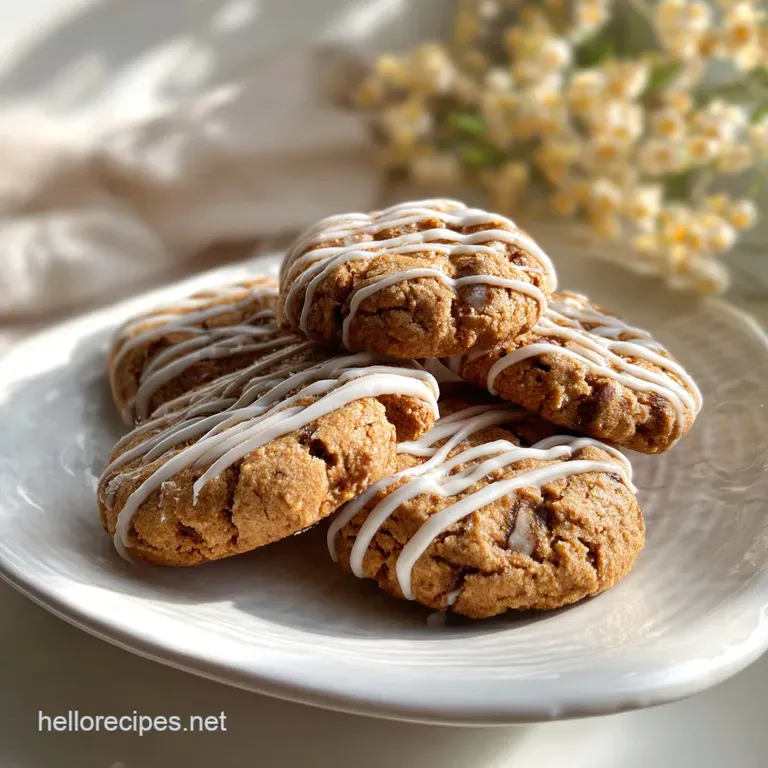
- Time: Active 20 minutes, Passive 2 hours 12 mins, Total 2 hours 32 mins
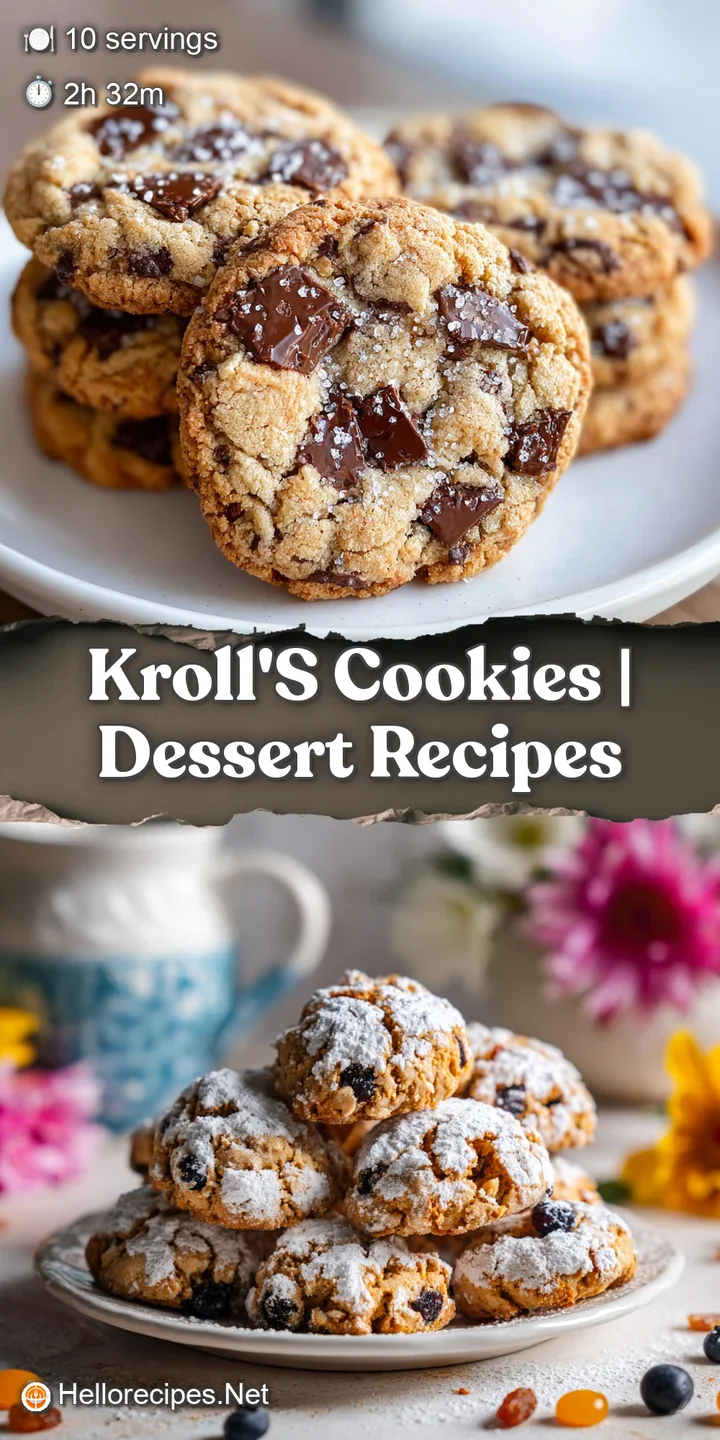
- Flavor/Texture Hook: Fudgy, 6 ounce centers with a crispy, golden brown shell.
- Perfect for: Showing off at dinner parties or serious weekend baking sessions.
- Why This Specific Kroll's Cookies Method Works
- Precise Recipe Specifications and Key Texture Checkpoints
- Sustainable Shopping List and High Quality Ingredient Breakdown
- Essential Gastronomy Tools for Professional Baking Results
- Executing the Multi Stage Innovative Baking Process
- Solving Common Texture and Dough Consistency Problems
- Innovative Dietary Adaptations and Smart Ingredient Swaps
- Optimal Storage Guidelines and Efficient Reheating Methods
- Creative Ways to Serve and Enjoy Cookies
- Kroll's Cookies FAQs
- 📝 Recipe Card
Why This Specific Kroll's Cookies Method Works
The scent of vanilla hitting a hot oven is one thing, but the aroma of these massive 6 ounce mounds as they "sear" at 400°F is a different level of gastronomy. I remember the first time I tried to make a thick cookie, it turned into a flat, greasy pancake because I used room temperature butter.
Through a lot of trial and error, I realized that the technology behind Kroll's Cookies relies on thermal resistance. By using cubed, cold butter, we create little pockets of fat that don't fully melt until the outer structure of the cookie has already set.
This recipe is an innovative take on the "levain style" cookie, where height and density are the primary goals. We aren't just making a snack, we are building a layered flavor experience. The high heat acts like a sear on a steak, locking in moisture while the dual flour blend provides a soft, cake like interior.
This is a massive departure from the thin, chewy cookies you might find in a grocery store.
- Cold Start Fat Physics: Using cold, cubed butter prevents the fat from over emulsifying with the sugar, which stops the cookies from spreading too quickly in the oven.
- Dual Flour Architecture: Mixing cake flour with all purpose flour lowers the overall protein content, creating a velvety crumb that feels light despite the cookie's weight.
- High Temperature Setting: Baking at 400°F shocks the dough, causing the outside to "shatter" and crisp up before the middle can overcook.
- Cornstarch Softness Shield: A small amount of cornstarch acts as a tenderizer, interfering with gluten formation to ensure the center remains fudgy.
| Method | Time | Texture Outcome | Best For |
|---|---|---|---|
| Standard Oven | 10-12 mins | Crispy shell, soft core | The classic bakery experience |
| Stovetop (Skillet) | 15-18 mins | Dense, gooey, caramelized | Sharing with spoons and ice cream |
The stovetop method is a fun alternative if you want a deep dish version, but the oven is the true home of the Kroll's Cookies technique. The hot air circulation is what gives these mounds their iconic craggy tops and golden highlights.
| Servings | Dough Ball Weight | Pan Size | Total Bake Time |
|---|---|---|---|
| 5 Cookies | 6 ounces (170g) | Small Sheet | 12 minutes |
| 10 Cookies | 6 ounces (170g) | 2 Large Sheets | 12 minutes |
| 20 Cookies | 6 ounces (170g) | 4 Large Sheets | 14 minutes (rotate) |
Precise Recipe Specifications and Key Texture Checkpoints
To get these cookies right, we need to treat the kitchen like a laboratory. These aren't the kind of cookies you can "eyeball." The weight of each dough ball is critical because if they are too small, they'll dry out at 400°F, and if they are too big, you'll be eating raw flour in the middle.
Dual Flour Protein Physics
The ratio of 280g all purpose flour to 120g cake flour is the "sweet spot" for structural integrity. Cake flour is chlorinated, which helps it hold onto moisture and fat better than standard flour. When combined, they create a crumb that is significantly more tender than what you’d find in a Crinkle Cookies recipe, which leans more into a fudgy, dense profile.
Cold Butter Creaming Method
Unlike most recipes that ask for "softened" butter, we are using 225g of cold, unsalted butter. You’ll want to cube it into small half inch pieces. This allows the mixer to break the butter down into pebbles rather than a smooth paste.
These pebbles are what create the internal steam vents that give the cookie its height.
Strategic Cornstarch Softness Layer
Adding 1.5 tsp of cornstarch is my secret for a sustainable texture that lasts for days. It prevents the cookies from becoming rock hard after they cool. It’s a trick I often use in other bakes, similar to the light crumb found in the MeltAway Grandmas recipe.
| Ingredient | Science Role | Pro Secret |
|---|---|---|
| Cold Butter (225g) | Steam Leavening | Keep it under 60°F for maximum lift. |
| Cake Flour (120g) | Gluten Control | Sift it to avoid lumps in the dense dough. |
| Brown Sugar (150g) | Hygroscopic Moisture | Pack it tightly to ensure deep molasses flavor. |
Sustainable Shopping List and high-quality Ingredient Breakdown
When sourcing your elements, think about the impact of your ingredients. Using pasture raised eggs or organic sugars doesn't just help the planet, it actually changes the fat and moisture content of your bake.
- All Purpose Flour (280g): Provides the primary structure.
- Cake Flour (120g): The secret for that tender, velvety bite. Why this? Lower protein prevents the cookie from becoming tough or bread like.
- Unsalted Butter (225g): Must be cold and cubed.
- Light Brown Sugar (150g): Adds moisture and a hint of caramel.
- Granulated Sugar (100g): Helps with the "shatter" on the edges.
- Large Eggs (2): Use them cold, straight from the fridge.
- Baking Soda (1 tsp): For browning and lift.
- Cornstarch (1.5 tsp): Keeps the center ultra soft.
- Sea Salt (1 tsp): Balances the heavy sugar content.
- Vanilla Extract (1 tsp): Use pure extract, not imitation.
- Semi Sweet Chocolate Chips (2 cups): Choose a high-quality brand with at least 60% cocoa.
| Original Ingredient | Substitute | Why It Works |
|---|---|---|
| Cake Flour (1 cup) | AP Flour + Cornstarch | Remove 2 tbsp AP flour, add 2 tbsp cornstarch. |
| Light Brown Sugar | Dark Brown Sugar | Adds deeper molasses flavor and slightly more moisture. |
| Chocolate Chips | Chopped Chocolate Bars | Creates "pools" of chocolate rather than distinct chips. |
Essential Gastronomy Tools for Professional Baking Results
You don't need a high tech lab, but a few specific tools will make this process seamless. I once tried making these without a scale and ended up with massive variations in bake time. Never again.
- Digital Kitchen Scale: Essential for weighing the 280g of flour and 6 ounce dough balls.
- Stand Mixer: You need the power of a paddle attachment to incorporate cold butter without melting it.
- Large Baking Sheets: These cookies are huge, so give them space to breathe.
- Parchment Paper: Prevents the bottoms from burning on the metal.
- Wire Cooling Rack: Stops the carryover cooking so the centers don't dry out.
Chef's Tip: Freeze your chocolate chips for 15 minutes before folding them in. This prevents them from melting during the mixing process, keeping your dough clean and blonde.
Executing the Multi Stage Innovative Baking Process
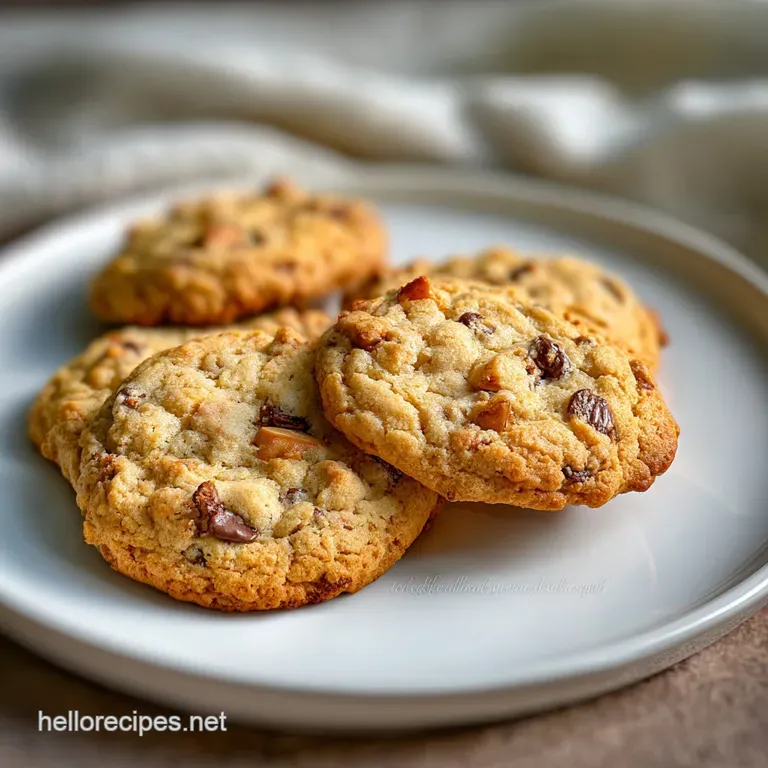
Right then, let's crack on. This is where we build the layers of flavor and texture.
- Prep the oven. Preheat your oven to 400°F. Note: High heat is the key to the crust.
- Mix dry ingredients. Whisk the AP flour, cake flour, baking soda, cornstarch, and salt.
- Cream the butter. Beat the cold cubed butter and both sugars for 4 minutes until grainy but combined.
- Add liquids. Mix in the cold eggs and vanilla one at a time.
- Fold in drys. Gradually add the flour mixture on low speed until just a few streaks of flour remain.
- Add chocolate. Fold in the chocolate chips by hand to avoid overworking the gluten.
- Scale the dough. Weigh out 6 ounce portions and roll them into rough, craggy balls.
- Chill the dough. Place the balls in the fridge for at least 2 hours. Note: This prevents excessive spreading.
- Bake the cookies. Space them far apart and bake for 10-12 minutes until the tops are dry and lightly golden.
- Rest and set. Let them sit on the hot pan for 15 minutes until they are firm enough to lift.
Solving Common Texture and Dough Consistency Problems
Even the best of us hit a snag sometimes. The most common mistake I made early on was over mixing. If you see your dough looking shiny, stop immediately! That's the butter melting from the friction of the mixer.
Fixing Excessive Cookie Spread
If your Kroll's Cookies look like puddles, your butter was likely too warm or you didn't chill the dough long enough. The 2 hour chill is not a suggestion, it's a requirement for the physics of this recipe to work.
Solving Raw Center Issues
There is a fine line between fudgy and raw. If the center feels like liquid dough after cooling, you might need to lower your oven rack. The middle should be soft like a truffle, not runny like batter.
Preventing Burnt Cookie Bottoms
Because we bake at such a high temperature, the bottoms can catch quickly. If your oven runs hot, try "double panning" by stacking one baking sheet on top of another. This creates an air buffer that protects the base of your cookies.
| Problem | Root Cause | Solution |
|---|---|---|
| Flat Cookies | Butter was too warm | Use butter straight from the fridge and chill dough. |
| Dry/Crumbly | Too much flour | Use a scale to measure exactly 280g and 120g. |
| No "Shatter" | Oven temp too low | Verify oven temp with a thermometer; must be 400°F. |
Common Mistakes Checklist:
- ✓ Didn't use a scale (volume measurements for flour are notoriously inaccurate)
- ✓ Substituted the cake flour for all AP flour (leads to a tough, bready cookie)
- ✓ Skipped the 2 hour fridge chill (results in a greasy, flat mess)
- ✓ Over mixed after adding eggs (creates too much air and makes them collapse)
- ✓ Opened the oven door too often (drops the "searing" heat needed for the crust)
Innovative Dietary Adaptations and Smart Ingredient Swaps
Scaling this recipe up for a party? It works perfectly. Just remember that you'll need to work in batches. If you double the recipe, only increase the salt and spices to 1.5x to keep the flavors balanced. For a different flavor profile, you could even try the base logic of a Soft Pumpkin Cookies recipe but keep the massive 6 ounce scale.
Peanut Butter Cookie Variation
Substitute half of the butter with 115g of cold, firm peanut butter. You'll get a dense, nutty version that mirrors the Krolls Korner peanut butter cookies style. It’s incredibly rich and pairs well with dark chocolate chunks.
Cookies and Cream Twist
Fold in 1 cup of crushed chocolate sandwich cookies along with the chocolate chips. This is a favorite for kids and adds a nice "crunch" factor to the velvety middle.
Classic Sugar Cookie Base
Remove the chocolate chips and increase the vanilla to 2 tsp. Roll the dough balls in coarse sparkling sugar before baking for a massive, high end sugar cookie that shatters when you bite into it.
| Feature | Stovetop Skillet | Classic Oven Tray |
|---|---|---|
| Heat Source | Bottom up conduction | Multi directional convection |
| Edge Texture | Caramelized/Chewy | Crispy/Shatter like |
| Center Texture | Ultra gooey | Soft/Velvety |
Optimal Storage Guidelines and Efficient Reheating Methods
Storing these behemoths is easy because their density naturally keeps them from drying out. Keep them in an airtight container at room temperature for up to 4 days. If you find yourself with extras (lucky you!), the technology of these cookies allows them to freeze beautifully.
For zero waste, save any "crumbs" from the bottom of the pan. I like to pulse them in a blender and use them as a crust for cheesecake or a topping for yogurt. It’s a sustainable way to make sure every gram of that high-quality butter and flour is enjoyed.
- Fridge: Up to 1 week in a sealed container.
- Freezer: Up to 3 months. Wrap individual cookies in plastic wrap before bagging.
- Reheating: The best way to revive that "freshly baked" feel is in a 350°F oven for 5 minutes. Avoid the microwave if you want to keep the "shatter" on the edges.
Creative Ways to Serve and Enjoy Cookies
A 6 ounce cookie is basically a meal, so I like to serve them sliced into wedges like a tart. If you want to go all out, serve them warm with a scoop of cold vanilla bean ice cream. The temperature contrast is pure gastronomy.
Don't be afraid to experiment with the size. If 6 ounces feels too daunting, you can scale them down to 3 ounces, but you’ll need to reduce the bake time to about 8-9 minutes. Just keep an eye on that golden brown crust!
Another great tip is to use these as the base for an epic ice cream sandwich. Because they are so sturdy, they won't crumble under the weight of the ice cream. If you're looking for something even more decadent, you could try a similar stuffing technique as found in the BrownieStuffed Chocolate recipe.
The Truth About Baking Myths: "You must use room temperature eggs." Actually, for this specific over high heat method, cold eggs help keep the dough temperature down, which prevents spreading. "Over mixing doesn't matter for cookies." It absolutely does!
Over mixing develops gluten, turning your velvety treat into a tough, rubbery disk. "Silpat mats are better than parchment." Not always. For these cookies, parchment paper allows for better bottom heat conduction, which helps create a crispier base.
Kroll's Cookies FAQs
What is Kroll's Korner known for?
Massive, bakery style cookies with a high heat, cold fat technique. They are renowned for their 6-ounce size, creating a fudgy center with a distinct crispy, golden brown shell, defying typical cookie expectations.
Who makes the best mail order cookies?
It's subjective, but Kroll's Cookies are a top contender. Their unique baking method delivers exceptional texture and flavor that many find superior to mass produced options. For a taste of their signature style, consider trying recipes that mimic their cold fat, high heat approach.
What makes Cheryl's cookies so special?
Cheryl's cookies are known for their distinctively soft, cake like texture and decorative frosting. While Kroll's focuses on a "shatter" effect and dense center, Cheryl's aims for a melt-in-your mouth consistency, often featuring classic flavors and seasonal designs.
What are Taylor Swift's cookies called?
Taylor Swift is famously known for her "Diet Coke & Chocolate Chip Cookies." While not a specific brand name, it refers to a very popular recipe she's shared, often associated with the recipe found in MM Cookies My Chunky Peanut Butter Dream Come True, which shares a similar philosophy of substantial, satisfying cookies.
Can I use all-purpose flour instead of cake flour in Kroll's Cookies?
No, it's not recommended for the intended texture. While you can substitute, using only all-purpose flour will result in a tougher, bread like cookie. The dual flour blend is crucial for achieving that velvety crumb, similar to how we balance flours in My GoTo Wedding Cookies Recipe Snowy Buttery Bliss for tenderness.
How do I prevent Kroll's Cookies from spreading too much?
Chill the dough thoroughly for at least 2 hours. This step is critical because it solidifies the cold butter, preventing it from melting too quickly and causing the cookies to spread excessively in the high heat.
This technique of controlling fat temperature is key to achieving the desired height and texture.
Why are Kroll's Cookies baked at such a high temperature?
The high heat (400°F) creates a "sear" effect. This shocks the dough, causing the exterior to set rapidly and "shatter" into a crisp shell while the interior remains soft and fudgy. It's a technique focused on thermal resistance, much like how searing locks in juices in meats.
Kroll S Cookies
Ingredients:
Instructions:
Nutrition Facts:
| Calories | 580 kcal |
|---|---|
| Protein | 6.3 g |
| Fat | 29.4 g |
| Carbs | 75.2 g |
| Fiber | 2.4 g |
| Sugar | 46.1 g |
| Sodium | 355 mg |
