Ultimate Italian Mac and Cheese with Sausage
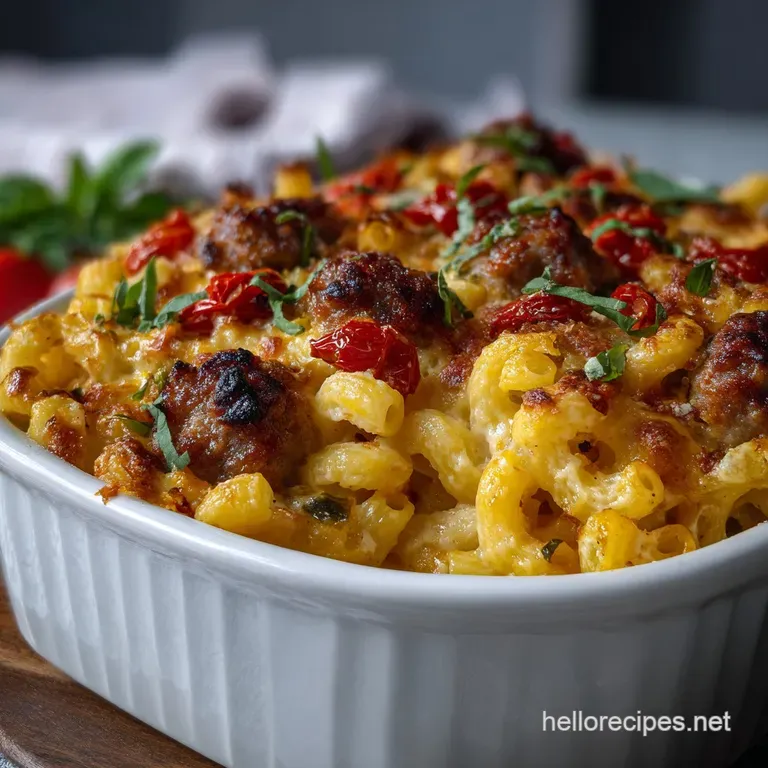
- Effort/Time: 55 minutes total (Moderate effort)
- Flavor Hook: Spicy Italian sausage meets a trifecta of melting Italian cheeses.
- Perfect for: Crowd-pleasing Sunday dinners or high-end meal-prepping.
- The Ultimate Italian Mac and Cheese: A Gourmet Fusion
- Why This Recipe Works: The Science of Italian Flavors
- Essential Ingredients and Easy Substitutions
- Step-by-Step Instructions for the Perfect Bake
- Expert Tips and Common Mistakes to Avoid
- Common Myths
- Storage and Freezing Instructions
- Serving Suggestions and Perfect Pairings
- Recipe FAQs
- 📝 Recipe Card
The Ultimate Italian Mac and Cheese: A Gourmet Fusion
Most homemade pasta bakes end up in one of two tragedies: a dry, grainy mess or a pool of grease. You’ve probably been there pulling a dish out of the oven only to find the cheese has separated and the noodles are mush.
It’s frustrating because you spent thirty bucks on "good" cheese just for it to fail.
I’ve ruined more batches of Italian Mac and Cheese than I care to admit. I used to think pre-shredded cheese was a time saver, but the cellulose coatings are the enemy of a smooth sauce. This recipe is the result of obsessive testing to ensure every noodle is cloaked in a stable, glossy emulsion.
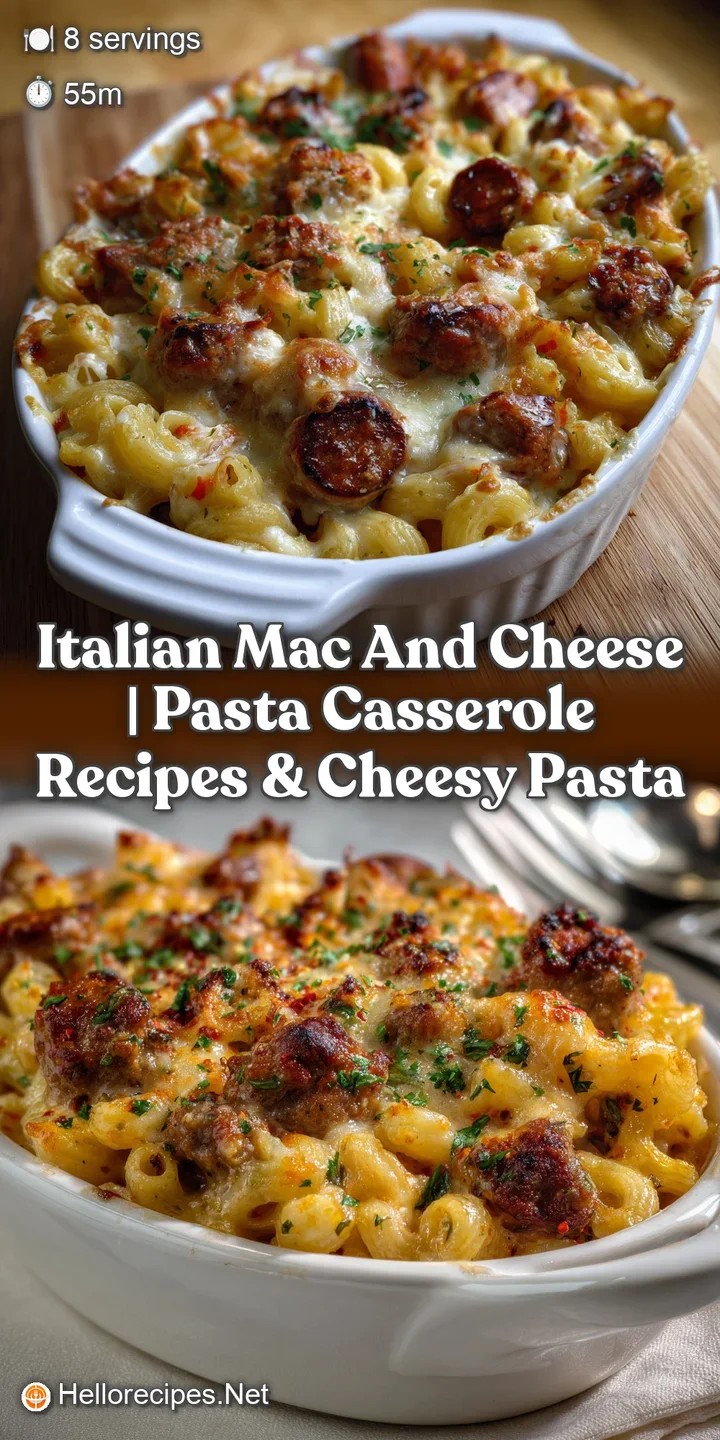
The secret lies in the physics of the roux and the specific moisture content of Fontina. When you pull this out of your Lodge Cast Iron Skillet, the panko crust will shatter under your fork, revealing a creamy interior that smells of toasted nutmeg and browned garlic.
This is the Italian Mac and Cheese Recipe that finally solves the "grainy sauce" problem.
Why This Recipe Works: The Science of Italian Flavors
- Starch Gelatinization: Boiling the Barilla Cavatappi2 minutes short of al dente allows the pasta to finish cooking in the sauce, absorbing excess moisture without losing structural integrity.
- Emulsion Stability: Using whole milk and heavy cream provides a high fat-to-protein ratio, which prevents the cheese proteins from clumping into a "rubbery" mass when heated.
- Maillard Reaction: Searing the 1 lb Italian Sausage at high heat creates melanoidins, which provide the savory, umami backbone that balances the richness of the dairy.
Blending American Soul Food with Italian Sophistication
Standard American versions often rely on sharp cheddar, which has a high acidity that can break easily under high heat. By shifting to an Italian Mac and Cheese Bake style, we utilize cheeses with lower melting points and higher elasticity.
This fusion keeps the soul of comfort food but adds the complexity of a Tuscan trattoria.
Why Fontina and Parmesan Create the Perfect Melt
Fontina is the MVP of this Italian Mac and Cheese. It’s a "washed rind" style cheese, meaning it has a high moisture content and a low melting point (around 140°F).
When paired with 0.5 cups Parmigiano Reggiano, you get the stretch of the Fontina and the crystalline, salty punch of the aged Parmesan.
Elevating Comfort Classics with Spicy Italian Sausage
The 1 lb Italian Sausage isn't just a topping; it's a flavor foundation. The rendered fat from the sausage (lipids) infuses the 4 tbsp Unsalted Butter in the roux, carrying the spice of the fennel and red pepper flakes throughout the entire dish.
This is why this Italian Mac and Cheese with Sausage tastes layers deep.
Essential Ingredients and Easy Substitutions
The Science Behind Italian Sausage
- What It Does
- Provides protein structure and essential fat for the flavor base.
- The Chemistry
- Fat acts as a solvent for aromatic compounds in the spices, while the Maillard reaction creates savory depth.
- Why This Matters
- It ensures the Italian Mac and Cheese isn't just "cheesy" but has a complex, meaty profile.
The Science Behind Fontina Cheese
- What It Does
- Acts as the primary emulsifier and creamy base for the sauce.
- The Chemistry
- Its specific protein-to-fat ratio allows it to melt into a liquid state without the proteins shrinking into hard grains.
- Why This Matters
- It creates a velvety mouthfeel that remains stable even as the dish cools slightly.
| Original Ingredient | Substitute | Why It Works |
|---|---|---|
| 2 cups Fontina | Gruyère | Similar high fat, low-melt profile. Note: Adds a slightly more earthy, Swiss inspired funk. |
| 1 lb Cavatappi | Cellentani or Penne | Ridged surfaces (extrusion dies) help the sauce cling via surface tension. |
| 1 cup Heavy Cream | Whole Milk + 1 tbsp Butter | Maintains the lipid density required for a non-breaking Mornay sauce. |
Choosing the Best Pasta Shape for Mornay Sauce
For this Italian Mac and Cheese Recipe, skip the elbows. Use Barilla Cavatappi. The double helix shape acts like a literal screw, pulling the thick Mornay sauce into its center. If you love variety, this sauce also works beautifully in my Baked Tortellini Tomato and Meat Sauce: Easy Cheesy Casserole.
Fresh vs. Dried Herbs: Maximizing Aromatic Impact
We use 1 tsp Dried Oregano in the sauce because dried herbs withstand the 35 minute bake time without turning bitter. However, the 2 tbsp Fresh Parsley is added at the end.
Heat destroys the volatile oils in fresh parsley, so keeping it raw preserves that bright, grassy finish that cuts through the heavy fat of the Italian Mac and Cheese.
step-by-step Instructions for the Perfect Bake
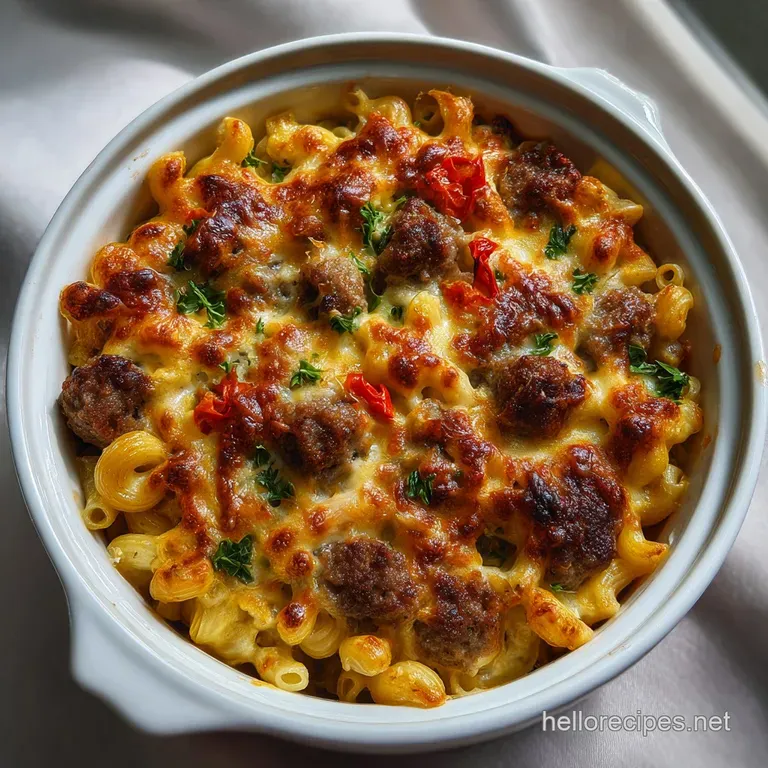
Searing the Spicy Sausage and Aromatics
Brown 1 lb Italian Sausage in a Lodge 12 inch Cast Iron Skillet over medium high heat. Note: Rendering the fat early provides a flavored lipid base for your roux, enhancing the overall "meatiness" of the sauce.
Add 2 cloves minced garlic and 1 tbsp Extra Virgin Olive Oil once the meat is browned. Note: Sautéing garlic for only 30 seconds prevents the sulfur compounds from turning acrid and bitter.
Mastering the Stovetop Roux and Mornay Emulsion
Melt 4 tbsp Unsalted Butter and whisk in 0.25 cups All-purpose flour for 2 minutes. Note: This "blond roux" cooks out the raw starch flavor while maintaining maximum thickening power through starch swelling.
Slowly stream in 3 cups Whole milk and 1 cup Heavy cream, whisking constantly. Note: Gradual addition prevents clumps by allowing the flour granules to hydrate evenly within the liquid matrix.
Whisk in 2 cups Fontina, 1 cup Mozzarella, and 0.5 cups Parmigiano Reggiano until smooth. Note: Removing the pan from direct heat before adding cheese prevents "protein tightening," which causes oil separation.
Achieving the Ideal Golden Brown Pasta Crust
Fold the cooked Barilla Cavatappi into the sauce and transfer to a baking dish. Note: Ensuring the pasta is completely submerged prevents the top layer of noodles from becoming hard and dry.
Combine 1 cup Panko breadcrumbs, 2 tbsp melted butter, and 0.25 cups Parmesan. Note: The large surface area of Panko creates a "shatter" texture that standard breadcrumbs cannot replicate.
Bake at 375°F for 20 minutes until the edges bubble and the top is golden. Note: over High heat finishing triggers the final stage of the Maillard reaction on the crust.
Expert Tips and Common Mistakes to Avoid
| Problem | Why It Happens | The Fix | Pro Protocol |
|---|---|---|---|
| Grainy Sauce | Pre-shredded cheese or overheating. | Use block cheese and lower the heat. | Use a ThermoPro Digital Thermometer; don't let sauce exceed 175°F before baking. |
| Mushy Pasta | Overboiling the noodles initially. | Boil 2 3 mins less than package directions. | Taste a noodle at 6 minutes; it should be firm/white in the very center. |
| Dry Mac | Pasta absorbed all the sauce. | Increase milk/cream ratio or don't over bake. | Ensure sauce looks "too loose" before it goes into the oven; it thickens as it sets. |
Common Myths
Myth: You must rinse pasta to prevent sticking. Truth: Rinsing removes the surface starch. In an Italian Mac and Cheese, you need that starch to help the Mornay sauce bond to the noodle.
Myth: "low-fat" milk works just as well. Truth: Fat is an emulsifier. Using skim milk will almost guarantee a broken, watery sauce because there aren't enough lipids to hold the cheese proteins in suspension.
Storage and Freezing Instructions
Yes, Italian Mac and Cheese freezes for up to 3 months when stored in an airtight, freezer safe container.
To freeze, allow the bake to cool completely to room temperature. Wrap tightly with plastic wrap, then aluminum foil to prevent freezer burn. When you're ready to eat, thaw in the fridge for 24 hours. If you're looking for another freezer friendly pasta, my Easy Bacon and Pea Pasta: Velvety Sauce in 25 Minutes is a great weeknight alternative.
Serving Suggestions and Perfect Pairings
How to Prevent a Grainy Cheese Sauce
Always grate your cheese from a block using a KitchenAid Box Grater. The starch added to pre-shredded bags is designed to absorb moisture, which is exactly what you don't want in a creamy Italian Mac and Cheese Recipe.
By grating fresh, you preserve the natural moisture of the Fontina, ensuring a silkier result.
Reheating Your Italian Mac and Cheese for Maximum Creaminess
Never microwave on high power. The intense waves cause the fats to separate instantly, leaving you with a puddle of oil. Instead, reheat in a 300°F oven with a splash of milk and a foil cover. This gently re-hydrates the starch network without breaking the emulsion.
Wine Pairings and Side Dishes to Balance the Richness
A crisp, high acidity white wine like a Pinot Grigio or a Vermentino works best. The acid cuts through the heavy fat of the Italian Mac and Cheese with Sausage. If you're feeling fancy after dinner, try a Blood and Sand Cocktail: Master the Classic 1:1:1:1 Scotch Drink to balance the savory palate with a touch of cherry and orange.
Making Your Italian Bake Ahead of Time
You can assemble this Italian Mac and Cheese Bake up to 24 hours in advance. Keep the panko topping separate and add it right before sliding the dish into the oven. This prevents the breadcrumbs from absorbing moisture from the sauce and becoming soggy. If you love the idea of a prepped ahead meal, you might also enjoy the robust flavors in a Beer Cheese Soup: The Ultimate Creamy, Non-Gritty Pub Classic Recipe.
This Italian Mac and Cheese is more than just a meal; it's a technical triumph of texture and flavor. By respecting the science of the roux and choosing the right Italian fats, you’re serving a dish that’s as refined as it is comforting. Enjoy that first "shatter" of the crust!
Recipe FAQs
Is Fontina essential for texture?
Fontina offers superior melt. Its high moisture and fat content ensure a silky Mornay base, unlike drier cheeses. This creaminess is key to coating pasta evenly.
Can I use pre-shredded Parmesan?
No. Pre-shredded cheese contains anti caking agents. These additives block the proteins from dissolving correctly into the roux, leading to separation. It's best to grate from a block for smooth sauce integration.
What if my Mornay sauce breaks?
Reheating the sauce too fast causes emulsion failure. Thermal shock destabilizes the fat-water matrix holding the sauce together, resulting in visible oil droplets.
- Lower the heat immediately
- Whisk in a tablespoon of ice-cold water
- Stir consistently until cohesive
Can I use mild Italian sausage instead of spicy?
Yes, mild sausage works well. Mild sausage emphasizes the nutty Fontina flavor profile without the residual heat. For a contrast in sides, consider the tangy notes in the Quintessential Broccoli Salad with Bacon Cheese Recipe.
Does adding Dijon mustard affect Italian flavor?
Dijon mustard is a flavor enhancer, not a dominant taste. Its mild acidity brightens the heavy dairy and fat, acting as a flavor catalyst without tasting overtly French. It helps stabilize the sauce, similar to using an acid.
Myth: Heavy cream is required for richness.
Myth: Heavy cream is required for richness. Reality: A properly constructed Mornay using butter, flour, and whole milk yields adequate richness. Fat content in cheese selection contributes more than liquid choice.
Should I use whole wheat pasta?
Use high-quality bronze die pasta for best sauce cling. The rough, porous surface texture created by bronze dies grips the thick Mornay sauce better than smooth, Teflon die pasta. This is vital for achieving the velvet like coating described.
Italian Mac And Cheese Bake
Ingredients:
Instructions:
Nutrition Facts:
| Calories | 802 kcal |
|---|---|
| Protein | 34.6 g |
| Fat | 47.1 g |
| Carbs | 56.1 g |
| Fiber | 2.4 g |
| Sugar | 5.2 g |
| Sodium | 1180 mg |
