Italian Christmas Appetizers: Festive No-Bake Prosciutto Ricotta Involtini
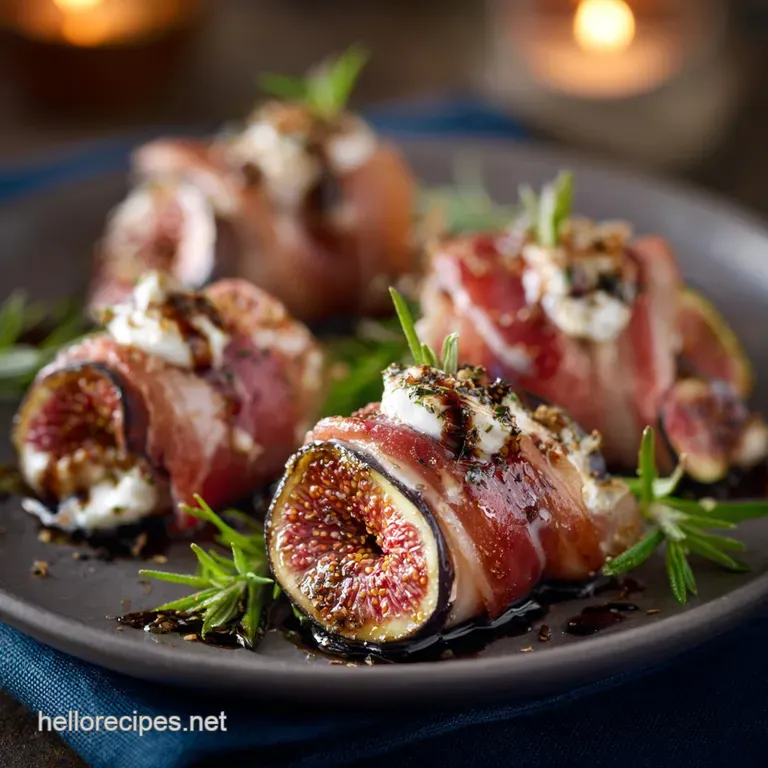
- The Ultimate No-Bake Italian Christmas Appetizers: Prosciutto Ricotta Involtini
- Gathering Your Essentials: Ingredients for Elegant Italian Appetizers
- The Science of Antipasti Perfection: Why These Involtini Shine
- Rolling Perfection: Step-by-Step Guide to Assembling Your Involtini
- Elevating Your Spread: Chef’s Secrets and Troubleshooting Involtini
- make-ahead Mastery: Storage, Assembly Timeline, and Freezing Notes
- Festive Pairings: What to Serve Alongside Your Creamy Prosciutto Rolls
- Recipe FAQs
- 📝 Recipe Card
The Ultimate No-Bake Italian Christmas Appetizers: Prosciutto Ricotta Involtini
Can you already smell the holiday chaos and the hint of citrus? That is the aroma of a proper Italian Christmas Eve, or Vigilia , about to begin. We’re aiming for elegant simplicity here, where the creamy tang of fresh ricotta meets the salty whisper of cured prosciutto.
Trust me, the texture of these tiny rolls is absolutely irresistible.
Let’s be honest, your oven is going to be maxed out dealing with seven fishes or some epic roast. This appetizer, known as involtini (little rolls), is the ultimate holiday lifesaver because it’s 100% no-bake.
It looks incredibly complicated, yet you can assemble it in under 20 minutes, chill it, and forget about it until slicing time. This is how you win the party without stressing out.
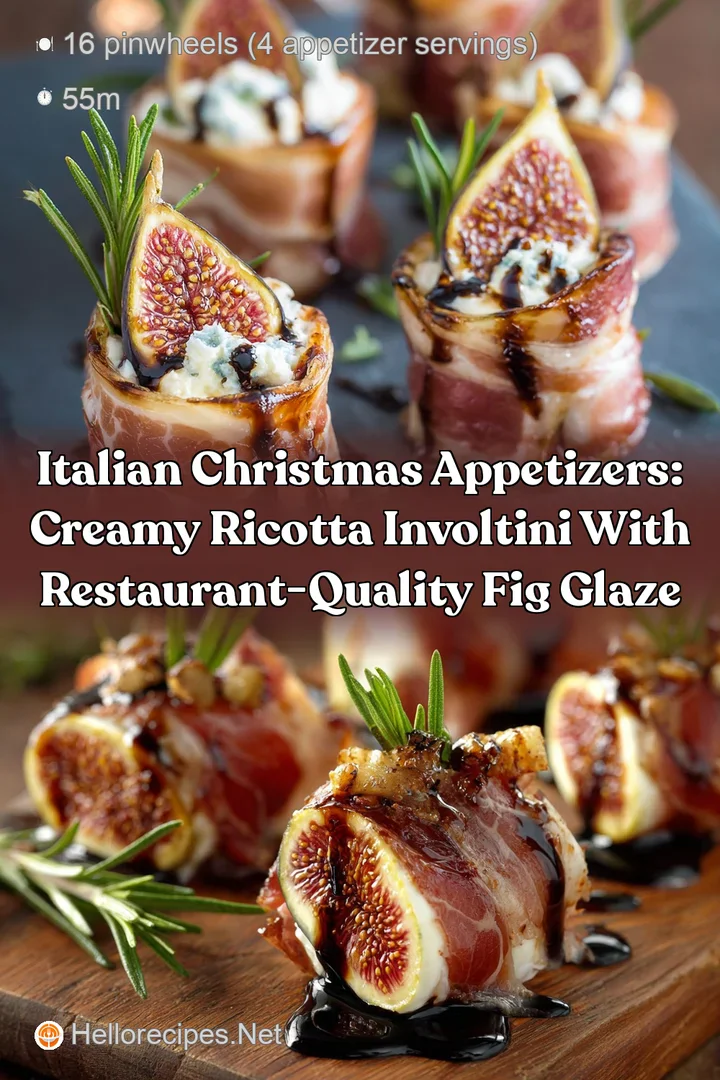
We aren’t just making little meat and cheese rolls, my friends. We are creating show stopping Italian Christmas Appetizers that elevate the entire spread. So drain that ricotta, get that balsamic reducing, and let’s crack on with the recipe for these festive pinwheels.
The Role of Antipasti in the Italian Christmas Eve Feast
The antipasti course is not just a starter; it’s the welcoming fanfare for your Italian Christmas table. It sets the tone, offering contrasting textures and bold flavors to whet the appetite. We want small, potent bites that are easy to manage while standing around the tree.
These involtini perfectly embody that spirit: simple elegance and intense, satisfying flavor. Plus, using traditional ingredients like Parmigiano and Prosciutto instantly grounds the dish in that beautiful Italian tradition.
What Makes an Involtino the Ideal Elegant Bite?
The brilliance of the involtino is its versatility and neatness. You get a perfect balance of protein, fat, and acid in a single, two-bite package. Because the filling is chilled and firm, there is no messy dipping or complicated utensil work required.
It’s the ideal choice for Italian Christmas finger food because it travels well from the kitchen and stays beautiful on the plate. People love tiny food that looks like it came from a fancy deli.
A Flavor Profile: Salty Prosciutto Meets Sweet Glaze
This recipe balances the saltiness of the cured meat with the creamy, neutral ricotta, but the real star is the glaze. The fig preserves and balsamic reduction add a deep, almost wine like sweetness and a vital acidic punch. Without that sharp acidity, the dish would feel too heavy.
The quick glaze is a total game changer, moving this from a basic cheese roll to a genuinely sophisticated appetizer. Don’t skip the nutmeg in the filling; it adds a subtle warmth that screams "holiday."
Gathering Your Essentials: Ingredients for Elegant Italian Appetizers
We are dealing with minimal ingredients, so quality truly matters here. If you can, splurge on a good, aged balsamic vinegar and fresh ricotta. This is where you taste the difference.
Chef's Note: Since we aren't cooking the prosciutto, its flavor is completely raw and exposed. Thinly sliced, high-quality, melt-in-your mouth meat is mandatory for this recipe.
The Science of Antipasti Perfection: Why These Involtini Shine
The magic of these no-cook rolls hinges entirely on structure and texture. We aren't baking these rolls to set the filling; we are relying purely on cold temperatures and gravity defying dryness. If the filling is too wet, the whole thing slides apart.
The fig-balsamic reduction is cooked quickly to enhance the natural sugars, creating a viscosity that allows it to stick perfectly to the prosciutto without running. It’s all about creating firm internal structure against a delicate outer shell.
Selecting the Right Cut: Prosciutto Thinness is Non-Negotiable
If your prosciutto is sliced too thick, it will tear when you roll it, and it will feel heavy and chewy in the mouth. Ask the deli counter to slice it almost transparently thin. This ensures the prosciutto is delicate enough to melt when you bite into it.
Thinness also allows the saltiness to blend evenly with the creaminess of the ricotta. If the pieces are too small for your 10x12 sheet, slightly overlap them lengthwise to form a smooth surface.
Detailed Notes on Using Whole Milk vs. Part Skim Ricotta
Always use whole milk ricotta. Part skim ricotta has a higher water content, which makes it incredibly difficult to drain properly. Even if you drain it for hours, it often retains a grainy, loose texture.
Whole milk ricotta is naturally thicker, creamier, and creates a much more stable filling once mixed with the grated Parmigiano Reggiano. Do not skip the draining step, even for whole milk ricotta.
| Ingredient | Viable Substitute | Why It Works |
|---|---|---|
| Prosciutto | Thinly Sliced Speck or Bresaola | Speck is smoked, offering a richer flavor; Bresaola is leaner beef, offering a different texture. |
| Whole Milk Ricotta | Full Fat Cream Cheese (Whipped) | Cream cheese is naturally dense and holds its shape better, but use less salt. |
| Fig Preserves | Apricot Jam or Honey | Offers the necessary sweetness and viscosity for the glaze. |
| Chives & Basil | Fresh Rosemary & Thyme | Swap for a more traditional, woodsy holiday herb profile. |
Crafting the Quick, Homemade Fig-Balsamic Reduction
Many recipes call for bottled balsamic glaze, but making your own ensures superior flavor. We combine the balsamic vinegar with fig preserves. The fruit already contains pectin, which helps the vinegar thicken up incredibly quickly.
Keep the heat low when reducing it; a hard boil can make the glaze taste burnt or overly sharp. You want a slow simmer until it coats the back of a spoon lightly, then let it cool. It thickens beautifully as it reaches room temperature.
Why Fresh Herb Infusions are Critical for No-Cook Dishes
Since we aren’t cooking the filling, the flavor must come entirely from the ingredients themselves. Dried herbs are harsh and woody here. Fresh chives and basil provide a vibrant, clean flavor that cuts through the richness of the cheese and salt.
The herbs also add lovely flecks of green, making the cross section of the involtino much more visually appealing. Don’t use too much, though; you don't want to overwhelm the delicate prosciutto.
Rolling Perfection: step-by-step Guide to Assembling Your Involtini
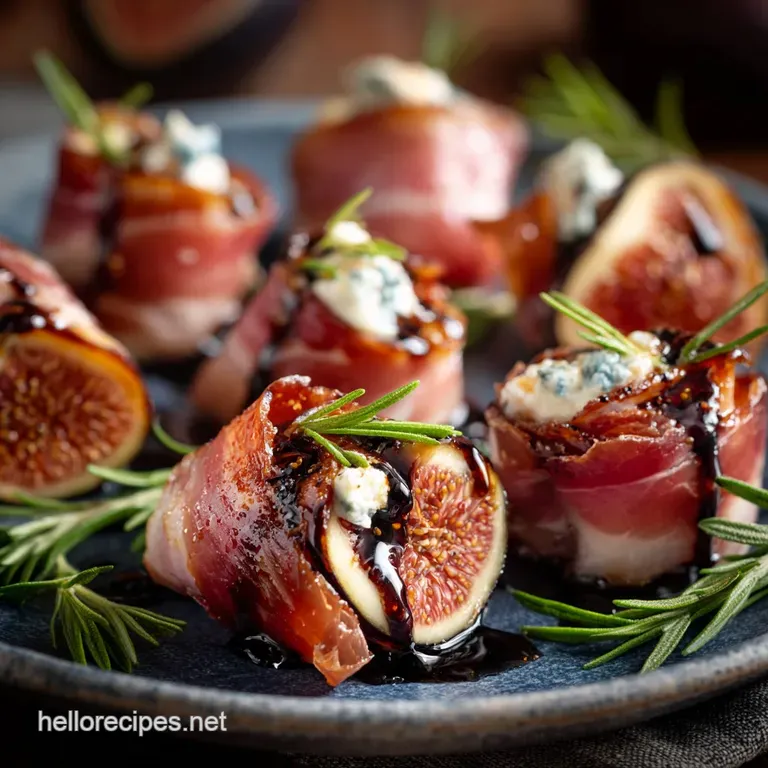
This is the fun part, but you must be neat and tidy. Think of yourself as an Italian pastry chef doing precision work. We are creating a tight, dense log that will slice cleanly.
Preparing the Herbed Ricotta Filling and Setting Up the Station
Remember that drained ricotta? Mix it gently with the Parmesan, herbs, and spices, ensuring everything is just combined. Overmixing releases more moisture, so keep your strokes slow and deliberate.
Using a piping bag is not strictly necessary, but it makes the assembly 100 times cleaner, laying down an even, beautiful line of filling. Lay your plastic wrap out and lightly brush it with oil; this tiny step makes unwrapping a dream, avoiding rips.
The Secure Roll: Technique for Preventing Filling Spillage
When you roll, use the plastic film as a guide and a supportive backing. Start with the edge closest to you, lifting and folding the prosciutto over the filling. Push the filling back slightly as you start the roll to keep it tight.
Roll it like a tight Italian cigar. Tighter is always better. Once the log is formed, twist the ends of the plastic wrap hard in opposite directions, creating tension that compacts the roll and forces it into a perfect circle.
Glazing and Garnish: Mastering the Final Presentation
Wait to glaze until the very last minute! The glaze can soften the prosciutto if it sits for hours. A light drizzle is perfect; use a spoon to sweep thin lines across the arranged pinwheels.
For garnish, I love using arugula microgreens because they add a peppery contrast, but a tiny sprig of fresh basil works just as well. This final step adds height and color, making these Italian Christmas appetizers truly festive.
Elevating Your Spread: Chef’s Secrets and Troubleshooting Involtini
I once made the mistake of trying to substitute the Parmigiano with pre-grated dry stuff, and the filling tasted like sad sawdust. Always grate the cheese fresh. The moisture content and richer flavor of fresh Parmesan are essential to making the ricotta mixture rich and stable.
Taming Runny Ricotta: Quick Fixes for Too-Wet Filling
If you mixed your filling and realized it’s too soft, don't panic! You have two immediate fixes. First, vigorously stir in another 1/4 cup of grated Parmigiano Reggiano this dense cheese acts as a powerful binder.
Second, if it’s still too loose, line a fine mesh sieve with cheesecloth, dump the filling in, and let it drain in the fridge for another 30 minutes before piping.
Presentation Magic: Using Pistachios or Chives for Texture
While the glaze is the liquid component, you need a crunch. Finely chopped pistachios sprinkled over the involtini right before serving adds an amazing color and a necessary textural contrast to the silky filling. Alternatively, use finely diced chives to outline the pinwheels.
I love serving these alongside a classic for balance, like the crunchy textures in my Thanksgiving Appetizers and Finger Foods: Easy Sage Cranberry Rolls .
make-ahead Mastery: Storage, Assembly Timeline, and Freezing Notes
These involtini are genuinely designed to be make-ahead champions. The key is knowing exactly when to stop and when to finish the final touches.
How Long Can Assembled Involtini Be Refrigerated?
You can assemble the involtini log (wrapped tightly in plastic) up to 48 hours ahead of time. Store the entire log on a flat surface in the coldest part of your fridge.
When you are ready to serve, slice the log, arrange the pinwheels, and immediately apply the glaze.
Once sliced, the rolls are best consumed within 2 hours because the edges will slowly dry out or the glaze will begin to run.
Why Freezing is Not Recommended for Prosciutto and Ricotta
But does it freeze well? Absolutely not. Dairy products like ricotta have a high water content. When frozen, the water crystals expand, completely separating the cheese texture, leaving it grainy, wet, and unusable upon thawing. The prosciutto will also lose its delicate, silky quality and become oddly stiff.
Stick to chilling; these are quick enough not to require long term storage!
Festive Pairings: What to Serve Alongside Your Creamy Prosciutto Rolls
Building a cohesive Italian Christmas Appetizer buffet means balancing salt, creaminess, and acidity. Don't be afraid to mix homemade items with simple store-bought additions.
Wine and Cocktail Pairings for Savory, Sweet Appetizers
Because these involtini are simultaneously salty, rich, and sweet, you need a bright, crisp beverage. A chilled Prosecco is classic its light bubbles and low residual sugar clean the palate perfectly.
If you prefer white wine, look for a crisp Italian Vermentino to match the acidity of the glaze.
For a non-alcoholic option, try a simple sparkling cranberry or pomegranate spritzer. The tartness is key! If you need a great cranberry recipe for the big day, try this Christmas Cranberry Sauce: The Chefs Easy Recipe with Orange Spices .
Creating a Cohesive Italian Christmas Appetizer Buffet
Variety is the secret to a great spread. Complement the richness of the involtini with acidic and briny items. Simple additions like high-quality marinated olives, a bowl of toasted Italian nuts, and pickled artichoke hearts are perfect.
To fill out the platter beautifully, consider adding some visually festive items. We often serve these alongside my Christmas Tree Deviled Eggs: The Show Stopping Festive Appetizer — the colors contrast perfectly. Always provide thin, crispy breadsticks ( Grissini ) for those who want a crunchier vehicle for the leftover glaze.
Recipe FAQs
How do I ensure my ricotta filling isn't too runny or wet?
The key to a firm filling is proper drainage. Place the fresh ricotta in a fine mesh sieve over a bowl for at least 30 minutes prior to mixing. Adding a small amount of finely grated Parmesan also helps bind excess moisture while significantly boosting the savory flavor.
How far in advance can I prepare these Involtini, and how should I store them?
You can prepare the filled and rolled appetizers up to 6 hours in advance. Store them tightly covered in a single layer on a platter in the refrigerator. Importantly, wait to apply the fig-balsamic glaze until just before serving to prevent the prosciutto from becoming soggy.
Can I make these Involtini vegetarian or suitable for a mixed diet?
Yes, for a vegetarian option, replace the prosciutto with thin slices of fire roasted red bell pepper or wide, lightly grilled zucchini ribbons. Ensure the ricotta filling is robustly seasoned with salt, pepper, and fresh herbs to compensate for the missing saltiness of the cured meat.
My prosciutto slices keep tearing when I try to roll them. What am I doing wrong?
This issue often occurs if the slices are too thin or too cold. Allow the prosciutto to sit at room temperature for 5-10 minutes before handling, as this increases flexibility. Use a light hand and choose the widest slices available; precision is more important than speed here.
I don't have fresh figs for the glaze. What is a suitable substitution?
If fresh figs are unavailable, high-quality apricot jam or plum preserves work wonderfully. Combine the jam with the balsamic vinegar and heat gently until reduced to a thick, syrupy consistency, achieving a similar sweet tart complexity.
Should the Involtini be served cold, chilled, or at room temperature?
For the best flavor and texture, serve the Involtini slightly chilled or at room temperature. Removing them from the refrigerator about 15 minutes before serving allows the herbs and creamy ricotta filling to fully release their aromatics and enhance the overall taste experience.
Can I freeze the prepared Involtini if I have leftovers?
No, freezing is strongly discouraged for this type of appetizer. The high moisture content in the ricotta will cause it to separate, resulting in a grainy and unpleasant texture upon thawing. These are best consumed within 24 hours of preparation.
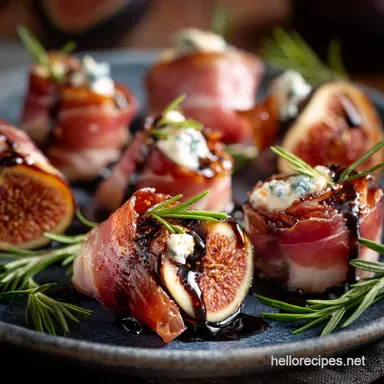
Italian Christmas Appetizer Involtini Rolls
Ingredients:
Instructions:
Nutrition Facts:
| Calories | 337 kcal |
|---|---|
| Protein | 20.6 g |
| Fat | 20.4 g |
| Carbs | 19.9 g |
