Pork Fried Rice (Takeaway King): High-Heat, Non-Greasy Flavour-Packed
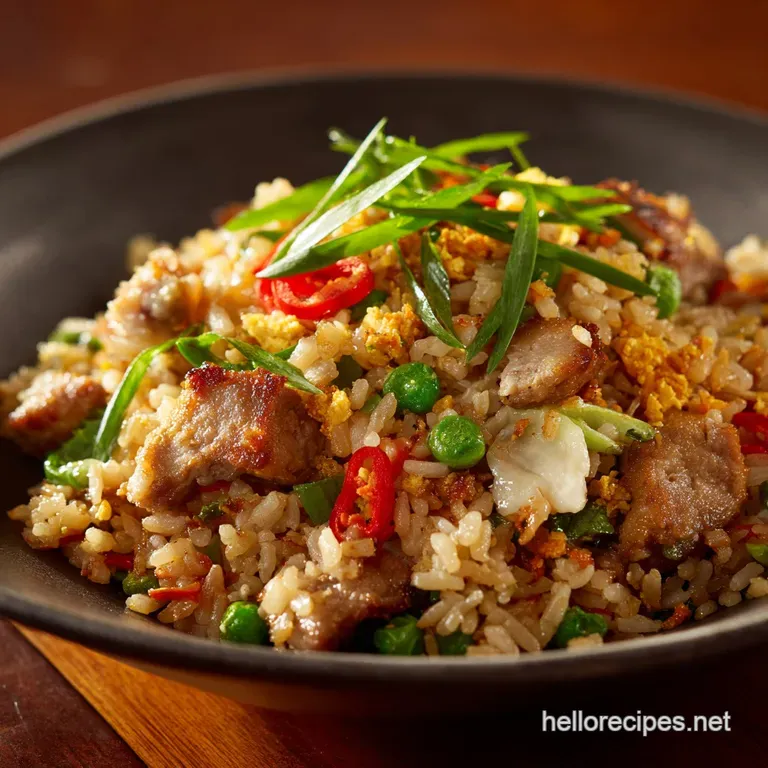
- Decoding the Secret to Restaurant-Quality Pork Fried Rice
- The Science of Fluffy Rice: Why Chilling is Non-Negotiable
- Essential Ingredients for Authentic Pork Fried Rice Flavor
- Mastering the Sequence: Step-by-Step Instructions for Wok-Fired Pork Fried Rice
- Troubleshooting Your Fried Rice: Chef's Tips and Avoiding Common Pitfalls
- Storage, Reheating, and Perfect Pairings
- Recipe FAQs
- 📝 Recipe Card
Decoding the Secret to Restaurant Quality Pork Fried Rice
Oh man, there is nothing quite like the smell of garlic and soy sauce hitting a searing hot pan. You know that moment? It’s the sound and aroma of pure comfort, signalling that the ultimate easy meal is about to hit the table.
This over High heat Pork Fried Rice recipe is the real deal, the one that makes you question why you ever bothered with takeout.
We’ve all been there, making a soggy, sad version at home that tastes nothing like the restaurant favourite. But this dish is truly a lifesaver because it’s fast, unbelievably cheap, and turns yesterday's leftovers into tonight's star.
Seriously, once you master the over high heat technique, you can have a perfect batch of Non-Greasy Pork Fried Rice ready in about twelve minutes flat.
I’m going to share the techniques I learned the hard way mostly involving a lot of gloopy, steamed rice catastrophes so you don't have to repeat my mistakes. Trust me, the difference between good Pork Fried Rice and great Pork Fried Rice is all about respecting the heat.
Let’s crack on and talk about the simple science that makes this work.
The Science of Fluffy Rice: Why Chilling is Non-Negotiable
What is 'Wok Hei' and Why It Matters for Fried Rice
Wok hei, or the "breath of the wok," is the magical, slightly smoky, caramelised flavour you get from cooking ingredients in an extremely hot wok. You simply cannot fake it. This over high heat cooking method instantly sears the ingredients, preventing them from stewing in their own moisture, which is the key to preventing the "soggy trap." If your wok isn’t smoking a little bit, it’s not hot enough.
The Difference Between Classic Fried Rice and Takeout Style
Classic fried rice, like this over High heat Pork Fried Rice Recipe, is all about texture and separation. Every grain should stand alone; it should be fluffy, dry, and distinctly smoky.
Takeout fried rice often uses more oil and usually relies on pre-cooked bulk ingredients, which is why it can sometimes taste a bit heavy. We’re aiming for that iconic, complex flavour profile but with a much lighter, Non-Greasy Pork Fried Rice finish.
Is Pork Fried Rice Difficult to Master?
Absolutely not, but it is a dance! The prep is incredibly simple, making this technically an easy dish. The medium rating comes from the speed required during the actual cooking; you need confidence at high temperatures, moving ingredients quickly and cooking in distinct stages.
Think of it as a series of quick sprints, not a long, slow marathon.
The Maillard Reaction: Browning the Pork for Maximum Umami
The Maillard reaction is just a fancy name for browning, and it’s where all the beautiful flavour comes from. When you sear the cubed pork separately and remove it from the pan, you ensure that the exterior gets that deep, golden brown crust before the interior overcooks. This step is critical for building a savoury foundation, just like when we get that deep sear on our perfect Creamy Bacon Pork Chops Recipe The Best Thyme Garlic Pan Sauce . We use a simple Pork Fried Rice Marinade to tenderise the meat quickly, making sure it stays silky and delicious.
Avoiding the 'Soggy Trap': Controlling Moisture in the Wok
Moisture is the enemy of great fried rice. Freshly cooked rice still holds too much water, which turns to steam when it hits the hot wok, effectively boiling your beautiful grains. This is why the Day-Old Rice Requirement is non-negotiable.
Cold, chilled rice is drier and firms up, allowing the high heat to flash fry it, giving you that lovely dry, fluffy result.
Building the Base: The Right Oil Temperature and Ratio
You need a high smoke point oil (peanut, canola, or avocado) and you need to let the wok get screaming hot before adding it. Once the oil shimmers, you have enough heat to start cooking immediately.
Using the right amount of oil is key; too little, and the rice sticks; too much, and you lose the wok hei, ending up with greasy rice. We cook everything sequentially, adding just a small amount of oil at each stage.
Essential Ingredients for Authentic Pork Fried Rice Flavor
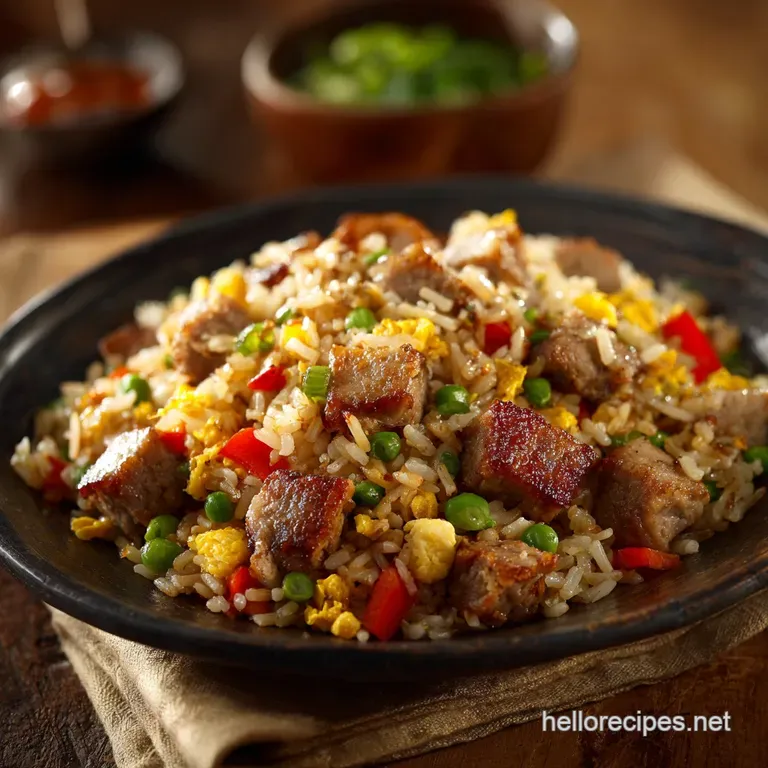
Selecting the Best Cut of Pork for Frying
I prefer lean pork tenderloin or a well trimmed pork shoulder for my Pork Fried Rice Ingredients. Tenderloin is quick to cook and extremely tender, while shoulder offers a bit more flavour complexity. We cut the pork into small, uniform cubes to ensure even cooking during the over high heat sear.
The Day-Old Rice Requirement: Jasmine vs. Other Grains
We covered this, but let me say it again: Use cold, chilled rice. Jasmine rice is my gold standard because it has a beautiful aroma and holds its shape well.
Medium grain white rice is also acceptable, but avoid short grain sticky rice or risotto rice they are far too starchy and will clump instantly.
The Ultimate Sauce Blend: Soy Sauce, Oyster Sauce, and White Pepper
Oyster sauce is the secret weapon for any great stir fry; it adds layers of deep, savoury umami that light soy sauce alone just can't match. If you need a substitute, look for a good vegetarian mushroom stir fry sauce, which provides a similar thickness and savoury profile.
We use white pepper, not black, for that authentic, sharp spice kick.
Using Frozen Vegetables: Preparation Tips for Peas and Carrots
Frozen peas and diced carrots are classic for a reason, but you must thaw the peas slightly beforehand. Dumping frozen peas straight into the wok will instantly drop the temperature, release moisture, and contribute to that awful 'soggy trap.' Take 5 minutes to run them under warm water or toss them in the wok toward the end of the vegetable cooking stage.
Chef's Note: If you want a more complex flavour profile in your Pork Fried Rice, add a tiny splash of Shaoxing rice wine to the sauce blend right before you toss it with the rice. It adds an irreplaceable depth.
Mastering the Sequence: step-by-step Instructions for Wok-Fired Pork Fried Rice
Prep Stage: Marinating the Pork and Organizing the Mise en Place
This dish moves lightning fast, so you need everything chopped, measured, and beside your stovetop before you light the burner. This setup is called mise en place , and if you skip it, you will burn the garlic.
The simple Pork Fried Rice Marinade needs only 5 minutes to work its magic on the cubed pork.
over High heat Cooking: Achieving the Perfect Sear on the Pork
Get the wok smoking hot, add 1 Tbsp of oil, and drop in the marinated pork cubes. Spread them out! Cook quickly, tossing constantly, until they are beautifully browned that's the Maillard reaction doing its job. Remove them right away and set them aside with your scrambled eggs.
I once made the mistake of leaving the pork in while I cooked the eggs; everything became grey and chewy. Don't do that.
The Rice Toss: Integrating the Grains Without Crushing Them
Now for the main event. Get that wok back to max heat. Add the remaining oil, then the hard vegetables (carrots). Sauté for a minute, then add the aromatics and scallion whites. Finally, dump the cold, day-old rice into the wok. Break up any clumps immediately.
Toss and fry vigorously, letting the rice dry out and separate. You’re aiming for a slightly nutty aroma and the visual cue of the rice bouncing lightly in the pan.
Final Seasoning and Scramble: Incorporating Eggs and Aromatics
Push the rice to the side and pour the soy/oyster sauce blend onto the exposed, screaming hot metal of the wok. Let it bubble for 5 seconds that flash of heat intensifies the flavour immensely. Toss the sauce into the rice until every grain is coated. Return the eggs and the seared pork.
A quick final toss, then remove from heat, drizzle with sesame oil, and shower it with the fresh scallion greens. Serve instantly.
Troubleshooting Your Fried Rice: Chef's Tips and Avoiding Common Pitfalls
The Oil Dilemma: How Much Is Too Much?
We are striving for Non-Greasy Pork Fried Rice, so we use just enough oil at each stage to prevent sticking and facilitate browning. If you use too much oil, the rice will absorb it instantly and turn dense and heavy. The perfect amount allows the oil to shimmer but not pool excessively when the pan is tilted.
Why Is My Fried Rice Sticking/Lumpy?
This usually happens if you didn't heed the Day-Old Rice Requirement, or you didn't allow your wok to reach maximum temperature before adding the rice. A sticky pan means your heat was too low, causing the starch to release before the moisture evaporated.
The Importance of Cooking in Batches
This is the number one secret to achieving proper wok hei and crispy textures. When you add too many ingredients (overcrowd the pan), the temperature drops radically, and everything steams. Always cook eggs and pork separately.
If you double this recipe, cook the pork in two separate batches and combine everything only at the end.
Storage, Reheating, and Perfect Pairings
Storing Leftover Pork Fried Rice Safely
Pork Fried Rice holds up remarkably well, which makes it perfect for meal prep. Store any leftovers in an airtight container in the refrigerator, and it will remain delicious for 3 to 4 days.
The Best Way to Reheat Fried Rice for Optimum Texture
Avoid the microwave if possible; it tends to make the rice chewy and dry out the pork. The best method is to reheat it quickly in a skillet or wok over medium high heat with a tiny splash of neutral oil. Break it up constantly while stirring until piping hot.
This essentially re-fries the grains, keeping that lovely texture intact.
What to Serve with Pork Fried Rice: Classic Takeout Sides
Pork Fried Rice is fantastic on its own, but for a true feast, pair it with simple classics. A side of crispy vegetable spring rolls is always perfect, or perhaps a bowl of hot, soothing wonton soup. If you're feeling adventurous and love pork, why not contrast this easy dish with a traditional, slow cooked marvel like Proper Homemade Pozole Rojo The Rich Hearty Pork Hominy Stew on a cold night? It’s a great way to use up different cuts of pork!

Recipe FAQs
Why must I use day-old rice, and what kind is best?
Day-old (or even 2-day-old) rice is essential because it loses moisture and hardens significantly when chilled, preventing gumminess. Using fresh, hot rice introduces too much starch and steam to the wok, leading to a gluey, sticky result.
Long grain varieties like Jasmine are usually preferred for their distinct, fluffy grains that separate easily under high heat.
My fried rice turned out soggy and oily. What went wrong?
This failure is typically caused by overcrowding the wok or using insufficient heat. If the temperature drops below the frying point, the ingredients steam rather than fry, releasing moisture that the rice quickly absorbs.
Ensure you use the highest heat possible (reaching the smoke point) and fry the ingredients in small batches if you are cooking a large portion.
I don't have a wok. Can I still achieve that "wok hei" flavor?
While a high BTU burner with a carbon steel wok is ideal, you can substitute it with a large, heavy bottomed cast iron skillet or stainless steel pan. The key is to preheat the pan until it's smoking hot before adding oil and to cook ingredients extremely quickly.
Avoid adding more than one cup of rice at a time to maintain the pan's critical high temperature.
Can I substitute the pork with another protein, like shrimp or chicken?
Absolutely; fried rice is highly versatile and accommodates various proteins well. If using quick cooking shrimp, add it towards the end (about 2-3 minutes of frying) to prevent rubberiness.
If using chicken, ensure it is cut into small, uniform pieces and fully cooked before adding the rice and vegetables to ensure safety and consistent texture.
How do I get that classic deep, savory brown color and flavour without adding too much salt?
The secret to deep color and complex flavour is often balancing light soy sauce (for saltiness) with dark soy sauce (for a deep caramel hue and mild sweetness). Crucially, pour the liquid sauces around the perimeter of the hot wok, allowing them to instantly caramelize on the metal before mixing them in, which intensifies the savoury notes.
Is there a simple way to make this recipe gluten-free?
Yes, the main source of gluten is traditional soy sauce, so you must swap both light and dark soy sauce for tamari or certified gluten-free coconut aminos. You should also verify the ingredients list for oyster sauce, or substitute it entirely with a gluten-free fish sauce or specialized mushroom sauce for umami depth.
How should I safely store and reheat leftover Pork Fried Rice?
Due to the presence of rice, which can harbour dormant spores, leftovers must be cooled quickly and stored in an airtight container in the refrigerator within two hours of cooking. Consume the fried rice within 3-4 days and ensure it is reheated thoroughly to a temperature of 165°F (74°C) before serving.
High Heat Wok Fired Pork Fried Rice
Ingredients:
Instructions:
Nutrition Facts:
| Calories | 521 kcal |
|---|---|
| Protein | 28.2 g |
| Fat | 18.9 g |
| Carbs | 52.1 g |
