Turkey Injection: Herbed Butter for Juicy Results
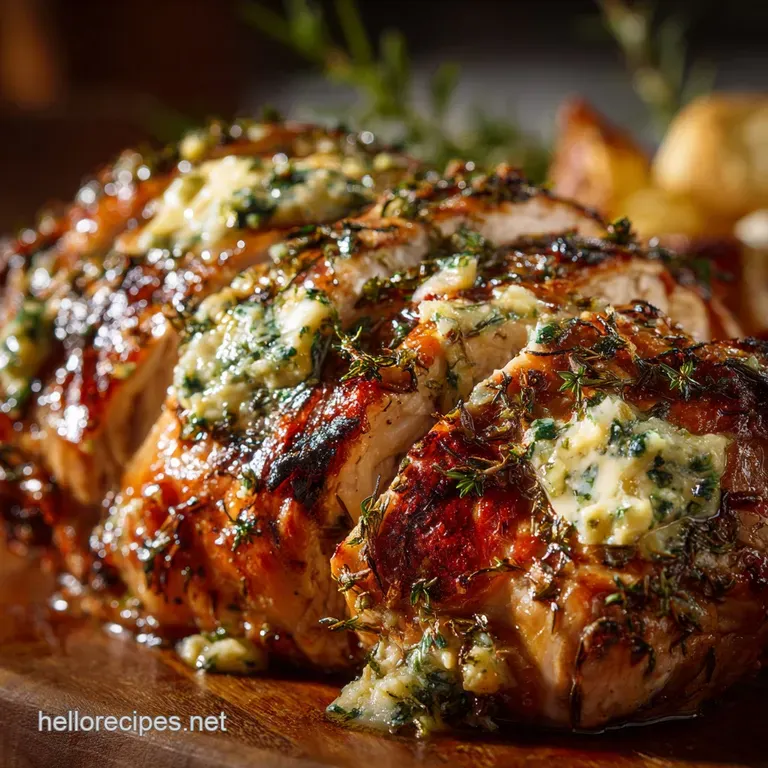
- Introducing the Secret Weapon: Herbed Butter Turkey Infusion
- Gathering Your Supplies: Anatomy of the Herbed Butter Blend
- Mastering the Technique: Preparing and Injecting the Turkey
- The Culinary Science of Succulence: Why Butter Is Better
- Pro Chef’s Notes: Troubleshooting Your Turkey Injection
- Preparing Ahead: Storage and Freezing Guidelines
- Post-Injection Success: Roasting, Smoking, and Serving Pairings
- Recipe FAQs
- 📝 Recipe Card
Introducing the Secret Weapon: Herbed Butter Turkey Infusion
Can we talk about the absolute joy of cutting into a massive turkey and seeing the juices actually run ? I’m talking about meat that doesn't just look succulent but actually collapses under the fork because it’s so damn moist.
That, my friends, is the power of a proper Turkey Injection . If you’ve ever served a beautifully browned bird only to have the breast meat be dryer than the Sahara, this technique is your absolute salvation.
Forget tedious basting that only washes away seasonings and cools down your oven constantly. The Turkey Injection technique is a rapid, easy, and incredibly cheap way to infuse flavour and fat directly into the core of the muscle fibers.
It bypasses the skin entirely, meaning you get juicy insides and perfectly crispy skin. Honestly, why did it take me until my thirties to figure this out?
This isn't some complicated culinary school maneuver; it’s a simple butter and herb infusion delivered straight to the source. We're going to dive into the best method for creating the richest, most effective liquid and the sneaky tricks you need to avoid the dreaded clogged needle.
Let’s make the best turkey you have ever tasted, period.
What is a Turkey Injection (And Why It Changes Everything)?
A Turkey Injection is exactly what it sounds like: using a specialised syringe and needle to force flavourful liquids usually fat, stock, and seasonings deep into the raw meat before cooking. When we talk about moisture, we are really talking about fat and liquid retained in the cells.
Since turkey breast is notoriously lean, injecting fat directly into it is the only way to guarantee a juicy result.
This method completely outperforms simple rubs or even a traditional marinade because those applications only treat the surface. When you use this reliable Turkey Injection, the flavor is evenly distributed through the muscle tissue, not just sitting beneath the skin.
The final result is poultry that is flavourful, moist, and seasoned perfectly from the center to the edge.
Moisture vs. Flavor: Understanding the Dual Purpose of Injection
Many people think the point of a Turkey Injection is just to keep things wet, but you’re selling yourself short if you stop there. The injection serves two distinct, equally important purposes.
First, the liquid (stock/water) prevents the natural muscle juices from evaporating too quickly during the high heat of roasting. Second, the melted butter and herbs carry the flavour deep inside.
By using a fat-based liquid in your Turkey Injection, you are permanently altering the texture of the meat. Fat melts slowly and lubricates the muscle fibers, resulting in that unbelievably tender, rich texture we all crave.
You truly need both the fat carrier and the liquid component to make this successful, especially when dealing with lean white meat.
Equipment Check: Selecting the Best Injector Syringe
You simply cannot rely on a flimsy plastic syringe for a quality Turkey Injection . I learned this the hard way when a cheap needle bent trying to pierce a large turkey thigh. You need heavy duty, commercial grade equipment made of stainless steel.
Look for a meat injector that comes with multiple needles. The best needles for this specific recipe are the widest ones the ones meant for handling thick marinades or chunky garlic bits.
Even though we are straining the liquid (a crucial step, I promise), having a wider needle prevents frustrating clogs and ensures faster injection time. It also needs to be easy to disassemble and clean thoroughly afterward, because nobody wants residual turkey funk hanging around!
Chef’s Assurance: Guaranteeing a Succulent Holiday Bird
This particular Best Turkey Injection Recipe works because it leverages the high smoke point of butter fat combined with the powerful flavour delivery of strong homemade stock. We are essentially butter basting the bird from the inside out. If you’ve ever done a pre-roast seasoning, this is the most critical preparation step. For an even more intense background flavour, consider starting with a thorough Turkey Brine: Aromatic Herb Citrus Recipe for Juicy Roasting before moving on to this powerful injection process.
Gathering Your Supplies: Anatomy of the Herbed Butter Blend
The beauty of the Ultimate Herbed Butter Turkey Injection is its simplicity. It’s rich, savory, and perfectly balanced, but it only requires a few key players. Remember, we are building a base that will survive high heat and deliver explosive flavour.
The Base: Quality Unsalted Butter and Turkey Stock Requirements
Unsalted Butter: Use the good stuff here; the quality really shines through. We melt the butter to act as our primary flavour carrier and moisture source. Using unsalted butter gives us total control over the sodium level, which is critical when making a deep Turkey Injection seasoning.
| Ingredient | Substitute Option | Notes on Swap |
|---|---|---|
| Unsalted Butter | Clarified Ghee or Rendered Duck Fat | Excellent high fat alternatives; avoid regular oils. |
| Low-Sodium Stock | high-quality Low-Sodium Chicken Broth | Must be low-sodium to control salinity; homemade is best. |
Low-Sodium Turkey Stock: This provides the liquid volume and deep foundational flavour. It needs to be low-sodium because the concentration of salt in an injection is much higher than in a surface rub. If you use regular stock, you risk making the inner meat unpalatably salty.
Fresh Herbs vs. Dried: Potency Notes for Thyme and Sage
When creating a quality Turkey Injection, fresh herbs are always superior, both for flavour and for filtering ease. We use fresh thyme and sage the classic poultry pairing because their earthy, savory notes penetrate the meat beautifully.
Chef’s Note: If you absolutely must use dried herbs, remember they are three times more potent than fresh. Use 1/3 the amount specified in the recipe.
Also, dried herbs must be simmered longer (about five minutes) and strained even more aggressively, as they swell and are prone to clogging the needle immediately.
Boosting Savory Notes: Salt, Pepper, and Optional Aromatics
Our ultimate goal with this specific Turkey Injection is to layer in that deep, umami richness. Kosher salt is essential; it breaks down easily and seasons the inner meat perfectly. Garlic powder and Worcestershire sauce are my two secret weapons.
The garlic powder dissolves completely and offers powerful flavour without the risk of actual garlic chunks clogging the system, and Worcestershire sauce provides that profound, almost meaty depth. A tiny bit of fresh lemon juice adds essential brightness and cuts through the richness of the butter.
Ingredient Swaps: Vegan Butter or Oil Alternatives
Can you make this a vegan friendly Turkey Injection ? Sort of, but it loses some of its punch. If you need a dairy-free option, swap the butter for a high-quality vegan butter substitute (like Miyoko's), or use a blend of olive oil and neutral over high heat oil (like refined coconut oil).
Replace the turkey stock with high-quality vegetable broth. The texture will be slightly thinner, but the herbaceous flavour will still get where it needs to go.
Mastering the Technique: Preparing and Injecting the Turkey
Ready to get hands-on? Preparing this powerful liquid is the easiest part of making this Ultimate Turkey Injection Recipe. The key is patience and temperature control.
The Culinary Science of Succulence: Why Butter Is Better
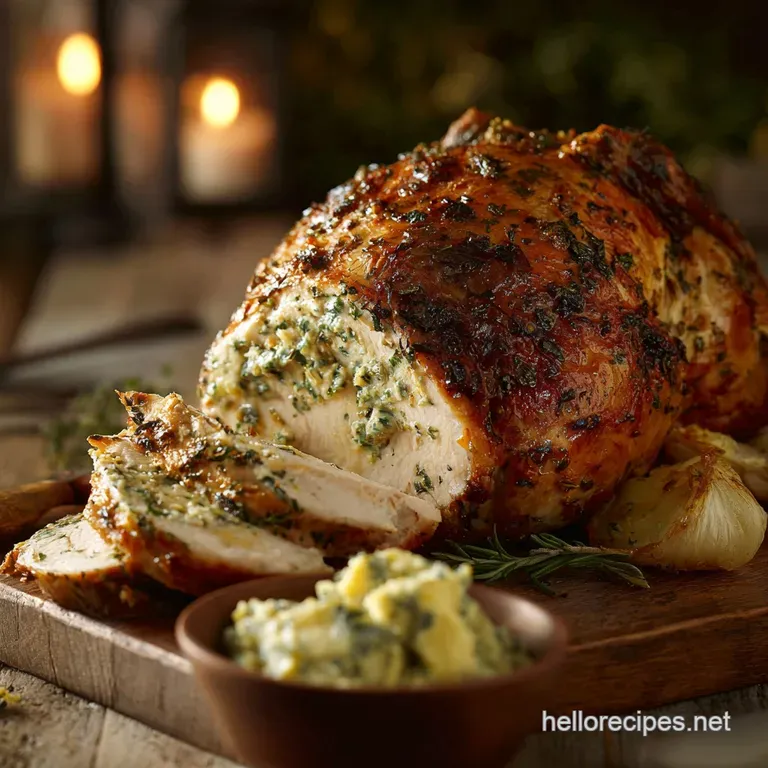
This isn't just about flavour; it's about physics. Injecting melted butter directly into the muscle groups ensures that the fat content remains high, slowing down the cooking process locally and keeping the proteins supple.
This is why the Turkey Injection is infinitely more reliable than brushing butter on the surface.
Phase 1: Preparing the Injection Liquid (Filtering for a Smooth Plunge)
First, melt the butter gently with the stock in a small saucepan. Add your seasonings salt, pepper, garlic powder, Worcestershire, and chopped fresh herbs. Let this mixture simmer gently for two minutes; this wakes up the herbs and fully dissolves the salt.
Now comes the most important step for your Turkey Injection : you must let it cool completely. If you inject hot liquid, you'll immediately cook the meat fibers it touches, creating dry, white pockets deep inside.
Once it's room temperature, strain the entire mixture through a very fine mesh sieve into your working jug. Do not skip this step! Any fleck of herb, pepper, or undissolved garlic will jam your needle immediately, turning injection time into a frustrating mess.
Mapping the Injection Zones: Targeting the Breast, Thighs, and Legs
The largest muscle masses are the most prone to drying out and need the most love. We start with the breast, which is always the most neglected area. Then we move to the thighs and the thickest part of the drumsticks. The thighs benefit from the extra fat, too, resulting in incredibly tender dark meat.
Aim for a grid pattern across the breast, making sure your injection sites are about 1 to 1.5 inches apart. You should see the meat slightly plump up as you push the liquid in.
The Perfect Angle: Proper Syringe Insertion Depth and Placement
Insert the needle deep, almost down to the bone, but avoid hitting the bone itself. You want the liquid to penetrate the deepest part of the muscle. Inject slowly as you pull the needle out this ensures the liquid is deposited evenly along the needle’s path, not just in one explosive pocket at the bottom.
The critical part of a successful Turkey Injection is the slow, steady movement.
Sealing the Deal: Preventing Liquid Leakage Post Injection
Once you withdraw the needle, lightly press down on the injection site with your finger for a few seconds. This helps the small hole close up and keeps the liquid inside. If you notice a substantial amount of liquid squirting out, you are injecting too fast, or you are removing the needle before you finish depressing the plunger.
This whole process is crucial for effective results from your Turkey Injection .
The Role of Fat: How Melted Butter Prevents Dryness
Fat (in this case, butter) acts as a lubricant that interrupts the way muscle proteins connect and tighten when heated. When those proteins tighten, they expel moisture, which is how dryness happens.
By injecting a high fat liquid, we surround those fibers, keeping them lubricated and helping them retain their natural moisture throughout the entire cook time. This is the scientific reason why this particular Turkey Injection is far superior to water or stock only injections.
Stock vs. Alternatives (Beer or Cider): Choosing the Best Liquid Carrier
While stock provides a rich, meaty base, some cooks opt for alternatives. A dry, slightly bitter beer or a hard cider can be used to replace about half of the stock volume. This adds a lovely fermented depth and can help tenderize the meat slightly, though it changes the ultimate flavour profile of the Turkey Injection dramatically.
If you go this route, ensure you simmer the beer/cider first to cook off the alcohol, which can otherwise create an odd, sharp taste in the cooked meat.
Pro Chef’s Notes: Troubleshooting Your Turkey Injection
Look, things can go wrong when you're working against the clock on a holiday. These are the two biggest mistakes I’ve personally made (and fixed) while preparing my ultimate Injection Turkey Recipes.
Mistake Proofing: Avoiding Herb Clogs in the Needle
The biggest source of frustration is a clogged needle. You’ve got the bird prepped, the syringe loaded, and BAM it stops working. This is almost always caused by solid debris. You fix this by taking the time to strain, strain, strain .
Even finely chopped fresh sage is too chunky if your needle is narrow. If it clogs mid-injection, clear the needle completely, re-strain the remaining liquid, and switch to your widest needle. Seriously, do not fight it.
Temperature Management: Injection Safety and Handling
We already discussed letting the liquid cool, but let's talk about the turkey itself. The bird needs to remain cold (below 4°C / 40°F) before and after the injection. Only pull it out of the fridge when you are actively ready to inject, and place it back immediately once finished.
Injecting a room temperature turkey significantly shortens the safe prep time, increasing the risk of bacterial growth.
When to Inject: The Optimal Timing Before Cooking
The optimal time for your Turkey Injection is 12 to 24 hours before cooking. Once injected, the flavors need time to diffuse and really settle into the muscle tissues. Injecting right before cooking is fine, but you miss out on that deeper, more integrated flavour payoff.
I like to inject the bird the night before, placing it back in the fridge, uncovered. This allows the salty butter to work its magic and, critically, the skin gets air-dried, which is the secret to a shatteringly crisp skin later on. For tips on the final steps, I highly recommend checking out this guide on Roast Turkey: The Chefs Secret to Moist Herb Butter Breast Meat .
What to Do About Excess Liquid Runoff
Don’t panic if a little bit of the liquid runs back out of the injection site or pools in the roasting tray. This is normal! You have likely saturated the muscle fibers to their maximum capacity. Just ensure you gently massage the sites post injection to minimise seepage.
Remember, most of the crucial flavour is already locked inside. The small amount of runoff is simply the excess the turkey couldn't hold, so don't fret over it.
Storing Unused Injection Mixture (Refrigeration)
If you have leftover Turkey Injection mixture, don’t toss it! Since it contains butter, it will solidify beautifully in the fridge. Store it in an airtight container for up to five days.
You can use it as a flavour base for your gravy, or you can soften it slightly and rub it generously all over the outside of the turkey skin right before roasting. That outside layer of butter, combined with the inner Turkey Injection, is what achieves true perfection.
Can You Freeze an Injected Turkey?
This is a tricky one. While you can freeze raw turkey, freezing one that has been injected means the frozen liquid will damage the muscle cells as it expands, leading to a loss of moisture when thawed. While technically possible, I strongly advise against freezing an already injected bird.
If you need to prep far ahead, freeze the bird first , and then thaw completely before performing the Turkey Injection 24 hours before cooking.
Preparing Ahead: Storage and Freezing Guidelines
Once you have performed the Turkey Injection, the preparation is 90% done! The key to successful post injection handling is maintaining cold temperatures and avoiding cross contamination.
Storing Unused Injection Mixture (Refrigeration)
As mentioned, leftover liquid stores perfectly in the fridge. Because of the high butter content in this Best Turkey Injection Recipe, it will firm up into a compound butter texture. It keeps well for 3 5 days. I usually scoop some out and blend it with softened butter for the skin rub check out the method for making perfect crispy skin using this kind of fat rub here: Herb Butter Turkey: The Secret to Crispy Skin and Succulent Meat Every Time .
Storage of the Injected Bird
Keep the injected turkey on a tray in the coldest part of your refrigerator, uncovered, for at least 12 hours. Uncovered storage is essential because it allows the air to dry the skin, which is the prerequisite for crispy, golden results.
Post Injection Success: Roasting, Smoking, and Serving Pairings
The best part about using this powerful Turkey Injection is that it works whether you roast, smoke, or even deep fry your turkey. The internal moisture barrier is already built in!
Roasting and Smoking Notes
If roasting, aim for high heat initially (around 220°C/425°F) for the first 30 minutes to set the skin, then drop it down to 175°C/350°F to finish. If smoking, the smoke penetrates the skin wonderfully, enhancing the savory, buttery notes from the internal injection.
Serving Suggestions
Because this Ultimate Turkey Injection has a strong savory, herbaceous profile, it pairs beautifully with robust, classic sides. I recommend a rich, sherry based pan gravy made from the roasting drippings (and maybe a dollop of that leftover butter injection mixture!).
Serve it alongside a hearty potato mash and some caramelized sweet potato casserole.
In the end, this simple process of preparing the perfect Turkey Injection liquid and executing the method correctly guarantees the most moist and flavourful turkey you have ever put on your table. Trust the syringe, trust the butter, and enjoy the praise you’re about to receive!

Recipe FAQs
How far in advance can I inject the turkey?
It is best to inject the turkey about 12 hours, and no more than 24 hours, before cooking to allow the flavour to fully penetrate the muscle fibres. If your turkey was also wet-brined, you should inject it immediately before cooking to avoid the risk of denaturing the proteins excessively, which can lead to a mushy texture.
Why is my butter injection mixture clogging the needle?
Clogging usually happens when the melted butter cools too much and the fat solids begin to seize inside the narrow needle. Ensure the butter is fully melted and kept warm throughout the injection process, but never boiling hot, which could cook the surface of the turkey.
If clogging occurs, briefly plunge the needle tip into a bowl of very hot water to melt the blockage.
Can I use oil instead of butter if I plan to deep fry the turkey?
Yes, if deep frying, oil (like peanut or vegetable oil) or clarified butter (ghee) is highly recommended over standard butter. Unclarified butter contains milk solids and water, which have a very low smoke point and will burn rapidly when subjected to the high temperatures required for deep frying, ruining your oil batch.
What should I do if the injection mixture leaks out immediately after I inject it?
Some minor leakage is inevitable, but excessive loss means you are either injecting too close to the surface or hitting the same spot repeatedly. Ensure the needle is inserted deep into the densest parts of the muscle, and inject slowly while withdrawing the needle.
You can also place your finger over the injection hole as you remove the needle to help seal the entry point.
Can I prepare and store the herbed injection mixture ahead of time?
Yes, you can prepare the injection mixture up to three days in advance; just store it in an airtight container in the refrigerator. Before use, you must gently reheat the mixture until the butter is fully liquid again and the stock is warm, ensuring smooth injection and proper blending of ingredients.
Do not inject with cold, solidifying butter.
What is the best way to clean and sterilize my meat injector?
Immediately after use, disassemble your injector completely and wash all parts thoroughly with hot, soapy water to prevent butter residue from hardening. For sterilization, you can boil the metal components (barrel and needles) for five minutes or run them through a sanitation cycle in the dishwasher.
Never store the injector disassembled, as small parts may get lost.
Can I substitute dried herbs for fresh herbs in the injection?
While you can substitute dried herbs, their flavour is highly concentrated, so you must use much less about one-third of the measurement of fresh herbs. Dried herbs can also contribute to clogging if they are not finely ground or properly strained from the mixture.
For the best flavour, fresh herbs are always superior.
Herbed Butter Turkey Injection
Ingredients:
Instructions:
Nutrition Facts:
| Calories | 435 kcal |
|---|---|
| Protein | 1.1 g |
| Fat | 45.4 g |
| Carbs | 5.2 g |
