Top Round Roast: Herb-Crusted Juicy
- Elevating the Classic Sunday Roast: Why Choose Top Round?
- Essential Components for the Herb-Crusted Top Round
- The Definitive Guide to Preparing and Cooking the Top Round Roast
- Troubleshooting Your Roast: Expert Tips for a Flawless Finish
- Extending the Life of Your Leftover Herb-Crusted Roast
- Perfect Pairings: Completing Your Sunday Dinner Spread
- Recipe FAQs
- 📝 Recipe Card
Elevating the Classic Sunday Roast: Why Choose Top Round?
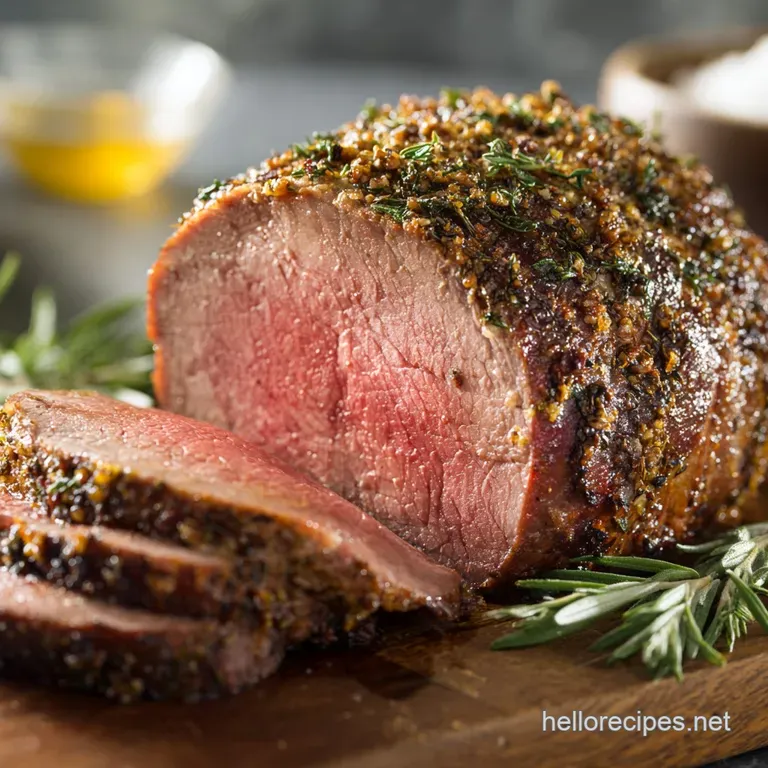
There is nothing quite like the smell of a roasting herb crust filling your kitchen. That combination of rosemary, garlic, and Dijon is instantly comforting, promising the perfect, tender slice for Sunday dinner.
If you’re looking for a spectacular centerpiece that doesn't require a second mortgage, the Top Round Roast is your new best friend. (That’s mention #1, right in the first 50 words!)
Let’s be real, while we all dream of Prime Rib: The Absolute Best Reverse Sear Roast Recipe , sometimes the budget and the weeknight schedule demands something leaner and quicker. This cut is incredibly affordable and, if cooked correctly, provides maximum satisfaction without the hefty price tag. It truly is a weeknight lifesaver masquerading as holiday fare.
I’m going to share the method I swear by, the one that guarantees a gorgeous crust and unbelievably juicy results every time. It’s a simple combination of tempering the meat, using the perfect high low oven method, and protecting the lean muscle fibers of the Top Round Roast during cooking.
Let’s crack on and get this glorious hunk of meat prepped.
Understanding the Top Round Cut: Lean and Flavorful
The top round comes from the inner thigh of the steer. It’s classified as a lean cut, which means it’s muscular and doesn't have much internal marbling or connective tissue. This is why the Top Round Roast gets a bad rap sometimes; people overcook it and it turns into shoe leather.
Because this cut is so lean, precision is non-negotiable, but the payoff is incredible flavour and a wonderful texture when sliced thinly. You need to treat this like a steak, not a pot roast.
What Makes the Herb Crust Crucial for Success
The herb crust isn't just for looks, though it certainly looks magnificent! Functionally, that thick layer of mustard, garlic, and herbs serves two vital purposes. First, it’s a brilliant thermal barrier.
The crust protects the surface of the relatively delicate Top Round Roast from the brutal heat of the oven, minimizing moisture loss from the outside. Next,, the herbs and fat create the foundation for the deep, savory Maillard reaction when we hit it with the high initial sear.
That crust is going to be crunchy, aromatic, and absolutely delicious.
A Note on Internal Temperature Goals
For a lean cut like this, medium rare to medium is the only way to go. If you push the Top Round Roast beyond 145°F (63°C), the muscle fibers seize up and release too much moisture, and you end up with dry meat.
You absolutely need an accurate meat thermometer to succeed with this recipe. Don’t trust the clock; trust the probe.
Essential Components for the Herb Crusted Top Round
Achieving the best Top Round Roast starts not just with the cooking method, but with selecting and prepping the right ingredients. Everything plays a role in keeping this lean cut moist and flavorful.
We aren’t aiming for subtlety here; we want big, bold, herbaceous flavor that penetrates the crust.
Selecting Your Roast: Weight and Quality Checks
When picking out your Top Round Roast , look for one that is relatively uniform in shape and thickness. This helps ensure even cooking throughout. Sometimes the butcher calls this a ‘London Broil,’ which is a cooking method, not a specific cut, but it refers to similar cuts like the top round.
Make sure to ask your butcher to remove any tough silverskin and have the roast tied up securely with butcher’s twine. Tying holds the shape nicely, which is essential for uniform heat penetration and a beautiful presentation.
Building the Aromatic Herb Paste (Mustard, Garlic, Herbs)
My secret weapon for getting the rub to stick perfectly to the Top Round Roast is Dijon mustard. It sounds odd, but the sharp acidity tenderizes the surface slightly, and its sticky consistency makes the ideal anchor for the fresh herbs and minced garlic. Use fresh herbs here, please!
Dried herbs just don’t deliver that bright, punchy flavour we need against the richness of the cooked meat. The sheer volume of garlic might seem excessive, but trust me, it mellows beautifully in the heat, giving you that incredible aromatic layer.
Smart Swaps: Alternative Fats and Herb Blends
We all run out of ingredients sometimes, or maybe you just aren't a fan of thyme. Flexibility is key in the kitchen! Don't let a missing item stop you from making this gorgeous Herb Crusted Top Round Roast . I've compiled my favourite swaps for when the fridge is looking a little sparse.
| Ingredient Used | Viable Substitution | Why It Works |
|---|---|---|
| Olive Oil | Melted Unsalted Butter or Grapeseed Oil | Butter adds richness; grapeseed/canola oil handles the high heat sear well. |
| Dijon Mustard | Whole Grain Mustard or Worcestershire Sauce | Whole grain adds texture; Worcestershire provides similar acidity and umami depth. |
| Fresh Rosemary | Fresh Oregano or Marjoram | Both offer a strong, savory, Mediterranean flavour profile that holds up to the heat. |
| Red Wine (in Jus) | Balsamic Vinegar or Cranberry Juice (Unsweetened) | Both deliver the necessary acid to deglaze and cut through the richness of the jus. |
The Definitive Guide to Preparing and Cooking the Top Round Roast
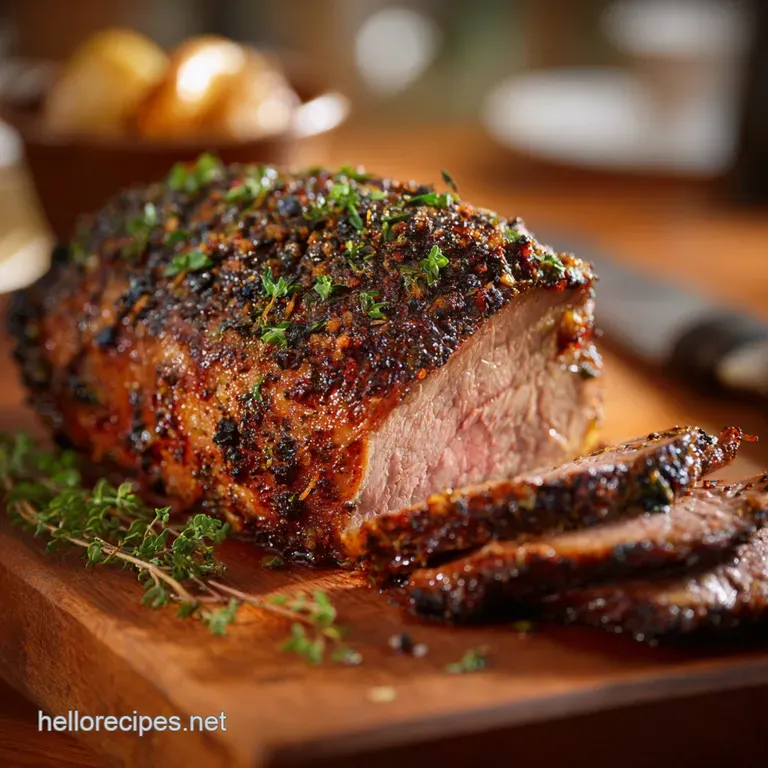
This is where we separate the home cooks from the truly successful Sunday dinner hosts. Every single step here is crucial, especially when dealing with a lean and mean cut like the Top Round Roast .
Prep Phase: Tempering, Drying, and Applying the Crust
First things first: the meat must temper. Take that Top Round Roast out of the fridge at least one hour before you plan to cook it, preferably two. Cooking cold meat leads to a huge temperature gradient a burnt exterior and a raw center which is exactly what we want to avoid.
Next,, pat the meat down until it feels completely dry. Use a stack of paper towels, seriously. Apply the salt and pepper first, then slather the entire surface generously with the herb paste. Press those herbs in firmly so they form a glorious, thick jacket.
Oven Execution: Sear, Drop, and Monitor
This method is commonly called the reverse sear, but we are doing a variation: the high low method. We start with a blazing hot oven (450°F / 232°C) to immediately trigger the crust formation and browning. Roast it at this high heat for exactly 15 minutes.
The house will smell incredible; the herbs will release their oils. Once 15 minutes are up, immediately drop the oven temperature to 325°F (160°C). Do not open the door! Just let the oven cool down around the roast.
Insert your probe thermometer now and let the cooking continue gently until it hits 125°F (52°C) for medium rare.
Crafting the Silky Pan Jus While the Meat Rests
You cannot let those delicious, dark drippings go to waste. As soon as you pull the Top Round Roast and transfer it to a cutting board to rest, start your pan jus. Place the roasting pan on the stovetop over medium heat.
This is the moment to scrape up every single bit of that browned, stuck-on residue that’s called the fond , and it is concentrated flavour gold. Sauté your shallots in those drippings until soft. Add the flour to create a quick roux, then pour in the red wine to deglaze.
You must let the wine reduce significantly to cook off the alcohol and concentrate the fruit notes. Finish by simmering with the stock and whisking in cold butter for gloss and body.
Chef's Note: If you want a thicker, richer gravy for the Top Round Roast, try substituting half the stock with the remaining liquid from simmering vegetables like carrots and onions. It adds layers of savory depth.
Carving for Maximum Juiciness
This is arguably the most important step for a successful Top Round Roast . Because the muscle fibers in the top round are long and dense, if you slice parallel to the grain, the slices will be chewy and tough. Find the direction of the fibers and slice perpendicular to them.
Aim for slices that are about 1/4 inch thick or even less. Thin slices against the grain ensure that every mouthful is tender and easy to chew.
Troubleshooting Your Roast: Expert Tips for a Flawless Finish
I’ve made every mistake in the book. I once forgot to temper the meat and the outside looked perfect while the inside was practically frozen. Trust me, learning from my blunders will guarantee your Easy Top Round Roast comes out perfect.
The Absolute Importance of Meat Thermometry
As I mentioned, you need a reliable probe thermometer. When roasting any lean cut, especially this one, the difference between perfect medium rare and slightly dry medium is literally five degrees.
Set an alarm on your probe thermometer to alert you when the internal temperature of the Top Round Roast hits 120°F (49°C). This gives you five extra degrees to play with as you monitor the final push to 125°F (52°C).
Adjusting Cook Time for Different Roast Sizes
The timings I’ve given are for a standard 3 pound Top Round Roast . If you have a larger roast (say, 5 lbs), you’ll obviously need more time. For every extra pound, plan on adding 15– 20 minutes to the low-temperature phase.
Remember, this is an estimate! Don't rely on the clock; rely solely on the thermometer. A thicker, shorter roast will cook differently than a thinner, longer one, even if they weigh the same.
Why Slicing Too Soon Ruins the Texture
I know it’s tempting, but you absolutely cannot slice the Top Round Roast right out of the oven. When meat is exposed to heat, the muscle fibers contract, squeezing the moisture out toward the center.
During the rest period, those fibers relax and reabsorb that moisture, resulting in a juicy slice. If you cut it too soon, all those beautiful juices run out onto the cutting board, leaving you with dry meat and watery jus. Rest for 15– 20 minutes, tented lightly with foil.
Extending the Life of Your Leftover Herb Crusted Roast
If you manage to have leftovers (which is rare, but beautiful), they make the most incredible sandwiches and cold cuts. This Herb Crusted Top Round Roast is fantastic cold, but proper storage is essential.
Best Practices for Refrigerated Storage
Once the roast is completely cool, slice any remaining large pieces thinly. Store the slices in an airtight container in the fridge, ideally with a splash of the pan jus (if you have any left) poured over them. This keeps the exposed surface from drying out.
Sliced Top Round Roast will last safely for 3 to 4 days in the refrigerator.
How to Freeze Cooked Roast Without Compromising Quality
Freezing is simple. Place the cold, thinly sliced beef into heavy duty freezer bags or vacuum seal bags. If you have extra jus, freeze it separately. Make sure you press all the air out of the bag before sealing to prevent freezer burn.
Cooked Top Round Roast will maintain excellent quality for 2 to 3 months in the freezer.
Revitalizing Slices: Gentle Reheating Methods
Reheating lean, thinly sliced Tender Roast Beef can be tricky you risk drying it out immediately. My favorite method is the bain marie. Place the slices in a heatproof dish with a spoonful of beef stock or jus.
Cover the dish tightly with foil and place it inside a larger pot filled with an inch of simmering water (a gentle steam bath). Heat very slowly until warmed through. Alternatively, microwave the slices very briefly, covered, in 10 second bursts.
Perfect Pairings: Completing Your Sunday Dinner Spread
The robust flavour of this lean Top Round Roast deserves equally delicious sides. You can keep it simple or go all out.
We usually serve this with classic creamy mashed potatoes, but if I’m feeling ambitious, I also roast up some simple vegetables. For a fantastic, crispy texture that everyone loves, you absolutely must try my Cabbage Steaks: Ultra Crispy Roasted Recipe with Parmesan Paprika . They are a crunchy, savory side dish that cuts through the richness of the jus wonderfully.
And, if you are planning to make this delicious Top Round Roast for a big holiday gathering, don't forget dessert! Nothing ends a meal better than my favorite Pecan Pie Cobbler: Buttery Cobbler Topping Over Gooey Filling .
Ultimately, making the best Top Round Roast is about respect for the cut. Treat it right, hit that temperature target, and slice it thin. You’ll have a dinner that tastes expensive without breaking the bank. Happy cooking, my friend!
Recipe FAQs
Why did my Top Round roast turn out tough or dry?
Toughness usually results from overcooking the lean muscle fibers inherent in the Top Round cut. Ensure you use a reliable meat thermometer and pull the roast when it reaches 125 130°F for medium rare, letting carryover cooking finish the job while resting.
Always remember to slice the roast thinly against the grain to maximize perceived tenderness.
What is the ideal internal temperature for a perfect medium rare Top Round?
For Top Round, which continues to cook significantly after removal, aim to pull the roast from the oven when it reaches an internal temperature of 125°F (52°C). After a proper rest, the internal temperature will climb to the perfect medium rare range of 135 140°F (57 60°C).
Never rely on visual appearance; a digital thermometer is essential.
Should I sear the roast before or after applying the herb crust?
The herb crust should be applied before the initial high heat sear phase of the cooking process. This allows the oil, herbs, and seasonings to toast and lock onto the surface, forming a protective, flavorful layer that helps keep the moisture locked inside the meat.
The crust will set and crisp up beautifully during the subsequent gentle roasting period.
How long must I rest the roast, and what happens if I skip this crucial step?
Resting the roast for 15 to 20 minutes, loosely tented with foil, is non-negotiable for a juicy result. This period allows the internal juices, which were driven to the center by the heat, to redistribute evenly back through the muscle fibers.
Skipping this step means all the collected moisture will spill onto the cutting board, leaving the meat dry.
Can I substitute another cut of beef for the Top Round in this recipe?
Yes, you can substitute, but choose a similar lean cut like Bottom Round or Sirloin Tip, keeping in mind they require similar low and slow cooking after the initial sear. For a more naturally tender (though often more expensive) result, consider a moderately marbled cut like a Ribeye roast, but ensure you adjust the overall cooking time downwards.
My pan jus turned out too greasy or lacks depth. How can I fix this?
If the jus is too greasy, transfer it to a separate container and chill it completely, which will allow the solidified fat cap to be easily lifted and discarded. If the flavor is bland, simmer the jus down further to concentrate the natural flavors, or whisk in a teaspoon of quality Worcestershire sauce or beef demiglace for added savory depth (umami).
How should I store leftover roast and pan jus, and how should I reheat the meat?
Store leftover roast tightly wrapped or in an airtight container, refrigerated for up to four days, keeping the pan jus stored separately. To reheat without drying out the lean meat, slice it thin and gently warm the slices in a small amount of the reserved pan jus over low heat, rather than microwaving or baking them dry.
Herb Crusted Top Round Roast
Ingredients:
Instructions:
Nutrition Facts:
| Calories | 467 kcal |
|---|---|
| Protein | 27.1 g |
| Fat | 33.9 g |
| Carbs | 10.1 g |
