Oven Beef Tenderloin: Herb Crusted Showstopper
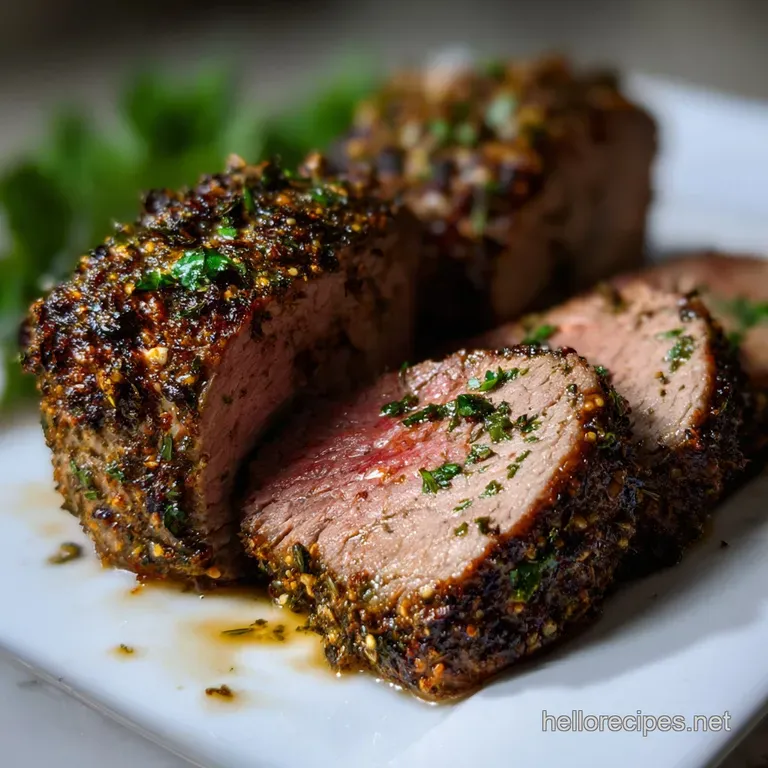
- Mastering the Art of Chateaubriand: Why Roast Tenderloin is the Ultimate Showstopper
- The Science of Succulence: Why Searing Before Roasting Is Essential
- Essential Ingredients for the Herb Crust and Oven Beef Tenderloin Preparation
- Your Step-by-Step Guide to Roasting Beef Tenderloin in the Oven
- Expert Tips for a Flawless Roast and Troubleshooting Common Issues
- Storing and Reheating Leftover Roasted Beef
- Perfect Pairings for Herb-Crusted Tenderloin
- Recipe FAQs
- 📝 Recipe Card
Mastering the Art of Chateaubriand: Why Roast Tenderloin is the Ultimate Showstopper
Picture this: your kitchen is suddenly filled with the scent of garlic, melted butter, and woodsy rosemary. You hear the deep, satisfying silence of perfectly rested meat. That moment, when you finally cut into the center and see that flawless, rosy band of medium rare, is pure culinary triumph.
Making a spectacular Oven Beef Tenderloin might sound intimidating because of the price tag, but I promise the technique is shockingly simple.
This isn’t a recipe you save only for Christmas. This Oven Beef Tenderloin method is a lifesaver for any small gathering where you want maximum elegance with minimal fuss.
It requires just a few minutes of aggressive searing on the stovetop before letting the dry heat of the oven do all the heavy lifting. Forget those huge roasts that take four hours; we’re talking about high impact flavor in less than an hour of cook time.
We are specifically focusing on the center cut, often called Chateaubriand, which is the prized portion of the whole tenderloin. It’s lean, incredibly tender, and deserves reverence.
Let’s dive into how we create the ultimate herb crust and guarantee a juicy result every single time you attempt this gorgeous Oven Beef Tenderloin at home.
The Science of Succulence: Why Searing Before Roasting Is Essential
If you want the best flavor from your roasted meats, you absolutely cannot skip the initial sear. This step is the key difference between dull, grey meat and the dynamic, deeply crusted finish we are looking for with our Oven Beef Tenderloin .
We are controlling the two primary heat elements here: searing for crust development and then roasting for internal temperature control.
The Difference Between Filet Mignon and Whole Tenderloin
The whole tenderloin is the muscle that runs along the spine. When you carve it into individual steaks, you get filet mignon, the most famous (and often most expensive) steak cut. When we talk about a whole Oven Beef Tenderloin , we are usually talking about the center portion, which cooks beautifully as a roast.
The ends (the butt and the tail) are usually used for other dishes, or sometimes tucked under and tied to the main roast to maintain that uniform thickness we crave.
Achieving the Perfect Rosy Medium Rare Center
The trick to a truly perfect Oven Beef Tenderloin is managing temperature. Since the cut is so lean, it dries out instantly if overcooked. We aim for a true medium rare: perfectly rosy from edge to edge, with minimal grey banding.
This is why tempering the meat (letting it warm up on the counter) and using a proper meat thermometer are non-negotiable steps when dealing with whole tenderloin recipes oven.
The Flavor Profile: Herb Crust vs. Rich Beef
Tenderloin is mild in flavor, which is a big part of its appeal, but it means we have to give it a flavor boost on the outside. Our herb crust rosemary, thyme, and garlic melds with the searing fat to create a savory, aromatic shield.
This contrast between the deeply flavored crust and the mild, buttery texture of the interior is what makes this Oven Beef Tenderloin recipe so spectacular.
The Maillard Reaction: Building the Outer Crust
The Maillard Reaction is the fancy term for what happens when amino acids and sugars react under high, dry heat it’s responsible for every delicious brown crust, from bread to seared scallops. To trigger this for the herb crusted beef tenderloin, the surface of the meat must be completely dry.
A hot pan, high smoke point oil, and dry, seasoned beef are your holy trinity here. That dark, almost bitter crust provides necessary complexity to the lean meat.
Controlling Internal Temperature Using Carryover Cooking
We don't cook the meat until it reaches the final temperature we want. That’s a common mistake! When you remove the Oven Beef Tenderloin from the heat, the external temperature is still wildly hot, and it continues to cook the interior.
This is "carryover cooking," and it's why you must pull the roast at least 5 to 10 degrees below your target. The resting period is not optional; it’s an active part of the cooking process.
Basting Techniques for Maximum Flavor Penetration
Adding cold butter and aromatics (like shallots or thyme sprigs) right after the over high heat sear allows you to reduce the temperature slightly while adding moisture and flavor.
Tilt the pan and continuously spoon that foaming, golden butter mixture over the Oven Beef Tenderloin for about 60 seconds. This is how you lock in moisture and fragrance before the roast hits the oven.
Essential Ingredients for the Herb Crust and Oven Beef Tenderloin Preparation
When you're dealing with a premium cut like this, fewer ingredients mean higher quality is essential. We aren't masking flavors; we are enhancing the natural richness of the beef.
Selecting the Best Grade and Weight of Beef
Always try to buy a center cut (Chateaubriand style beef tenderloin) roast, usually weighing around 3 pounds (1.4 kg). Look for high-quality grading Choice is good, but Prime is spectacular if you can swing it.
Ask your butcher to remove the silver skin if they haven’t already, as it’s impossible to chew once cooked. The best Oven Beef Tenderloin starts with careful selection.
Substitution Note: If you cannot find a center cut, buy the whole untrimmed roast and freeze the smaller ends for later use in stir fries or stews.
Preparing the Simple Herb and Garlic Mixture
Our herb crust must be fresh and fragrant. Use high-quality fresh herbs, not dried powder from the back of the pantry. Finely chop the rosemary and thyme so they stick easily to the roast. Using garlic powder instead of fresh minced garlic here is intentional; fresh garlic will burn rapidly during the searing process.
Substitution Note: No fresh rosemary? Use fresh parsley and a tiny pinch of dried oregano. If you prefer fresh garlic flavor, mix 1 tablespoon of finely minced fresh garlic with 3 tablespoons of olive oil and baste the roast after the searing step, just before placing the pan in the oven.
Best Fat Choices for over High heat Searing
You need a fat with a very high smoke point for the initial sear. Regular olive oil or, heaven forbid, extra virgin olive oil, will smoke and burn aggressively, giving your tenderloin a bitter taste. Use light olive oil, grapeseed oil, avocado oil, or refined coconut oil.
The high temperature is crucial for the perfect crust on your Oven Beef Tenderloin .
Substitution Note: If you want an even deeper, almost savory funk, use beef tallow (rendered beef fat) for the sear. It works wonders and has an excellent smoke point.
Salt Brining vs. Pre-Seasoning: Which Method Works Best?
For this specific baked beef tenderloin recipe, I prefer the aggressive pre-seasoning method combined with tempering. Rubbing the salt directly onto the dry surface and letting it sit for 45 minutes begins to draw moisture out and then reabsorb it, seasoning the meat deeply.
Don't be timid with the salt; this is a large cut of meat.
Chef’s Note: Never salt cold meat and immediately put it in a pan. The moisture drawn to the surface prevents searing and will just steam the beef. Give the salt time to work its magic while the beef tempers for the best Oven Beef Tenderloin results.
Your step-by-step Guide to Roasting Beef Tenderloin in the Oven
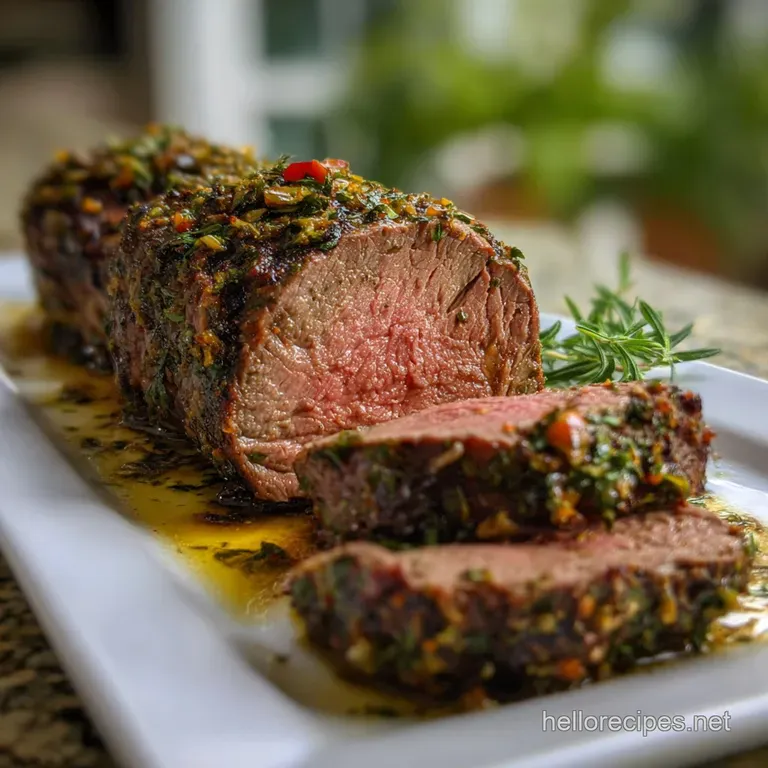
This is where the magic happens. We follow a specific sequence to maximize flavor and minimize cooking time, delivering a perfect medium rare whole tenderloin in the oven.
Step 1: Trimming, Tying, and Preparing the Roast
First, pat the roast bone dry. Seriously, use a ridiculous number of paper towels. Next, the trussing: tying the roast with butcher’s twine creates a beautiful, uniform cylinder. This ensures that the narrow ends don't shrivel up while the center cooks. Tie the string tightly every inch or so.
Finally, season aggressively with salt and pepper, then let it sit on the counter for 45 minutes. This step is mandatory for achieving even cooking in your Oven Beef Tenderloin .
Step 2: Achieving the Deep, Dark Stovetop Sear
Get your oven safe, heavy skillet (cast iron, please!) absolutely screaming hot over high heat. Add the oil, and when it shimmers or just starts to wispy smoke, carefully place the beef in. Don't move it for 2– 3 minutes.
The worst thing you can do is check on it too soon; trust the sizzle. Rotate until all major sides have a deep mahogany crust. This is where the flavorful foundation of the Oven Beef Tenderloin is established.
Step 3: Oven Roasting Time and Temperature Chart
Once seared, turn the heat down, add the butter, and baste. Now, transfer the whole skillet carefully, it’s heavy and hot to the preheated 400°F (200°C) oven.
| Desired Doneness | Internal Temp (Pull Time) | Approximate Cook Time (3 lb Roast) |
|---|---|---|
| Rare | 120°F (49°C) | 18– 22 minutes |
| Medium Rare (Recommended) | 130°F (55° C) | 22– 28 minutes |
| Medium | 140°F (60°C) | 28– 35 minutes |
Keep that thermometer handy! Your cooking time for Oven Beef Tenderloin will vary based on its thickness and your oven calibration.
Step 4: The Crucial Resting Period for Juiciness
When the thermometer hits 130°F for medium rare, pull that roast out immediately. Transfer the Oven Beef Tenderloin to a clean cutting board. Do not skip this move; leaving it in the searing pan means the cooking continues rapidly.
Tent it loosely with foil not tightly, or you'll steam the crust. Let it rest for a full 15 minutes. This rest is arguably more important than the entire cooking time itself, ensuring every slice is unbelievably juicy.
Expert Tips for a Flawless Roast and Troubleshooting Common Issues
I have ruined enough expensive cuts of meat to share the real world pitfalls. Learn from my mistakes!
The Calibrated Thermometer is Your Best Friend
You simply cannot cook a perfect Oven Beef Tenderloin without an accurate instant read thermometer. I used to guess and ended up with dry ends and an undercooked center. Now, I check in two or three places in the center of the roast.
Calibrate your thermometer regularly by checking the temperature of boiling water (which should be 212°F or 100°C).
Avoiding the Gray Band of Overcooking
That terrible grey ring just beneath the crust happens because the outer layers cooked too fast while the center caught up. The fix? Tempering the roast completely before searing. If the internal starting temperature is already high (around 65°F), the difference between the core and the exterior isn't as dramatic, which results in that beautiful edge-to-edge pink when preparing your roast beef tenderloin recipes.
How to Achieve an Evenly Cooked Shape
The shape really matters when roasting Oven Beef Tenderloin . If the tail end is floppy and thin, fold it under and secure it tightly with two knots of twine before you start tying the rest of the roast.
This creates a uniform diameter, which is the only way to ensure the entire roast hits 130°F at the same time.
Storing and Reheating Leftover Roasted Beef
If you somehow manage to have leftovers (it's rare, I know), proper storage is vital to maintain that exquisite texture. Slicing the whole tenderloin in the oven right away is great for serving, but not ideal for long term storage.
Optimal Refrigeration of Sliced Tenderloin
If you must store leftover slices of Oven Beef Tenderloin , place them in an airtight container with a small amount of liquid (like a tablespoon of leftover au jus or beef broth) to help keep them moist. Sliced tenderloin will keep beautifully in the fridge for up to 3 days.
Freezing Cooked Beef: Best Practices
Yes, you can freeze it! If you have a larger section of the roast left intact, wrap it tightly in plastic wrap, then aluminum foil, and place it in a freezer bag. This multi layer wrap prevents freezer burn. Try to use it within 3 months.
Freezing cooked Oven Beef Tenderloin is best done when it is still slightly rare, as the reheating process will add a bit more cooking time.
Gentle Reheating Methods to Preserve Moisture
Never blast leftover roasted beef in the microwave; you will turn it to shoe leather instantly. The best method is low and slow: slice the beef, place it on an oven safe plate, spoon a bit of stock or leftover sauce over it, cover it tightly with foil, and warm it in a 300°F (150°C) oven for about 10– 15 minutes.
This gentle heat preserves the incredible texture of your perfectly cooked Oven Beef Tenderloin .
Perfect Pairings for Herb Crusted Tenderloin
Since this is such a luxurious main course, the sides should complement its simplicity and elegance, not overshadow it.
To start, you absolutely need a spectacular sauce. I highly recommend making a batch of rich pan drippings or a classic red wine sauce. If you want to take it over the top, you must check out my recipe for Au Jus: The Best Roast Beef Au Jus Gravy Recipe . That jus is the perfect savory counterpoint to the subtle flavor of the meat.
For starch, simple is best. Creamy garlic mashed potatoes, or maybe some classic roasted root vegetables if you’re looking for a cleaner side. And if you have a massive gathering, consider pairing this with a slightly less traditional side like my easy recipe for Beef Bone Broth: Deeply Nourishing Recipe for Rich Gelatin to serve as a starter.
Making this tenderloin recipes oven style is truly a special experience. Go forth, invest in that thermometer, and prepare to deliver the single most elegant, impressive, and delicious roast you’ve ever made. The perfect Oven Beef Tenderloin is waiting for you!
Recipe FAQs
Why is a meat thermometer essential for cooking tenderloin?
Tenderloin is extremely lean and cooks very quickly; even a five degree difference can shift the roast from perfectly moist to dry. Using an instant read thermometer ensures you pull the roast at the precise temperature needed for perfect medium rare (125°F-130°F), guaranteeing moistness and quality control.
My tenderloin came out dry. What went wrong?
Dryness almost always indicates the meat was cooked past medium (above 140°F). Ensure you are pulling the beef 5 to 10 degrees before your target temperature, as the internal heat will continue to rise during the resting period (carryover cooking).
Additionally, make sure the roast was brought to room temperature before searing to allow for more even cooking.
How long should I let the beef rest after roasting, and why?
Resting is critical for tenderloin and requires at least 15 to 20 minutes, loosely tented with foil. This period allows the contracted muscle fibers to relax and redistribute the internal juices evenly throughout the meat. Slicing too early will result in a dry roast with all the juices running onto the cutting board.
Can I substitute the herbs in the crust mixture?
Absolutely. While rosemary and thyme are classic companions to beef, you can substitute sage for a deeper, savory note, or tarragon for a subtle hint of anise flavor. Ensure you use fresh herbs, not dried, as they adhere better to the meat and provide superior texture and flavor impact.
Should I sear the beef if I don't have a cast iron skillet?
Searing is highly recommended as it creates the necessary dark, flavorful crust through the Maillard reaction. If you lack cast iron, use the heaviest, oven safe skillet you possess, heating it until smoking hot to achieve a quick sear on all sides. Do not skip this step, as it locks in flavor and texture.
How should I store leftover Beef Tenderloin and reheat it?
Store cooled leftovers in an airtight container in the refrigerator for up to 3 days. To reheat without drying the meat out, slice it thinly and warm it gently in a beef stock or gravy. Avoid traditional microwave reheating, as it will quickly overcook and toughen the lean beef.
Can I prepare the herb crust the day before roasting?
Yes, you can fully mix the herb and garlic crust mixture the day before and store it sealed in the refrigerator. However, for best results, only apply the crust immediately before searing, as applying it too early can draw moisture from the surface of the beef, hindering the crust formation.
Herb Crusted Oven Beef Tenderloin
Ingredients:
Instructions:
Nutrition Facts:
| Calories | 379 kcal |
|---|---|
| Protein | 37.1 g |
| Fat | 23.1 g |
| Carbs | 7.4 g |
