15 Bean Soup with Ham Hocks: the Ultimate Hearty Classic

- The Ultimate Hearty 15 Bean Soup: Smoky, Savoury, and Seriously Satisfying
- The Science of Satisfaction: Why This 15 Bean Soup Recipe Excels
- Essential Elements: Ingredients and Smart Substitutions
- Step-by-Step: How to Master the Hearty 15 Bean Soup
- Troubleshooting and Chef’s Essential Tips for the Perfect Consistency
- Planning Ahead: Storage, Freezing, and Reheating
- The Perfect Pairing: What to Serve With Your Bean Soup
- Recipe FAQs
- 📝 Recipe Card
The Ultimate Hearty 15 Bean Soup: Smoky, Savoury, and Seriously Satisfying
Seriously, is there anything better than the smell of a simmering pot of smoky, earthy beans on a cold day? The moment the ham hock hits that cooking liquid, my whole kitchen smells like pure, deep comfort.
This recipe isn’t just a meal; it’s an atmosphere rich, robust, and promising something truly nourishing.
This hearty 15 Bean Soup recipe is the ultimate pantry champion, proving that frugal cooking can taste absolutely luxurious. We are talking about dirt cheap ingredients that miraculously turn into a massive batch of food, which is a total win for weeknight prepping or feeding a crowd.
You just set it and forget it, essentially letting the stovetop do all the heavy lifting for hours.
I’ve tweaked this easy 15 Bean Soup over the years, learning exactly when to add the acid and why that initial soak matters so much. Stop worrying about tough, gritty beans; we are going to master this classic stovetop method together. I promise the result is tender, creamy, and undeniably satisfying.
The Science of Satisfaction: Why This 15 Bean Soup Recipe Excels
The magic here isn’t just throwing stuff in a pot, though that’s the general vibe we’re going for. This specific method relies on three critical steps to transform dry legumes into that beautiful, velvety texture you crave in the ultimate bean soup.
More Than Just Beans: Understanding the Complex Flavor Profile
We build a complex flavour base using a traditional mirepoix (onion, carrot, celery) and plenty of garlic right at the start. Then, we lean heavily into the richness of the ham hock.
That smoked pork infuses the water with collagen and deep, savory fat as it cooks slowly, giving us massive depth without needing a dozen different spices.
The Legacy of Legumes: Why Dried Beans Are Always Best
The 15 beans are the stars, obviously, and using dried ones allows them to absorb all the smoky flavour we build in the broth. Canned beans are convenient, sure, but they’ve already lost their capacity to swell and thicken the soup naturally as their starches release. If you wanted a quicker cook using canned beans, you’d be better off making something like a rustic Tuscan White Bean Soup (Zuppa di Fagioli): Easy, Creamy Rustic .
Quick Overview: Prep Time vs. Essential Simmer Time
This is not an Instant Pot recipe (though you can adapt it, see the tip section). We are intentionally using the traditional 15 Bean Soup Stovetop approach because the long, slow cook is the key to deep flavour.
Prep takes about 20 minutes, but you need to budget at least 2.5 to 3 hours for the crucial, patient simmer time.
Achieving Depth: The Importance of Smoky Ham Hock
A good smoked ham hock is non-negotiable for this hearty 15 Bean Soup. It contains skin, bone, and connective tissue, which are essential for creating that full bodied, almost sticky broth. If you skip this, the soup will feel thin and watery. Trust me on this; buy the ham hock.
The Starch Breakdown: Creating a Naturally Thick Broth
As the beans cook over several hours, the starches begin to leach out into the cooking liquid. This is exactly what we want! Those starches emulsify with the ham fat to naturally thicken the liquid, turning it from watery stock into creamy, satisfying soup.
The Essential Finish: Brightening the Flavor with a Final Splash of Acid
This is my secret weapon. Beans are earthy and heavy, and without a little zing, the final product can taste a little flat or muddy. A tablespoon of Sherry Vinegar added right at the end cuts through the richness, balancing the entire flavour profile beautifully. Do not skip the acid finish.
Essential Elements: Ingredients and Smart Substitutions
I believe in cooking with what you have, so while I recommend the listed items, there are always workarounds!
The Dried Bean Blend: What Constitutes the “15 Beans”?
The beauty of the 15 Bean blend is the textural variety you get small lentils, creamy cannellini types, sturdy kidney beans, and tiny split peas. You usually find lima, navy, red, pinto, black beans, and more in there.
| Ingredient | Viable Substitution |
|---|---|
| 15 Bean Mix | Use 1 pound of any combination of dried white beans (Great Northern, Navy) or black eyed peas. |
| Ham Hock | Smoked turkey wing, pre-cooked smoked sausage (Kielbasa), or bacon (use 1/2 cup rendered bacon grease in place of olive oil). |
| Chicken Stock | Vegetable stock, good quality beef stock, or bouillon cubes dissolved in water. |
Aromatics Foundation: Building the Mirepoix Base
Dicing your onion, carrot, and celery finely ensures they melt into the soup while cooking, enriching the broth without leaving large, chunky vegetable bits. If you absolutely hate celery (some people do!), you can double the carrots instead.
Flavor Boosters: Spices, Herbs, and Tomato Paste
We keep the seasoning simple: bay leaves, thyme, and maybe a little smoked paprika for extra colour and depth. The tablespoon of tomato paste adds a subtle sweetness and an important layer of background umami.
Salt Considerations When Using Smoked Meats
This is where people mess up, constantly. Because we are using highly salty smoked meat (the ham hock), you must hold back on the salt until the very end. The meat will season the broth naturally over three hours of simmering. If you salt early, you risk an overwhelmingly salty final product.
Wait until the beans are fully tender before seasoning.
step-by-step: How to Master the Hearty 15 Bean Soup
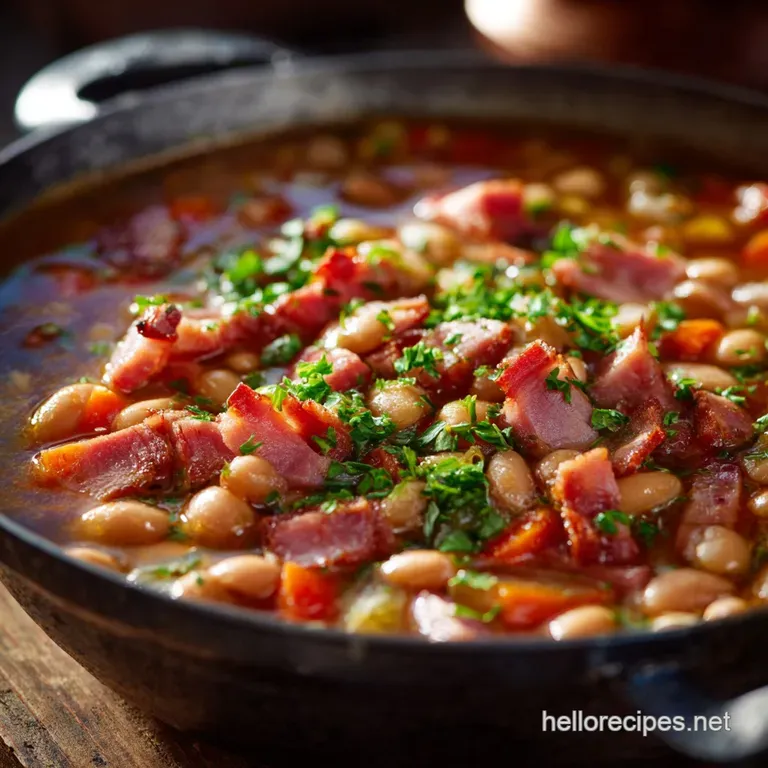
Let’s get cooking! This method guarantees creamy texture and deep, satisfying flavor for your 15 Bean Soup Stovetop version.
Prep Work: Sorting, Rinsing, and Soaking Your Beans
- Inspect and Rinse: Pour those dried beans onto a baking sheet and look for any tiny stones or damaged pieces, throwing those bits out. Rinse the beans thoroughly in a colander under cold running water.
- The Overnight Soak: Transfer the rinsed beans to your large pot and cover them completely with cold water at least four inches above the beans. Let them soak for a minimum of 8 hours, or overnight; this step is essential for even cooking.
- Drain and Discard: Drain the beans completely and rinse them again. You must discard the soaking water! It contains the complex sugars that cause... well, tummy issues.
Building the Broth Base: Sautéing Aromatics and Smoked Meat
- Sauté: Heat the olive oil in your Dutch Oven over medium heat. Add the diced onion, carrot, and celery. Sauté gently for 8– 10 minutes until the vegetables are beautifully softened and the onion is translucent.
- Bloom the Flavor: Stir in the minced garlic and the tomato paste. Cook for just 1 minute until you can smell that pungent, wonderful garlic aroma. This brief cook time deepens the paste's flavour.
- Sear the Meat: Add the ham hock to the pot and briefly sear it on all sides for 2- 3 minutes. This develops a deeper, richer smokiness that will permeate the stock.
The Simmer: Combining Ingredients and Monitoring Tenderness
- Add Liquids and Seasoning: Pour in the drained beans, the stock, the extra water, bay leaves, dried thyme, and smoked paprika. Ensure the liquid covers the beans by a couple of inches.
- Bring to a Boil: Turn the heat up and bring everything to a rapid boil. Use a spoon to skim off any cloudy foam or impurities that float to the top; this keeps your broth clean.
- Low and Slow: Immediately reduce the heat to the lowest setting possible, aiming for a gentle, barely perceptible bubble. Cover the pot partially and let it simmer for 2 to 2. 5 hours, stirring every 30 minutes. The beans should feel creamy and soft when finished.
Final Adjustments: Seasoning and The Finishing Acid Splash
- Shred the Ham: Carefully remove the bay leaves and the ham hock. Shred the meat off the bone and discard the excess fat and bone. Return the delicious shredded ham meat to the soup.
- Adjust Texture: If you like a thicker consistency, use an immersion blender to purée about 1/4 of the soup right in the pot. We do this in my recipe for Roasted Butternut Squash Soup: The Velvet Texture Fall Recipe too it’s the fastest way to add body.
- The Final Act: Taste the soup. Now, and only now, season liberally with Kosher Salt and freshly ground black pepper.
- Add the Vinegar: Stir in the tablespoon of Sherry Vinegar. Taste again; you will notice how the bright acid lifts the heavy flavour. Adjust seasoning one last time if necessary.
Chef's Note: Let the finished 15 Bean Soup rest, covered, for 15 minutes before serving. This resting period allows the released starches to finish thickening the broth and truly marries all those wonderful smoky flavours.
Troubleshooting and Chef’s Essential Tips for the Perfect Consistency
Why Are My Beans Still Hard? Common Soaking Issues
If your beans are tough, even after three hours of simmering, it’s usually due to two things: old beans (if they’ve been sitting in the pantry for years, they might not soften) or salting the water too early.
To fix this: Add a generous pinch of baking soda (1/2 tsp) to the cooking liquid; the alkalinity helps soften the skins faster.
Achieving Creaminess: The Secret to Thickening Bean Soup
We want a thick soup, not a watery one. If your 15 Bean Soup is too thin after the required cooking time, don't worry. Simply scoop out 1 to 2 cups of the finished beans, mash them aggressively with a fork (or blend them), and stir that creamy paste back into the pot. This is pure, natural thickening.
Preventing Mushiness: When to Add Salt
I cannot stress this enough: do not add the main salt seasoning until the beans are fully tender. Salt toughens the outer skins, which means they will never achieve that lovely, soft texture. Add the herbs and the smoked meat early, but save the actual salt until the very end.
Planning Ahead: Storage, Freezing, and Reheating
This 15 Bean Soup is actually better the next day; the flavors deepen dramatically overnight in the fridge. It's a fantastic recipe for batch cooking.
Refrigerating Leftovers Safely
Once completely cooled, store the soup in airtight containers in the refrigerator. It will last beautifully for 4 to 5 days. You will notice it thickens considerably as it chills, almost becoming stew like.
Freezing 15 Bean Soup: Containers and Methods
Does 15 Bean Soup freeze well? You bet. Allow it to cool completely first. Freeze it in meal sized portions in sturdy, freezer safe containers, leaving about 1 inch of headspace for expansion. It keeps well for up to 3 months. I recommend freezing the soup before adding the fresh parsley garnish.
Reheating Tips: Restoring Thickness and Texture
When reheating, especially if frozen, the soup will be extremely thick. You will almost certainly need to add a splash of water or extra stock to restore the ideal consistency. Reheat gently on the stovetop, stirring frequently to prevent the thick beans from sticking to the bottom and scorching.
The Perfect Pairing: What to Serve With Your Bean Soup
This is such a big, satisfying meal on its own, but a few simple additions make it truly special.
We love serving it with a thick slab of buttered, toasted sourdough perfect for soaking up every last drop of that smoky broth. For a wonderful textural contrast, try a simple, crisp green salad dressed with a bright lemon vinaigrette.
If you are thinking about an entire "Soup Night," consider serving this alongside a lighter option, like my favorite Potato Leek Soup: Get the Silky Smooth Restaurant Texture , to give guests variety. Don't forget a side bowl of fresh chopped spring onions and maybe a dollop of sour cream or crema for those who like a cool finish.

Recipe FAQs
Do I really need to soak the 15-bean mix overnight?
While not strictly necessary for safety, soaking the dried beans significantly reduces the overall cooking time and ensures a more tender, even texture. If you forget to soak, you can use the quick soak method (boil for 1 minute, then soak for 1 hour) or simply plan for an extra 2-3 hours of simmering time.
My beans have been cooking for hours but are still hard. What went wrong?
The most common cause of hard beans is adding salt or acidic ingredients (like vinegar or tomatoes) too early, as the acid can prevent the bean skins from softening. Ensure you only season the soup fully after the beans are completely tender.
Extremely hard water can also slow the cooking process; in this case, a tiny pinch of baking soda added during the soak can help.
Can I make this 15-Bean Soup completely vegetarian or vegan?
Absolutely. To maintain the deep flavour profile, substitute the smoky ham with robust vegetable broth and generous amounts of smoked paprika or liquid smoke. Adding sautéed crimini mushrooms or rehydrated dried porcini mushrooms provides a wonderful, satisfying umami depth.
What are some good alternatives if I don't have a ham hock or smoky meat?
For comparable richness and smokiness, you can use diced smoked sausage like kielbasa or andouille, or a generous amount of crispy bacon. Alternatively, smoky turkey legs provide excellent flavour and tender meat without the high fat content of pork.
My soup is too thin. How can I easily adjust the consistency?
A simple and effective technique is to remove about two cups of cooked beans from the pot and mash them thoroughly using a fork or blender. Stir this bean paste back into the soup; the starches will immediately bind the liquid, thickening the soup naturally without adding flour.
Why is adding acid (vinegar/lemon juice) at the end important for the flavour?
Rich, slow simmered dishes often benefit from a final splash of acid because it cuts through the heaviness and enhances the perceived saltiness. Adding red wine vinegar, sherry vinegar, or fresh lemon juice right before serving acts as a bright counterbalance to the deep, smoky flavours of the beans and ham.
How should I properly store and freeze leftover 15-Bean Soup?
Allow the soup to cool completely before transferring it into airtight, freezer safe containers, leaving an inch of headspace for expansion. The soup freezes exceptionally well for up to three months.
Thaw frozen portions overnight in the refrigerator and gently reheat them on the stovetop, adding a splash of fresh broth if necessary.
Hearty 15 Bean Soup With Ham Hocks
Ingredients:
Instructions:
Nutrition Facts:
| Calories | 320 kcal |
|---|---|
| Fat | 8 g |
| Fiber | 15 g |
