Best Lemon Grilled Salmon for Winter Meal
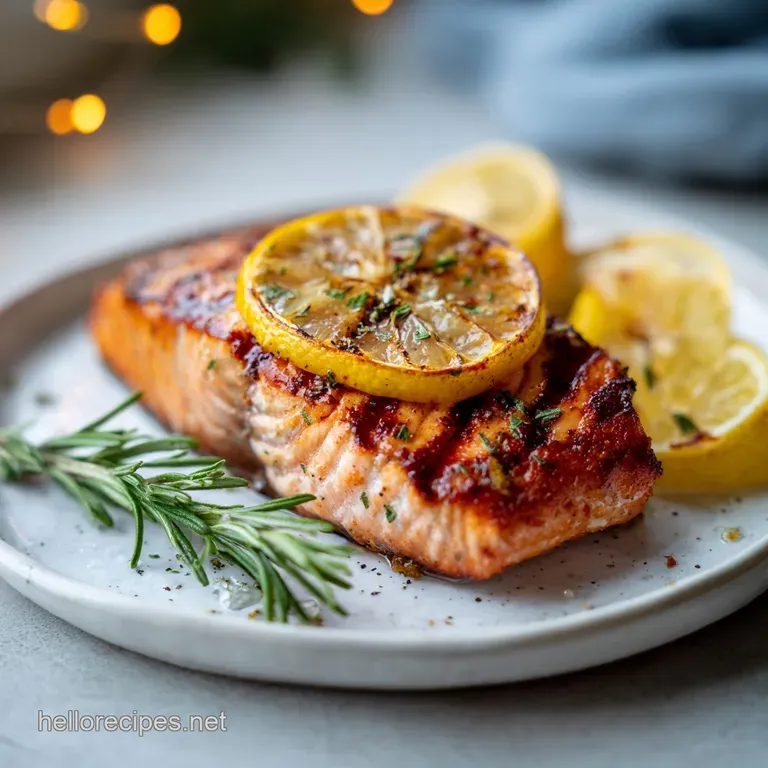
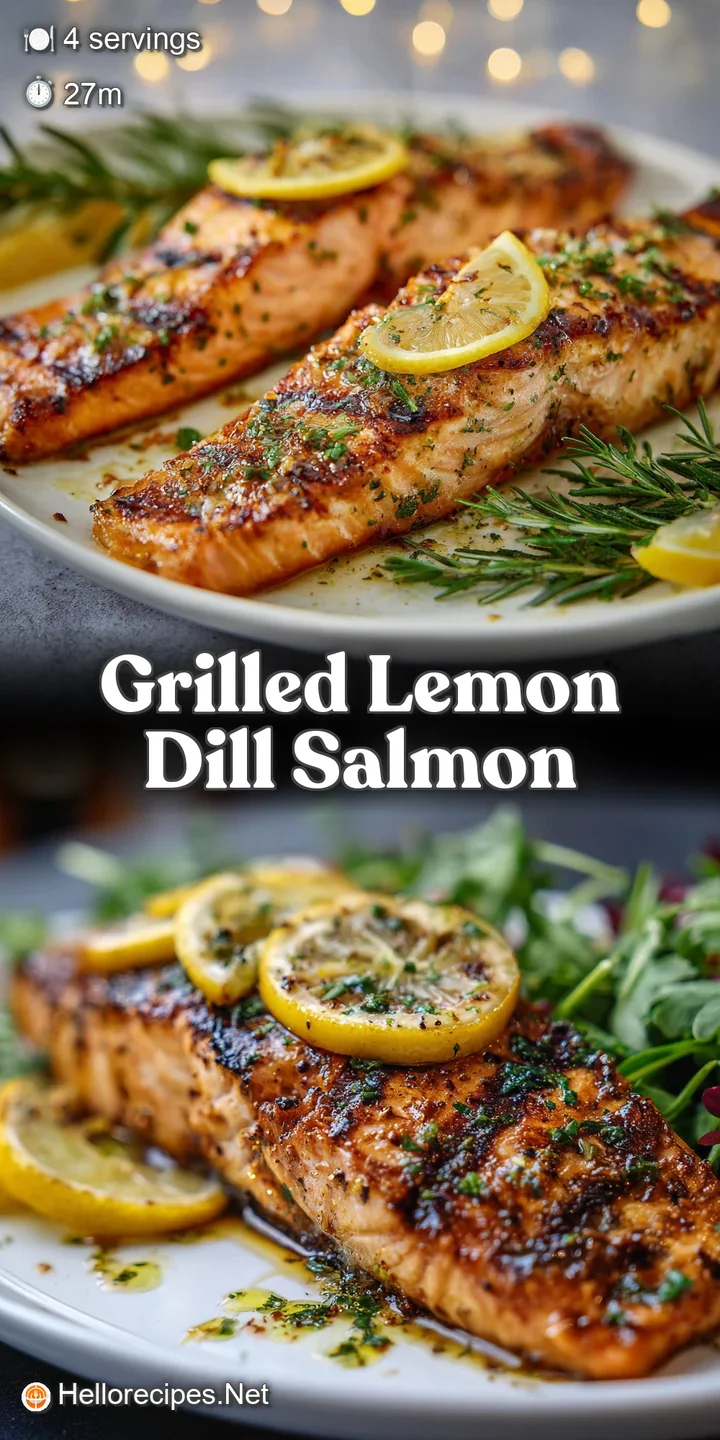
- Time: Active 15 minutes, Passive 12 minutes, Total 27 minutes
- Flavor/Texture Hook: Velvety flakes paired with a zesty garlic butter shatter.
- Perfect for: A sustainable weeknight luxury or a vibrant winter gathering.
- Achieve the Best Lemon Grilled Salmon for Winter Meal
- Technical Statistics and Nutritional Performance Data
- Gastronomic Components for Balanced Flavor Profiles
- Modern Kitchen Technology for Precision Searing
- Step-by-Step Methodology for Optimal Protein Texture
- Precision Adjustments for Overcoming Common Challenges
- Creative Modifications and Sustainable Ingredient Substitutions
- Long-Term Preservation and Resourceful Zero Waste Tactics
- Sensory Presentation Strategies for a Winter Gathering
- Critical Sodium Level 🚨
- Recipe FAQs
- 📝 Recipe Card
Achieve the Best Lemon Grilled Salmon for Winter Meal
The first time I tried grilling fish in the dead of January, I felt like I was fighting the elements. The air was dry, the grill was struggling to hold heat, and I desperately missed the bright, zingy flavors of July. I realized then that winter salmon shouldn't just be about heavy stews or cream laden bakes.
We need that sharp, acidic punch of lemon to cut through the gray days.
This simple lemon grilled salmon recipe is the best way to brighten up any winter meal. It’s a dish I’ve refined after too many "rubbery" accidents and "stuck to the grate" tragedies.
By using lemon rounds as a physical barrier between the heat and the flesh, we create a miniature steam chamber that protects the protein fibers.
You’re going to love how the cold butter melts into the minced garlic, creating a sauce that isn’t just a topping, but an integrated part of the cooking process. We aren't just making dinner here; we are utilizing culinary technology to manipulate heat and moisture for the flakiest result possible.
Technical Statistics and Nutritional Performance Data
When we look at the logistics of this dish, it’s all about the ratio of fat to acid. Salmon is a naturally oily fish, especially during the colder months when wild caught varieties are often replaced by high fat farmed options. Our goal is to balance that richness without overwhelming the palate.
The Thermodynamics of Acid Buffering: Placing lemon slices directly against the salmon creates a protective layer that slows down protein denaturation. This prevents the "squeeze" effect where muscle fibers contract too quickly and push out moisture, resulting in that dreaded white albumin on the surface.
- Emulsification Stability: The garlic butter mixture acts as a lipid based heat conductor, ensuring the salt and pepper penetrate deep into the fillet.
- Aromatic Volatility: Bruising the 8 sprigs of fresh thyme before use releases essential oils like thymol, which become more potent as they interact with the rising steam.
- Thermal Carryover: Pulling the fish at 135°F allows it to reach the target 145°F during the rest period, ensuring the center remains silky rather than chalky.
| Thickness | Internal Temp | Rest Time | Visual Cue |
|---|---|---|---|
| 1 inch | 135°F | 3 minutes | Flakes easily with a fork |
| 1.5 inches | 138°F | 5 minutes | Center is opaque but moist |
| 0.75 inch | 130°F | 2 minutes | Flesh pulls away from skin |
Because we are focusing on a sustainable approach, I always suggest looking for salmon with the skin on. The skin acts as its own insulation, and even if you don't eat it, it preserves the integrity of the 4 salmon fillets (6 oz each) throughout the cooking process. This is similar to the care taken in my My Homemade Remoulade recipe where balance is everything.
Gastronomic Components for Balanced Flavor Profiles
The chemistry of this dish relies on high-quality, simple elements. We are using 4 tbsp of unsalted butter because it allows us to control the sodium levels ourselves with the 2 tsp of kosher salt. This precision is what separates a "good" meal from a masterclass in home cooking.
| Ingredient | Science Role | Pro Secret |
|---|---|---|
| Lemon Zest (1 tsp) | Concentrated Limonene | Add it to the butter after melting to keep the oils fresh. |
| Kosher Salt (2 tsp) | Protein Solvent | Season 10 minutes early to let the salt break down muscle fibers. |
| Garlic (3 cloves) | Sulfur Aromatics | Mince it finely to maximize the surface area for flavor release. |
| Thyme (8 sprigs) | Phenolic Backbone | Use the woody stems to create a "rack" for the fish. |
For the 4 salmon fillets (6 oz each), you’ll want to ensure they are patted bone dry. Any residual moisture on the surface will create steam outside the lemon buffer, which prevents that beautiful golden sear we’re looking for.
For the Simple Grilled Salmon Lemon Butter Sauce
The sauce isn't just a garnish; it’s a functional lipid layer. By combining the 4 tbsp unsalted butter with the 1 tbsp fresh lemon juice and 1 tsp lemon zest, we create a zesty emulsion.
The 0.5 tsp red pepper flakes add a subtle heat that stimulates the taste buds, making the rich fats feel lighter on the tongue.
For the Healthy Grilled Salmon Lemon Thyme Base
Thyme is a powerhouse in winter. It’s hardy enough to withstand the heat of the grill while providing an earthy counterpoint to the bright 1 large lemon. I’ve found that slightly bruising the 8 sprigs fresh thyme before laying them under the fish makes a massive difference in how much flavor actually migrates into the meat.
Modern Kitchen Technology for Precision Searing
To get the best results, you need the right tools to manage the thermal transfer. I’m a huge advocate for cast iron, but a high-quality stainless steel grill pan or a seasoned outdoor grill works perfectly for this winter meal.
- Cast Iron Skillet: Like a Lodge 12 inch, it holds heat better than anything else, preventing the temperature drop when cold fish hits the pan.
- Instant Read Thermometer: This is non negotiable for precision gastronomy; stop guessing and start measuring.
- Fish Spatula: A thin, flexible metal spatula allows you to get under the delicate skin without causing a "shatter" in the fillet structure.
- Heavy Duty Foil: If you’re using the "Easy Grilled Lemon Salmon Foil Packets" method, the gauge of the foil matters to prevent punctures.
Chef's Tip: Freeze your butter for 10 minutes before mashing it with the garlic. This keeps the fat solid longer once it hits the heat, allowing the garlic to toast slightly before the butter completely liquefies and runs off.
step-by-step Methodology for Optimal Protein Texture
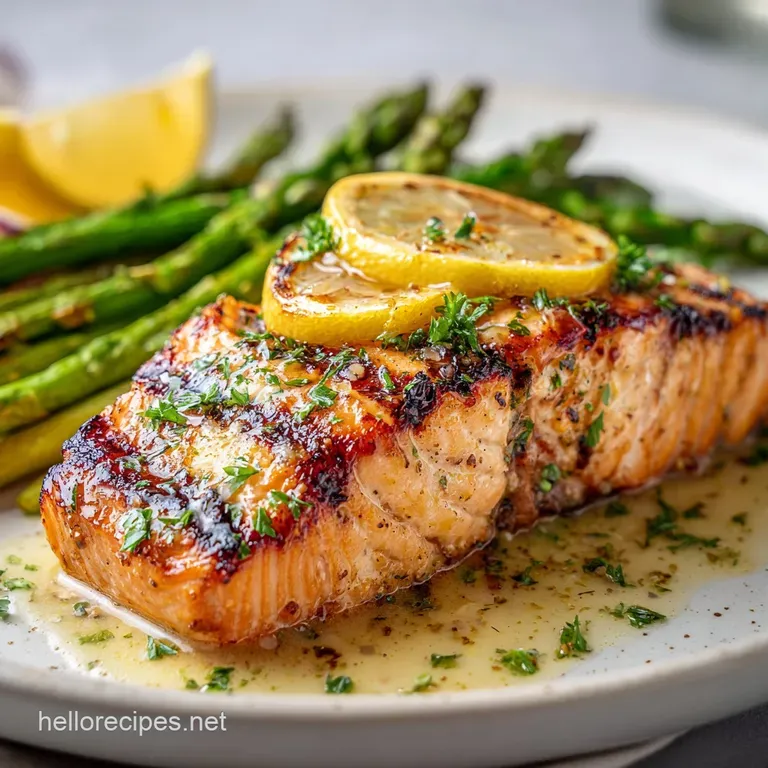
Let's get into the mechanics of the cook. We want a contrast between the tender, steamed top and the crisp, savory bottom. This is where we apply our "contrast story" the brightness of the lemon against the richness of the 4 tbsp unsalted butter.
- Prep the fish. Pat the 4 salmon fillets (6 oz each) dry with paper towels. Note: Surface moisture is the enemy of the Maillard reaction.
- Season aggressively. Rub the 2 tsp kosher salt and 1 tsp cracked black pepper onto all sides of the fillets.
- Prepare the compound butter. Mix the 4 tbsp softened unsalted butter with 3 cloves minced garlic, 1 tbsp lemon juice, 1 tsp zest, and 0.5 tsp red pepper flakes.
- Layer the aromatics. Place the thinly sliced rounds from 1 large lemon on the grill or in the pan, topped with the 8 sprigs fresh thyme.
- Position the salmon. Lay the fillets directly onto the lemon and thyme bed. Cook for 6 minutes until the bottom edges turn opaque.
- Apply the butter. Spoon half of the garlic butter mixture over the top of each fillet. Note: The heat will cause it to cascade down the sides, basting the fish.
- Flip carefully (Optional). If you want a char on the top, flip the fish off the lemons for the last 2 minutes. Cook until the internal temp hits 135°F.
- Finish with zest. Remove from heat and top with the remaining butter and a final squeeze of fresh lemon. Wait 3 minutes before serving.
| Feature | Fast Method (Pan) | Classic Method (Grill) |
|---|---|---|
| Cook Time | 8-10 minutes | 12-15 minutes |
| Flavor Profile | Concentrated butter | Smokey and charred |
| Cleanup | One pan to scrub | Grates to brush |
This methodology ensures that even in the middle of a snowstorm, your kitchen feels like a high end seafood bistro. If you're looking for a side that matches this energy, my Classic Grilled Corn recipe is a fantastic companion, even if you have to use a grill pan indoors.
Precision Adjustments for Overcoming Common Challenges
Even the best of us hit snags. Maybe the fish is sticking, or perhaps that white protein is leaking out everywhere. Don't panic; these are just variables we can account for with a little bit of science.
Preventing the "White Stuff" (Albumin)
Albumin is just protein that has been squeezed out of the muscle fibers because the heat was too high or too sudden. By using the lemon slices as a thermal buffer, we regulate the temperature. If you see it appearing, it’s a signal to turn down your heat immediately.
Solving the Soggy Skin Dilemma
If your skin isn't "shattering" when you bite into it, it’s likely because of trapped steam. Make sure the 1 tbsp extra virgin olive oil is shimmering hot before the fish (or the lemon bed) touches the pan. This initial thermal shock is what creates the barrier against moisture.
| Problem | Root Cause | Solution |
|---|---|---|
| Fish sticking | Pan wasn't hot enough | Preheat pan for 3 full minutes before adding oil. |
| Dry, chalky texture | Overcooking | Pull the fish at 135°F; let carryover heat do the rest. |
| Bitter flavor | Burnt garlic | Add garlic butter in the last 4 minutes of cooking. |
Common Mistakes Checklist:
- ✓ Never cook salmon straight from the fridge; let it sit out for 15 minutes to take the chill off.
- ✓ Don't skip the "pat dry" step, or you'll essentially boil the fish.
- ✓ Avoid moving the fish once it hits the pan; let the crust form naturally for at least 4 minutes.
- ✓ Use kosher salt, not table salt, to avoid a chemical "metallic" aftertaste.
- ✓ Ensure your thyme is fresh; dried thyme won't provide the necessary moisture for the steam effect.
Creative Modifications and Sustainable Ingredient Substitutions
Innovation in the kitchen means being flexible. If you can't find fresh thyme or if you're looking for a different flavor profile, the science remains the same even if the aromatics change.
| Original Ingredient | Substitute | Why It Works |
|---|---|---|
| Unsalted Butter | Ghee | Higher smoke point and richer, nutty flavor profile. |
| Fresh Thyme | Fresh Dill | Traditional pairing; adds a grassy, bright note to the lemon. |
| Red Pepper Flakes | Smoked Paprika | Provides a "winter" depth without the sharp spice. |
If you want to scale this down for a solo dinner, use a small 8 inch skillet and reduce the cook time by about 20% since the pan will retain more localized heat. For scaling up (2x-4x), work in batches.
If you crowd 8 fillets into one pan, the temperature will plumment, and you'll end up with gray, steamed fish instead of that beautiful grilled finish.
Long Term Preservation and Resourceful Zero Waste Tactics
Sustainable cooking means using every part of the ingredient. Don't toss those lemon ends or the salmon skin if you decide to remove it.
Storage: Store any leftover salmon in an airtight glass container in the fridge for up to 2 days. I don't recommend freezing cooked salmon as the cell structure breaks down, making it "mushy" upon thawing. To reheat, do it slowly in a pan with a splash of water and a lid to recreate that steam chamber.
- Salmon Skin
- If you don't eat it with the meal, fry it separately until it's like a cracker it's pure "umami" gold.
- Lemon Peels
- Toss the squeezed lemon halves into a jar of white vinegar for a natural kitchen cleaner.
- Herb Stems
- The woody thyme stems can be saved in a freezer bag for your next seafood stock.
Sensory Presentation Strategies for a Winter Gathering
When you serve the Best Lemon Grilled Salmon for Winter Meal, presentation is part of the experience. I like to serve the fillets right on top of the charred lemon rounds. It looks intentional and rustic, plus it keeps the fish elevated off the plate so the bottom doesn't get soggy.
But what about the bitterness of the charred lemon? The heat actually caramelizes the sugars in the lemon, turning the sharp sourness into something mellow and complex. It's a revelation when paired with the velvety garlic butter.
Decision Shortcut for Your Preferences
- If you want a smokey crust, skip the lemon buffer for the first 3 minutes of searing.
- If you want a healthy grilled salmon lemon thyme focus, swap the 4 tbsp butter for 3 tbsp of high-quality extra virgin olive oil.
- If you want a deep winter flavor, add a pinch of ground cumin to the salt rub for an earthy, warming undertone.
The contrast between the cold winter air outside and the bright, sizzling lemon aroma in your kitchen is why we do this. It’s a small act of culinary rebellion against the season. Trust the process, watch your temperatures, and don't be afraid to let that butter sizzle. You've got this!
Critical Sodium Level 🚨
1165 mg mg of sodium per serving (51% % of daily value)
The American Heart Association recommends limiting sodium intake to about 2,300mg per day.
Sodium Reduction Tips for Salmon Recipe
-
Reduce Kosher Salt-25%
Decrease the kosher salt from 2 tsp to 1 tsp. Taste and adjust after cooking. This can significantly reduce the sodium content. Start with less, you can always add more!
-
Enhance Lemon Flavor-10%
Increase the amount of lemon juice and zest. Lemon enhances the flavors naturally, so you can use even less salt without compromising taste. Use fresh lemon, not bottled!
-
Unsalted Butter is Key-10%
Confirm you are using completely unsalted butter. Even slightly salted butter can contribute to the overall sodium content. Check the label!
-
Spice it Up!
Leverage the red pepper flakes and black pepper to add flavor complexity. Experiment with other spices like garlic powder (unsalted!), onion powder, or smoked paprika to further enhance the taste profile and mask the need for salt.
Recipe FAQs
What to serve with salmon in winter for dinner?
Hearty roasted root vegetables or creamy grains. Winter demands comforting sides like roasted Brussels sprouts, parsnips, or a rich risotto to contrast the bright acidity of the lemon salmon.
What to season lemon salmon with?
Use salt, pepper, fresh thyme, and garlic first. Season the fillets 10 minutes before cooking to allow the salt to work, then top with the lemon zest right before grilling for maximum aromatic impact.
What sauce is good on grilled salmon?
A simple garlic lemon compound butter works best. Melted butter mixed with finely minced garlic and fresh lemon juice creates a functional lipid layer that enhances the fish's natural richness. For a creamier option, try our & Juicy Whisked recipe.
What are the common mistakes when grilling salmon?
Pulling the fish too early or too late, or cooking on a surface that is too cold. Always use an instant read thermometer, aiming to pull the fish off the heat at 135°F; if you use high heat, ensure the grate is perfectly clean to prevent sticking.
How to prevent the white albumin from appearing on grilled salmon?
Use slow, indirect heat buffered by a physical barrier. Placing thick lemon slices directly under the fillet creates a miniature steam chamber that protects the muscle fibers from contracting too quickly under intense heat.
Is it true that I should not flip salmon while grilling?
No, this is a common misconception if you want a balanced texture. While you should leave it untouched for the first 6 minutes, a quick flip for the final 2 minutes (if cooking without the lemon buffer) helps achieve an even cook and texture, similar to the precision required in our Whole 30 Meal recipe.
How to get a truly crispy skin when grilling salmon?
Pat the skin bone dry and start skin side down on shimmering hot fat. After drying, place the salmon skin side down on a hot, oiled surface (or hot lemons) and do not move it for at least 4 minutes to allow the Maillard reaction to fully develop the crust.
Grilled Salmon Lemon Foil Packets
Ingredients:
Instructions:
Nutrition Facts:
| Calories | 489 kcal |
|---|---|
| Protein | 34.4 g |
| Fat | 37.2 g |
| Carbs | 2.8 g |
| Fiber | 0.8 g |
| Sugar | 0.5 g |
| Sodium | 1165 mg |
