The Goldencrusted Vegan French Toast a Proper Weekend Treat
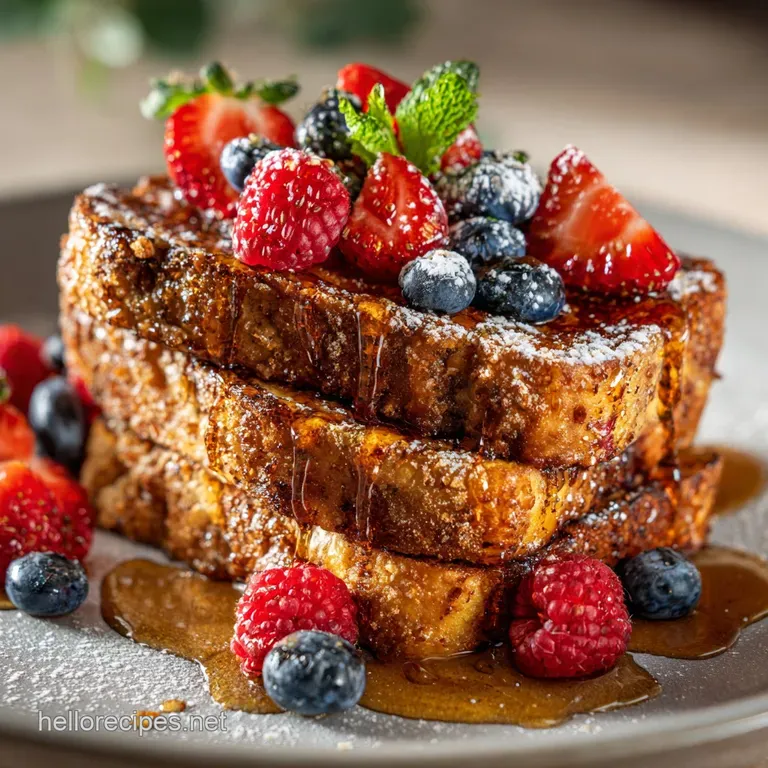
- Moving Beyond Soggy Vegan French Toast
- Mastering the Best Vegan French Toast Batter
- Essential Ingredients for Your Plant-Based Custard
- Smart Substitutions and Ingredient Notes
- Preparing the Chickpea-Based Dipping Mixture
- Step-by-Step Guide to Perfect Vegan French Toast
- Troubleshooting Common French Toast Mistakes
- Chef’s Tips for Next-Level Brunch
- Recipe FAQs
- 📝 Recipe Card
Moving Beyond Soggy Vegan French Toast
If you’ve ever been disappointed by a lacklustre, mushy attempt at plant based breakfast, you understand the challenge of transforming simple bread into a decadent, custard filled delight without the aid of eggs.
Many attempts at Vegan French Toast result in a soggy middle because they lack the proper binding structure found in traditional recipes. This expert method addresses that exact issue head-on, delivering a result that is wonderfully fluffy on the inside, surprisingly protein rich, and beautifully crisp on the outside.
This recipe is a stellar choice for your repertoire of Vegan Breakfast Recipes , proving that sophistication and indulgence are easily achievable, even before coffee.
Mastering the Best Vegan French Toast Batter
The secret weapon in achieving perfect texture lies in completely redefining the traditional custard. We are moving away from proprietary egg substitutes toward a reliable, readily available binding agent.
Our method utilizes a balanced blend of liquid, starch, and a high protein flour to mimic the binding, richness, and browning capabilities of eggs. This perfect vegan french toast batter is the foundation upon which golden crusted success is built.
Why Chickpea Flour Creates Perfect Structure
Chickpea flour, also known as besan or garbanzo bean flour, is absolutely crucial for this recipe. Unlike standard all-purpose flour, chickpea flour contains a higher protein content and a unique starch composition that thickens rapidly when hydrated and sets firm when heated.
When cooked, this batter adheres tightly to the bread, creating a resilient exterior coating that crisps up beautifully in the pan and prevents the interior from becoming waterlogged. Crucially, the mild earthiness of the flour disappears entirely when combined with sugar and spices.
Achieving that Fluffy Interior and Crisp Edge
While chickpea flour provides the primary structure, we use a tablespoon of cornstarch (or arrowroot) to manage moisture effectively. This thickening agent ensures the batter has enough viscosity to coat the bread evenly without being absorbed too deeply, contributing to that desirable fluffy interior.
When combined with full fat plant milk like oat or soy the higher fat content helps create a rich, luxurious texture that browns beautifully alongside the flour mixture, guaranteeing a genuinely crisp edge every time.
How This Recipe Stacks Up Against Traditional Custard
Many non-vegan French toast recipes rely on the coagulation of egg protein for their signature texture. Our vegan french toast recipe delivers similar structural integrity thanks to the robust combination of chickpea flour and starch, but with a slight advantage: it’s less likely to deflate.
For visual authenticity, we integrate a tiny pinch of turmeric, which imparts a natural, vibrant golden colour, making the finished slices virtually indistinguishable from their eggy counterparts.
Essential Ingredients for Your Plant Based Custard
Crafting the perfect plant based soak requires precision in measurement. You will need one cup (240 ml) of your chosen plant milk oat or soy are recommended for richness combined with a generous half cup (60 g) of chickpea flour.
To elevate the flavour profile, incorporate two tablespoons of sugar (or maple syrup for a liquid sweetener), a warming teaspoon of ground cinnamon, and a quality vanilla extract. Finally, a pinch of salt is necessary to balance the inherent sweetness and round out the overall taste.
Smart Substitutions and Ingredient Notes
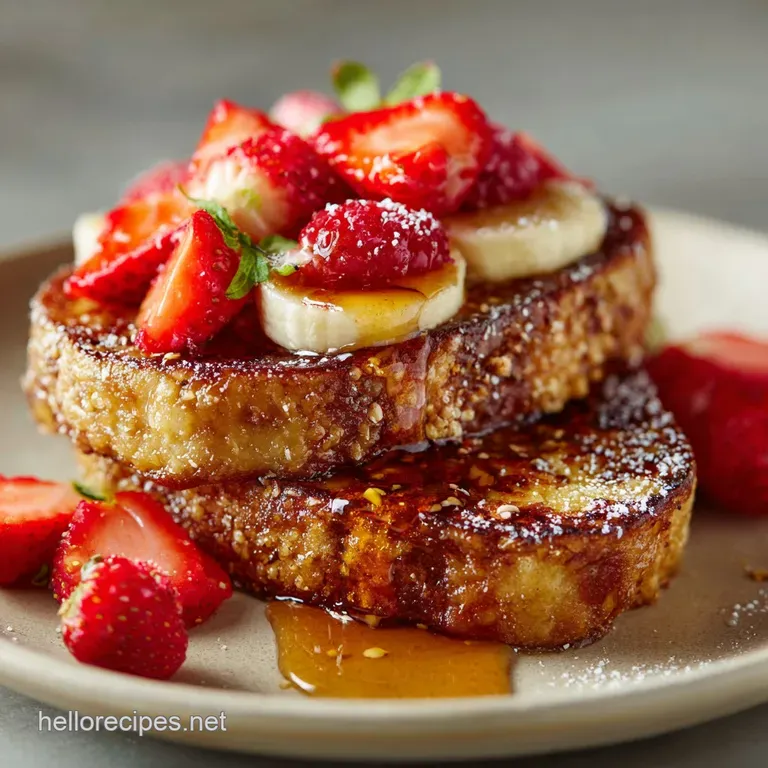
Flexibility is a key component of successful home cooking. Knowing which ingredients you can swap and which are non-negotiable ensures you can achieve the best results, even with a depleted pantry.
Selecting the Ideal Loaf for Maximum Absorption
The quality of your bread dictates the success of your toast. Opt for eight thick slices, aiming for about one inch (2-3 cm) in thickness. Day-old or stale bread, such as robust sourdough or a thick cut vegan sandwich loaf, is preferable.
Fresh, soft bread absorbs the moisture too quickly and tends to disintegrate when handled. If your bread is fresh, leaving the slices exposed to the air for an hour or two will help them dry out slightly, making them less prone to structural collapse during the soaking phase.
Elevating the Batter Beyond Simple Vanilla
While vanilla and cinnamon provide the baseline warmth required for excellent Vegan Sweets , don't be afraid to experiment. For a brighter flavour, consider adding the zest of a small orange and a half teaspoon of ground cardamom, transforming this breakfast staple into a sophisticated brunch treat.
If you prefer a decadent chocolate option, a tablespoon of cocoa powder whisked into the dry mixture adds deep colour and richness.
Kitchen Equipment Needed for Frying Success
The process is inherently Quick Easy Vegan , but efficient cooking requires the correct tools. You will need a shallow dish or wide, flat bowl this is absolutely essential for quick, even soaking. A sturdy whisk will guarantee a lump free batter.
Finally, the use of a large non-stick frying pan or griddle ensures even heat distribution, but the often forgotten secret weapon is a wire cooling rack. Using the rack to rest cooked slices prevents steam buildup and maintains the crispness of the crust.
Related Recipes Worth Trying
- 20Minute Vegan Garlic Udon Noodles Buttery Bold — Whip up these easy Vegan Garlic Udon Noodles in under 25 minutes Rich savoury and packed with bold garlic flavour for the ultimate vegan comfort food noodles
- Properly Deep The Brilliant Bold French Onion Soup — Tired of thin soup This authentic French Onion Soup recipe nails the deep mahogany caramelization for maximum flavour Easy steps for the best homemade...
- The Deep Dive Truly Rich French Onion Soup Recipe — Forget packet mixes Elevate your Classic Lipton French Onion Soup craving by mastering deep caramelisation for an unbeatable flavour base Comfort in a bowl
Preparing the Chickpea Based Dipping Mixture
The preparation of the soak is straightforward but critical. Start by combining all the dry ingredients the chickpea flour, cornstarch, sugar, cinnamon, salt, and optional turmeric in your wide, shallow dish. Whisk these together thoroughly to eliminate any pockets of concentrated starch.
Gradually introduce the one cup of plant milk and the vanilla extract. Continue whisking vigorously until the mixture is entirely smooth and lump free. The final consistency should resemble a thin pancake batter, easily able to coat the back of a spoon lightly.
This readiness test confirms the perfect texture for the subsequent soaking process.
step-by-step Guide to Perfect Vegan French Toast
Achieving that golden brown finish and perfectly cooked centre requires attention to heat and timing. Begin by combining two tablespoons of vegan butter and one tablespoon of neutral oil (such as rapeseed or sunflower) in your large non-stick pan over medium heat .
The oil prevents the butter from burning quickly, providing a better cooking medium.
The Right Way to Saturate Without Sogging
The biggest mistake when making Vegan French Toast is over soaking. The goal is to fully coat the resilient exterior with batter, not penetrate the centre of the bread slice.
Working in batches of two to three slices, dip one side of the bread into the batter for a quick 5 to 8 seconds, then flip and dip the second side for the same duration. The slices should feel coated and slightly heavy, but still firm enough to transfer with a spatula.
Getting the Pan Heat Just Right for Caramelization
Maintaining the heat at a steady medium is paramount. If the pan is too hot, the sugar and spices will scorch before the internal chickpea flour has time to cook and set. If the pan is too cool, the toast will absorb too much oil and steam instead of caramelizing.
Listen for a gentle, consistent sizzle when the toast hits the pan this indicates the perfect temperature for browning.
Tips for Achieving an Even Golden Crust
Cook each coated slice for three to four minutes per side. Resist the urge to press the toast down, as this releases steam and hinders the formation of a crust. Look for a deep, rich golden brown colour before flipping.
Once cooked, immediately transfer the slices to the designated wire cooling rack to ensure the crust remains intact and beautifully crisp while you finish the remaining slices. This technique is also essential if you plan on slicing the finished toast into vegan french toast sticks for easy serving.
Troubleshooting Common French Toast Mistakes
The most frequent culprit for failure is rushing the process or overheating the pan. If the batter is turning dark brown almost immediately, your heat is too high; temporarily remove the pan from the burner to stabilize the temperature.
If your bread disintegrates upon lifting, it was either too fresh or soaked for too long. If the remaining batter appears too thick after cooking several batches, simply whisk in a tablespoon of plant milk to return it to the correct consistency.
Chef’s Tips for Next Level Brunch
Taking your brunch from good to great involves mastering efficient batch cooking and understanding how to treat leftovers.
How to Keep Leftover Slices Fresh
Any fully cooked slices should be cooled completely on a wire rack before being stored. Place them in a single layer in an airtight container, separated by parchment paper, and refrigerate for up to three days.
The Best Way to Re-Crisp Day-Old Toast
Never reheat French toast in the microwave, as this turns the crust soft and rubbery. To revive that perfect crispness, place the slices directly on a baking sheet and bake in a preheated oven at 350° F ( 175° C) for about five to eight minutes.
Alternatively, they can be reheated in a toaster oven or even a wide slot toaster until warm and re-crisped.
Creative Serving Suggestions for Brunch
While the classic pairing of maple syrup and fresh seasonal berries is unbeatable, consider expanding your horizons. A generous dollop of thick vegan crème fraîche or coconut yoghurt provides necessary tang.
For a more substantial main course, serve the Vegan Sweets alongside savory elements like smoked tempeh bacon or homemade hash browns. This recipe is also robust enough to be adapted into a delicious overnight vegan french toast casserole —just layer the coated bread slices with a cream cheese swirl and bake the next morning.
Making gluten-free or High Protein Vegan French Toast
This recipe adapts effortlessly to dietary needs. Simply swap the traditional loaf for your favourite hearty gluten-free bread ensure it is thick cut to withstand the soak. For those looking to increase the protein content further, you can substitute 1-2 tablespoons of the chickpea flour with unflavoured vegan protein powder, ensuring you whisk well to avoid a grainy texture.
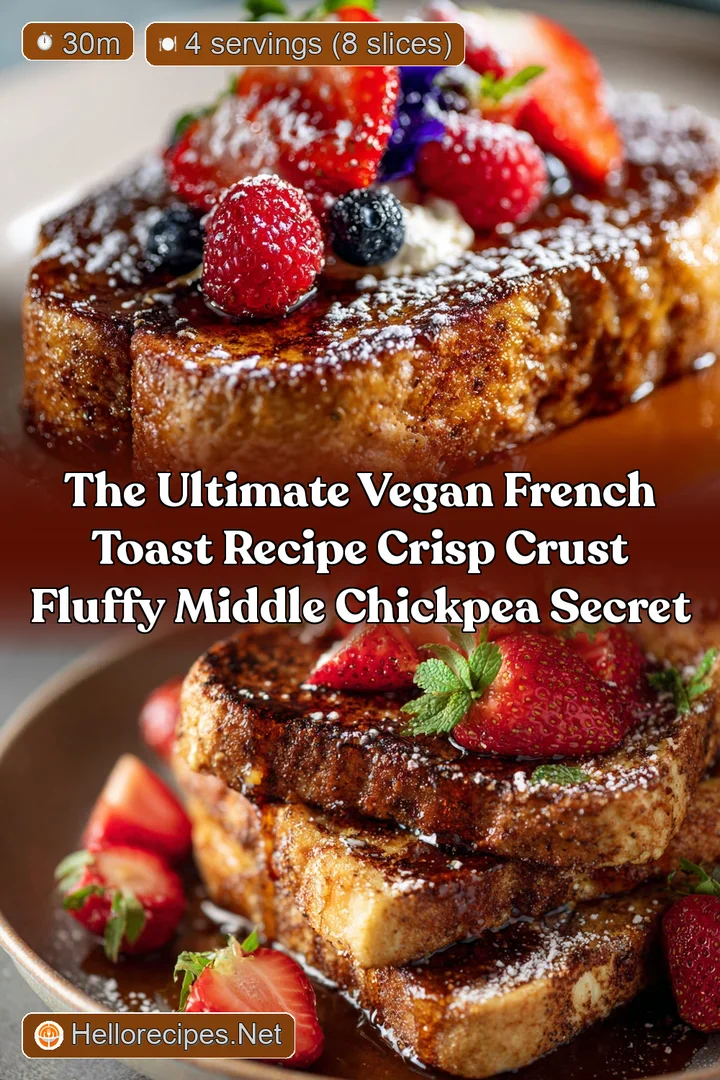
Recipe FAQs
Why on earth are we using chickpea flour in my lovely Vegan French Toast? Does it taste funny?
Chickpea flour (besan) is the absolute star here it's what stops this Vegan French Toast from falling apart! Unlike traditional flour, chickpea flour contains the necessary proteins and starch to mimic the binding properties of egg, providing structure and helping the toast achieve that beautiful, golden brown caramelised crust.
Don't worry about the taste; the spices and vanilla completely mask any bean flavour, leaving you with pure brunch brilliance.
My toast always turns out soggy. What's the trick to getting that proper, crisp crust?
Preventing a soggy bottom is down to two main factors: the soak and the heat. Firstly, use slightly stale or day-old thick bread, and only soak for a quick 5-8 seconds per side a gentle dip, not a swimming lesson!
Secondly, cook on medium heat with a mix of oil and vegan butter; this ensures the outside crust cooks thoroughly and the batter doesn't steam the inside. Always transfer cooked slices to a wire rack immediately to allow steam to escape.
I’m batch cooking for a crowd can I make the batter in advance, and how do I store leftovers?
Absolutely, prepping the batter ahead is a massive time saver for a relaxed weekend. You can whisk the 'custard' and keep it covered in the fridge for up to two days; just give it a vigorous whisk before using, as the flour will settle.
Leftover cooked French toast should be cooled on a wire rack, stored airtight for up to three days, and is perfect for a speedy reheat in the toaster or air fryer for a crisp texture.
I'm running low on plant milk. What are the best alternatives if I fancy mixing it up?
For that proper richness, high fat oat milk or soy milk are the top choices, as they provide the best mouthfeel and fat content, mimicking a rich dairy custard base. Avoid thin, watery milks like standard almond milk, as they can lead to a less creamy batter.
If you want a flavour variation, consider adding orange zest and a pinch of cardamom to the batter for a brighter, spring time feel.
Help! My bread is disintegrating in the soak. What kind of bread should I be using for the best result?
Using robust, slightly dried out bread is essential for structural integrity, otherwise you end up with mush! Avoid very soft sandwich loaves; day-old sourdough, thick cut vegan brioche, or challah work like a charm.
If your bread is fresh, simply slice it and leave it exposed to the air on a rack for an hour or two before dipping that small step makes a monumental difference.
Golden Vegan French Toast Recipe
Ingredients:
Instructions:
Nutrition Facts:
| Calories | 653 kcal |
|---|---|
| Protein | 12.2 g |
| Fat | 8.4 g |
| Carbs | 115.4 g |
| Fiber | 17.7 g |
| Sodium | 242 mg |
